Diving for Artificial Reefs
DIVER SURVEYS OF ARTIFICIAL REEF MARIND LIFE contribute to science — the FWC has adopted the Reef Environmental Education Foundation (REEF) citizen science program for doing fish surveys.
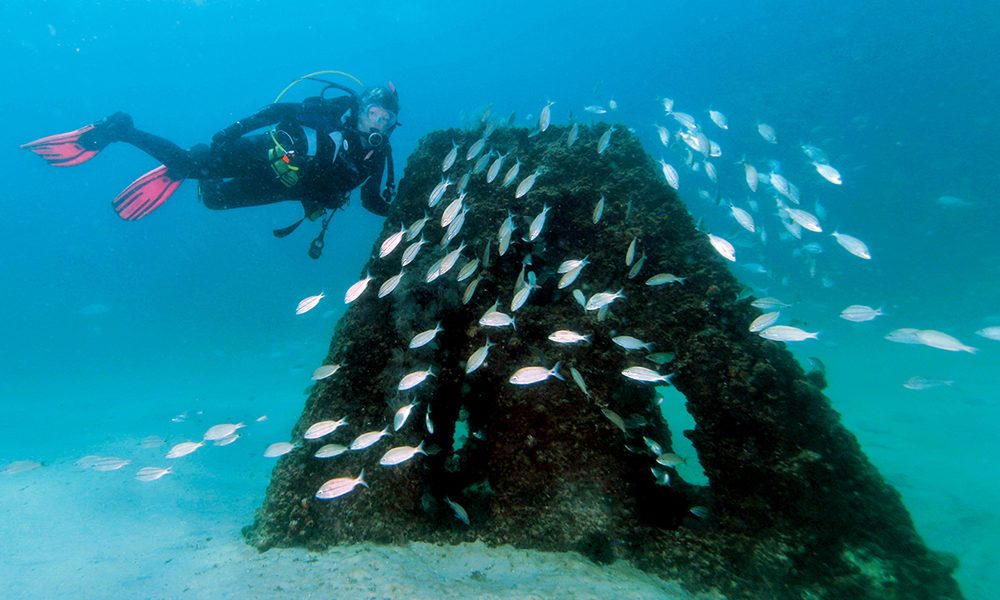
DIVER SURVEYS OF ARTIFICIAL REEF MARIND LIFE contribute to science — the FWC has adopted the Reef Environmental Education Foundation (REEF) citizen science program for doing fish surveys.
DAN is a membership association, which means attracting new divers is essential to the long-term success of our organization. Revenue generated through DAN membership allows us to provide services such as our 24/7 emergency hotline and medical information line. Those funds also support our dive safety research to benefit the global dive community.
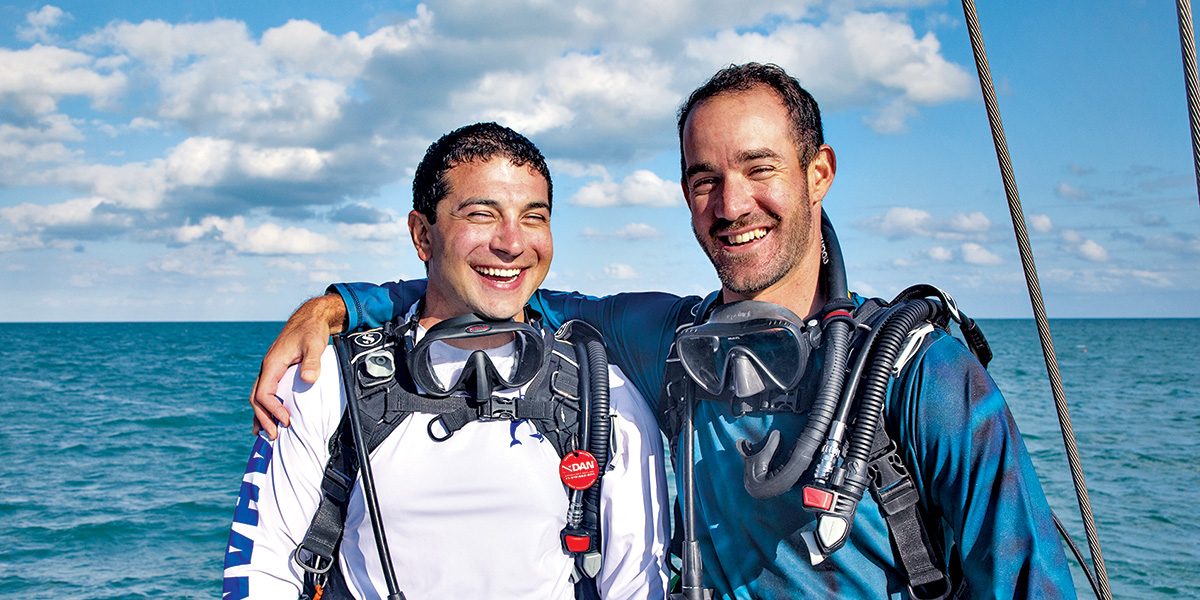
The waters of southern Florida are famous for their stunning coral reefs and vibrant marine life. This underwater paradise is not only a playground for recreational divers but also vital to many people who depend on it for their livelihoods, including dive instructors.
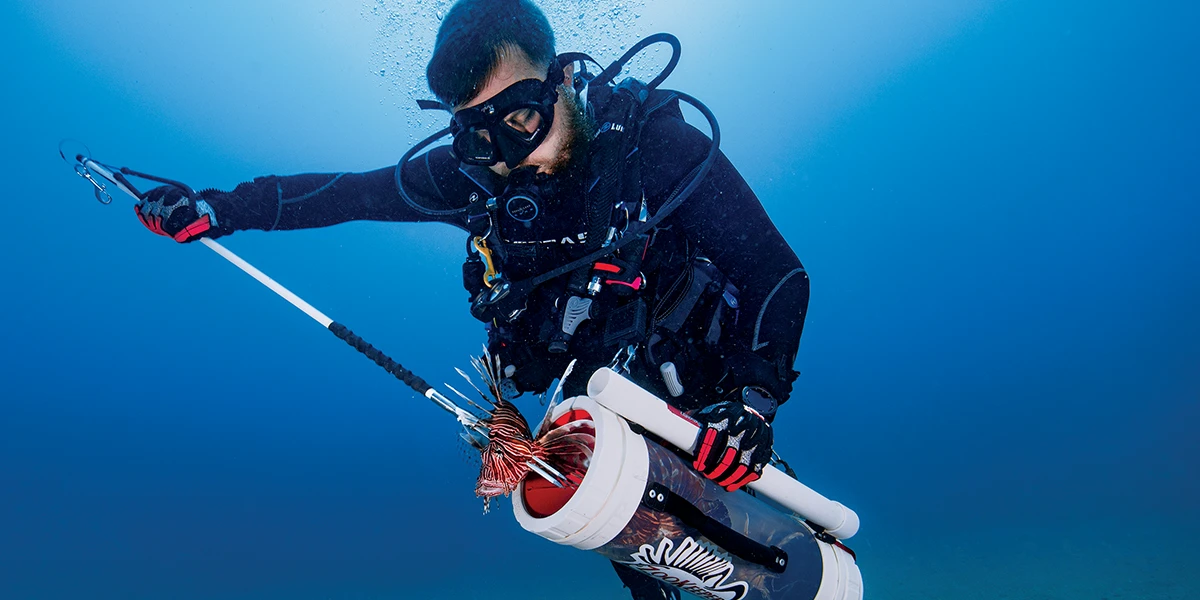
Alex Fogg is known in the dive community for creating the largest invasive lionfish collection and outreach event in the world, the Emerald Coast Open, with tens of thousands of lionfish removed each year during the two-day event. Over the past decade he has personally harvested an unquantifiable number of invasive lionfish from North American waters.

Through the Powered By DAN program, dive training agencies can integrate the skills and standards of DAN’s basic life support, CPR, oxygen administration, and other course content into their first aid training.

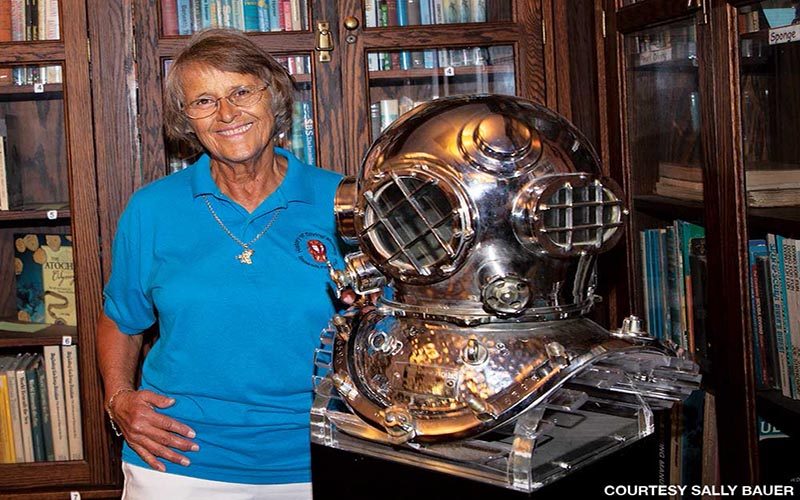
Dr. Sally Bauer is an accomplished diver and marine biologist who is also incredibly passionate about diving and marine life.
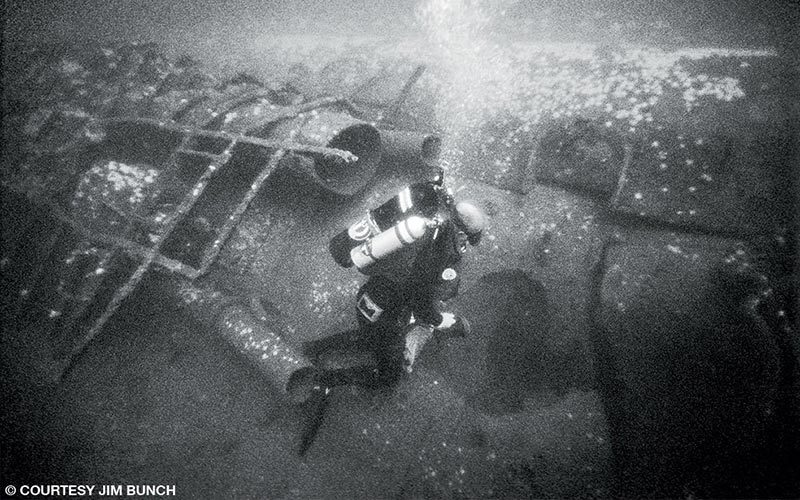
DAN member, diver and author Jim W. Bunch talks about discovering and exploring underwaters wrecks on the shores of North Carolina.
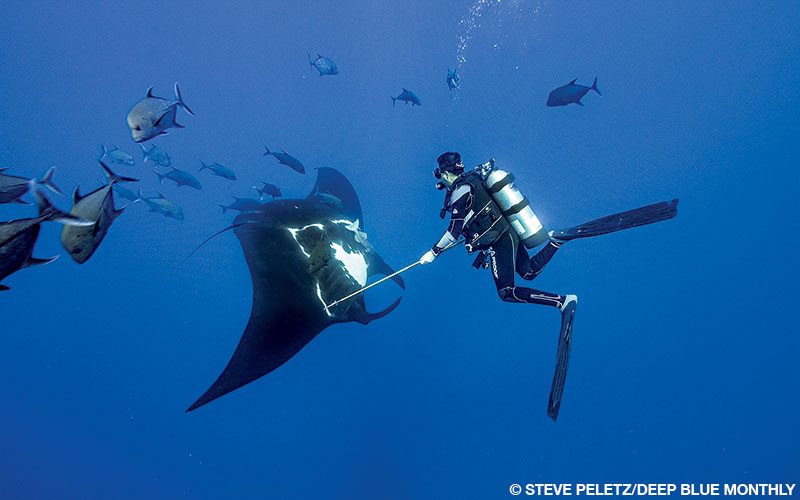
Researchers from the MigraMar consortium take volunteer divers on citizen science expeditions to tag and track pelagic sharks as they migrate through the Eastern Pacific. Scientists use the data to advocate for larger marine protected areas to save sharks from overfishing. Volunteers pay typical liveaboard prices to help researchers defray the high cost of these expeditions, and in return they get to see shark science and conservation up close.
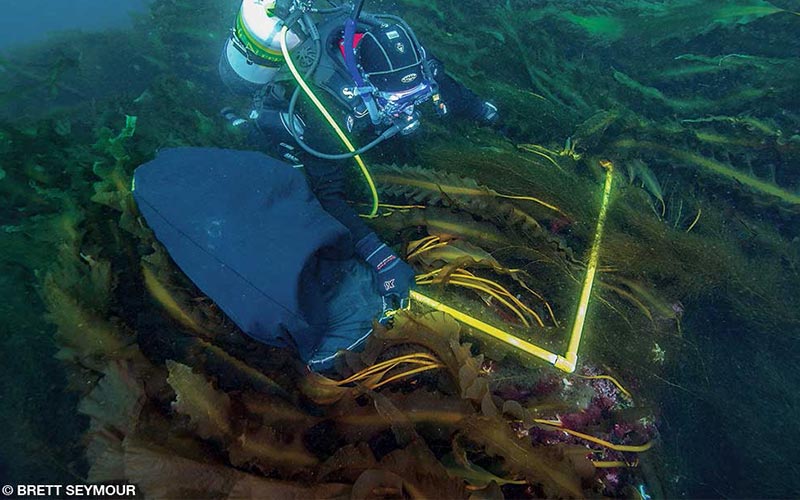
Tucked in New England is an underwater landscape that is different from surrounding areas. An underwater mountain range called Cashes Ledge is a great place for divers.
In the film “Racing Extinction,” a paleontologist discusses how we could quickly lose up to 50 percent of Earth’s species in about 100 years. Learn more about this documentary.