Your Computer Fails: Now What?
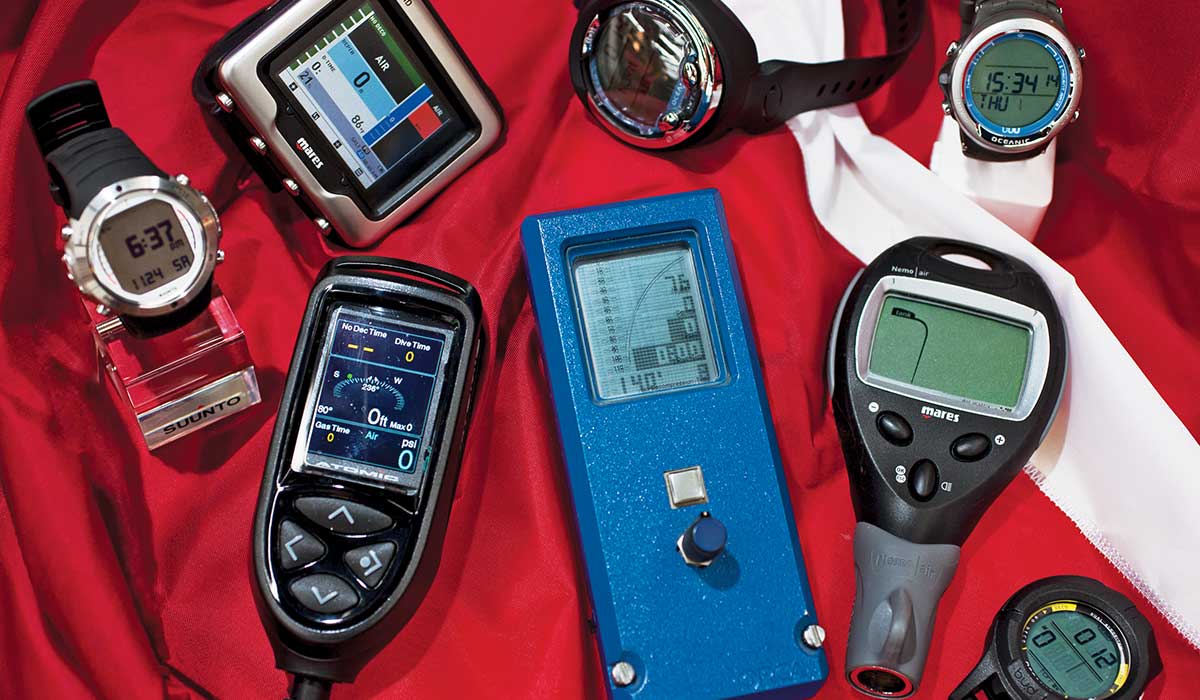
What do you do when your dive computer fails? With the right backup instruments and techniques, you can keep diving safely. Learn more.
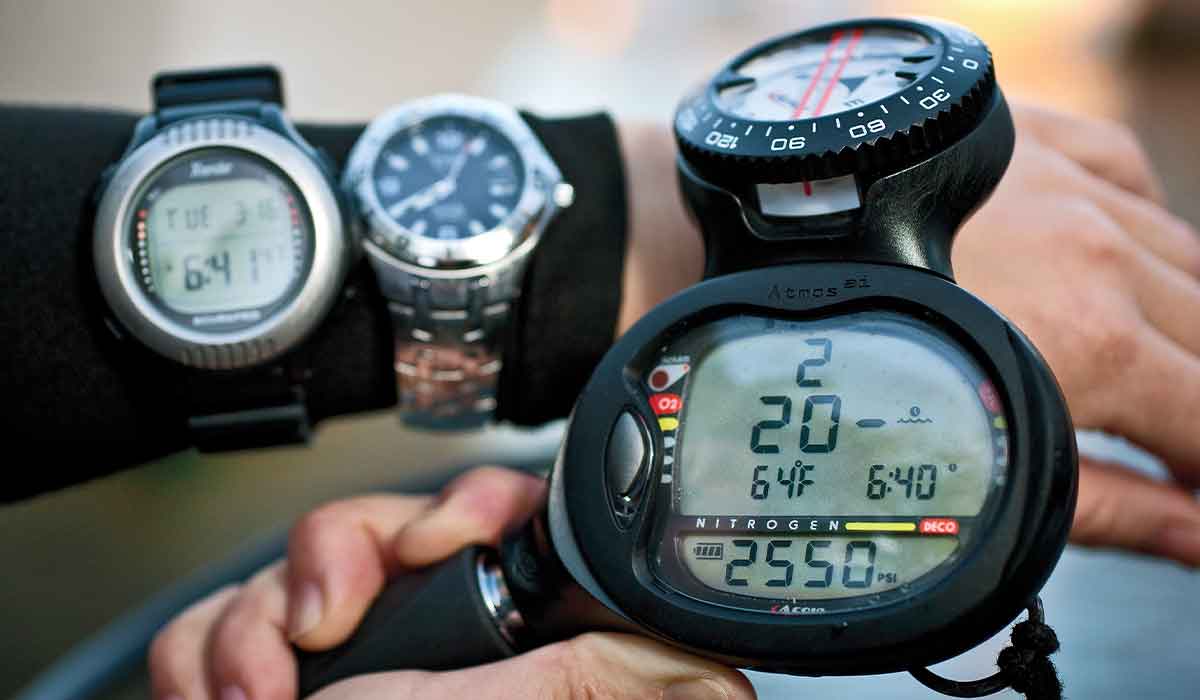
What do you do when your dive computer fails? With the right backup instruments and techniques, you can keep diving safely. Learn more.
Many divers seek interactions with sharks, but others actively seek to avoid them. As long as sharks are in the water, people will look for ways to reduce the lethality of a shark bite or decrease encounters altogether.

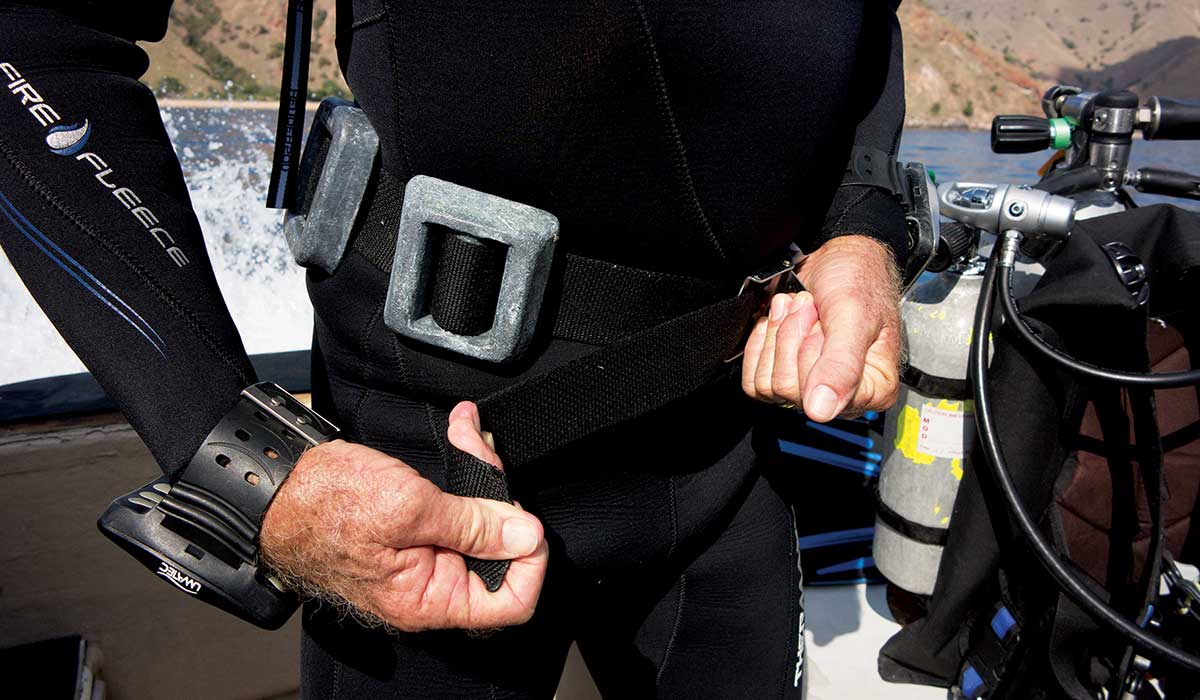
How versed are you in buoyancy control? Proper buoyancy is key to a successful dive and it is in part due to weighting. Read more about weighting yourself correctly .
Signaling gear is incredibly useful in a variety of situations — including when the boat leaves without you. Here’s how to purchase signaling gear and what to do.

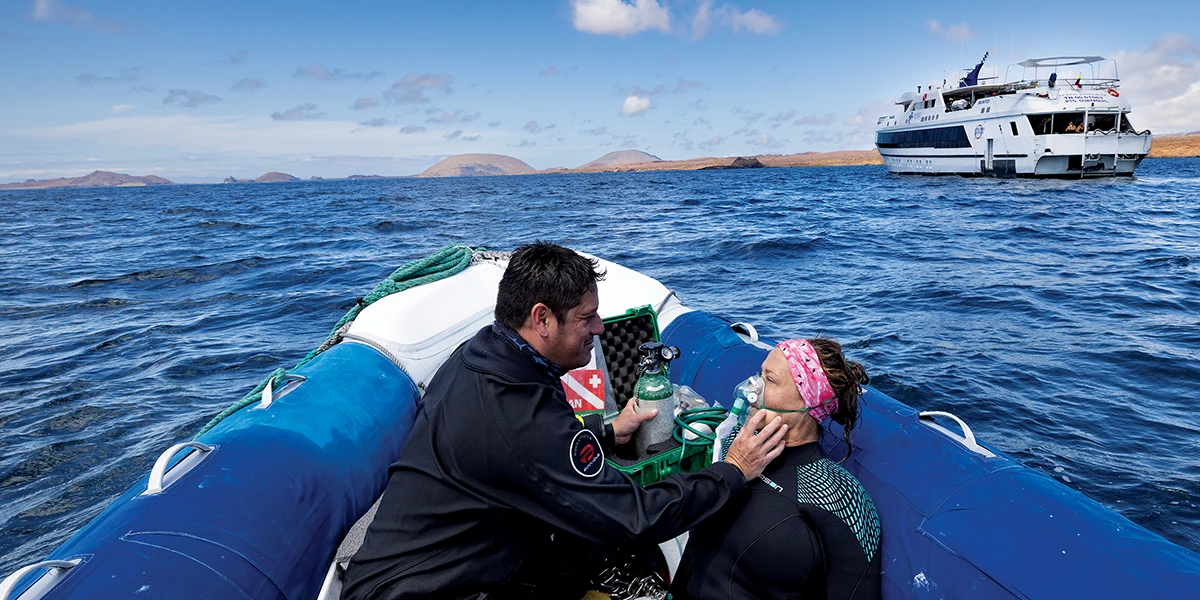
Oxygen is the standard of care for first aid in dive injuries. You do not need to determine if the injured person is experiencing decompression sickness (DCS), arterial gas embolism (AGE), or nonfatal drowning, as oxygen can be beneficial in all these situations.
Recreational divers are using highly customizable backplate-and-wing BCs to improve their trim and meet their needs in varying conditions.

Dive computers have evolved rapidly since their inception, however, questions arose over the years over their safety. Read more about dive computers.
Breathing gas is incredibly important to divers and just as important as quantity is quality. Do you know the signs of breathing gas contamination?

Sorb, or scrubber, plays a critical role in rebreather diving, as it is responsible for removing carbon dioxide (CO2) from the diver’s breathing gas. Small granules or pellets absorb exhaled CO2 and allow oxygen to pass through. This chemical process allows rebreathers to recycle exhaled air, limiting gas consumption and allowing longer dives.

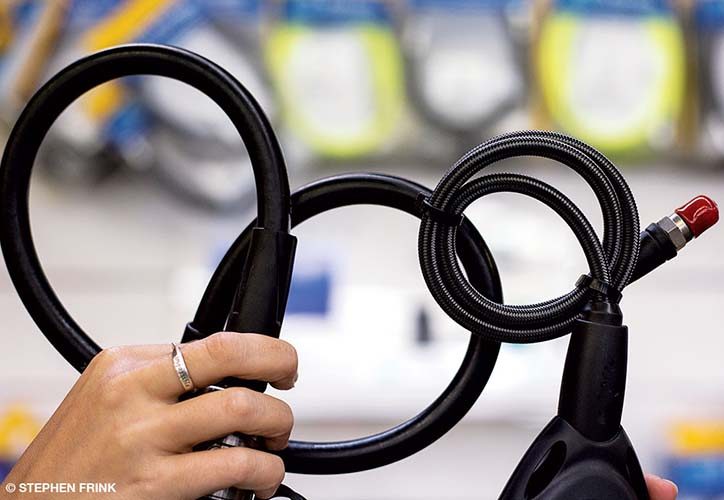
Polymorphic crystallization inside hoses has recently emerged as a hazard divers should be aware of. Be sure to replace old hoses, limit hoses’ exposure to high temperatures, and follow manufacturers’ maintenance recommendations.