Going Up
Every night as the sun slips below the horizon, countless aquatic creatures begin migrating up from the deep in what is quite possibly the greatest show on Earth. Seeking nourishment […]
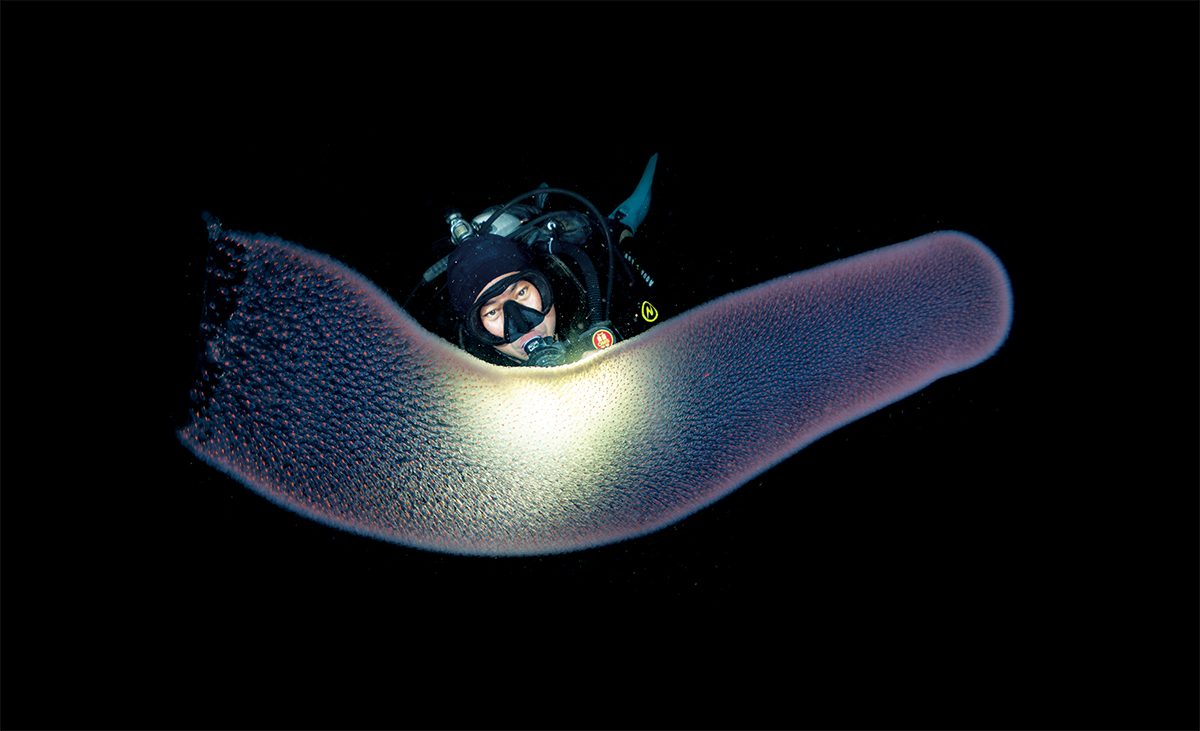
Every night as the sun slips below the horizon, countless aquatic creatures begin migrating up from the deep in what is quite possibly the greatest show on Earth. Seeking nourishment […]
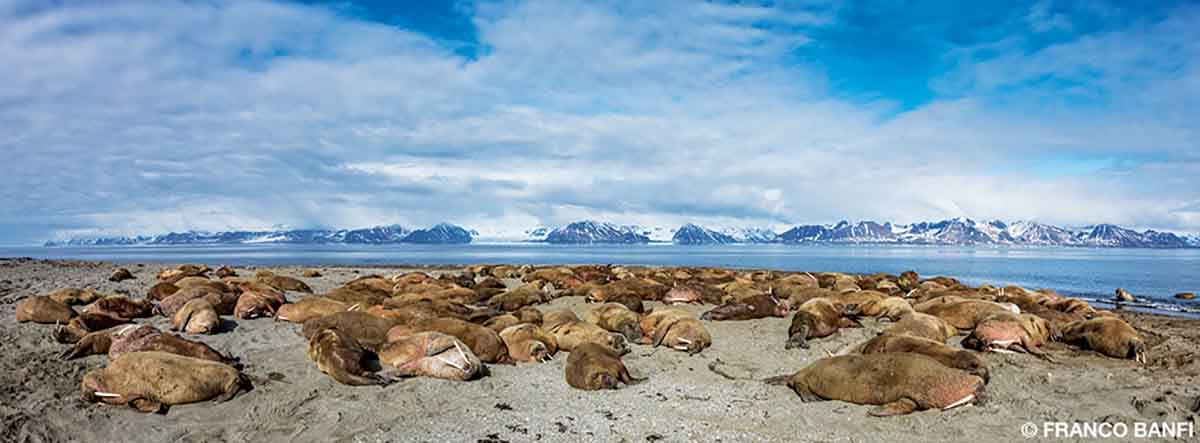
Weighing up to 3,000 pounds, walruses are among the largest pinnipeds. However, walruses and polar bears are threatened because of diminishing sea ice in the Arctic. Learn more about these pinnipeds.
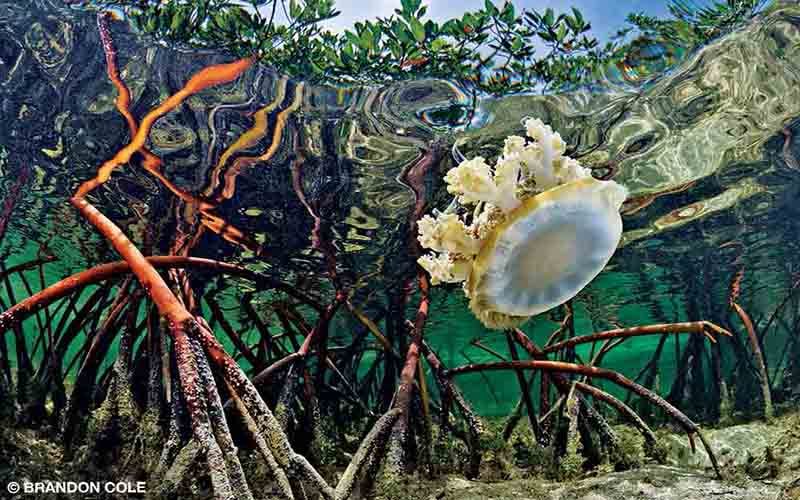
Jellyfish are fascinating creatures with very interesting life cycles. Jellyfish populations throughout the world can teach us a lot about climate change and changing environments. Learn more about jellyfish.
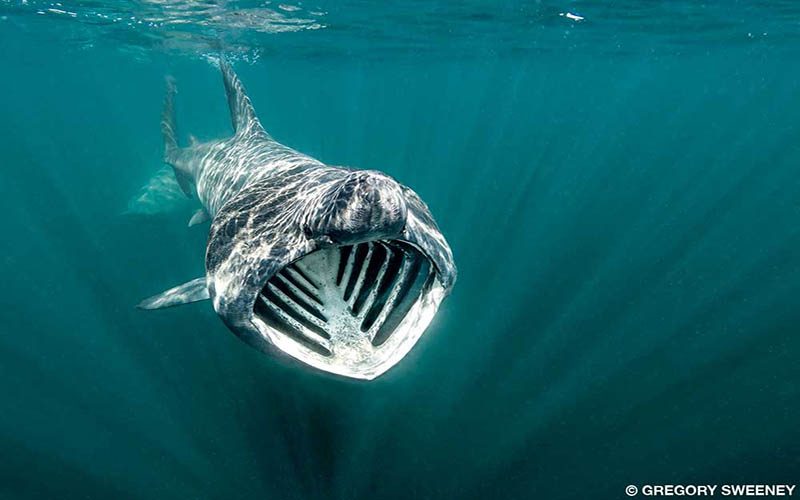
The basking shark is the world’s second-largest fish. They have large gaping mouths which are used to skim the plankton-rich surface of the water. Basking sharks are slow and populations have been declining.
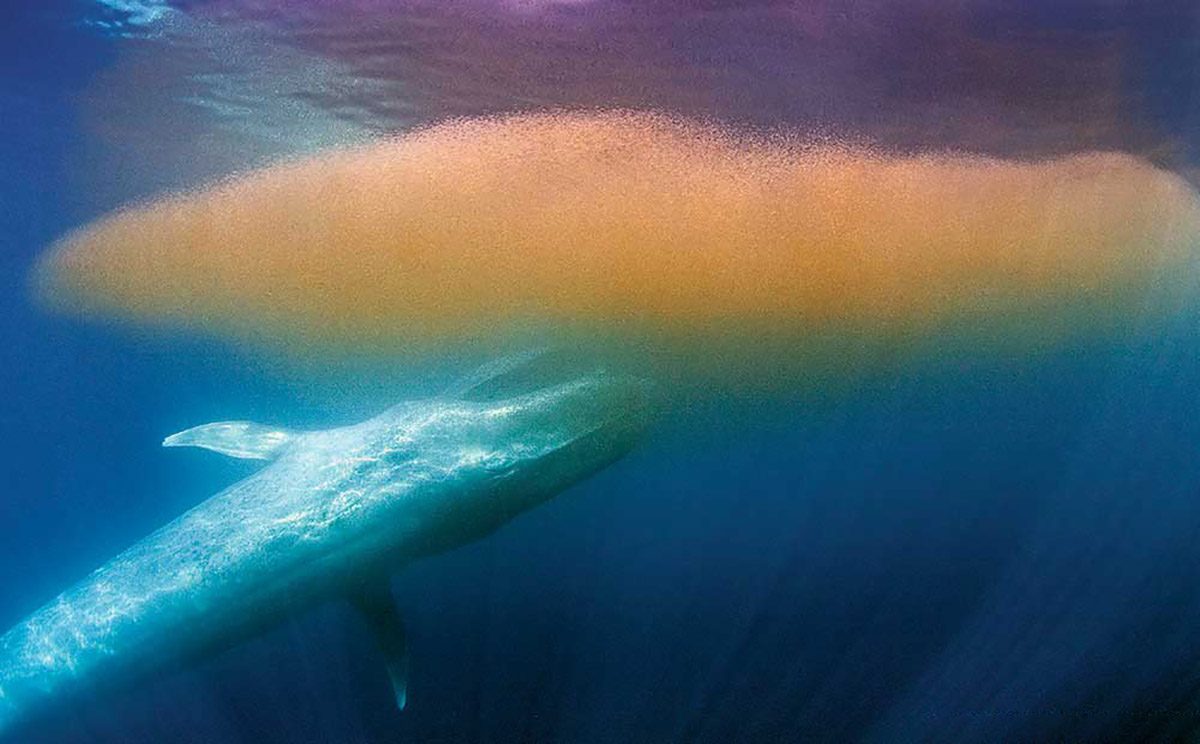
Krill are a critical food source for a host of animals, including birds, whales, seals, sharks, fish and squid. Like many other marine animals, the blue whale depends largely on krill for survival. Protecting krill populations will promote not only the survival of a huge variety of marine life but also preserve krill sightings.
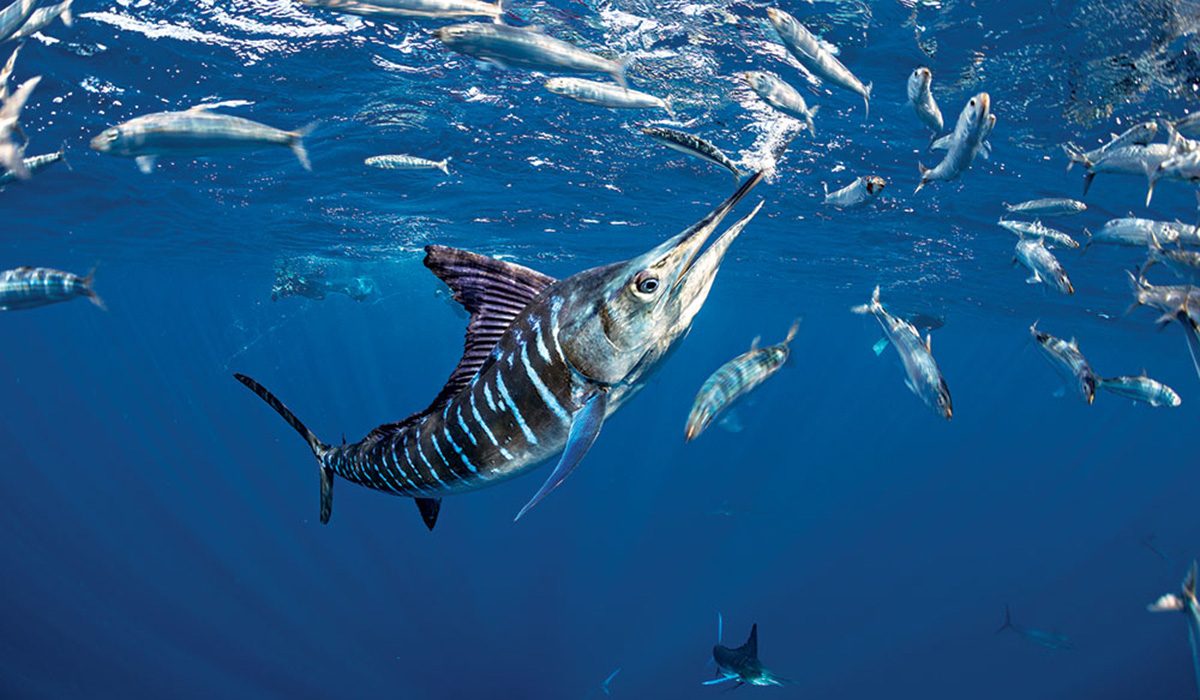
Striped marlin can swim thousands of miles and are found in vast tropical and subtropical oceans. They feed on fast-moving prey and are highly migratory.
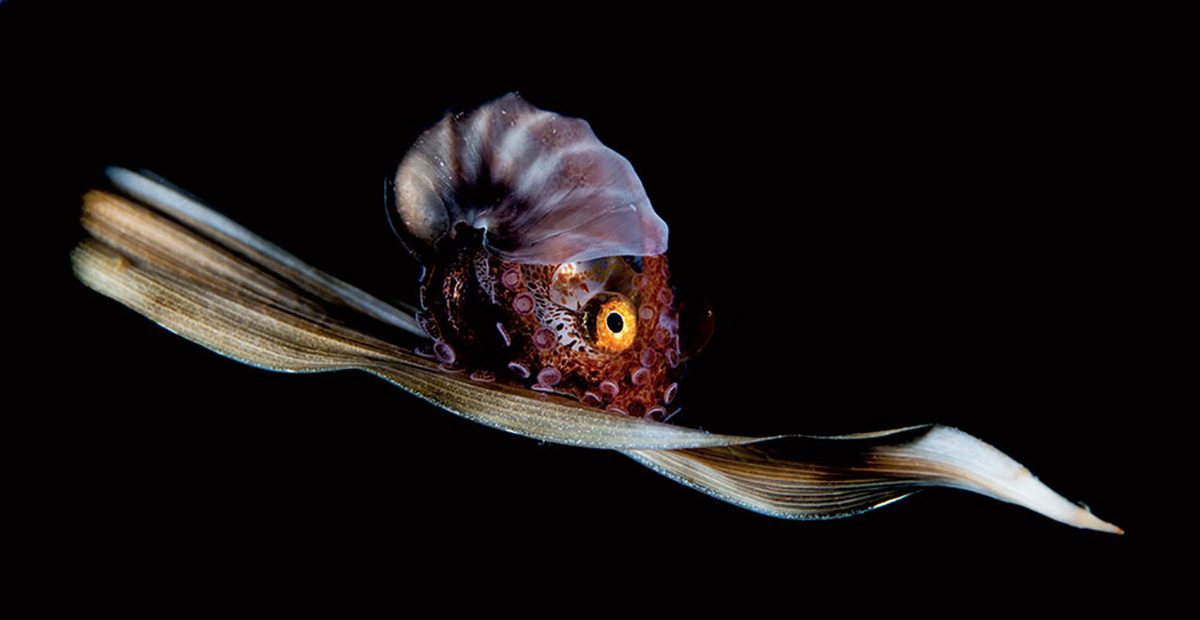
The paper nautilus is a pelagic octopus in the family Argonautidae. Researchers disagree about the number of distinct extant species. Nautiluses can quickly jet-propel themselves through the water, making it difficult to photograph them.
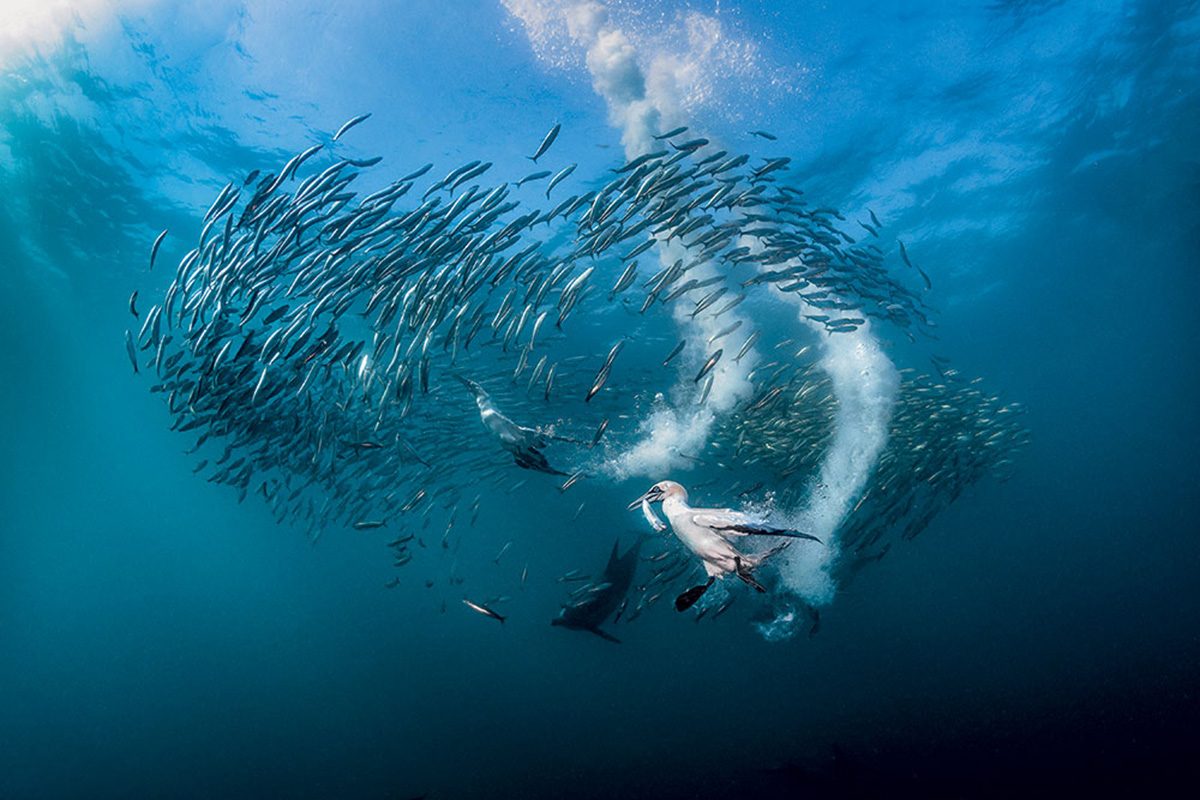
Flying and encircling birds often act as beacons to what underwater predators and creatures could be below. Learn a geographic location’s bird species to gain a better understanding of a locale’s marine life.
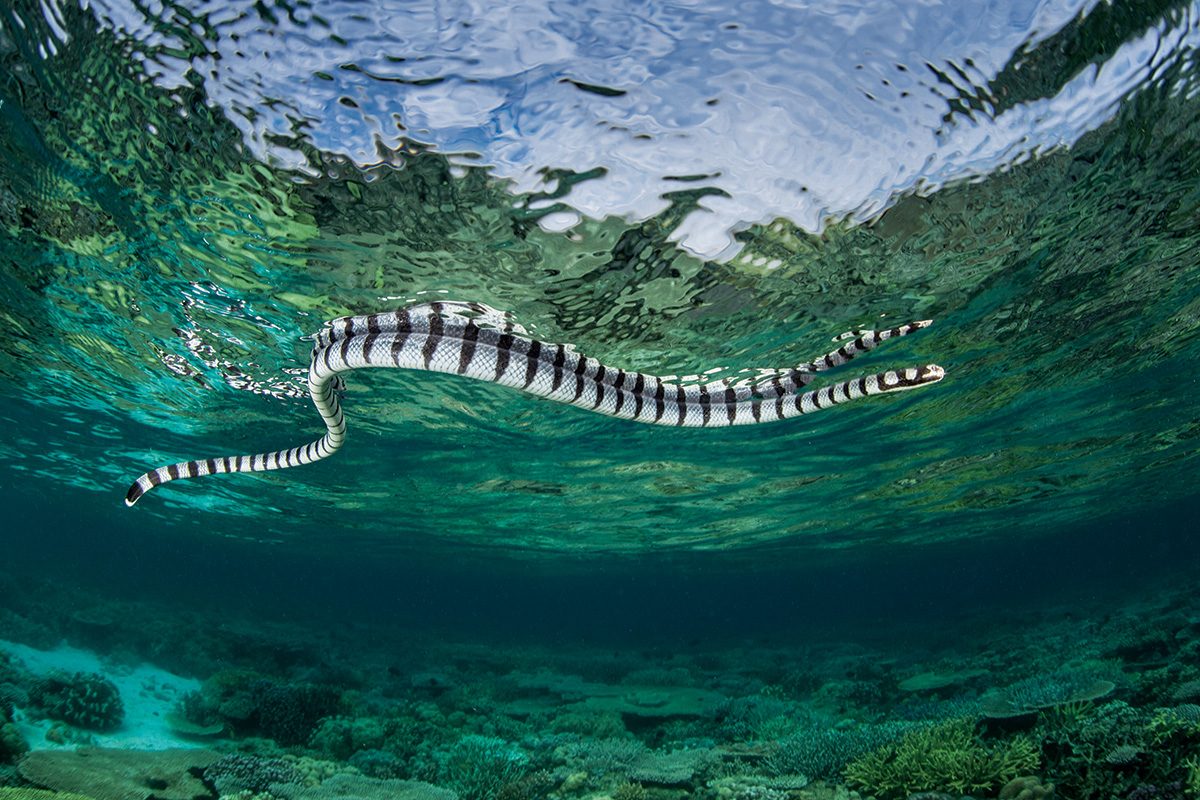
First seen in the geologic record from approximately 167 million years ago, snakes now live on much of the planet, but very few of the more than 3,000 known living species are venomous. Sea snakes evolved much more recently and are the result of remarkable mutations, adaptations and repeated invasions into the marine world by terrestrial snake ancestors. The seas are home to more than 60 species of sea snakes that swim and hunt amid warm, shallow coral reefs, estuaries, seagrass beds, mudflats and open waters.