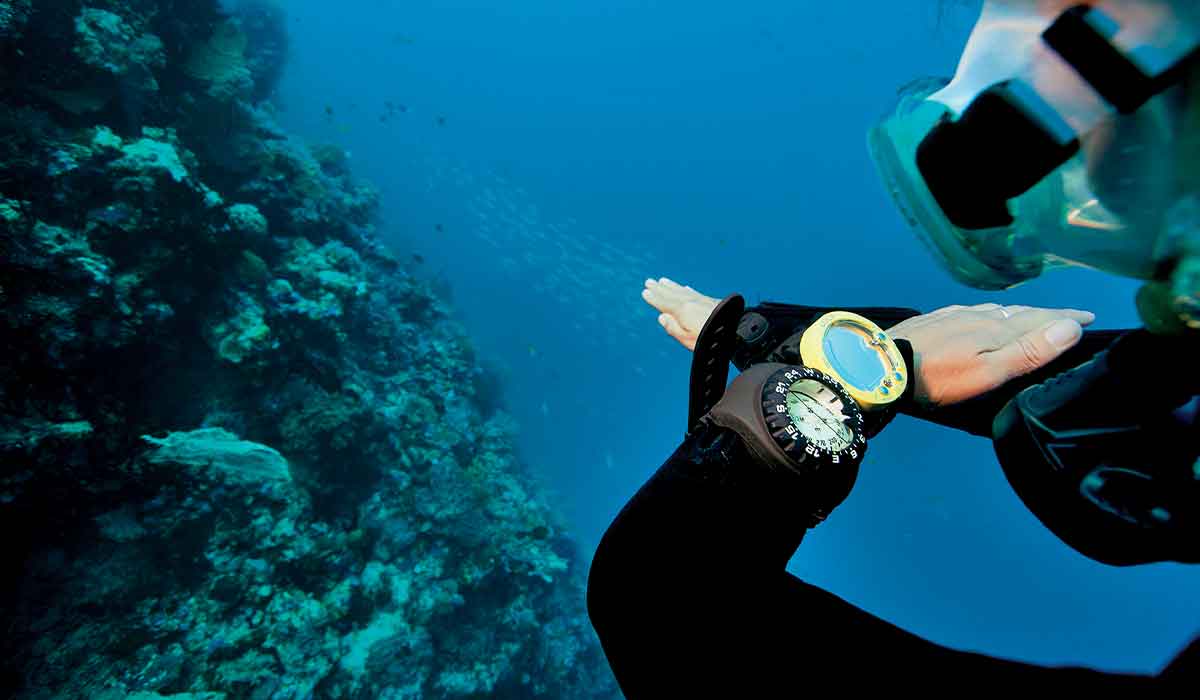
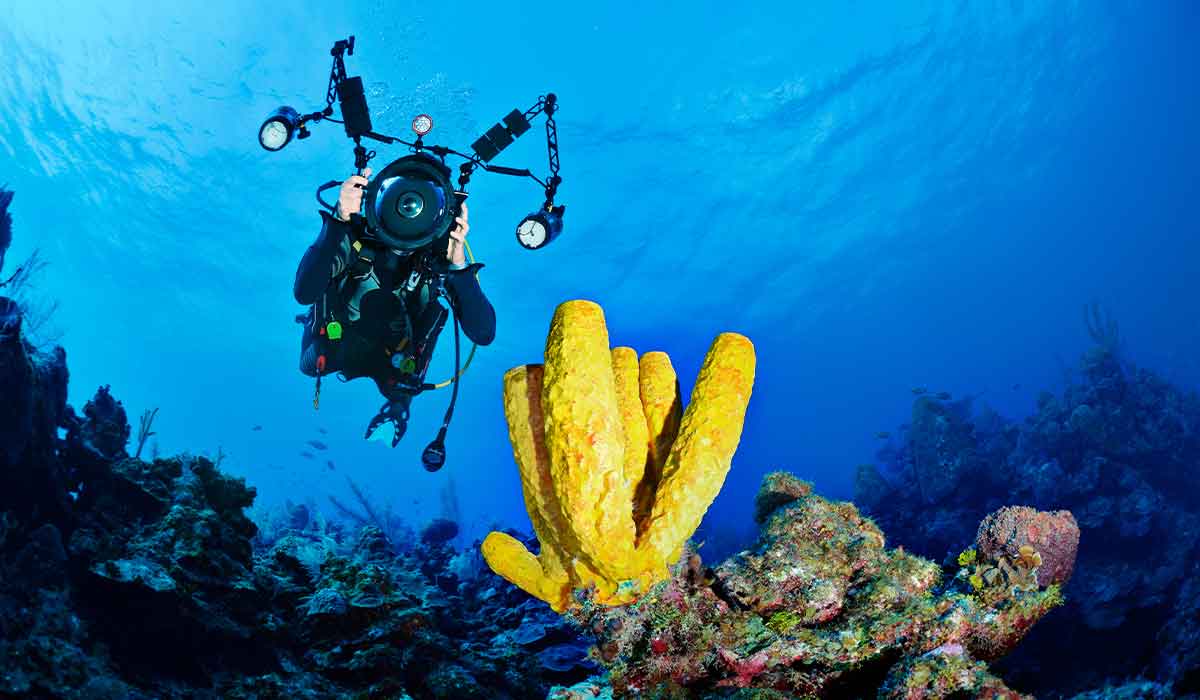
How comfortable are you with underwater navigation? Do you prefer a compass or your innate sense of direction? Regardless of which method you choose, learn more about proper underwater navigation. Never get lost in the water again!
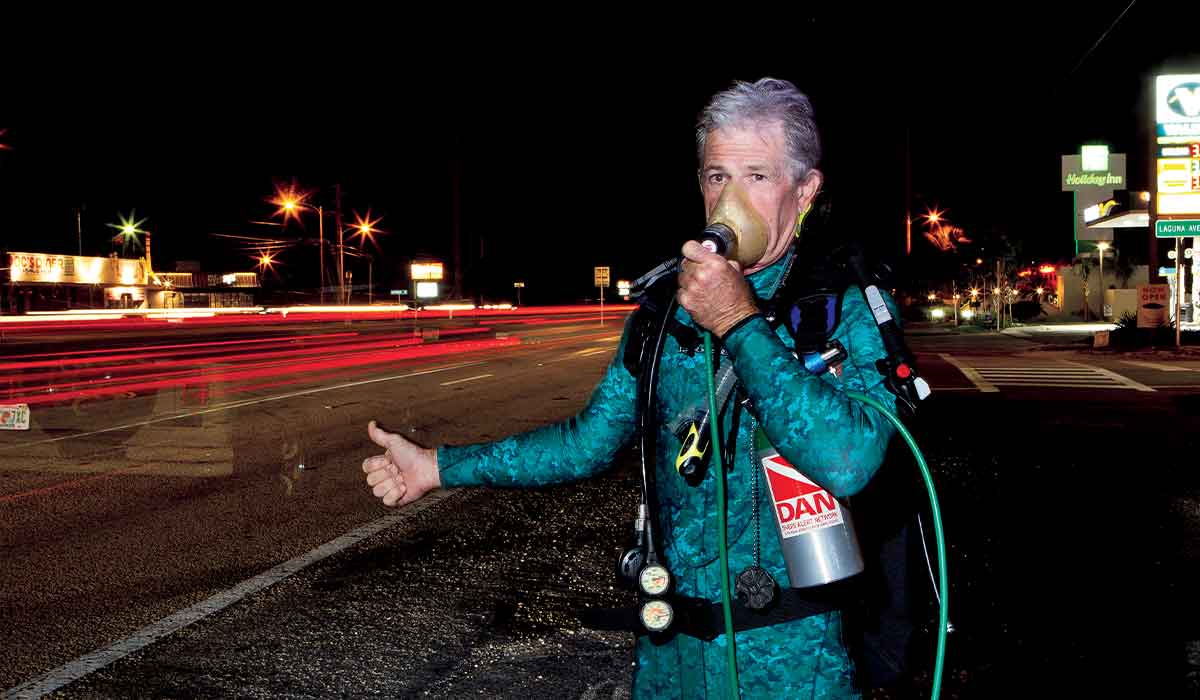
Recompression is idly given within minutes of decompression illness symptoms. But that often can’t happen because of a number of factors. Experts weigh in on recompression delays.
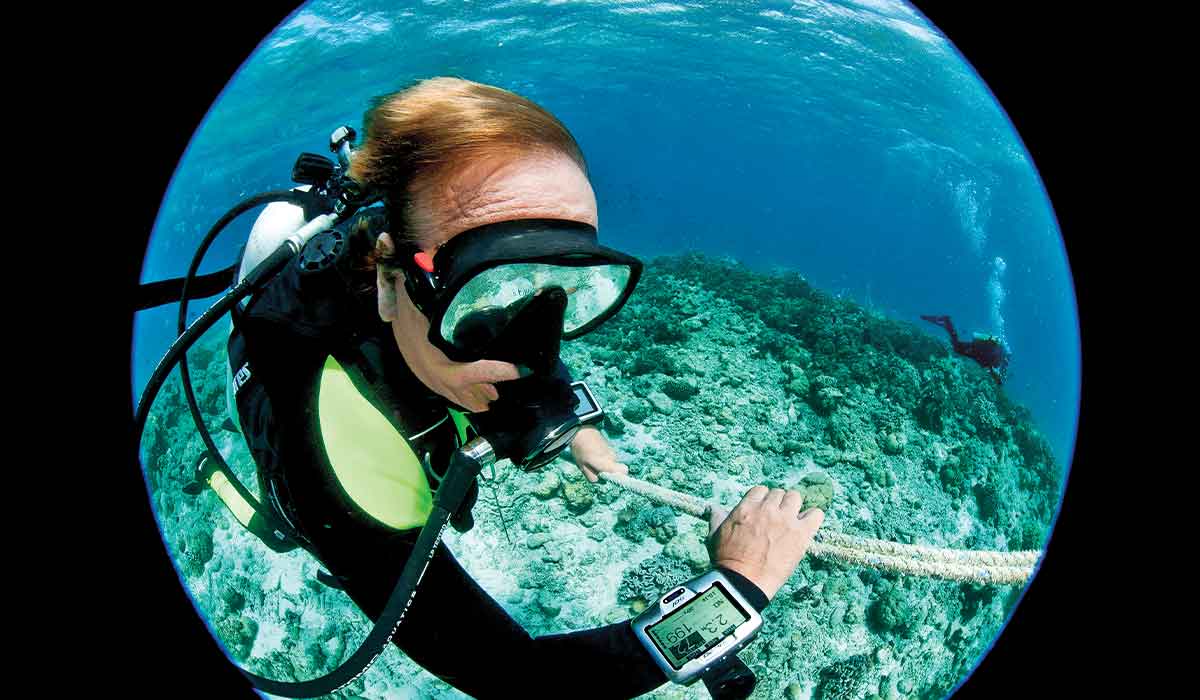
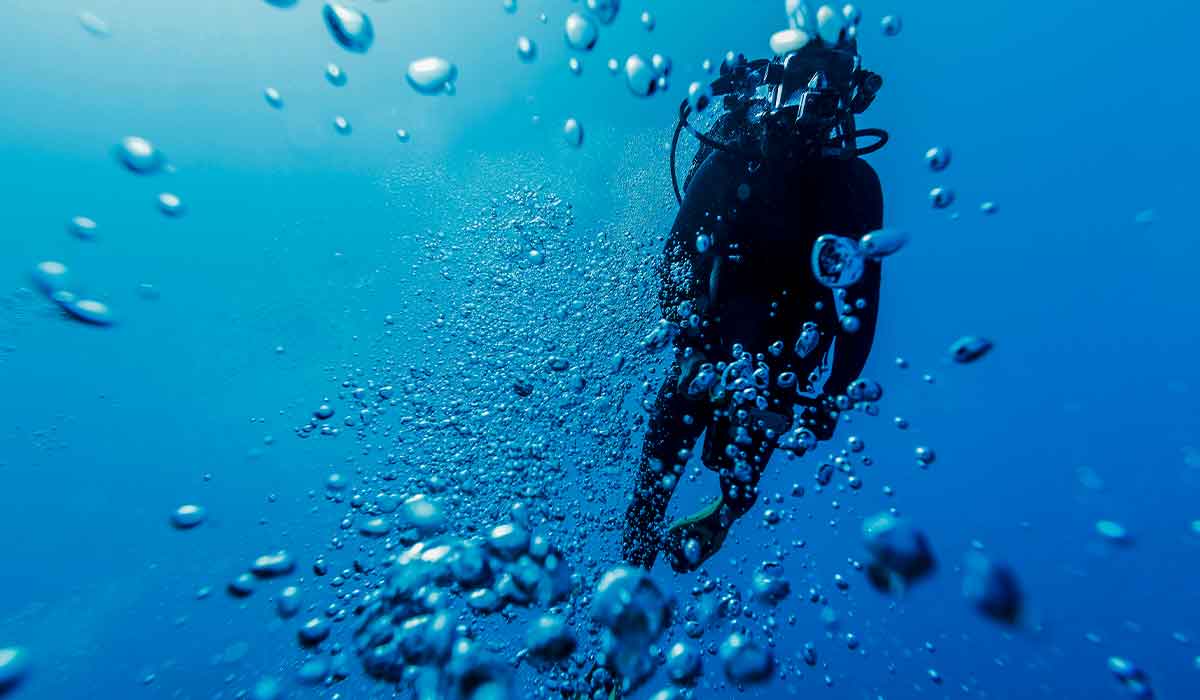
Ascent rates are influenced by different variables, but nearly all exerts agree that divers should keep slow ascent rates to avoid any complications. Read more about ascent rates.
Papua New Guinea is home to exotic and colorful birds, culturally rich indigenous tribes and fantastic diving. Learn more about what Papua New Guinea has to offer.
Two DAN members share their stories of separate field trips going array and how their safety training skills were incredibly helpful.
Cocos Island boasts a rocky shoreline, plenty of marine life encounters and other wonders divers love. Learn more about Cocos Island and how to dive it.
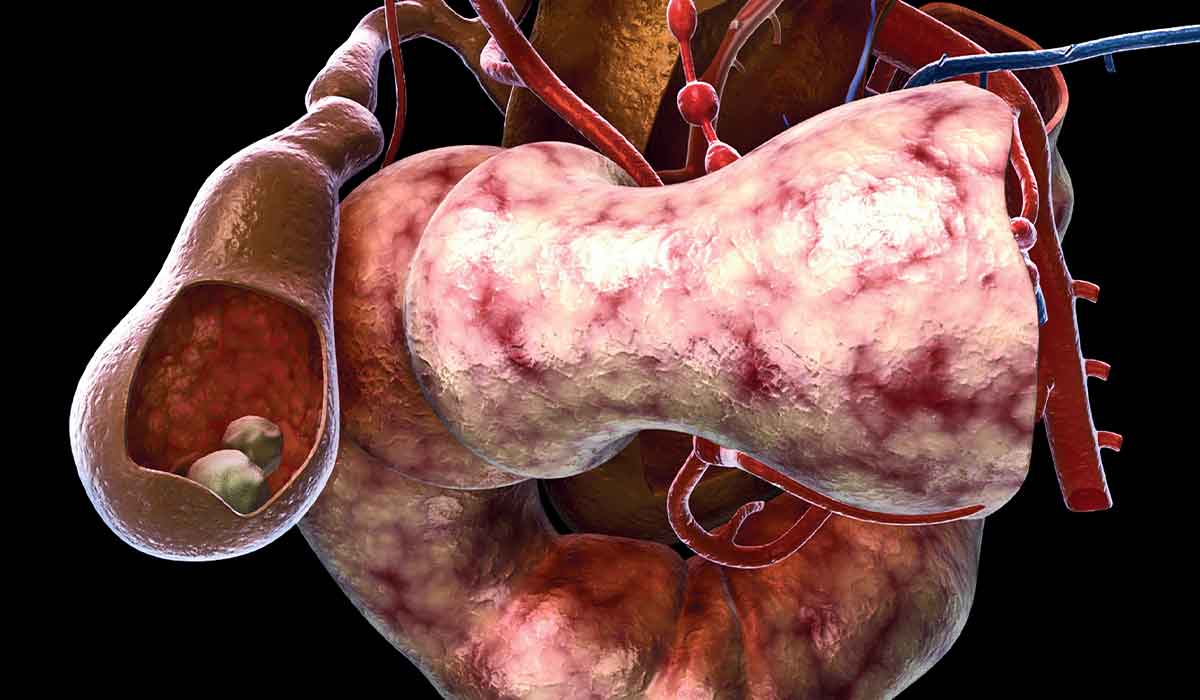
From gallstones to internet readings, here what DAN medics have to say about these topics and more. They answer your questions.
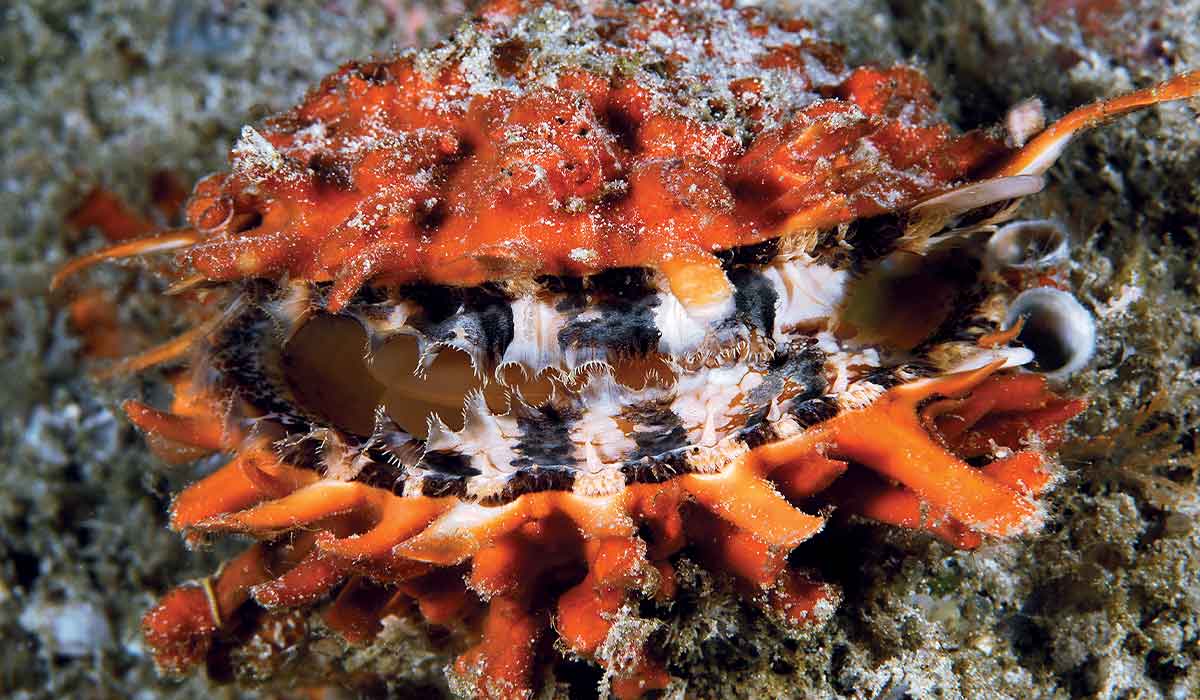
Coral reefs are important in drug research as compounds in marine life could inspire new drugs and medications. These discoveries could fuel breakthroughs in AIDs/HIV research, for example. Read more about reefs and drugs.
Decompression illness (DCI), which includes both AGE and DCS, is not always predictable with regard to when and to whom it occurs. It can be equally difficult to predict with regard to recovery.
DAN is your “dive safety association” and recently reviewed accumulated fatality data and conducted a wide-scale analysis. Read more about the analysis and the findings.