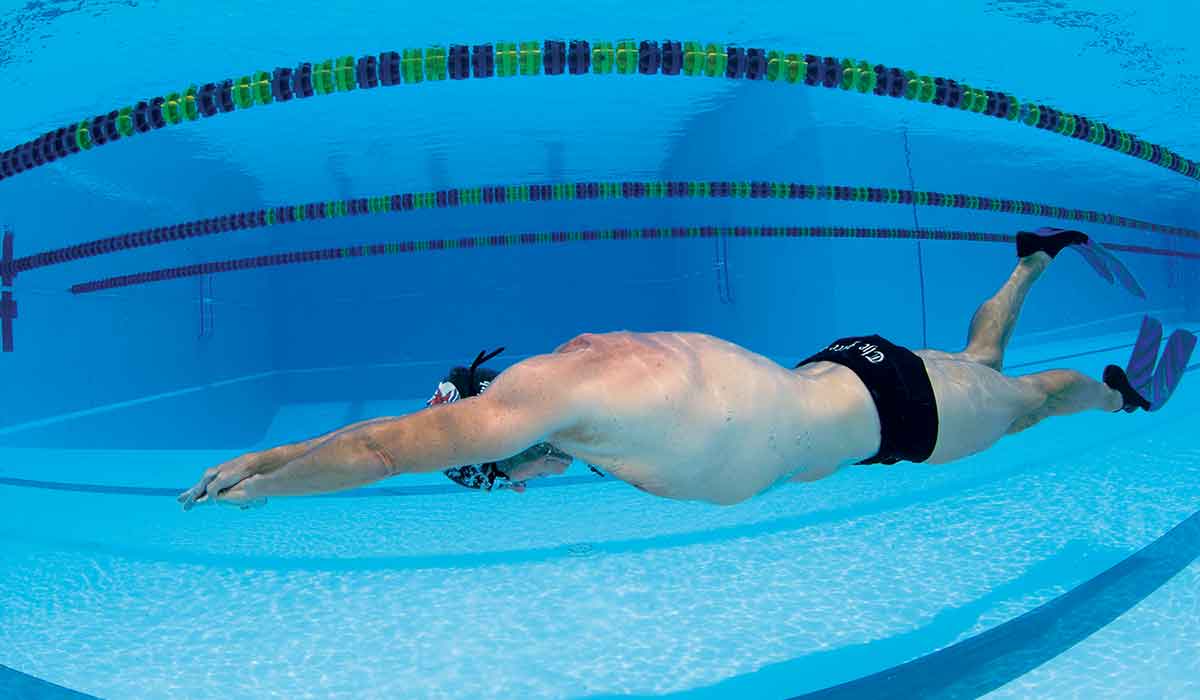
Scuba Rejuvenation
Scuba diving can be incredibly rejuvenating and rehabilitating to veterans wounded in duty. Read more about a program that focuses on teaching veterans this sport.
Scuba diving can be incredibly rejuvenating and rehabilitating to veterans wounded in duty. Read more about a program that focuses on teaching veterans this sport.
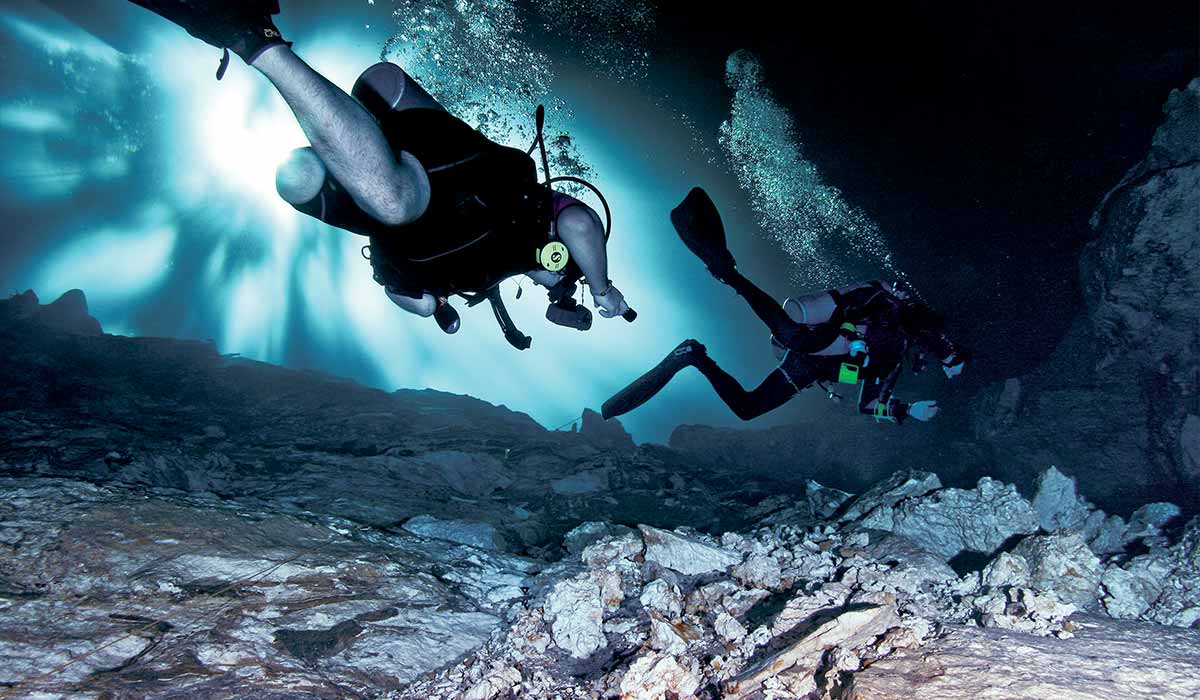
Kelp forests provide shelter to some remarkable creatures, but before diving in the kelp, you need to know what you’re up against. Learn more about kelp diving and don’t get tangled up in the facts.
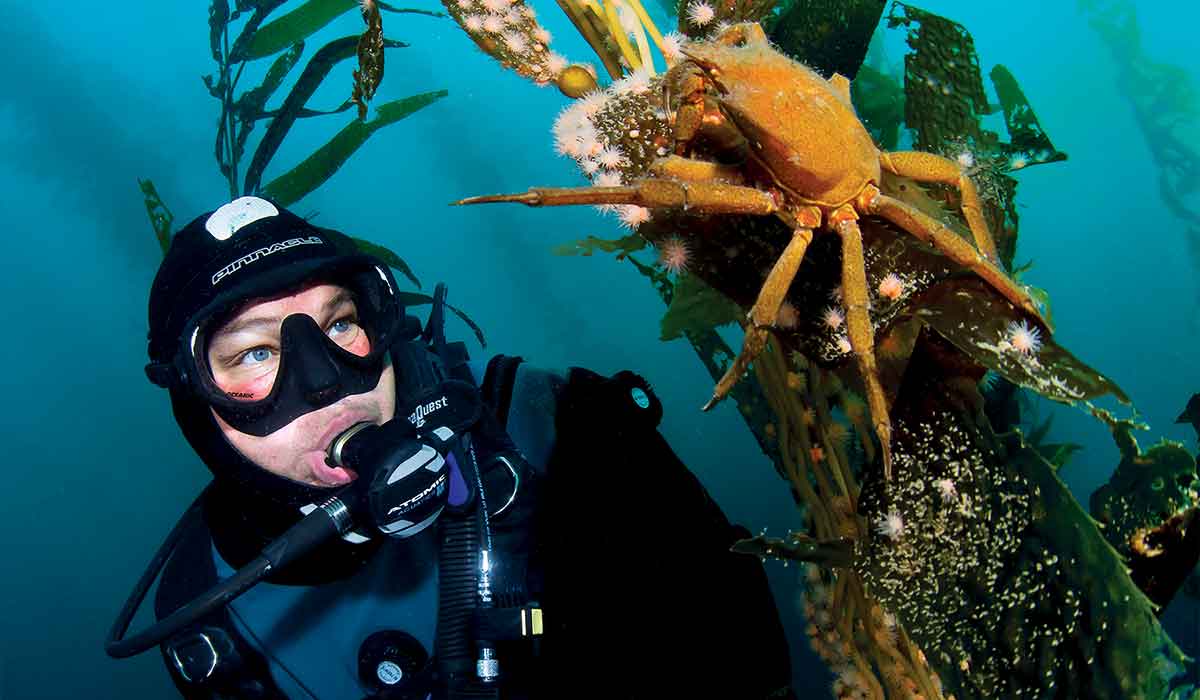
The book “Reef Fishes of the East Indies” was written by Gerald Allen and is a comprehensive encyclopedia of reef fish from a diverse region. Read more about the writing process of the book and the author.
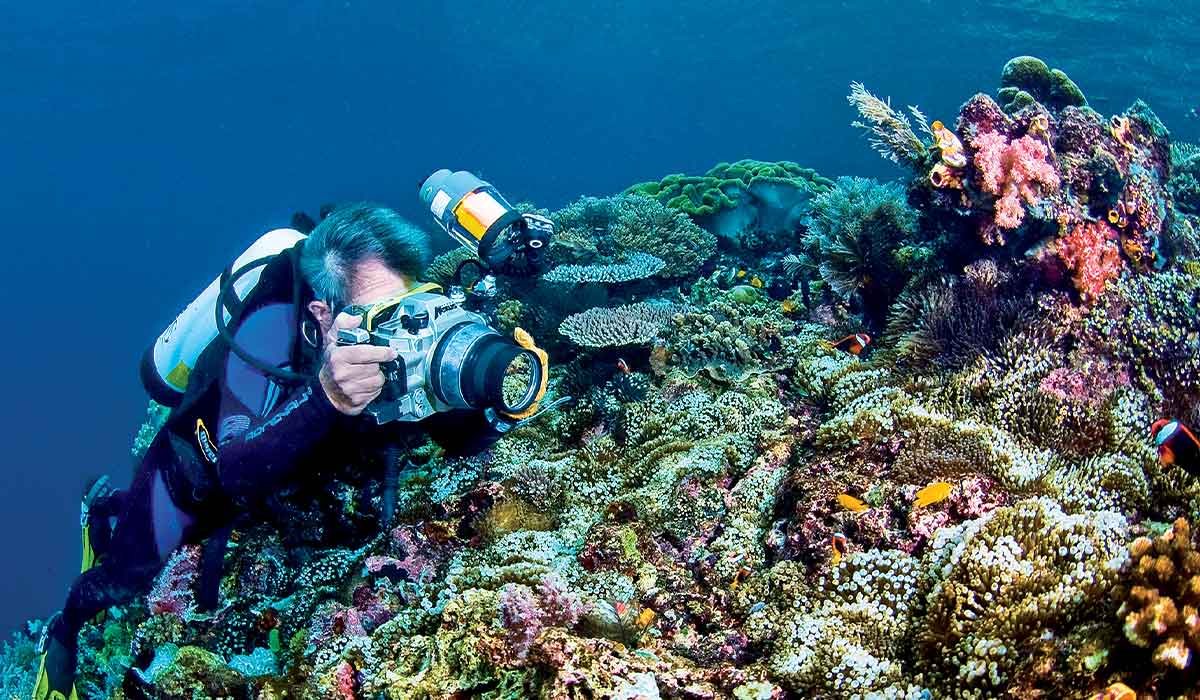
The ocean is actually quite a noisy place caused by the unique marine fauna. Read more about this marine symphony.
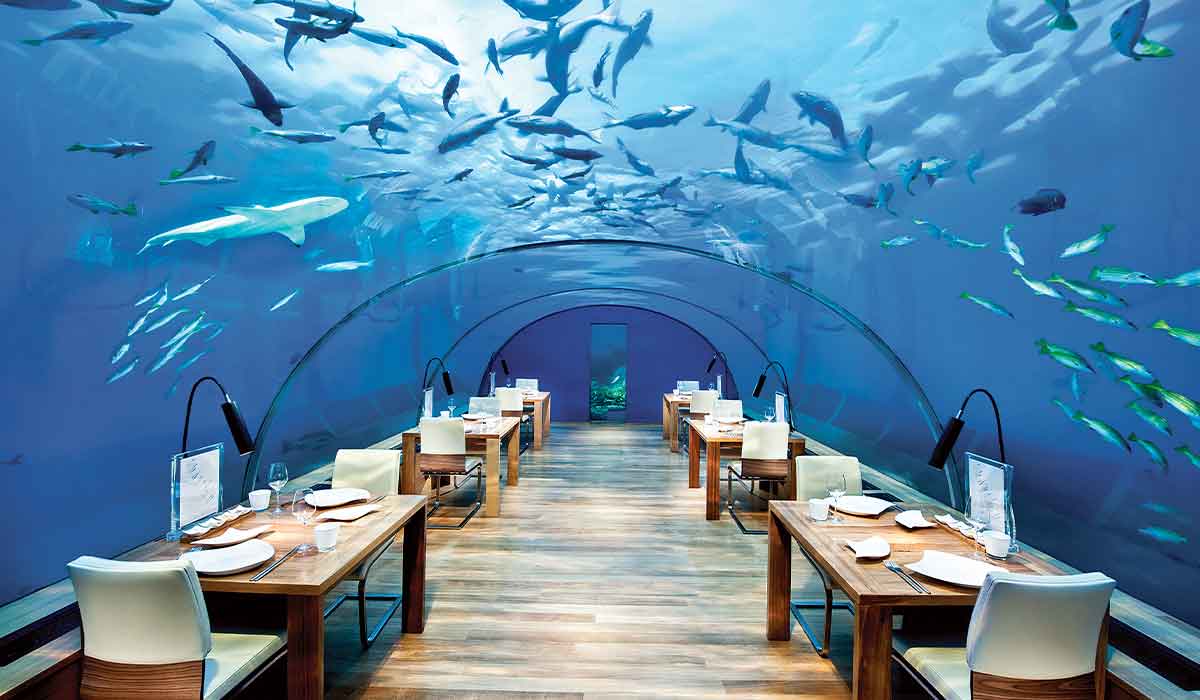
Submerged hotels or restaurants provide individuals with incredibly unique experiences. Underwater tourism connects people with marine life and is an enterprising investment.
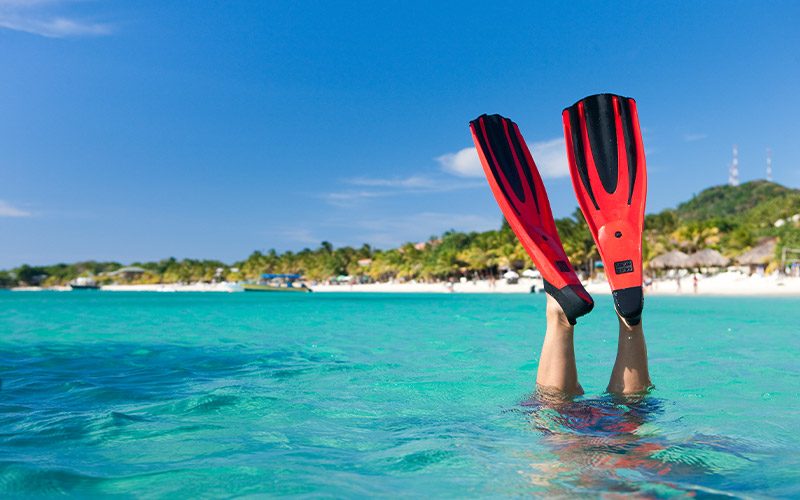
Do you know how to find the right pair of fins to fit your feet? Read our best tips on finding the right fins for you.
DAN member Ed Viesturs is an accomplished mountaineer and scuba diver. Read more about this member’s story and why he’s with DAN.

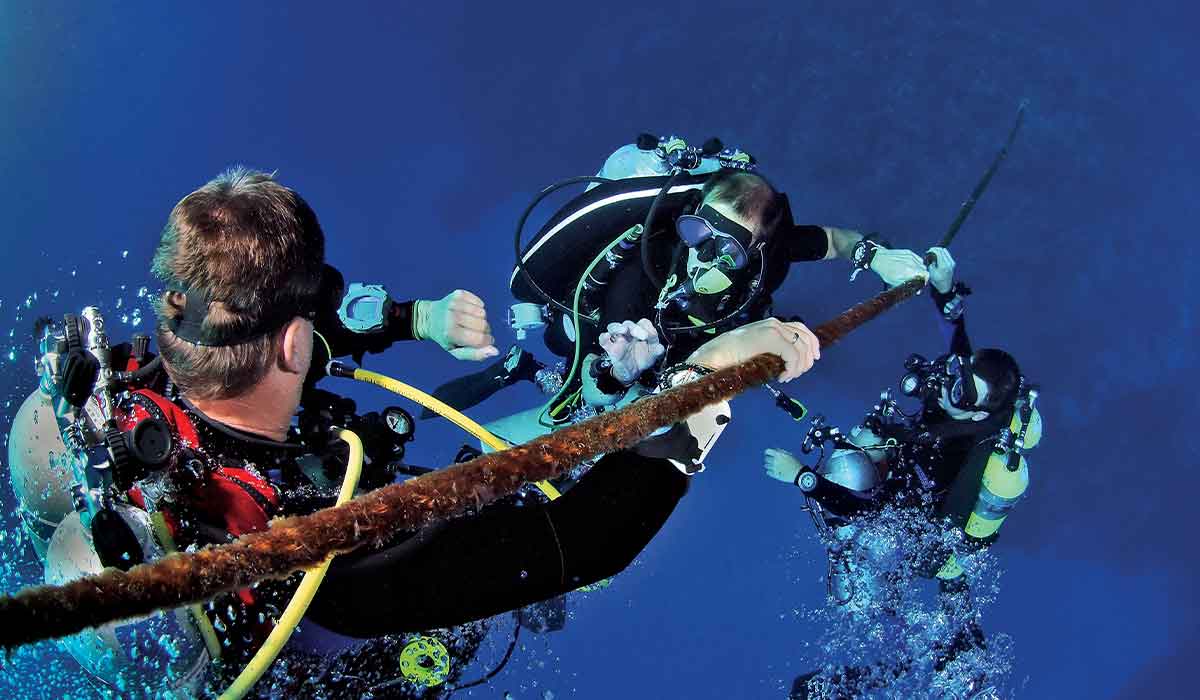
Divers have become more susceptible to stings and other injuries when trying to grasp permanent mooring lines. Learn why this has become a problem and how to manage injuries.
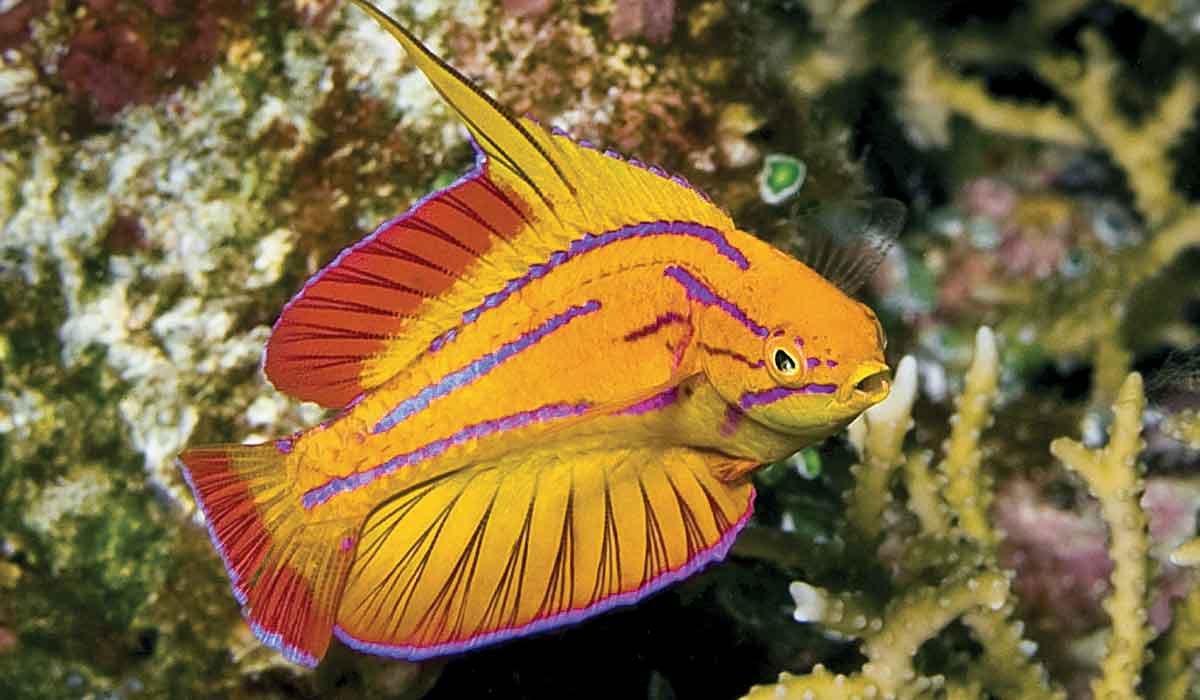
Flasher wrasses are a lesser-known group of fishes to divers because they can be overlooked. The males, for example, tiny, can mute their colors and keep low profiles. Read more about flasher wrasses.
Swimming has plenty of benefits for scuba divers, including keeping cardiovascular health in tip-top shape. Read more about swimming for scuba divers and glean an example pool workout.