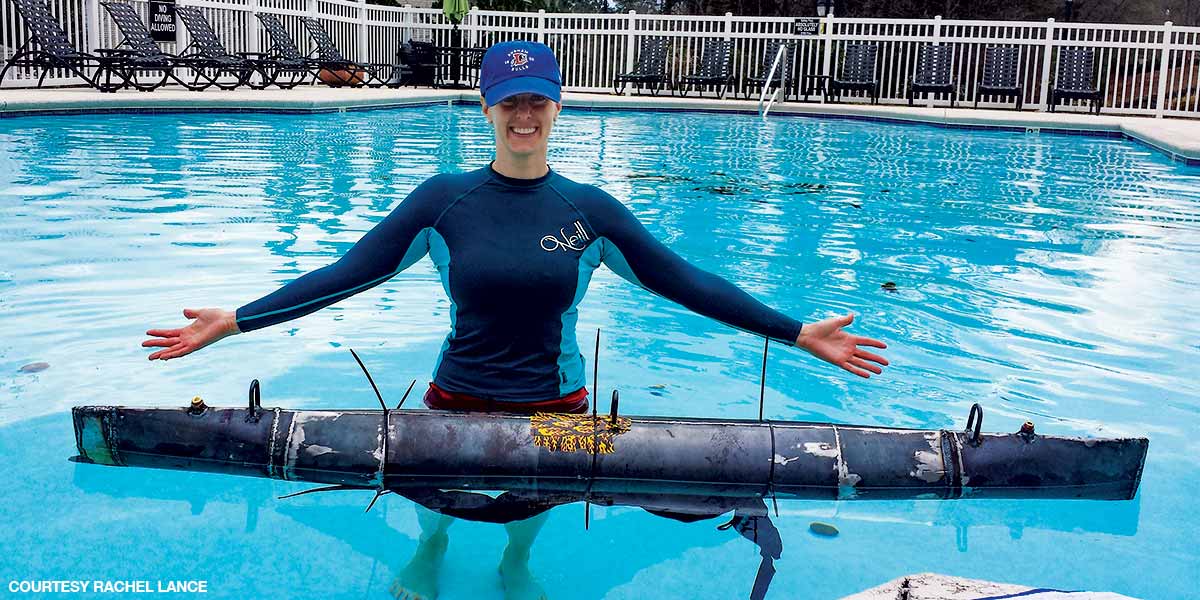
In her work, Rachel Lance, Ph.D., focuses on extreme environments, particularly the effects of explosions. “The human body is fascinating, especially when it fails,” she says. “We are not naturally equipped to survive in a deep underwater environment, so I am fascinated with the idea of finding ways to do so anyway. Perhaps it’s my naturally rebellious side.”
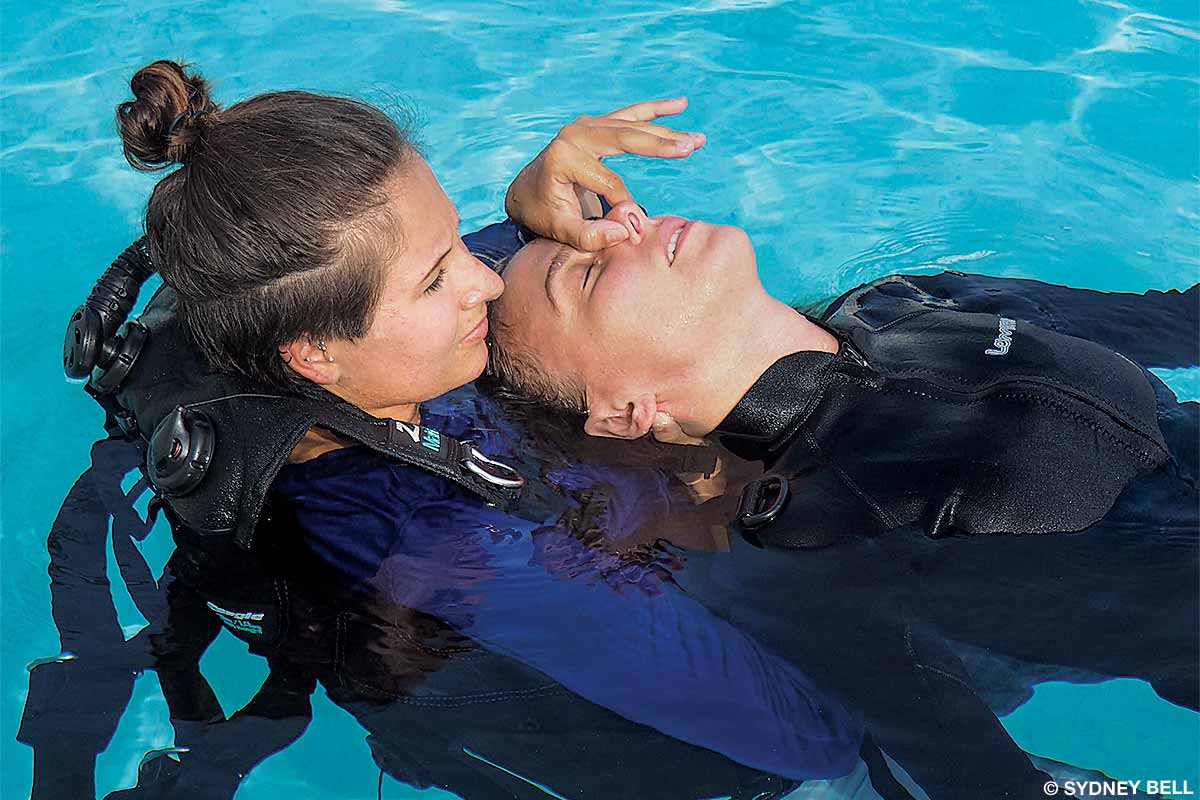
The required skills in a rescue scenario — which involved a surface swim while providing rescue breaths and removing dive gear from the victim and rescuer — were not coming easily, especially if my dive buddy was larger than me. Techniques for rescue diving seemed suited for people with a different body type and skill set — at 5 feet, 4 inches tall, I am a petite woman. Practicing rescues was challenging at best and near-impossible at worst until a course director taught me techniques and modifications that made rescuing more accessible.
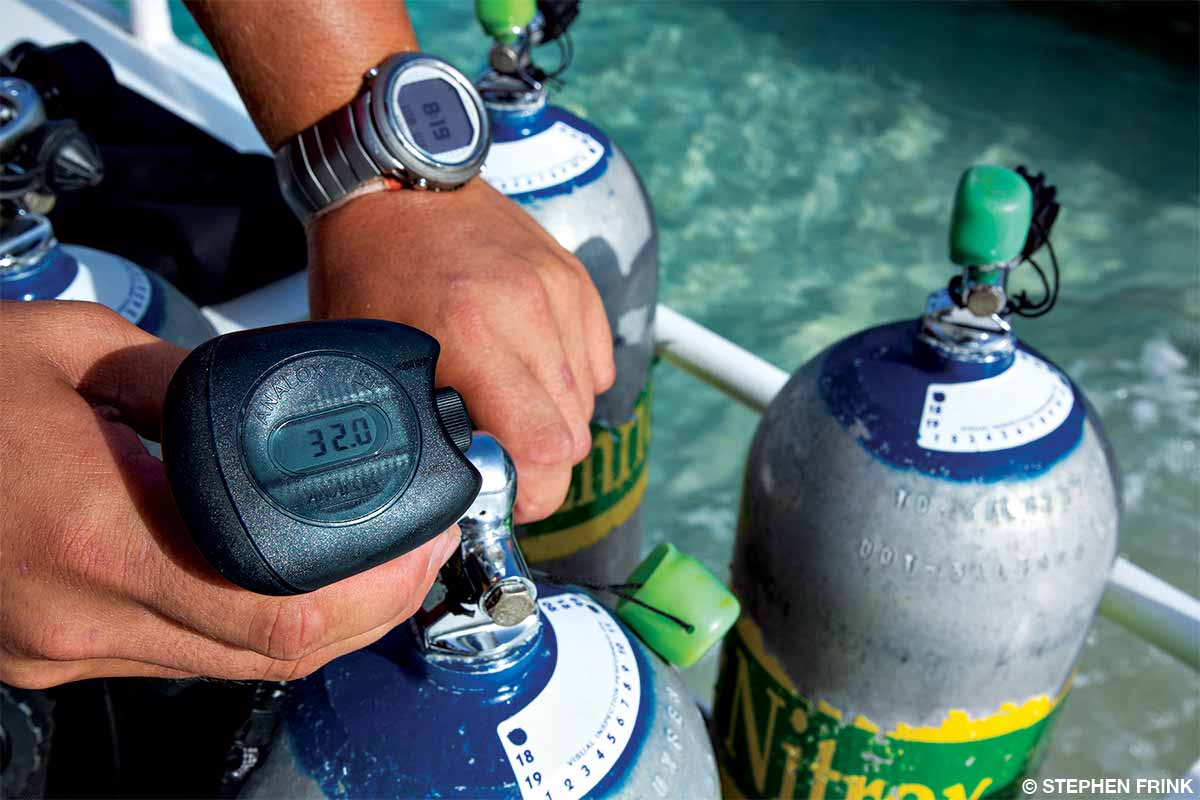
After cylinders first enter service, an annual visual inspection and a five-year hydrostatic test are required. These requirements include cylinders used for diving and other life-support applications and cover breathing air, nitrox, heliox, trimix, oxygen for decompression and argon for drysuit inflation. How are these standards mandated and enforced? What are good and safe practices?
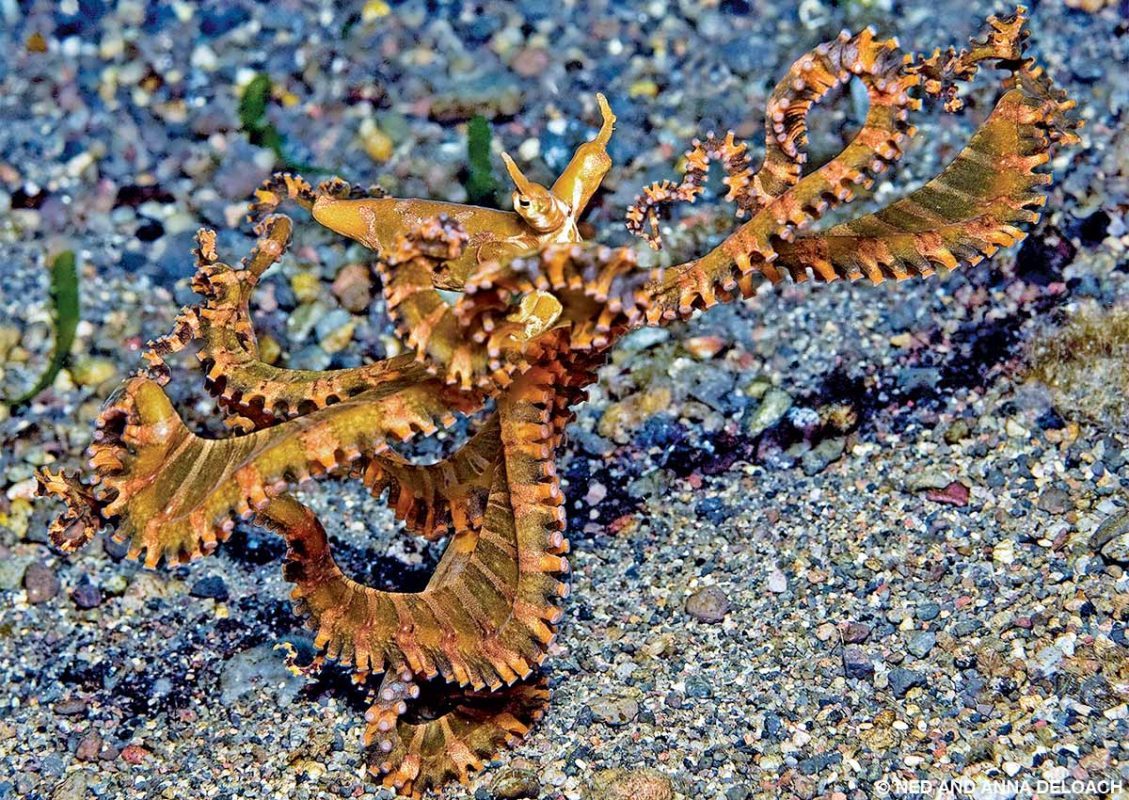
In 1995, when we first explored wunderpus territory, which overlies much of the Coral Triangle, the then-undescribed octopus’ fame had spread far and wide. The newly sensational creatures attained much of their acclaim for dancing like dandies across sandy seafloors on eight unimaginably limber arms — an eye-popping feat of acrobatic dexterity well worth traveling halfway around the world to see.
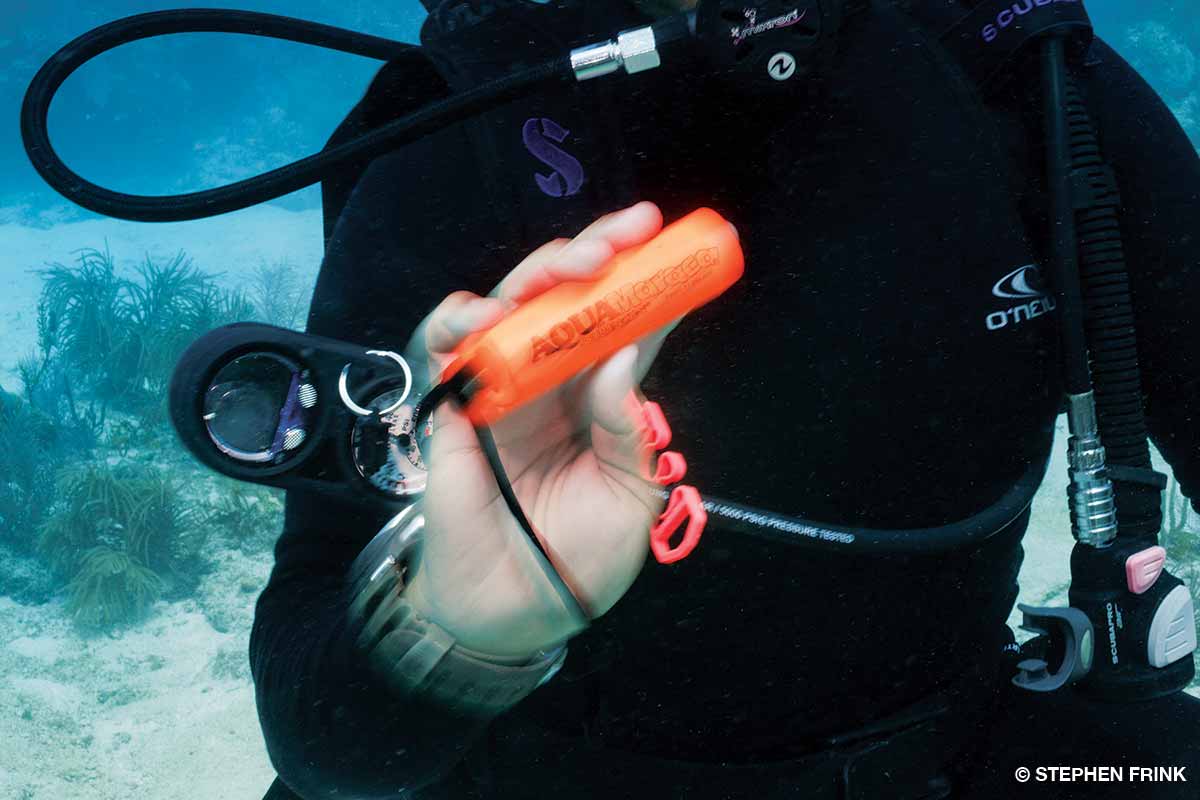
Audible cues and signals can get your buddy’s attention, signal a group of divers or indicate a problem you can help address. Even though we may dive to escape the noise of everyday life, we need to pay attention to the sounds around us. Doing so could make your dive even more special because your buddy got your attention to see something remarkable — or you may even save a life.
The current wrapped the line around my ankle and tighten like a noose. My 30-cubic-foot safety cylinder should have provided plenty of oxygen to complete my decompression stops, but I hadn’t closed the valve after charging it, so the current rushing past the mouthpiece purged the tank. I was now trapped 20 feet beneath the surface with nothing to breathe and no one aware of my peril, hoping that my mistakes with the line and my breathing gas wouldn’t be my last.
Underwater photographers sometimes refer to the narrow water zone where a subject splits the surface as the Plimsoll interface. Opportunities abound here for dynamic shots achieved by angling the camera above or below the waterline. The dedicated and creative underwater photographer can capture traditional over-under split shots with a standard straight meniscus and dramatic reflections from below of the subject, the sunlight or both as part of a modified split shot or a fully underwater picture.