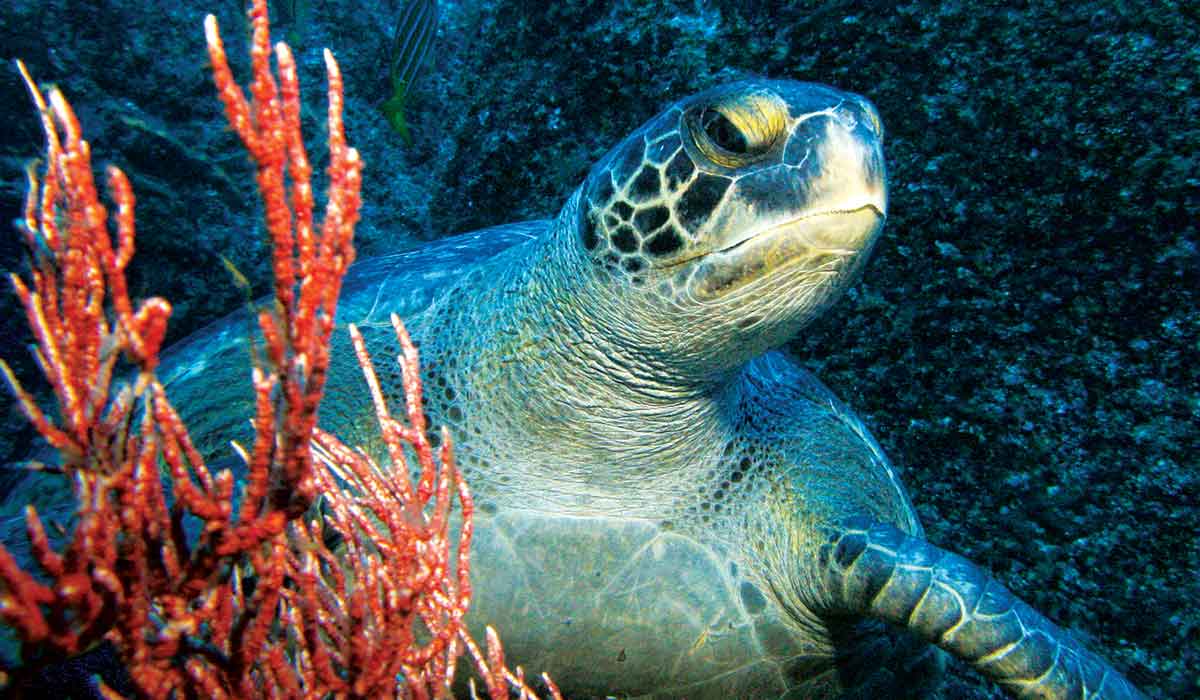
Seeing the Reef in a New Light
Fluorescence night diving enables divers to observe marine life in glowing colors often invisible to the naked eye. Read more about this night diving technique and how fluorescence works.
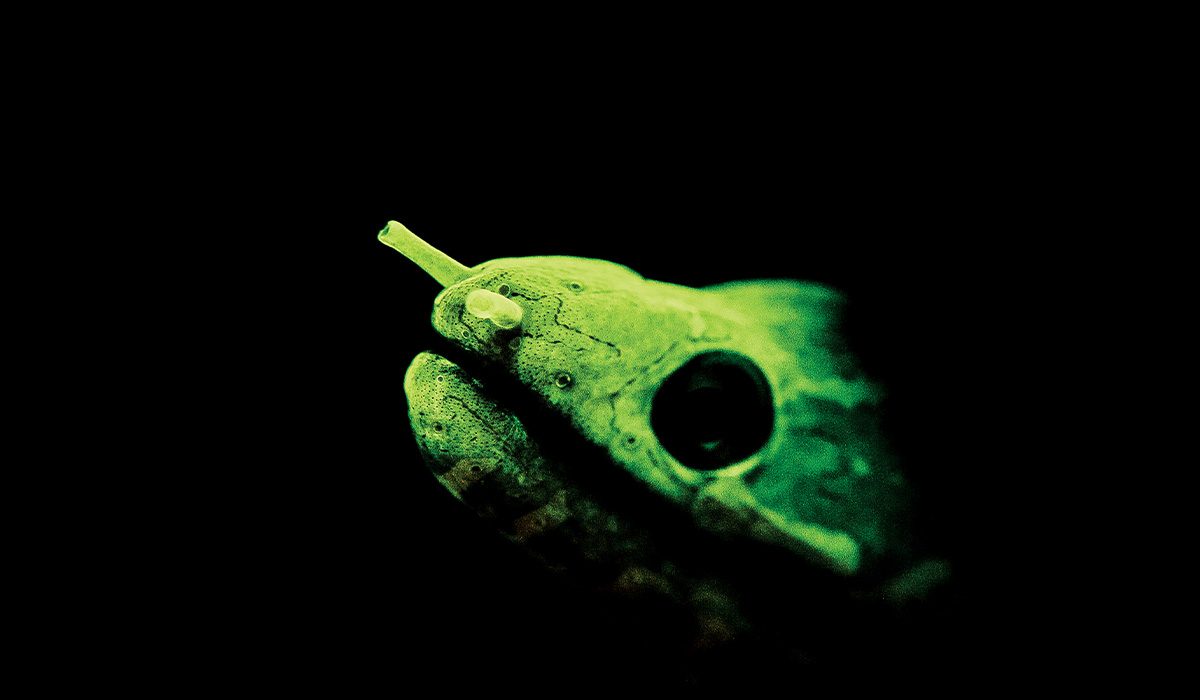
Fluorescence night diving enables divers to observe marine life in glowing colors often invisible to the naked eye. Read more about this night diving technique and how fluorescence works.
A culture of dive safety promotes the sport and improves the overall dive experience. Our experts discuss a dive safety culture and its promotion.
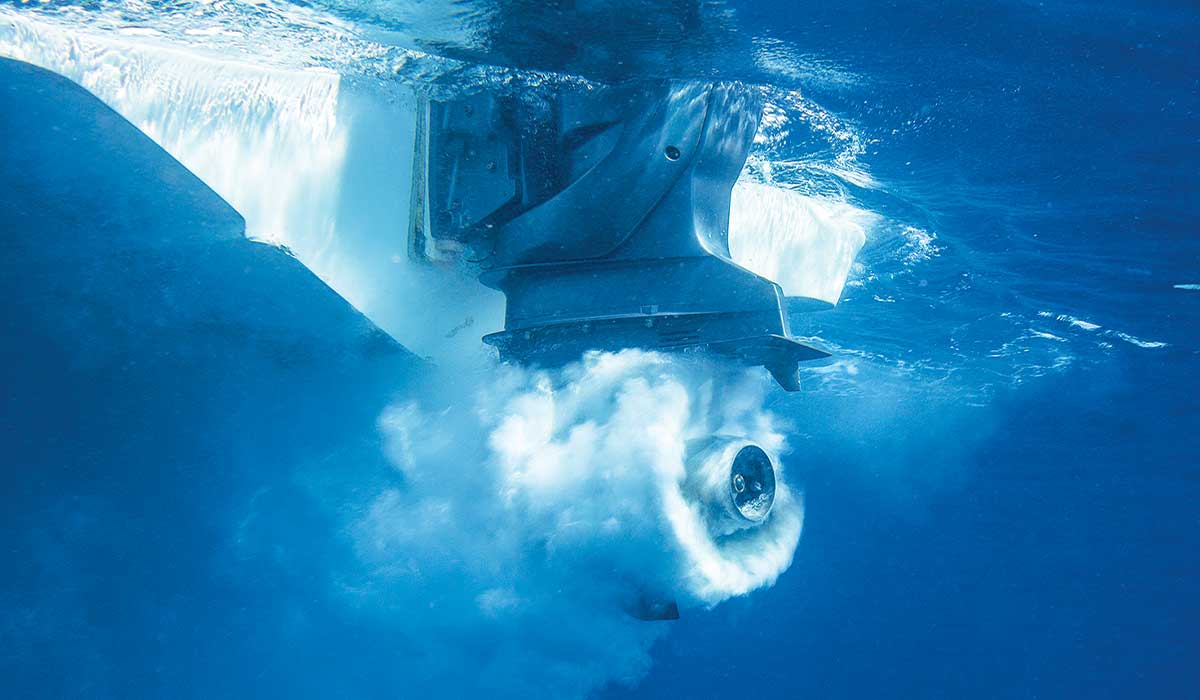
Propeller trikes happen to divers and the injuries are brutal. Read more about propeller safety, tools, research and more to prevent these nasty injuries.
The Bahamas is vast — with 100,000 square miles of oceanic wilderness. Four photojournalists chronicle their adventures in the Bahamas.
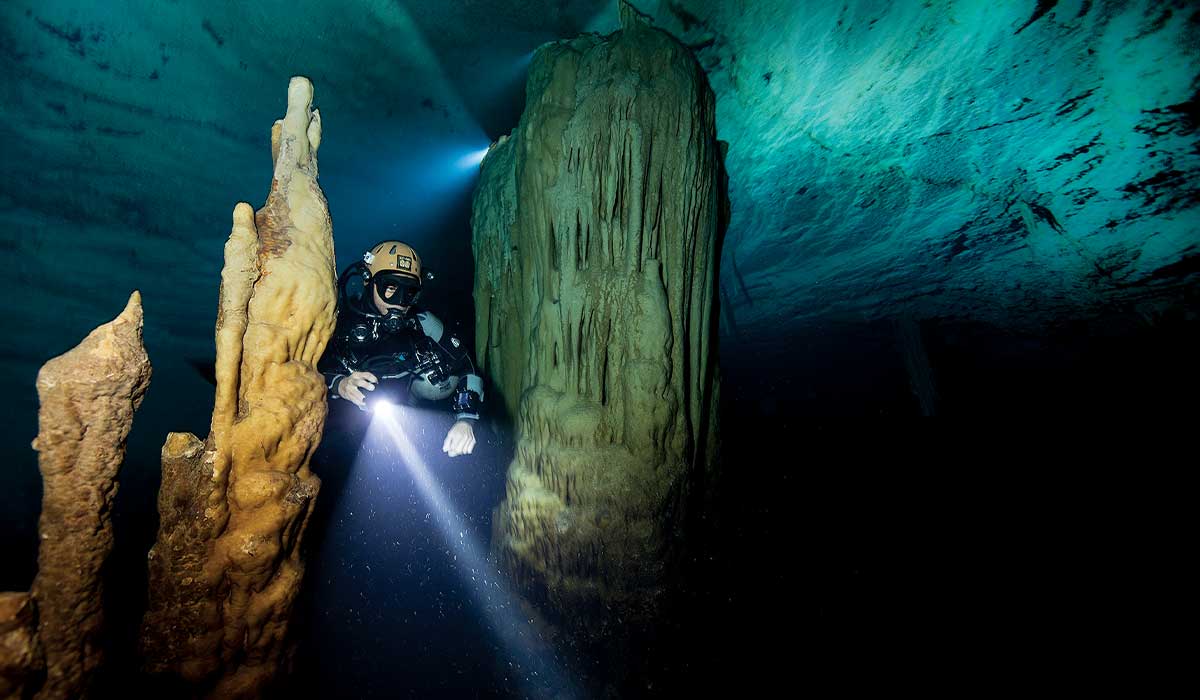
The Blue Lagoon in Texas is a great place for divers to train. In the water, two divers sprang into action to help a diver with shortness of breath. Read more about how their emergency skills paid off.

The Florida Keys is a magical dive destination. Two seasoned divers take their grandson to the Keys for his first dive trip. Read more about their massive exploration of the Florida Keys.
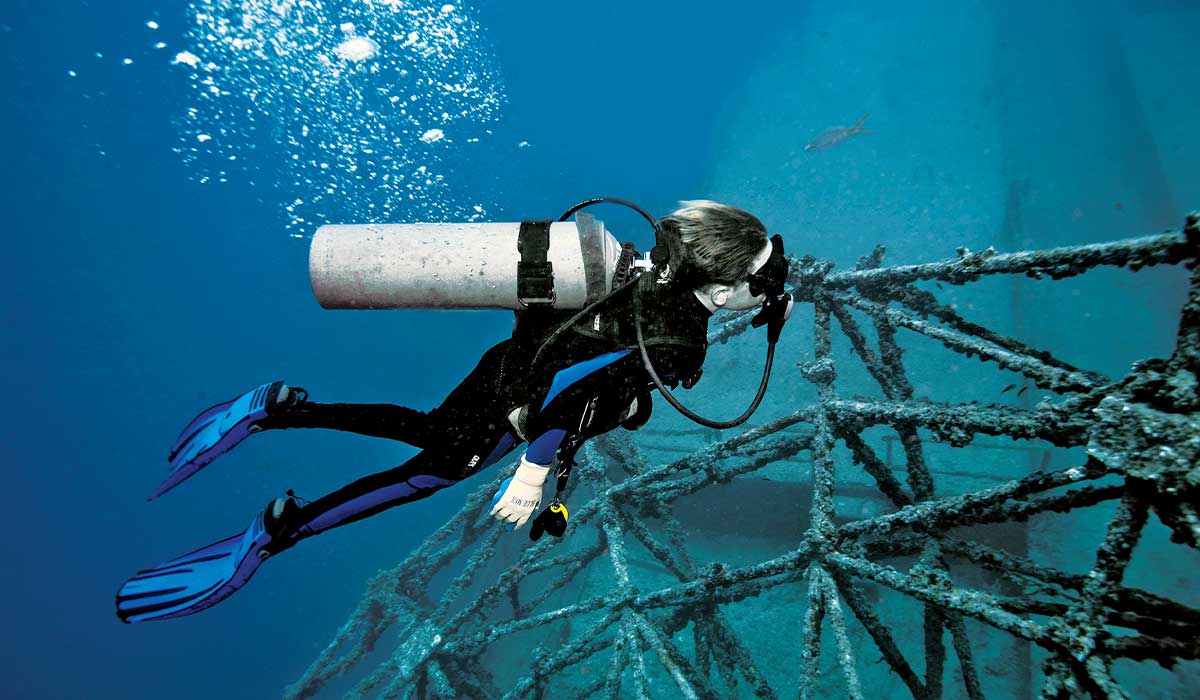
DAN medics and researchers answer your questions about dive medicine.
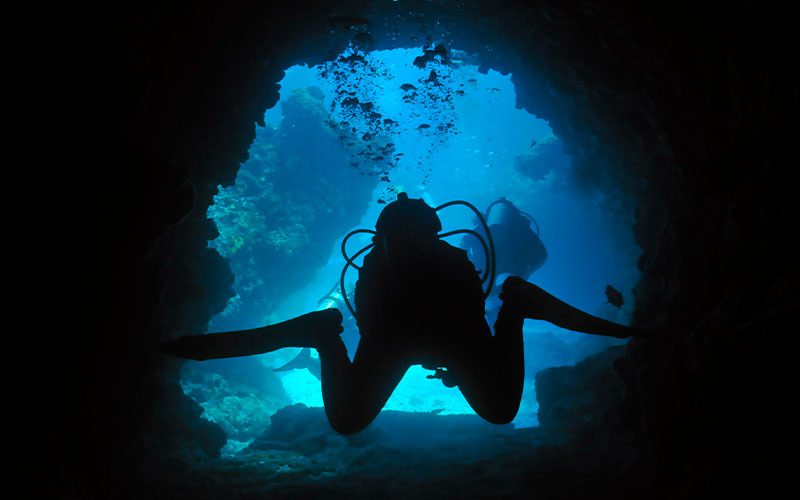
Communicable diseases are easy to catch — especially in close quarters. From common colds to salmonella, here are some great tips on how to stay healthy and avoid communicable diseases while away.
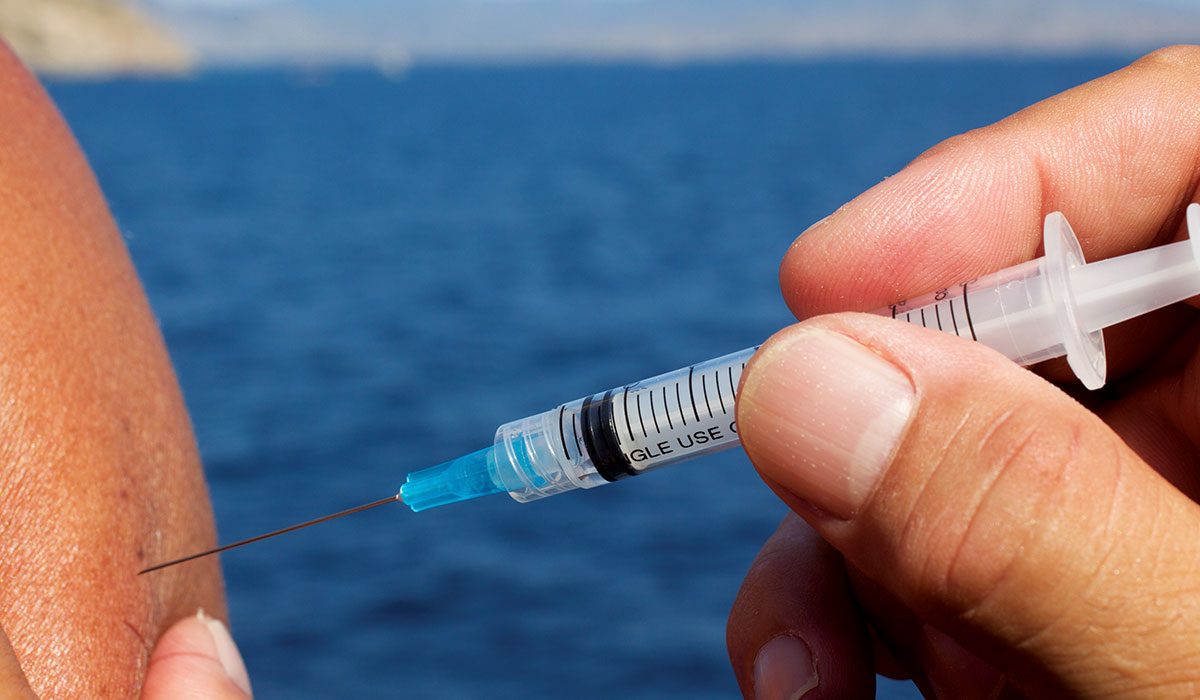
Kelp can often entangle divers and result in anxiety and panic. Read an incident in which kelp entangled a diver and unfortunately resulted in his death.
Voluntourism, when combined with a dive trip, combines the benefits of the marine environment and helping local communities. Learn more about several voluntourism opportunities found all over the world.