Dive Business Tips: Compressor Room & Fill Station Safety
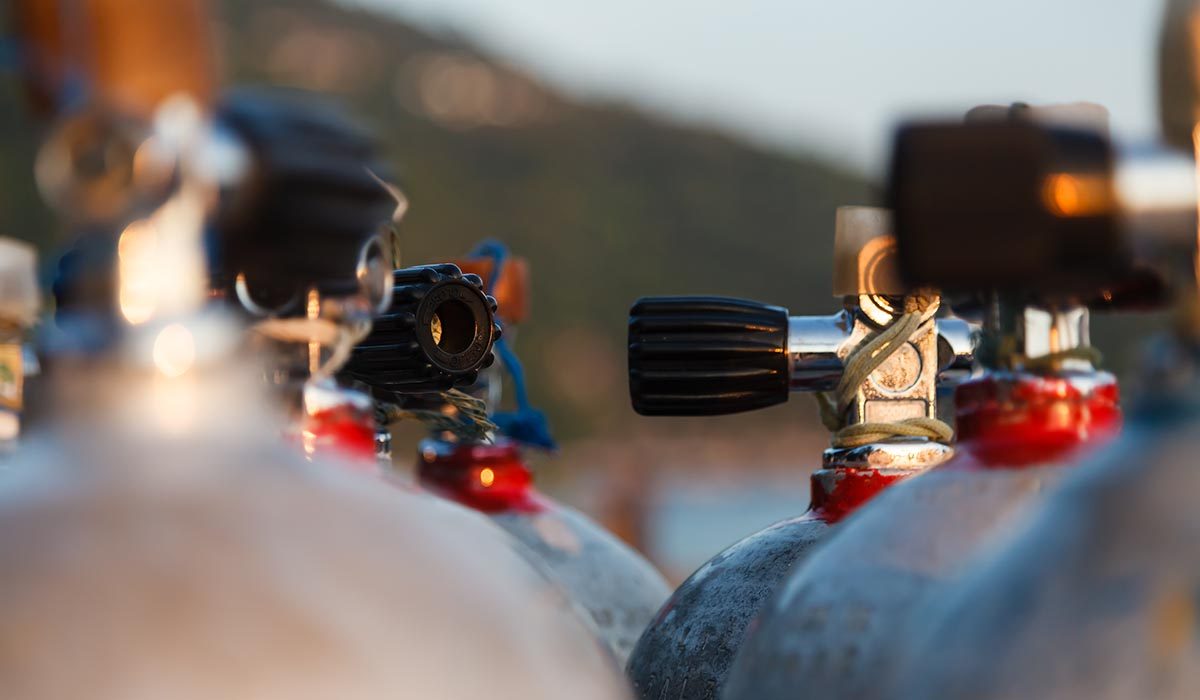
If not properly set up and maintained, compressor rooms and fill stations can be among the most hazardous areas of a dive business. Get the facts on proper compressor room maintenance.
Divers Blog Post Type
If not properly set up and maintained, compressor rooms and fill stations can be among the most hazardous areas of a dive business. Get the facts on proper compressor room maintenance.
Coronavirus has upended the dive industry. However, with additional safety protocols and attention to detail, shops can operate in ways that keep customers and staff safe.

When considering a drysuit, considerations need to be made to ensure personal health and safety. Skin conditions, constriction, buoyancy and other potential issues need to be weighed.

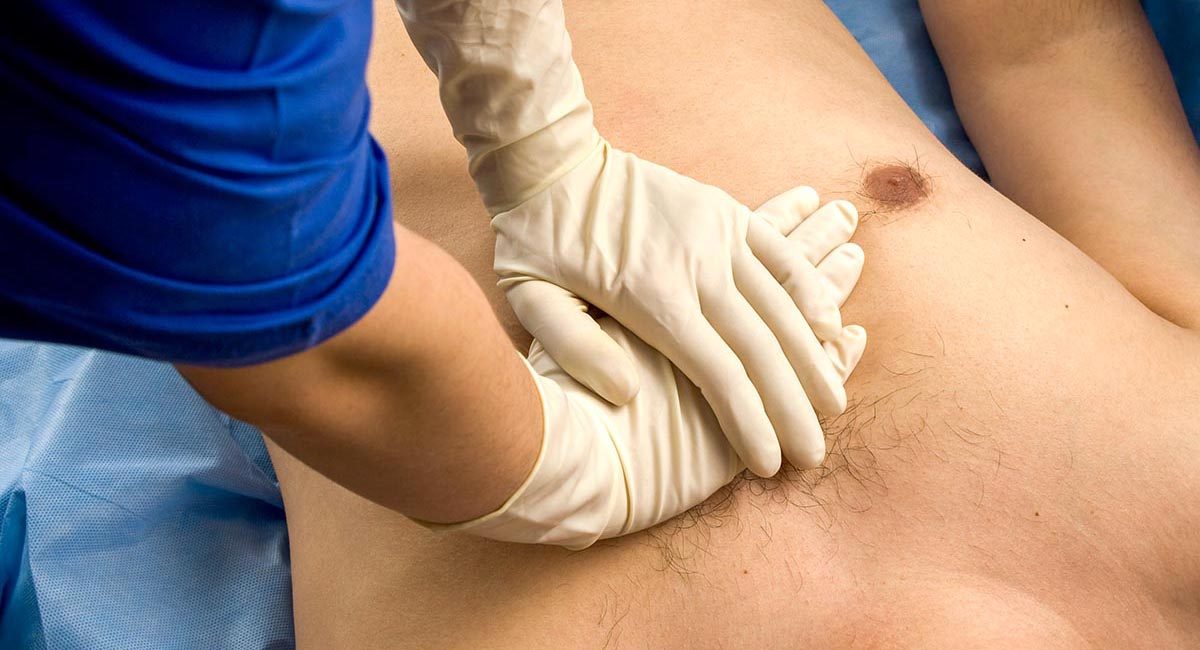
COVID-19 can be contracted by coming into contact with droplets of bodily fluid from an infected person — which makes performing CPR incredibly risky. There are steps you can take, however, if you’re in a situation where CPR needs to be given.
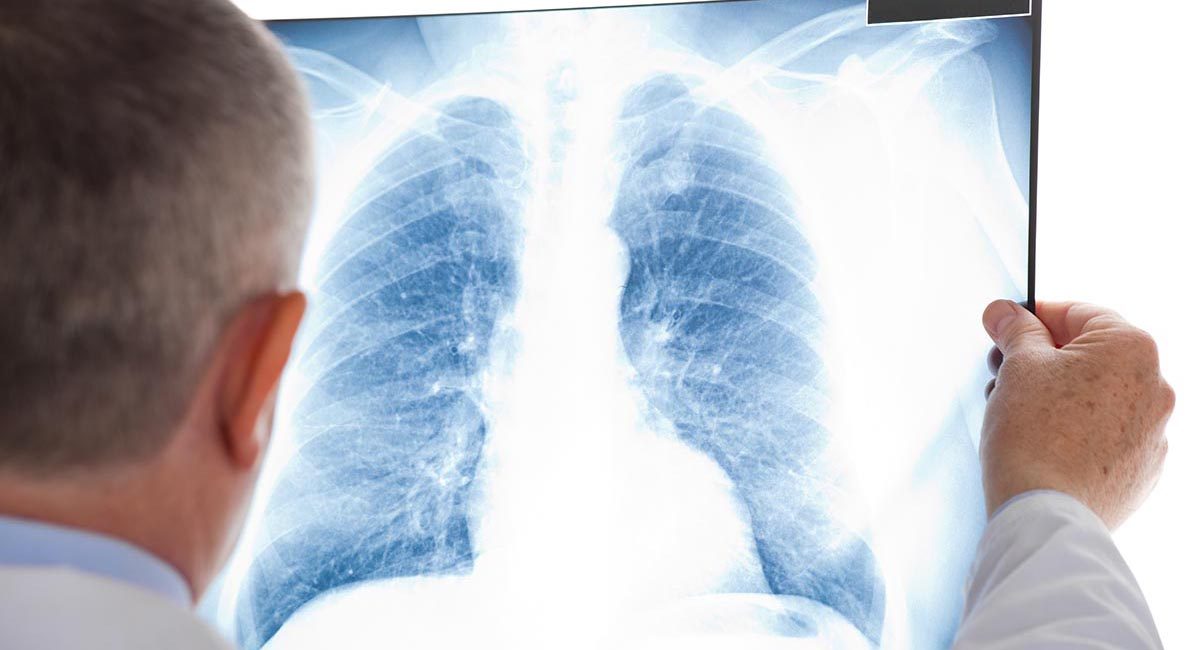
Acute lung conditions are some of the most dramatic and life threatening injuries found in the diving environment, and it is vital for all divers to be able to quickly recognize and react to them.
Decompression sickness (DCS) is one of the most common problems reported to DAN. Do you know appropriate actions to take if you suspect DCS?
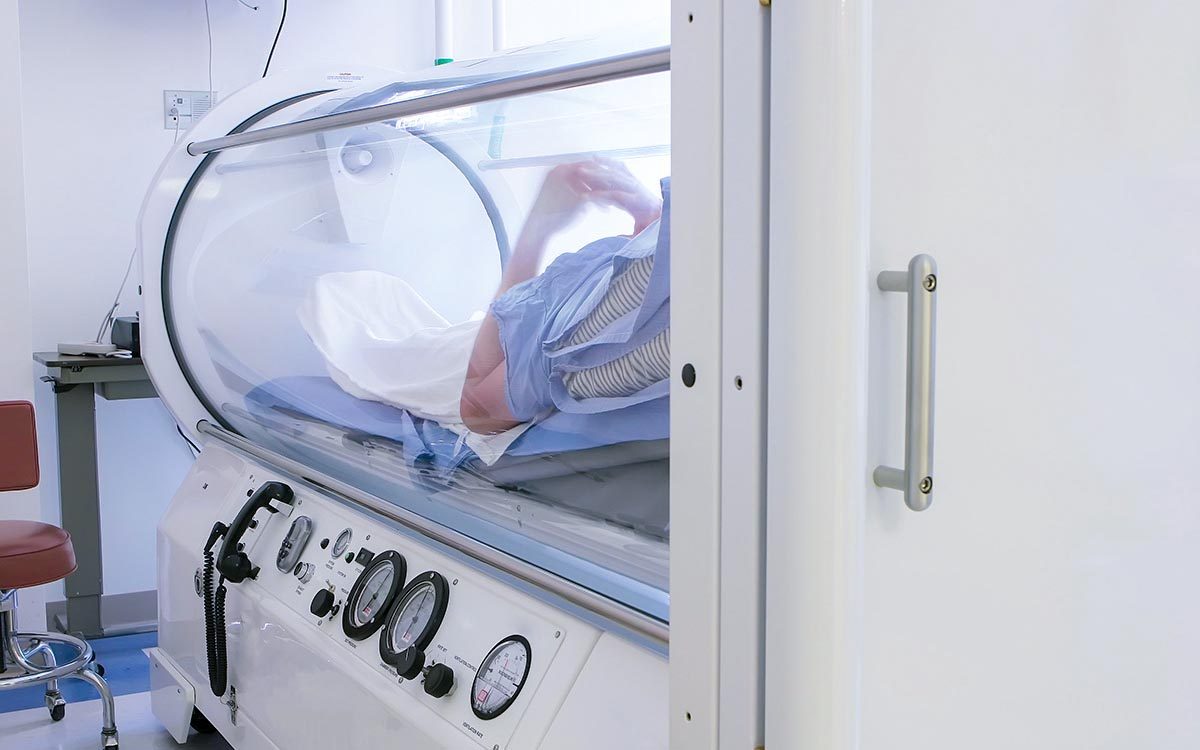
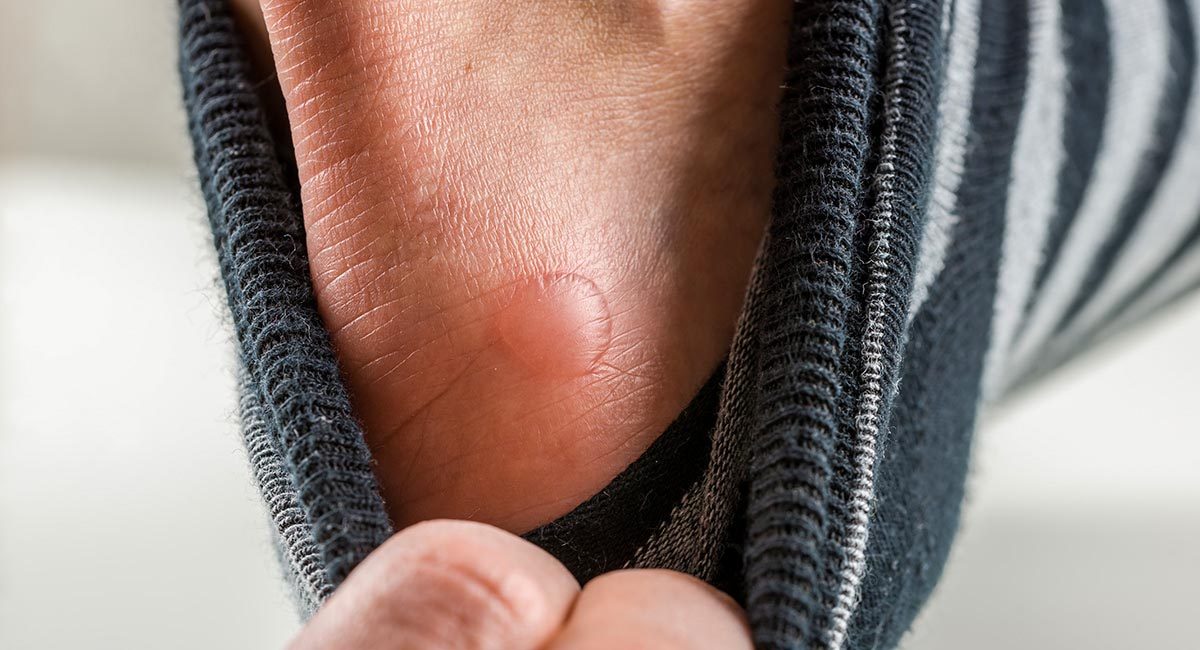
Fin foot is a common condition in which feet become swollen and sore after a dive. New divers, especially, are susceptible. Learn more about the condition and how to treat.
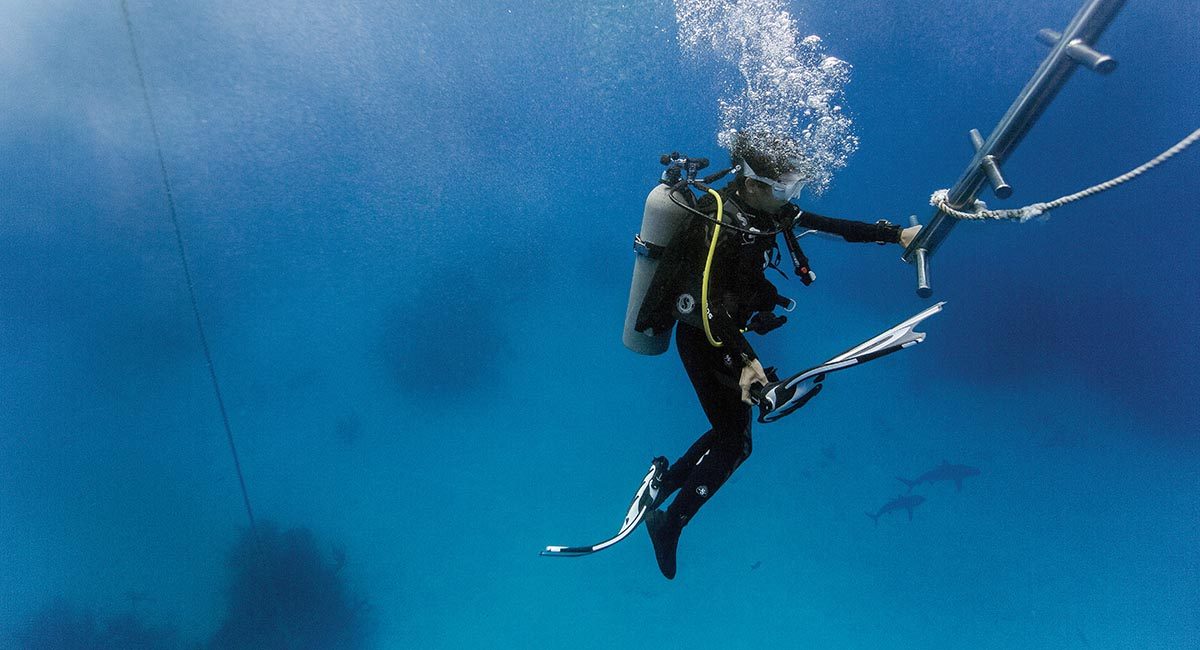
Arrhythmias are conditions in which a heart beats irregularly, and they can pose serious health concerns. However, with guidance from a medical professional, divers may still be able to safely dive.

Many people with controlled diabetes can enjoy scuba diving. However, considerations need to be made to ensure diver safety and divers should understand their risks.

As a dive professional, you know that planning, preparation and careful decision-making are key risk management tools for preventing serious dive incidents and injuries during training. Because of this, the “worst” injuries most student divers face are often bumps and bruises that can be addressed quickly and easily.