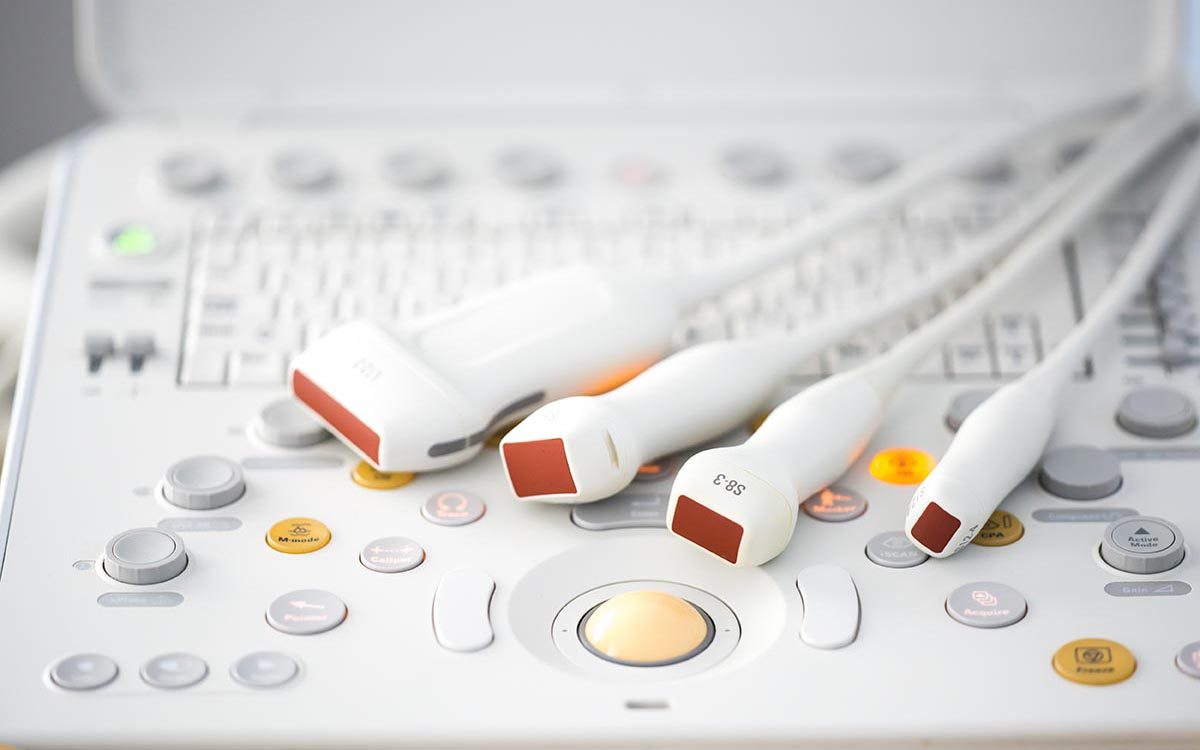
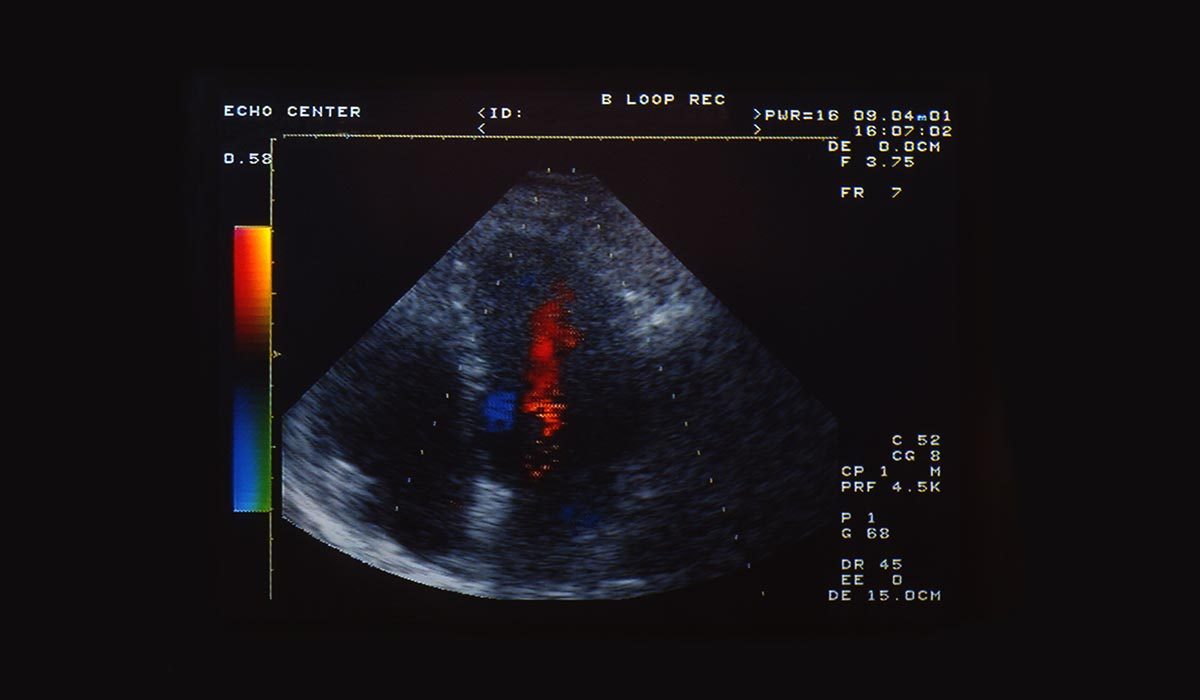
Venous gas emboli (VGE) are bubbles that can appear in the blood after a dive due to decompression. These bubbles are detectable using ultrasound imaging and provide a measure of decompression stress. Advanced ultrasound imaging techniques are being developed at UNC for detecting these microbubbles and differentiating them from VGE.
VGE evolution postdive varies dramatically, so frequent measurement may be important for understanding the influence of VGE on other physiological mechanisms in diving. UNC researchers are working on obtaining a large number of ultrasound recordings to be used in refining algorithms for VGE detection.
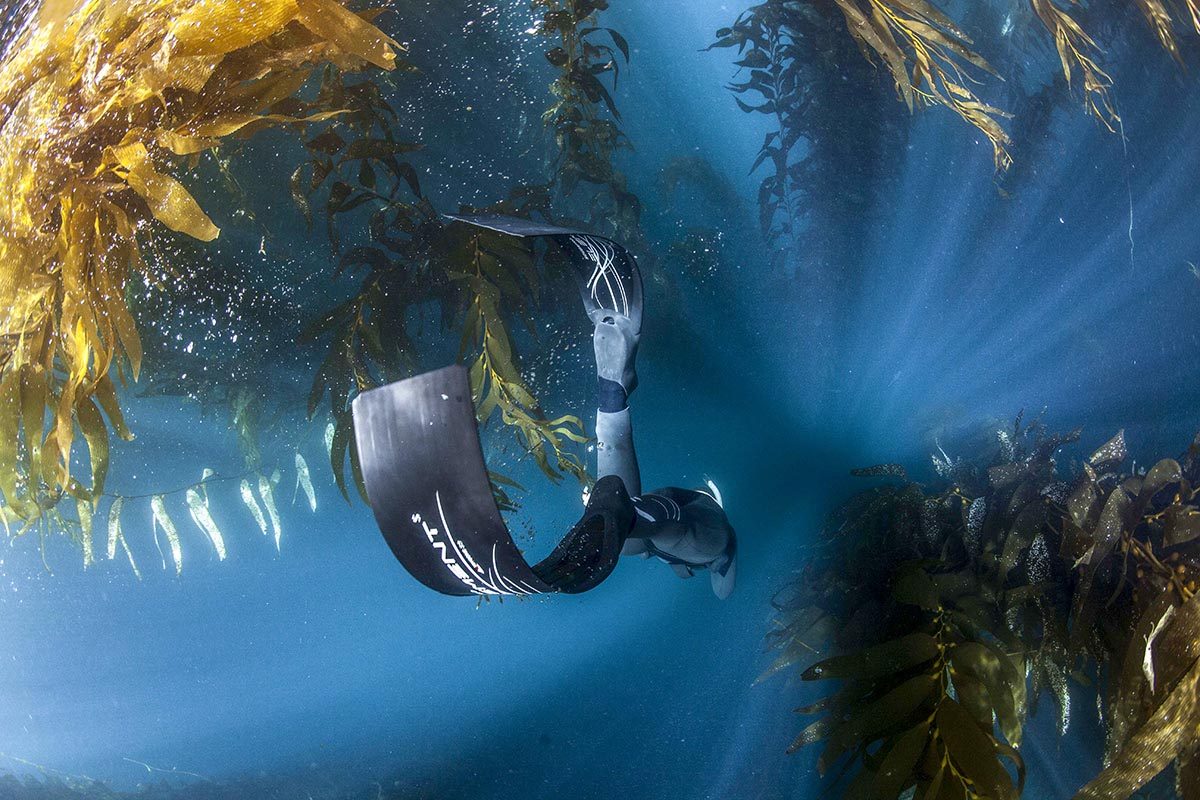
While DCS in scuba diving is a well-recognized disease, much less is known about breath-hold divers who suffer DCS. With improvements in technology and training methods, today’s divers dive longer and deeper than ever before. The primary goal of this study is to collect high-resolution data on breath-hold divers’ depth/time profiles to further our understanding of decompression illness.