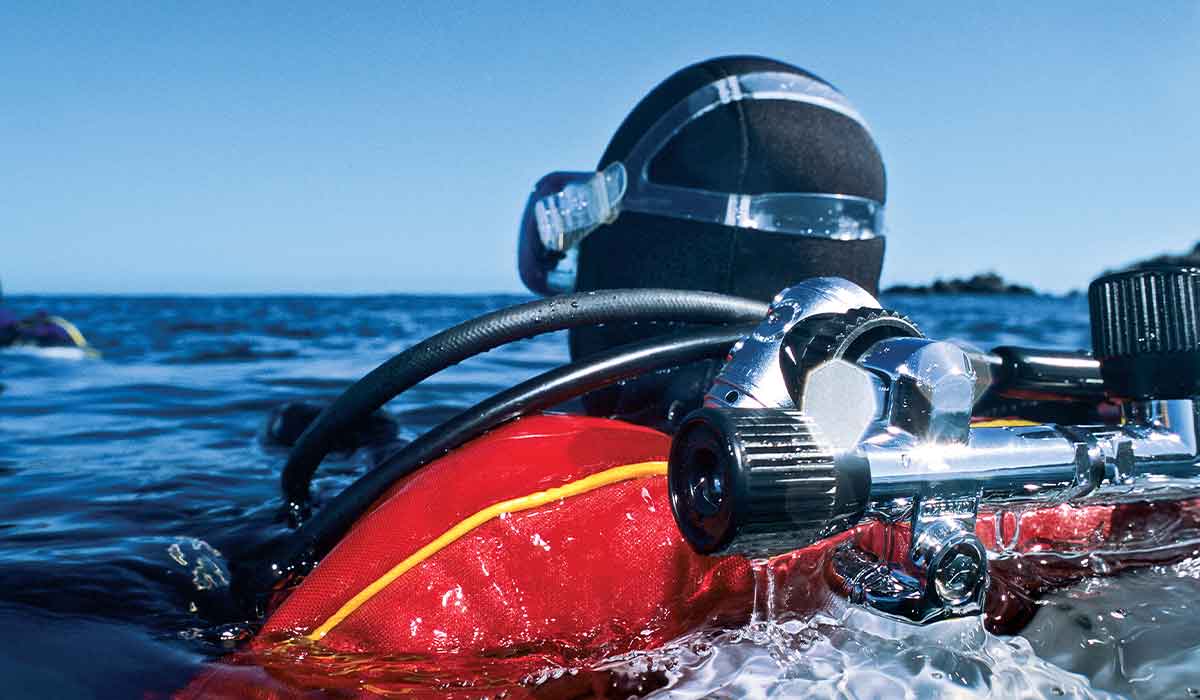
Diving in the Dark
Diving at night is a memorable experience because many nocturnal creatures come out to mate and feed. It requires a bit more equipment and training, but you can easily make your night dives as enjoyable as those in the daylight.

Diving at night is a memorable experience because many nocturnal creatures come out to mate and feed. It requires a bit more equipment and training, but you can easily make your night dives as enjoyable as those in the daylight.
MANY DIVERS AND NONDIVERS ALIKE envision the ideal scuba dive as a coral reef in warm, clear water surrounded by a myriad of beautiful fish. River diving, on the other […]
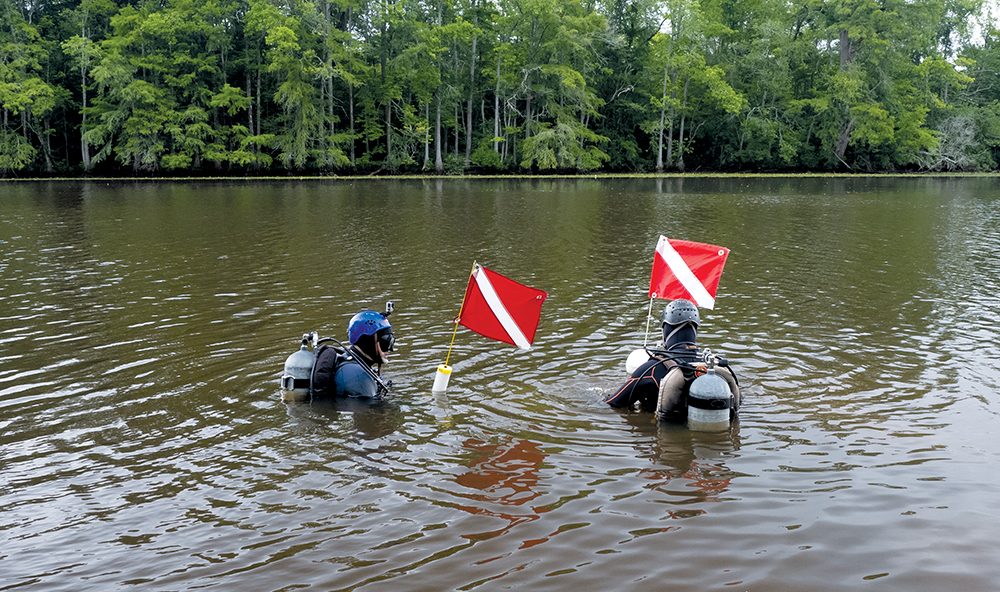
Police diving extends the reach of justice thanks to advances in scuba, sonar and other marine technologies. The divers are now more investigators and not just retrievers. Learn more about police diving.
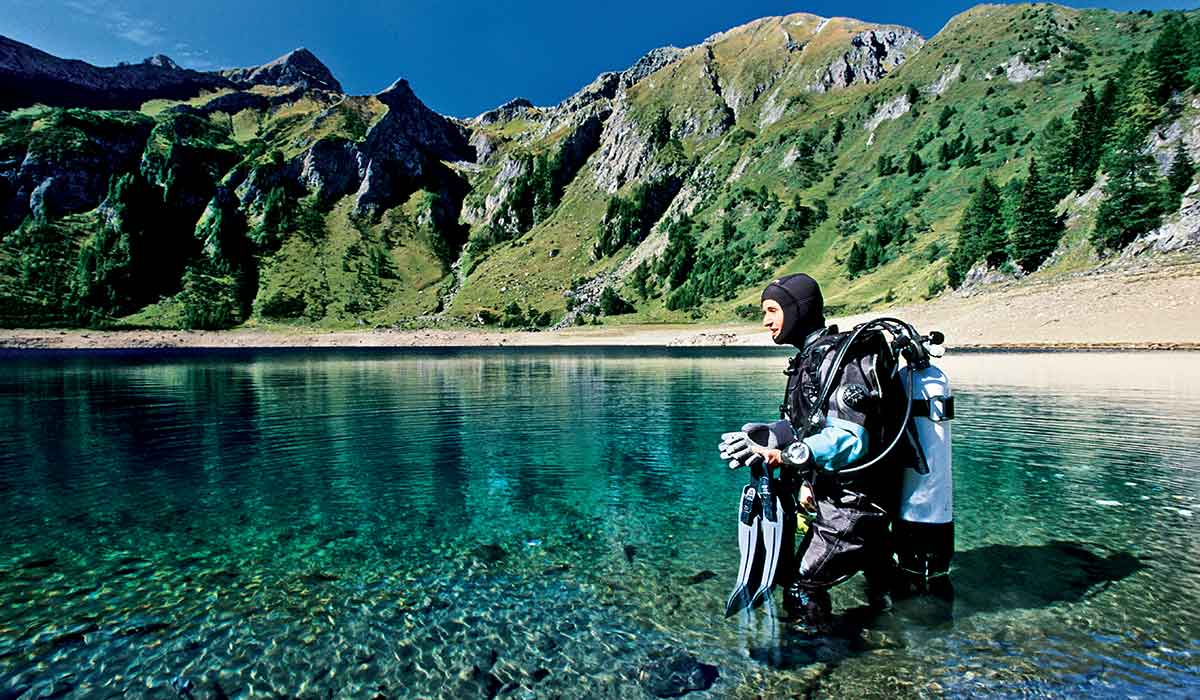
High altitude is linked to decompression sickness — why divers should not fly immediately after diving. But what about diving at altitude? Read more about altitude and decompression sickness.
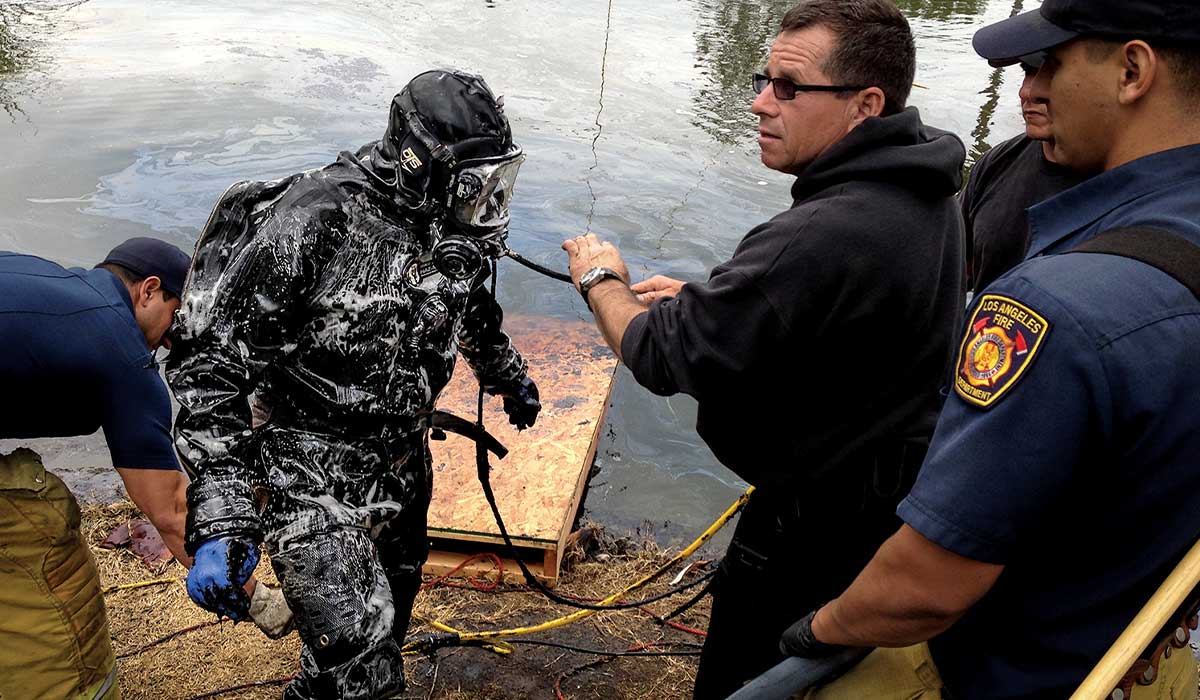
FOUR SCUBA DIVERS BECAME TRAPPED and died while working in an offshore pipeline in 2022. This incident was a harsh reminder that commercial diving is a “hazardous occupation that presents […]
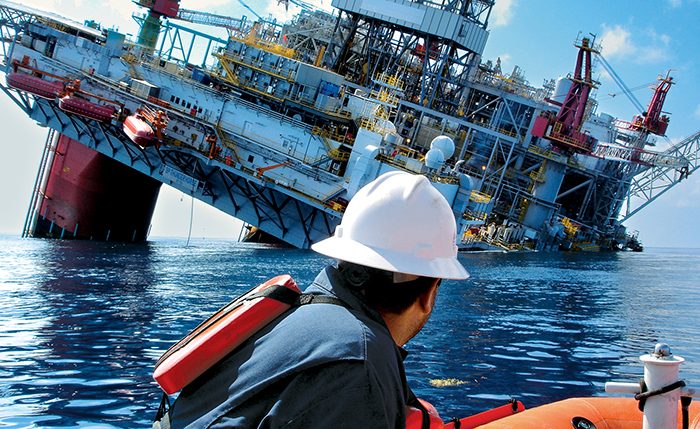
While dive computers are helpful, they are limited in predicting decompression stress. Dive computers track dive profiles but don’t integrate in other factors. Read more about the limitations of dive computers.
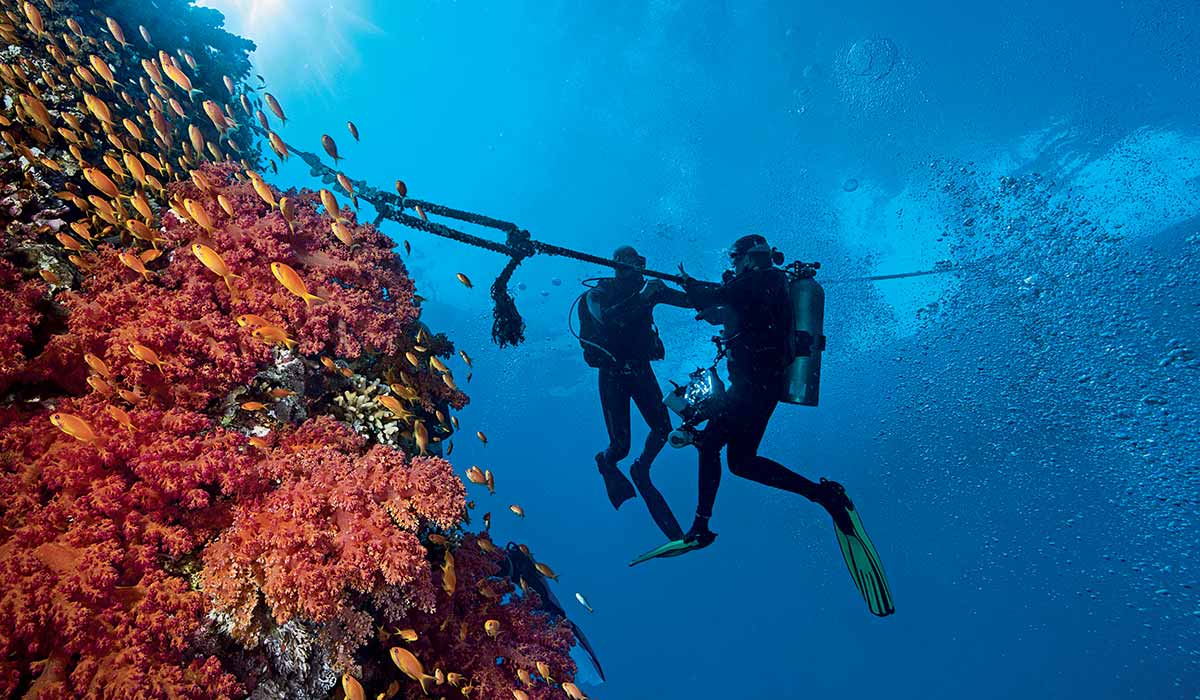
Shipwrecks are like time capsules of maritime history. Divers of all abilities can appreciate shipwrecks. Gain some great tips and ideas on how to safely dive shipwrecks.
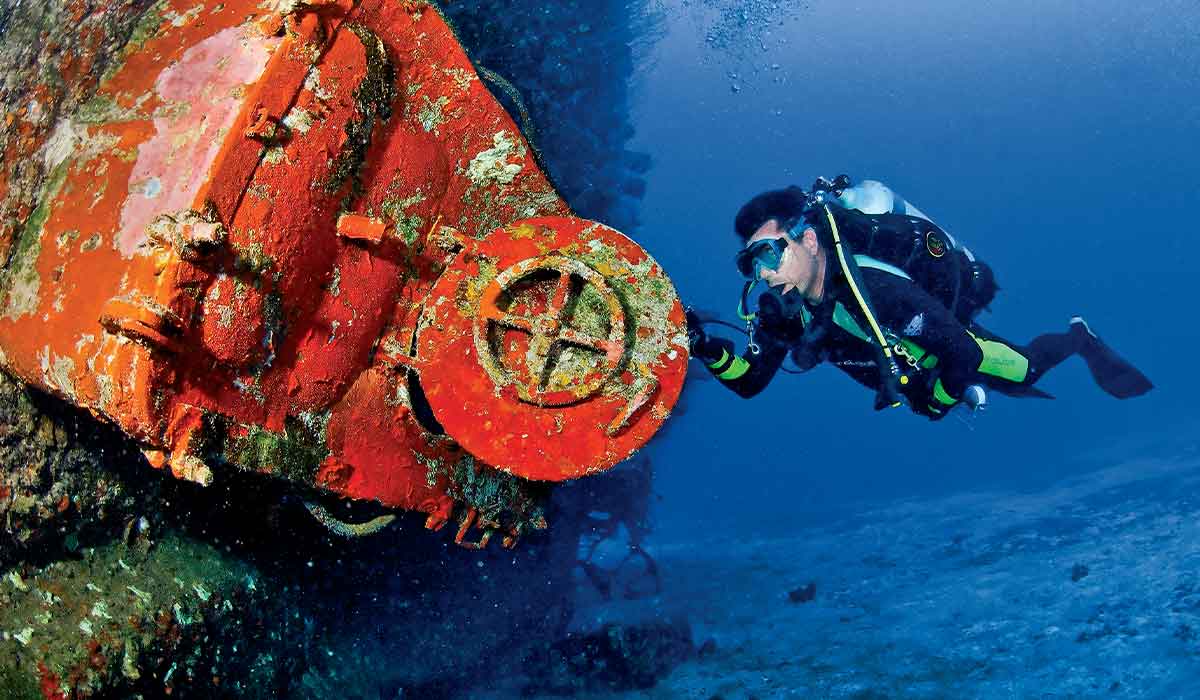
My phone’s alarm filled the air, but I was already awake. It was the day I had eagerly anticipated since first learning about the Florida International University (FIU) Introduction to Saturation Diving: Aquarius Operations and Benefits to Science course — the emergency simulation.
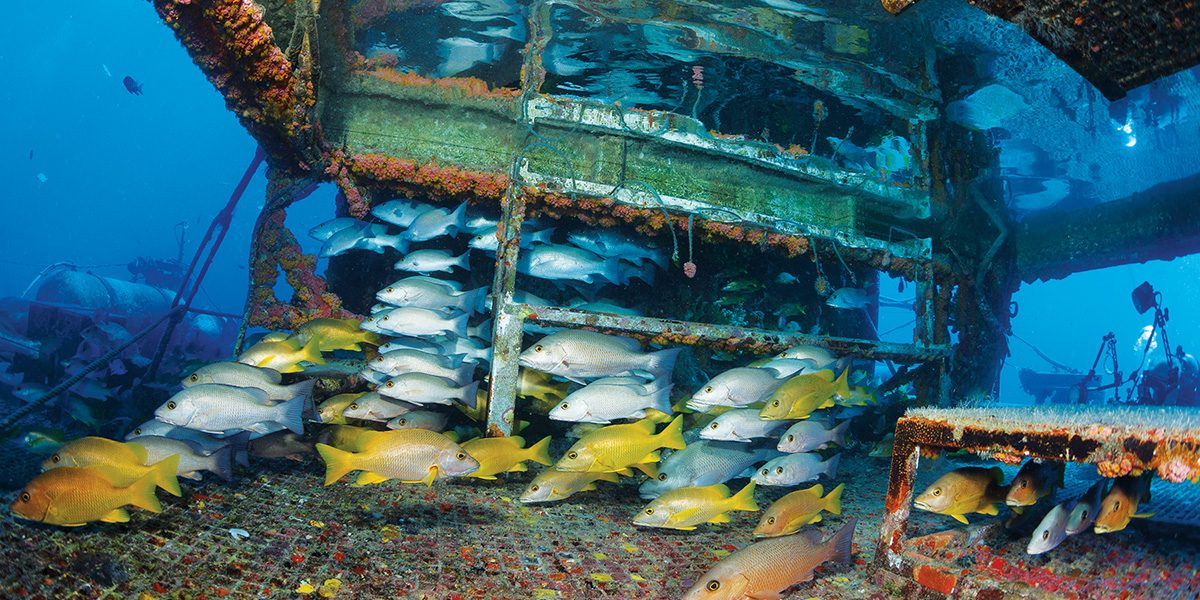
Technical diving requires additional gear, training and knowledge, but once you become comfortable with tech diving, you can do a lot. Learn more about technical diving and if it is a right option for you.
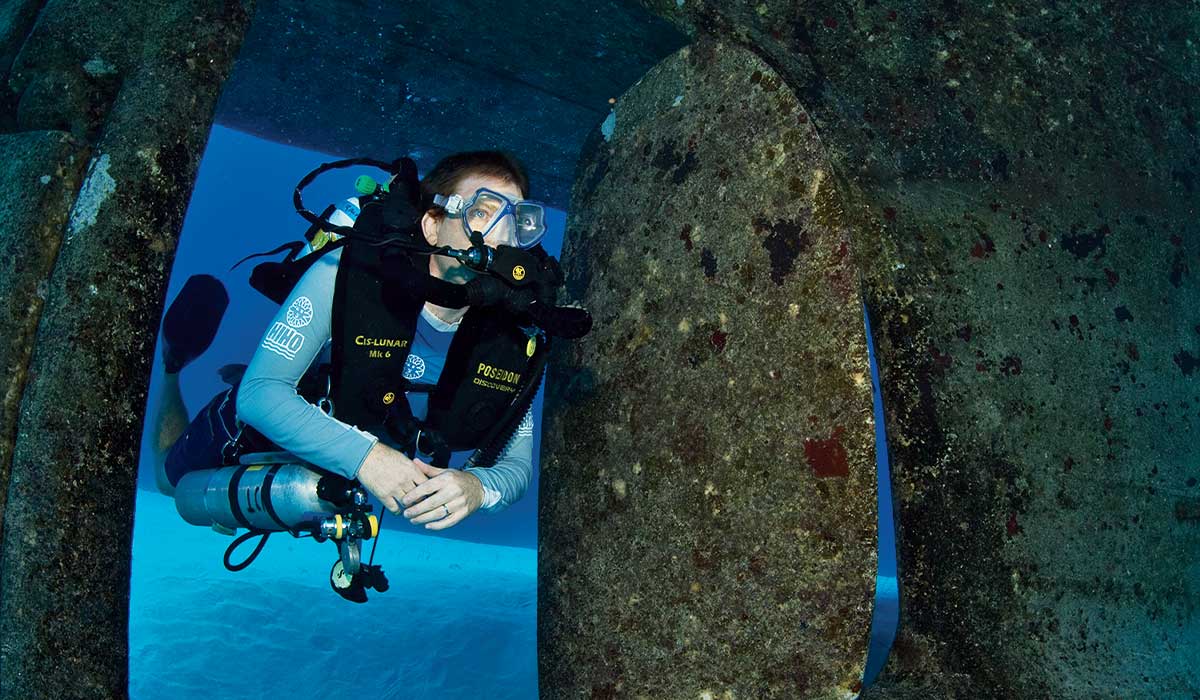
More-experienced divers prefer the backplate buoyancy system because of its rock-solid stability and simple harness system. Read more about backplate buoyancy systems.