Ice Diving
Ice diving is both politically and scientifically interesting and has received international research funding in the fields of medicine, physiology, fisheries and ecology. Read more about ice fishing.
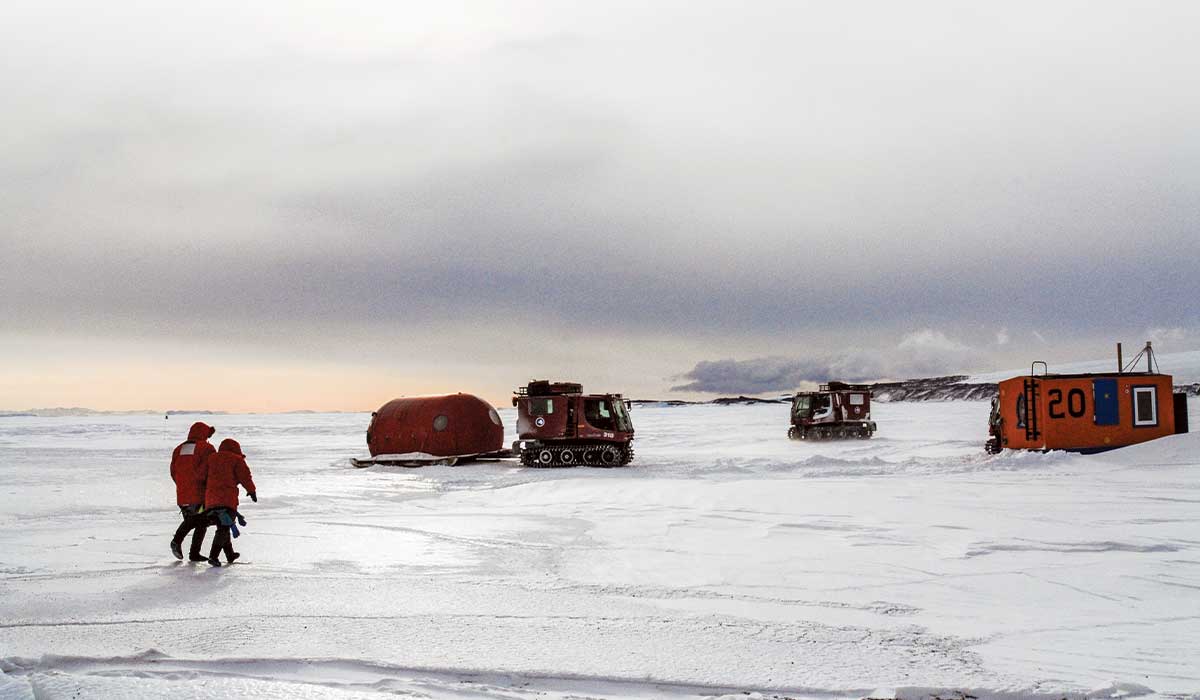
Ice diving is both politically and scientifically interesting and has received international research funding in the fields of medicine, physiology, fisheries and ecology. Read more about ice fishing.
Underwater environments simulate the conditions of space exploration and allow NASA to test equipment, perform research, and prepare for future missions in extreme settings such as the moon or Mars. Being underwater replicates the isolation, confined spaces, and limited resources astronauts experience in space.
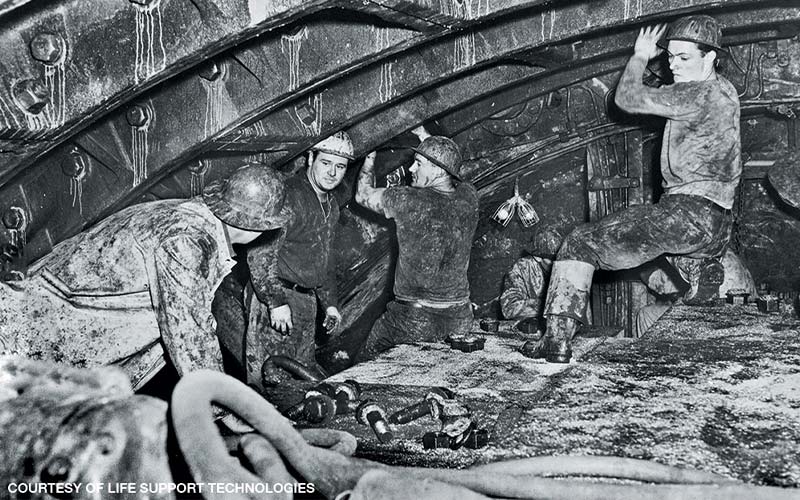
Do you know how underground tunnels are made? The working spaces, or caissons, are pressurized with compress air. But in the 19th century, many laborers had an unexplained illness after returning to atmospheric pressure.
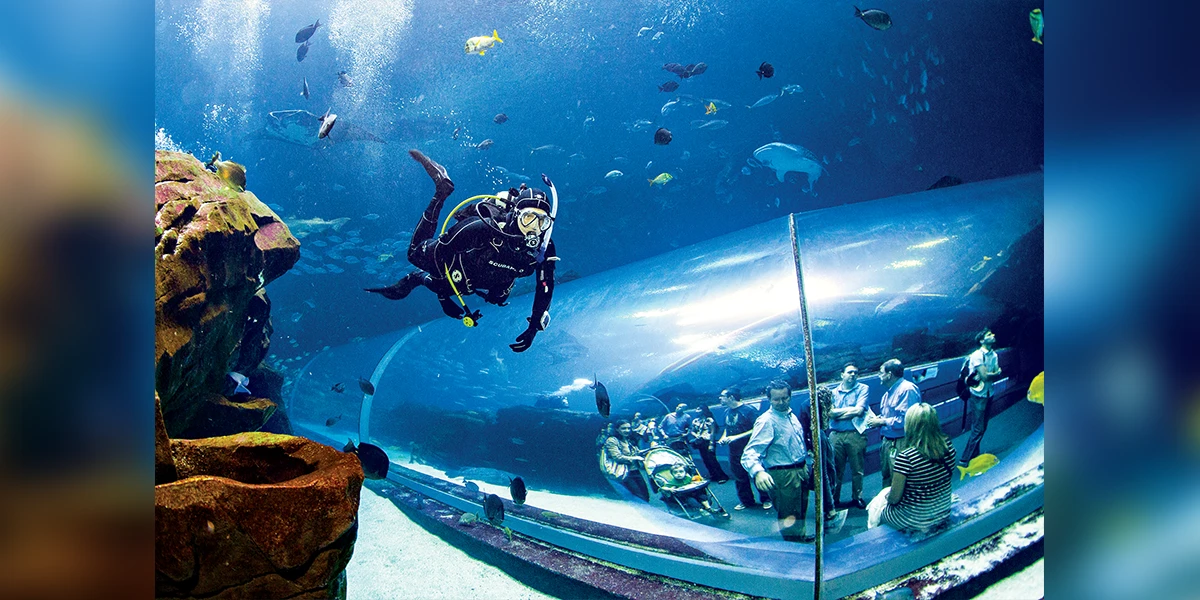
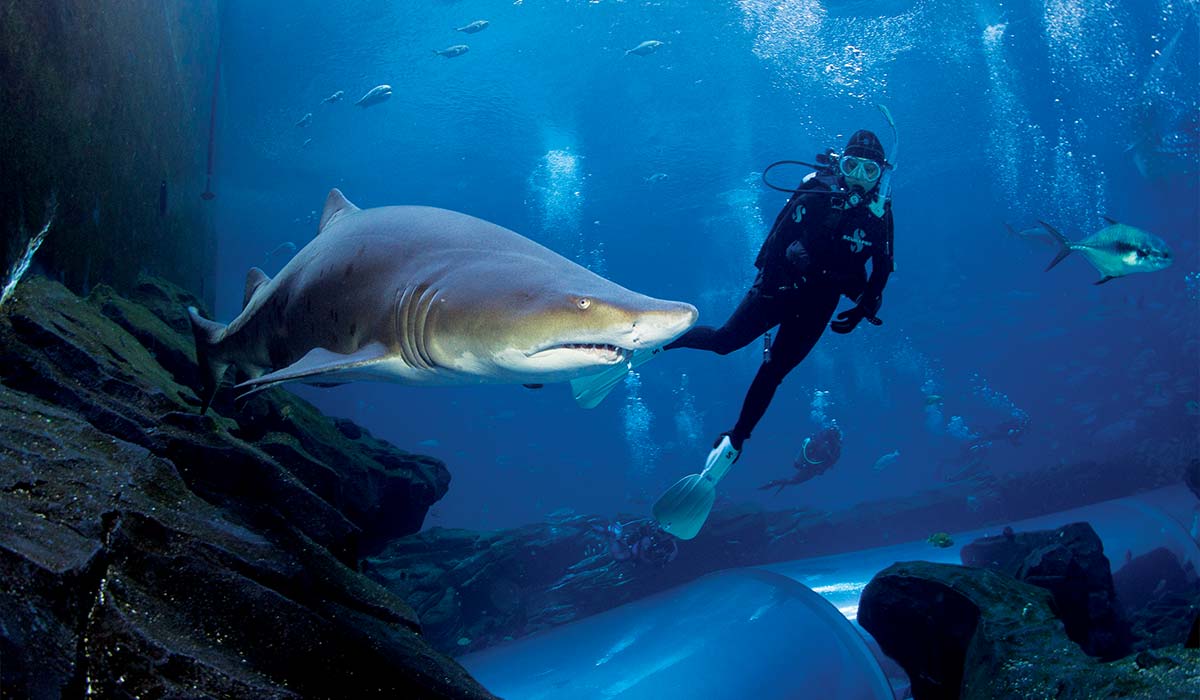
Aquarium divers are crucial in keeping the habitats clean and the animals healthy. To be come an aquarium diver requires additional training and learning how to apply their old skills in new ways. Learn more about aquarium diving.
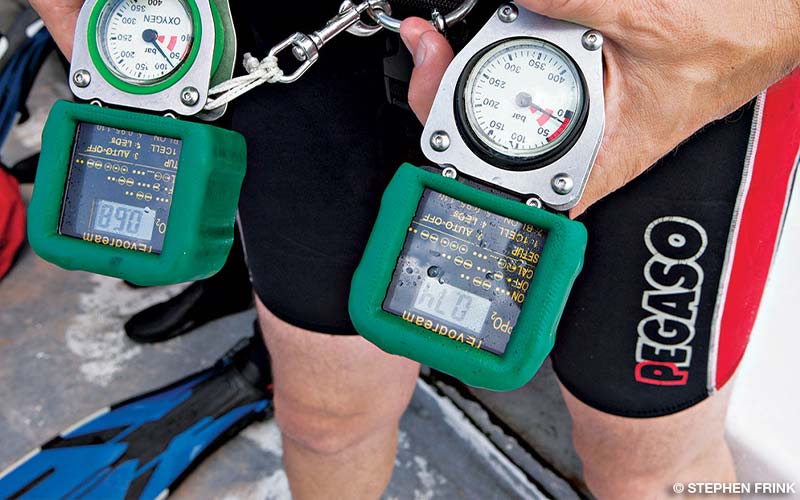
Do you have enough breathing gas to complete the next dive? Here’s how to find out.
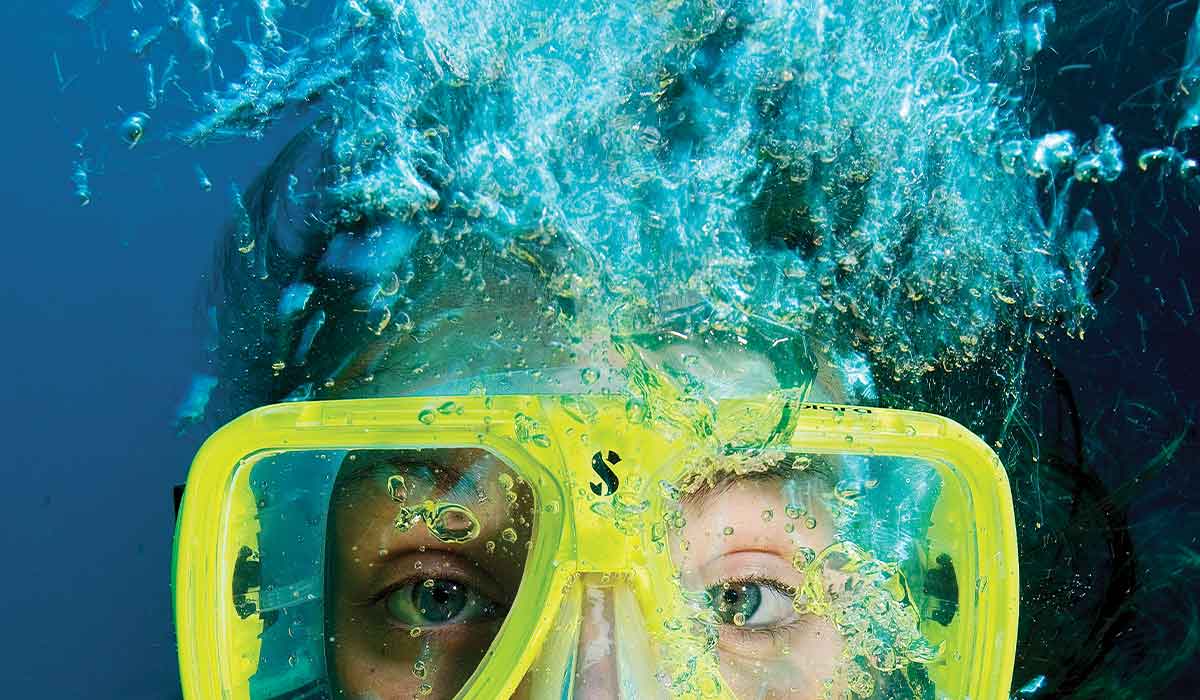
When I was young I read about Antarctic expeditions and was mesmerized by the alien worlds found under the ice. As incredible as it looked, I never imagined seeing it for myself. I enjoy all types of diving and underwater environments, and ice diving was another unique and challenging realm to explore — one that required furthering my dive education and skills.

Some divers like closed-circuit rebreathers for their ability to provide breathing gas at a set partial pressure of oxygen throughout dives.
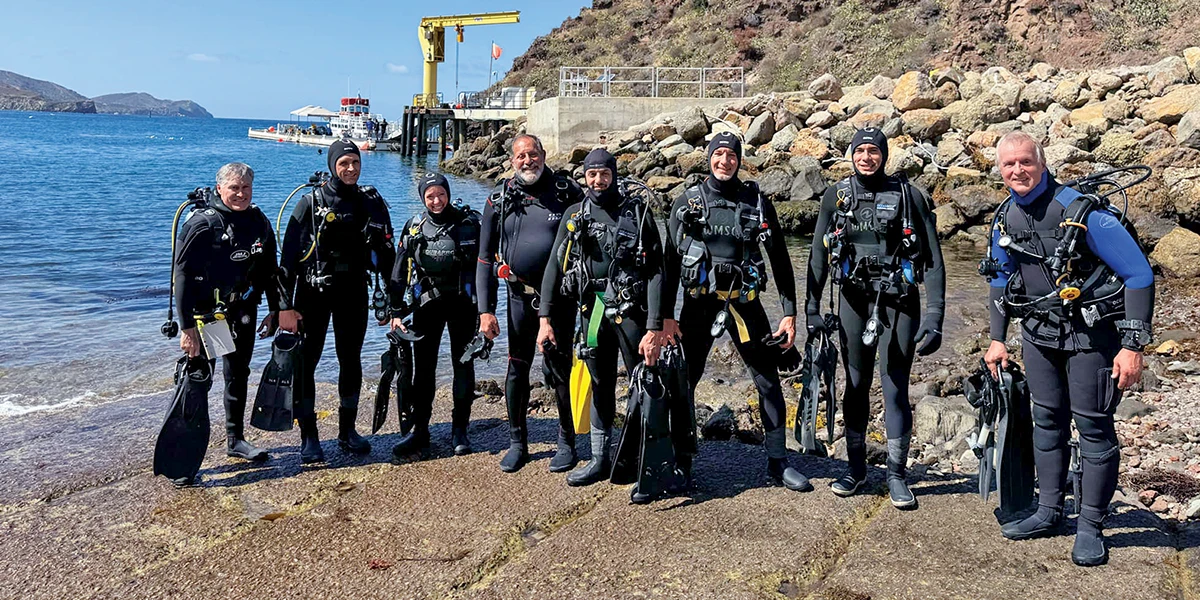
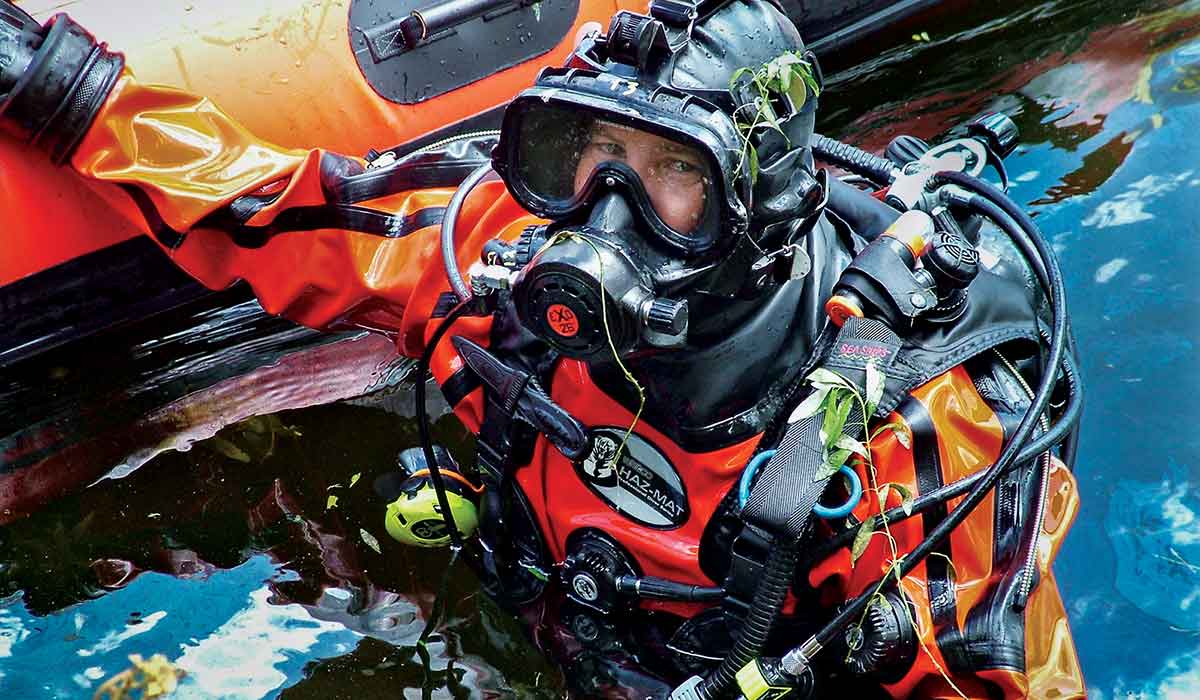
Public safety diving consists of team members who may be EMTs, firefighters, lifeguards, law enforcement officers and more. Public safety diving is notoriously dangerous and hard work.
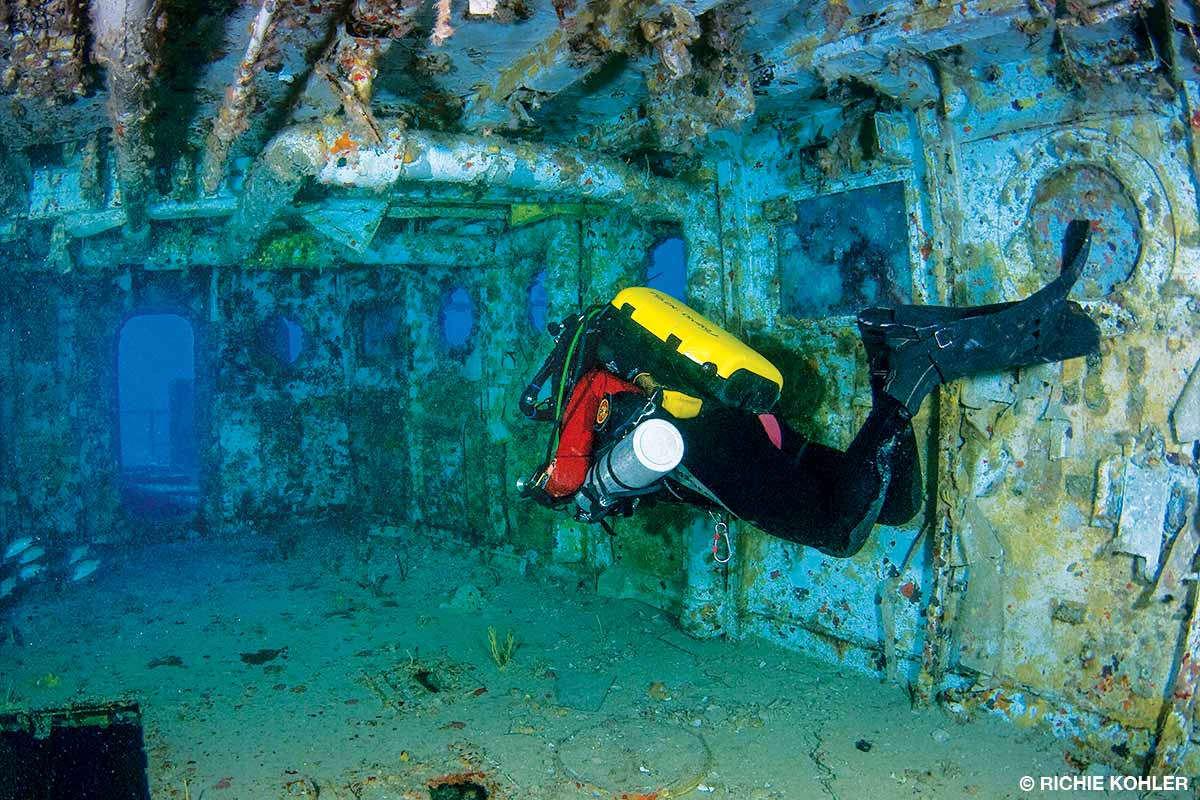
Shipwrecks lure divers as much as they attract the sea life surrounding them. The spectacle of life on a wreck, an ecosystem unto itself, is often the main attraction for divers. Nearly every ocean, sea and lake holds a world of shipwreck exploration for advanced open-water divers. Each lost ship, submarine, airplane and even the odd locomotive is a time capsule waiting for an underwater explorer to visit and photograph. Never venture inside a shipwreck until you have advanced wreck-dive training from a certified, qualified dive training professional.
There is a moment in every dive — after the gear is checked, the team gives the final OK, and your body slips below the surface — that everything else fades.