Attention-Deficit/Hyperactivity Disorder and Diving
Divers with Attention Deficit Hyperactivity Disorder could be at risk for serious injuries. Our experts answered questions pertaining to diving and ADHD.

Divers with Attention Deficit Hyperactivity Disorder could be at risk for serious injuries. Our experts answered questions pertaining to diving and ADHD.
Lawsuits are prevalent in modern society, and the diving community is not immune to them. It’s important for both certified divers and dive operators to understand their legal rights and responsibilities. We ask the experts.

Can an individual with hepatitis C dive? Our experts answered questions pertaining to the condition.

Recompression is idly given within minutes of decompression illness symptoms. But that often can’t happen because of a number of factors. Experts weigh in on recompression delays.
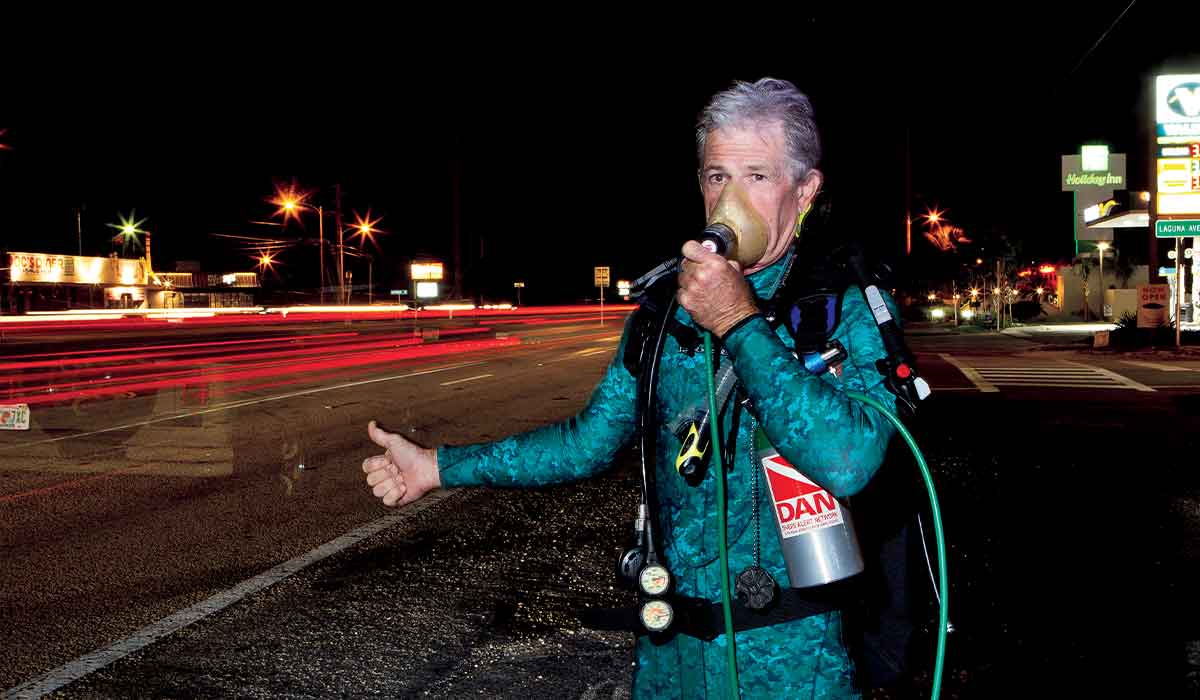
Scientific research will propel dive medicine into the future creating a safer sport. Advances in cancer research and other diseases can help dive medicine specialists treat and cure dive maladies like decompression sickness.
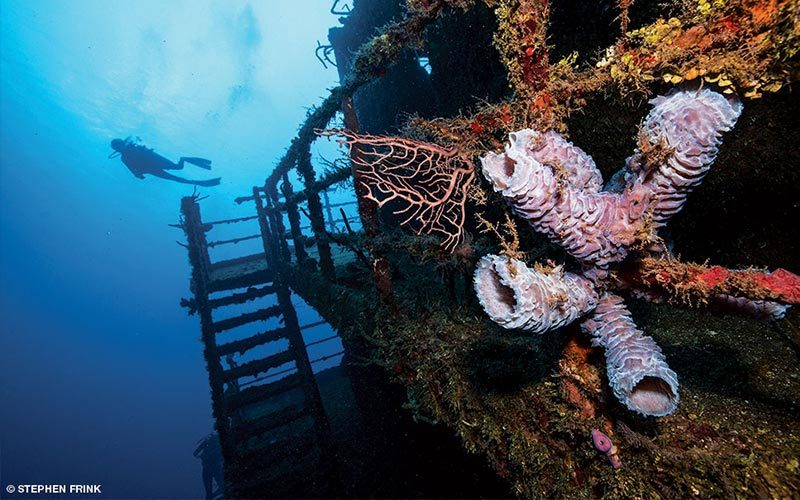
Important factors in decompression illness (DCI) are often dive time and depth, but exercise and hydration status could affect DCI risk. Could preconditioning — increase in a resistance to a particular condition — be possible in DCI?

The physical fitness requirements for diving depend on a number of factors. How can you evaluate your physical fitness? Learn more about a practical approach.
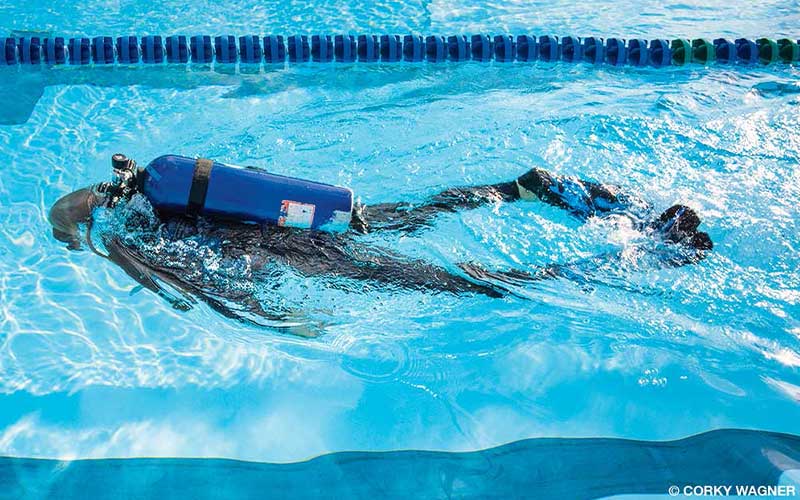
Research in perfluorocarbons (PFCs) is raising hopes that it could be a more effective adjunct treatment for decompression sickness. Hear from our experts about the use of PFCs in treatments.

As marijuana legalization increases throughout the United States, it is important to see how marijuana use could potentially impact a diver’s abilities.

Dysbaric osteonecrosis (DON) is the destruction of bone tissue in the long bones, hips and shoulders associated with diving and compressed-air work. Generally considered to be the result of circulation disruption, osteonecrosis can occur without exposure to pressure changes. Learn more.
