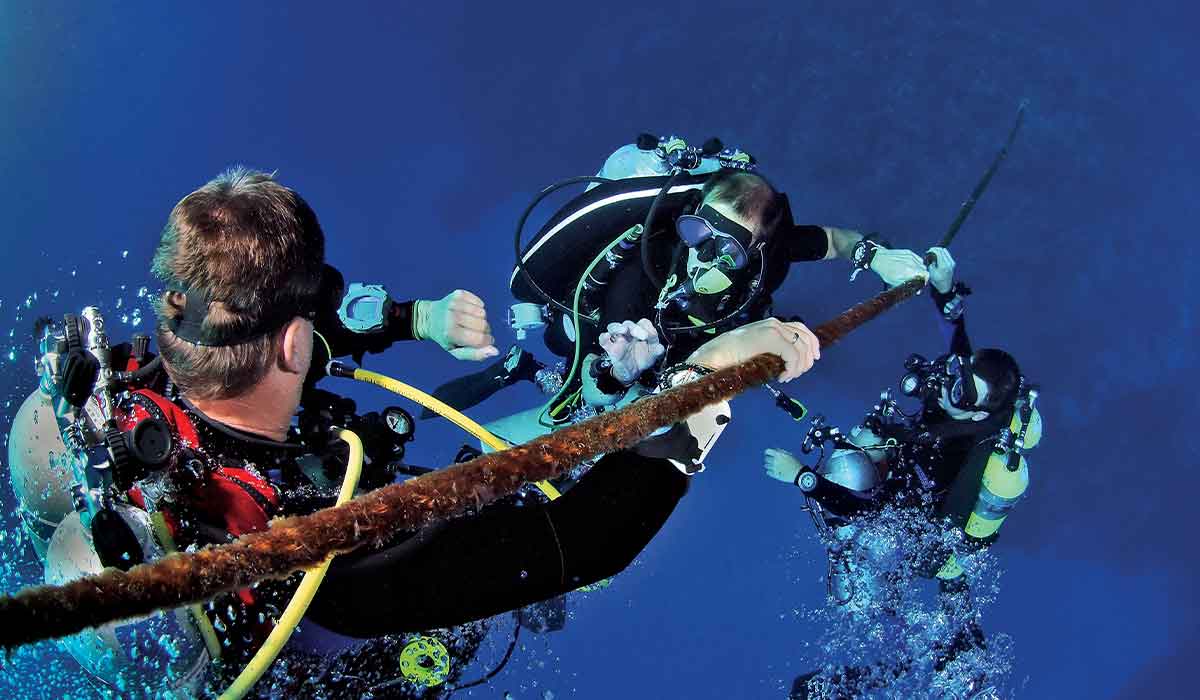
The Effect of Experience on Risk
Even well-experienced divers are still subject to risk, as many incidents are caused by them going beyond their experiences and training. Read more from our experts on the measurement of experience.
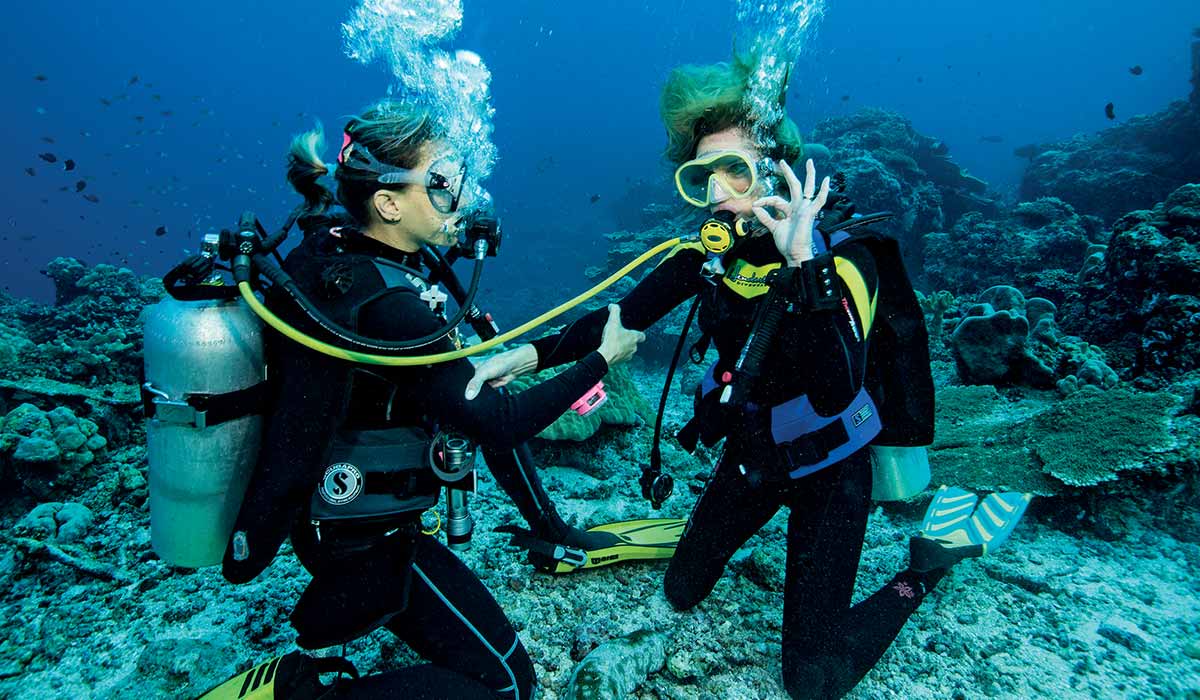
Even well-experienced divers are still subject to risk, as many incidents are caused by them going beyond their experiences and training. Read more from our experts on the measurement of experience.
Hyperbaric chambers are often the definitive treatment for decompression illness. There are also several different types of chambers, not all are suitable for treating decompression illness. Read more about hyperbaric chambers, treatments and availability.

What are the real concerns with children and diving? Our experts discuss this often controversial topic to find out how well children can handle the pressure.
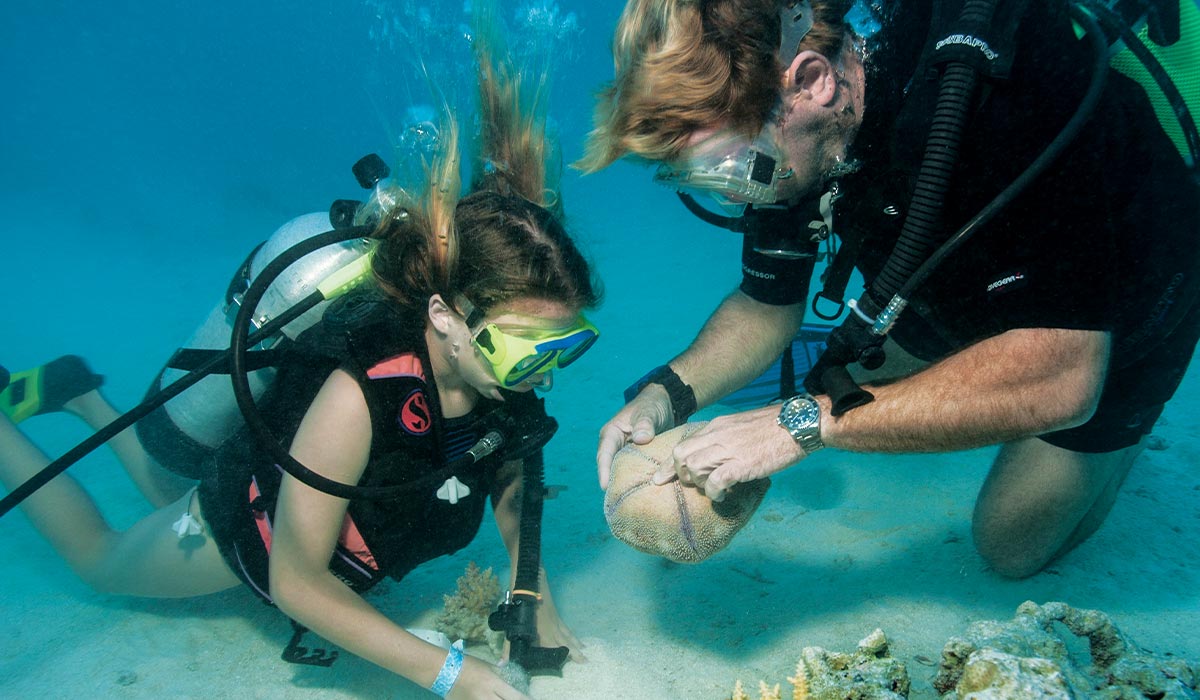
Immersion pulmonary edema (IPE) is observed in swimmers and divers with no apparent underlying medical condition. Pulmonary edema is an abnormal leakage of fluid from the bloodstream into the alveoli. Our experts answer your IPE questions.
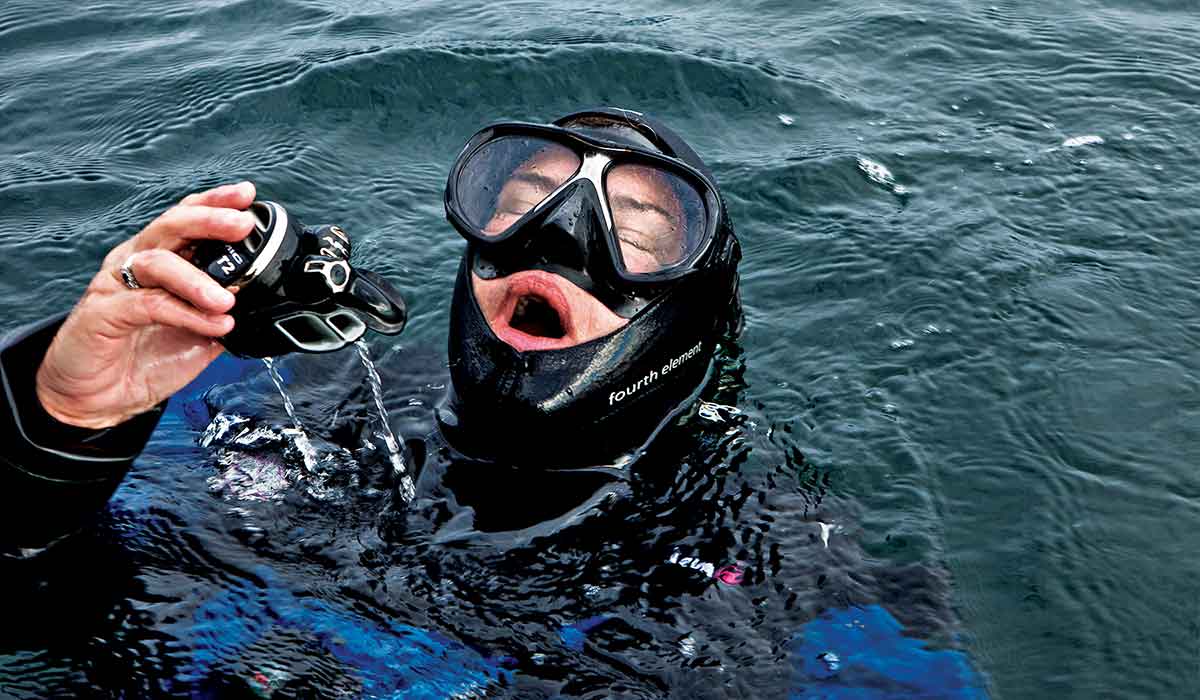
Out-of-air situations are the most common cause of fatal diving accidents. Surprisingly, these problems sometimes occur at the very beginning of dives when the diver should still have a full tank of compressed gas. How is this possible?
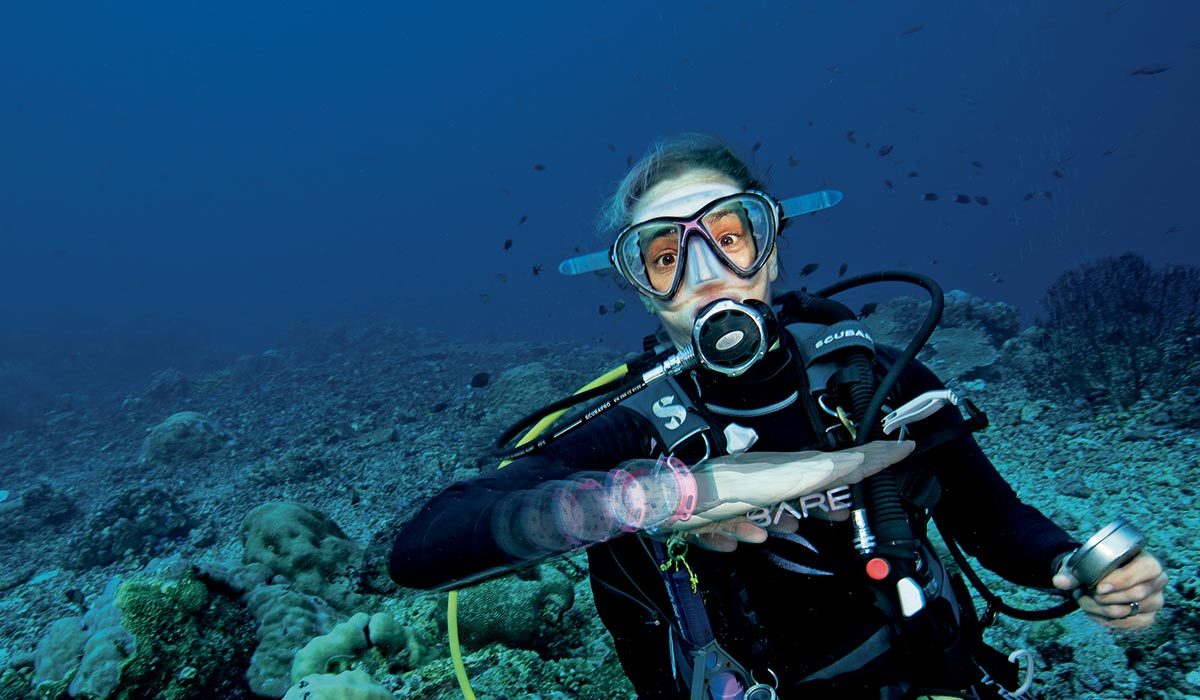
How do you determine what’s safe and what’s not? Dive computers have mostly replaced the common usage of decompression tables in rec diving. However, there is a lack of hard data on the validation of decompression safety. Read more.
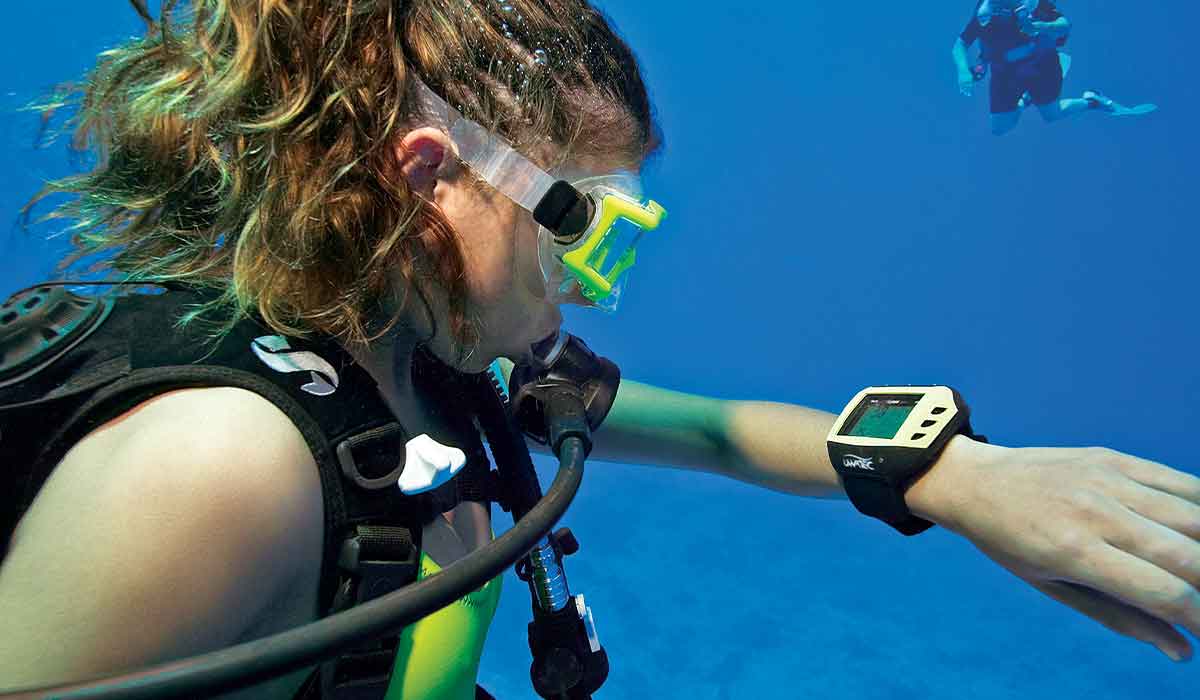
Asthma affects smokers — of tobacco and marijuana — differently. Asthma also impacts divers. Read more about the link between asthma and smoking.

Can oxygen first aid be considered a definitive treatment for post-dive symptoms? Our experts weigh in on this treatment option.
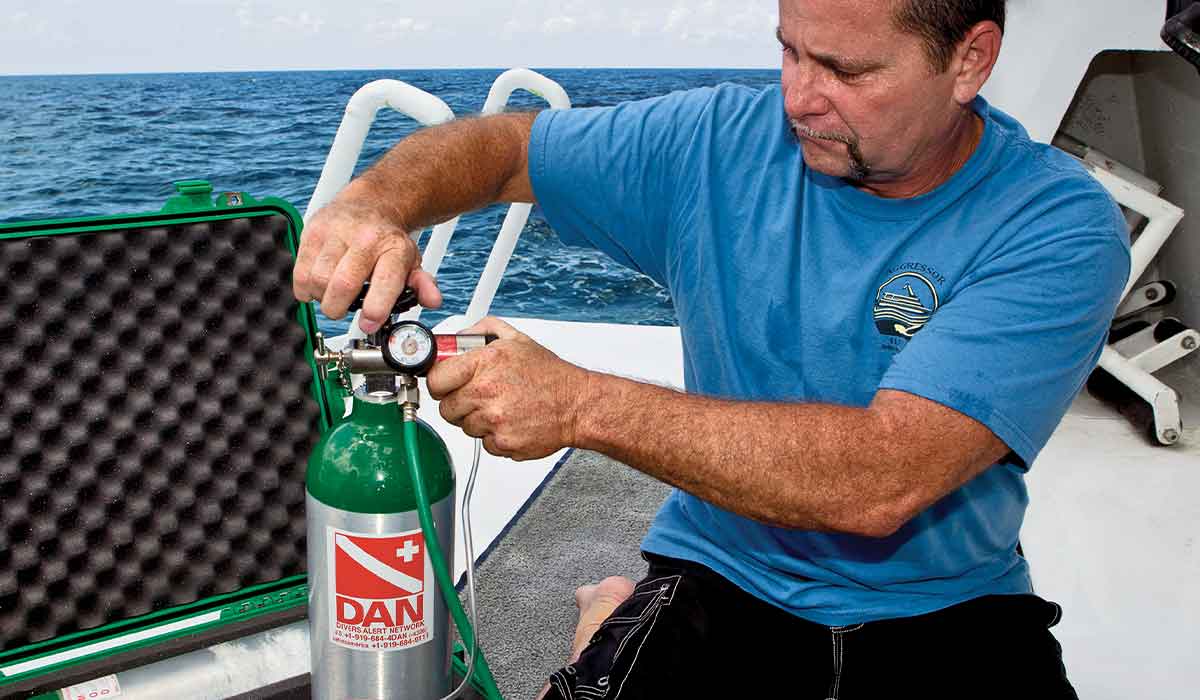
A culture of dive safety promotes the sport and improves the overall dive experience. Our experts discuss a dive safety culture and its promotion.

Could the implementation of a deep stop stave off decompression sickness. Learn more about the deep stop and DAN experts weigh in.