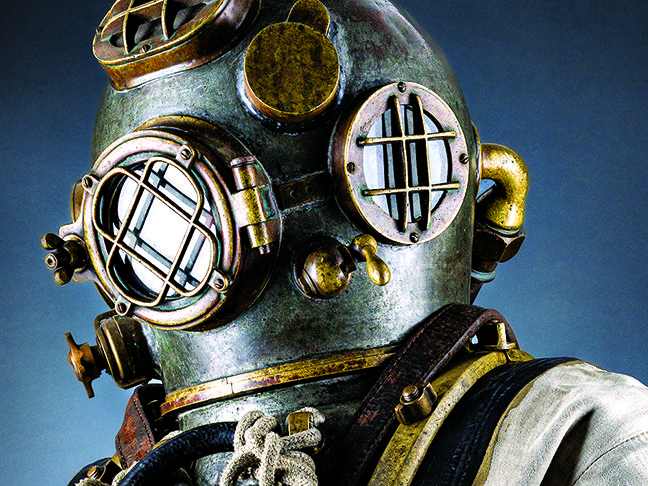
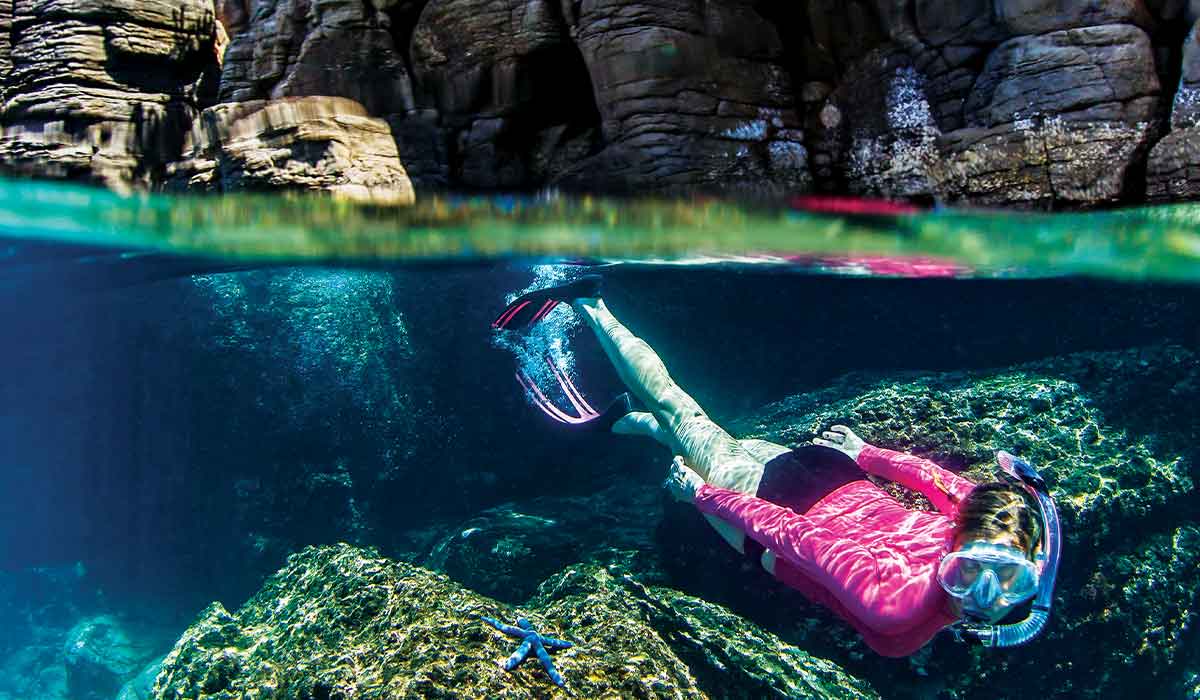
THE HISTORY OF DIVING is filled with an array of oddities and eccentricities that wouldn’t be out of place in science fiction. This fascinating universe has captured my interest for many years and recently compelled me to begin the Diver Project.
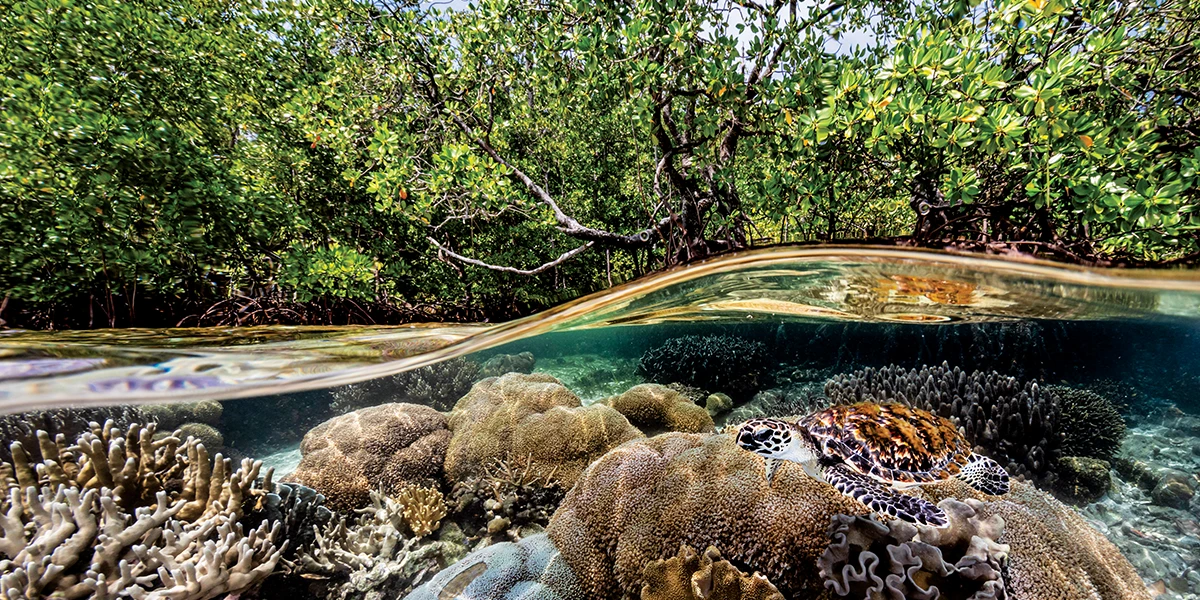
Mangroves matter. They are unique, complex habitats that guard shorelines. They connect the land to the sea, house a diverse range of animal and plant life, and reduce the impacts […]
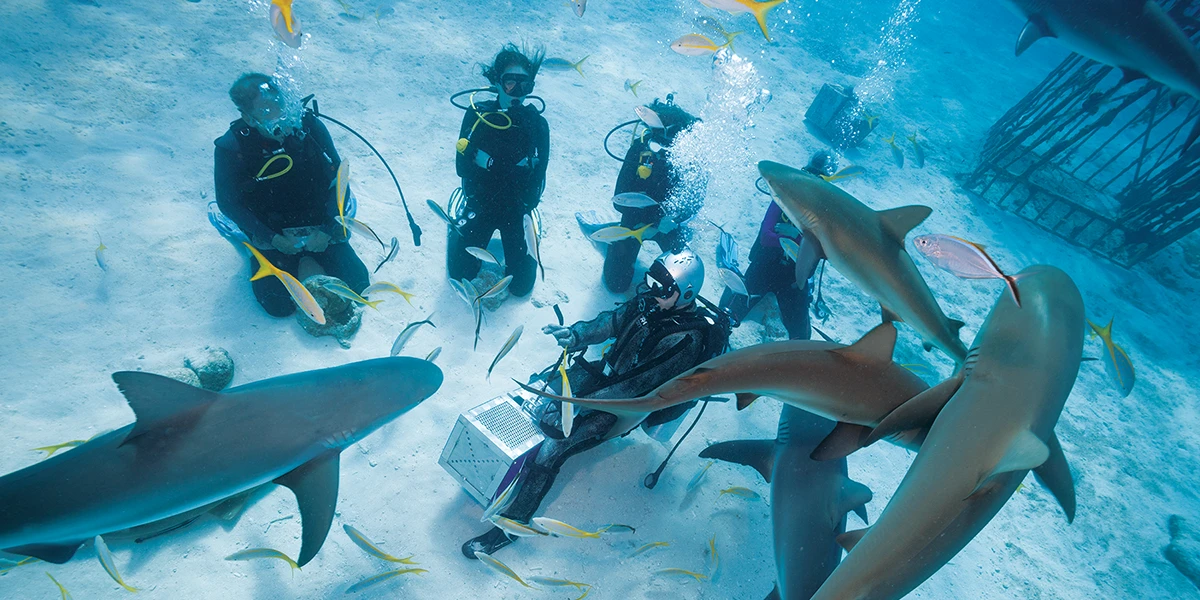
When I began working as a dive photojournalist for Skin Diver magazine in the mid-1980s I was like other photojournalists of that era, Rick Frehsee and Michael Lawrence. We all lived near enough to Miami International Airport so we could easily fly to Caribbean destinations to do articles. Our small posse was frequently sent on assignment to “the islands.”
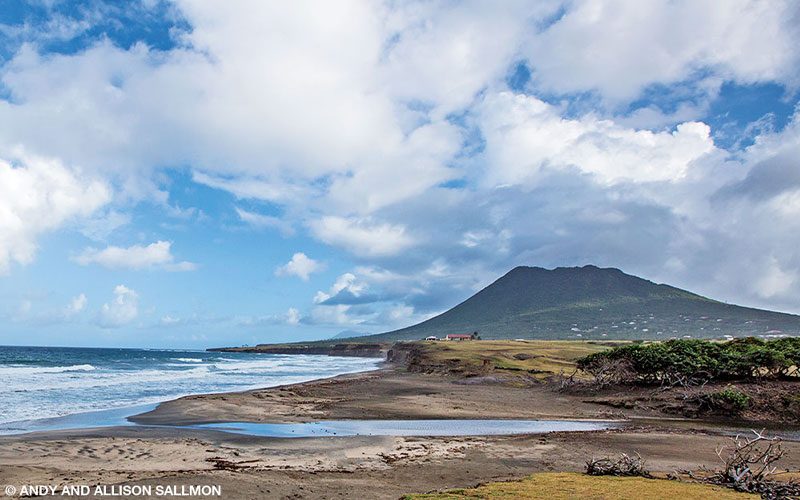
The St. Eustatius National Marine Park has a growing and proliferating reef. The island itself also has a rich past.
Recognizing the bay’s significance, in 2002 the provincial government and Conservation International established Taman Nasional Teluk Cenderawasih (Cenderawasih Bay National Park) as a marine protected area, the biggest in Indonesia.
Komodo National Park is brimming with critters — both above and below the water. One diver calls it a “wonderland.” Read more about diving the breathtaking Komodo.
The Solomon Islands do not run many land-based dive operations, however, if you’re able to dive any part in the region’s 1,100 miles of ocean, it is well worth it. Read more about exploring the Solomon Islands.
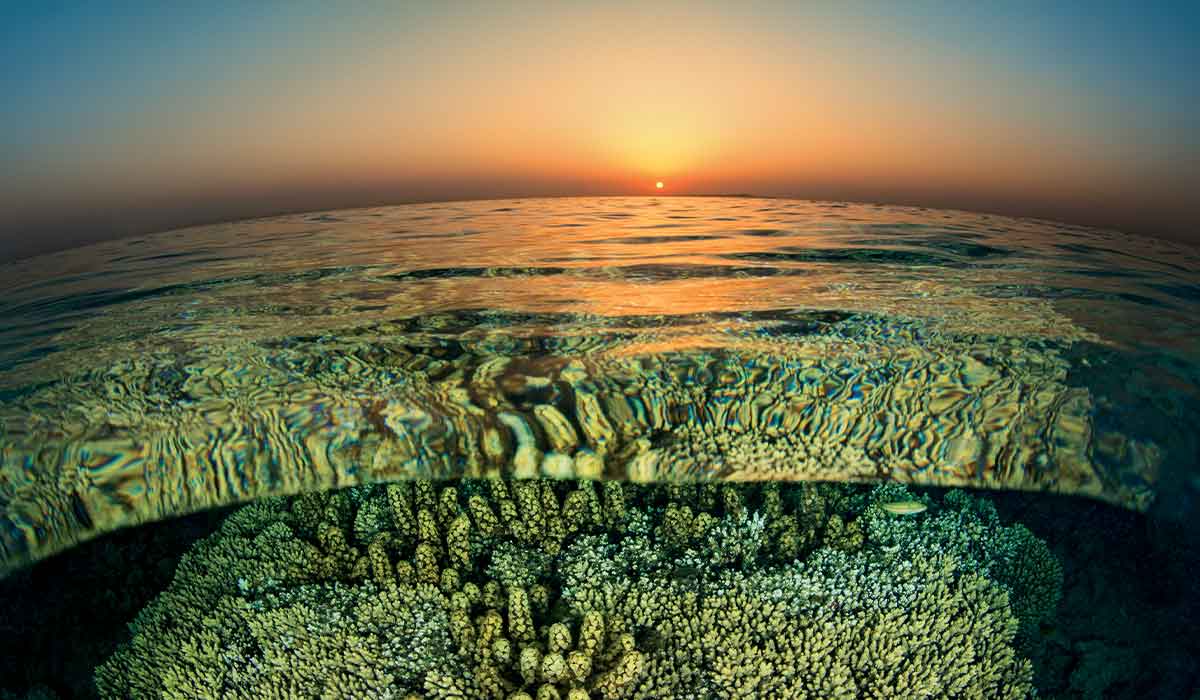
The Red Sea is a classic dive destination — a must-see locale regardless of where you live. The Red Sea has a rich variety of sea critters, landscapes, wrecks and more. Learn more about the Red Sea and how to dive it.
Lembeh Strait is known for tiny critters and macro photography, but there’s much more than muck to this Indonesian wonder. Read more about how to dive in Lembeh Strait.
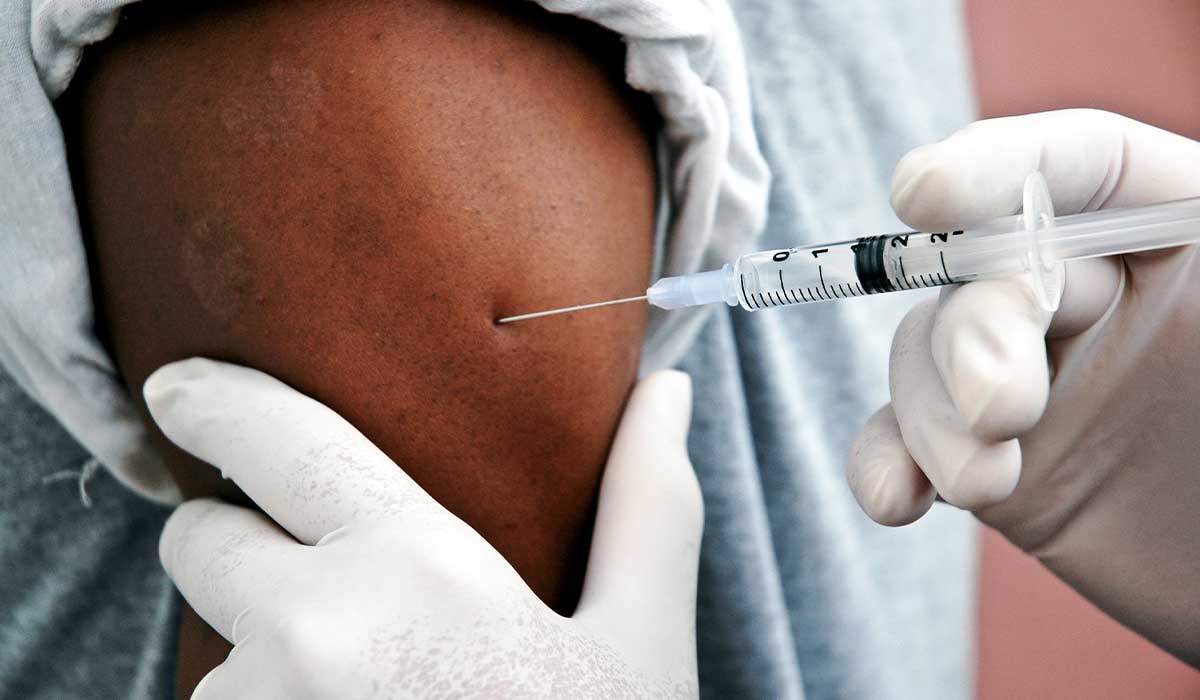
When traveling to developing countries, travelers should be aware of certain health risks and prevention strategies available. Prior to your trip, research the locale and talk to your doctor.