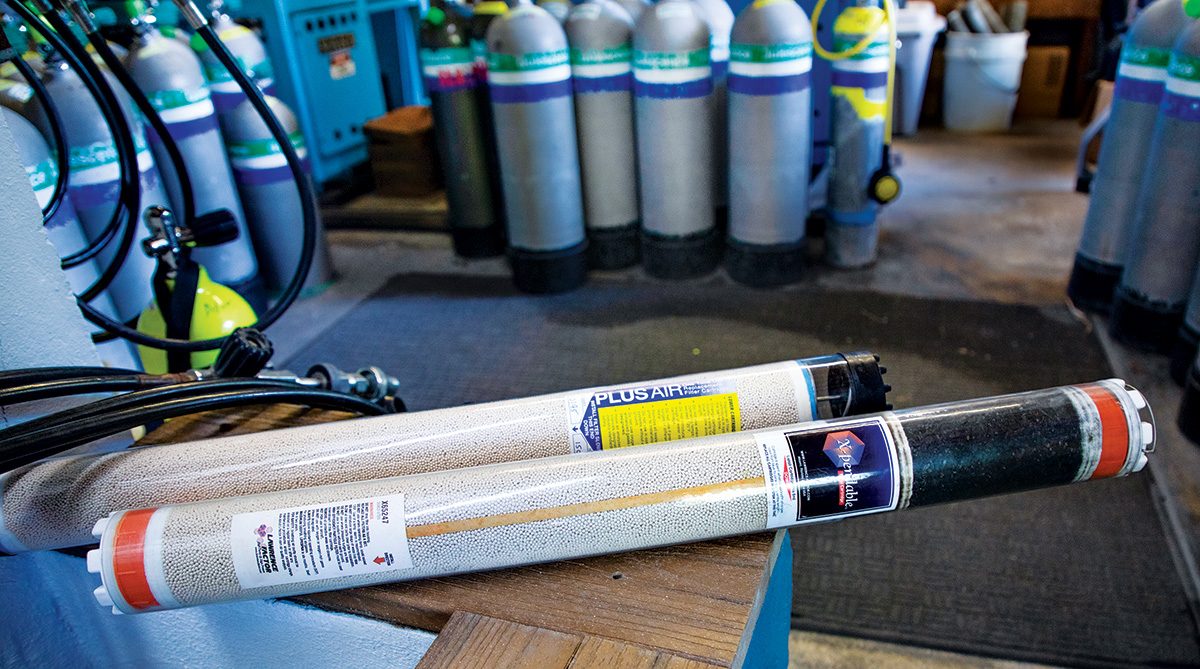
There are many standards and guidelines for safe limits, including the results of various occupational health and safety studies on the effects of extended exposure. For diving, the situation is different. So what are safe limits for recreational diving with much shorter exposures than navy divers? Particularly, what is a safe limit for carbon dioxide (CO2), the most abundant potential contaminant?
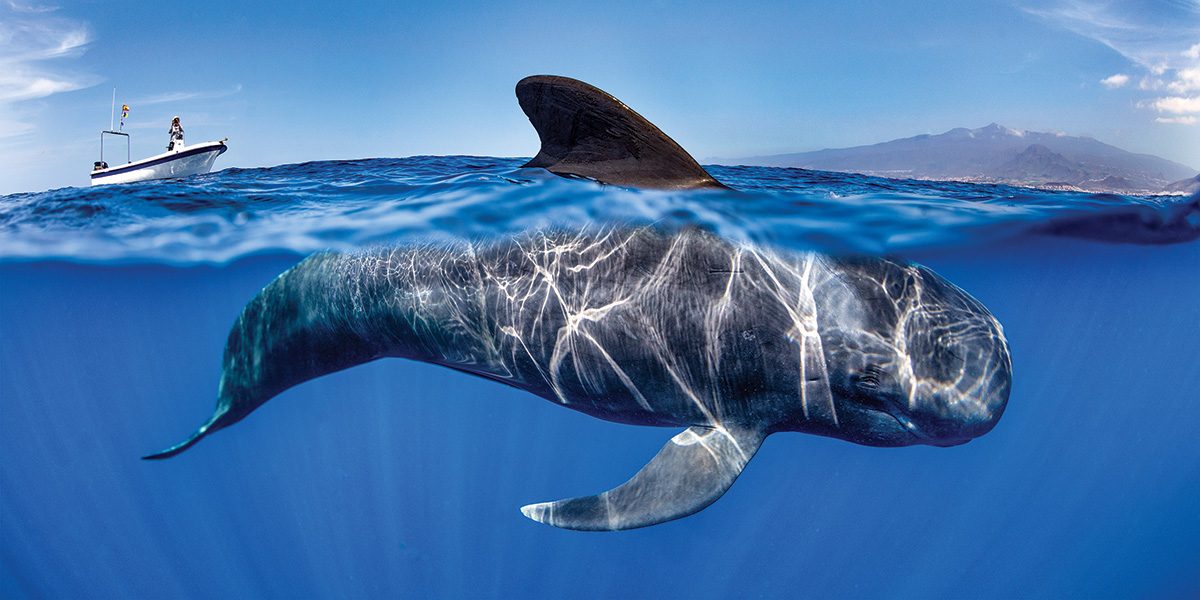
Tenerife is the largest of the eight islands that form the Canary Islands archipelago, which is part of Spain but located off the coast of Africa near Morocco and Western Sahara. Often called the “island of eternal spring” because of its sunshine and pleasant climate throughout the entire year, Tenerife is reliable and affordable, and the diving is good all year. For travelers who are not interested in diving or water sports, Tenerife offers cultural, culinary, entertainment and leisure activities as well as numerous museums and historical sites.
See a bonus photo gallery of images from Santa Catalina Island.
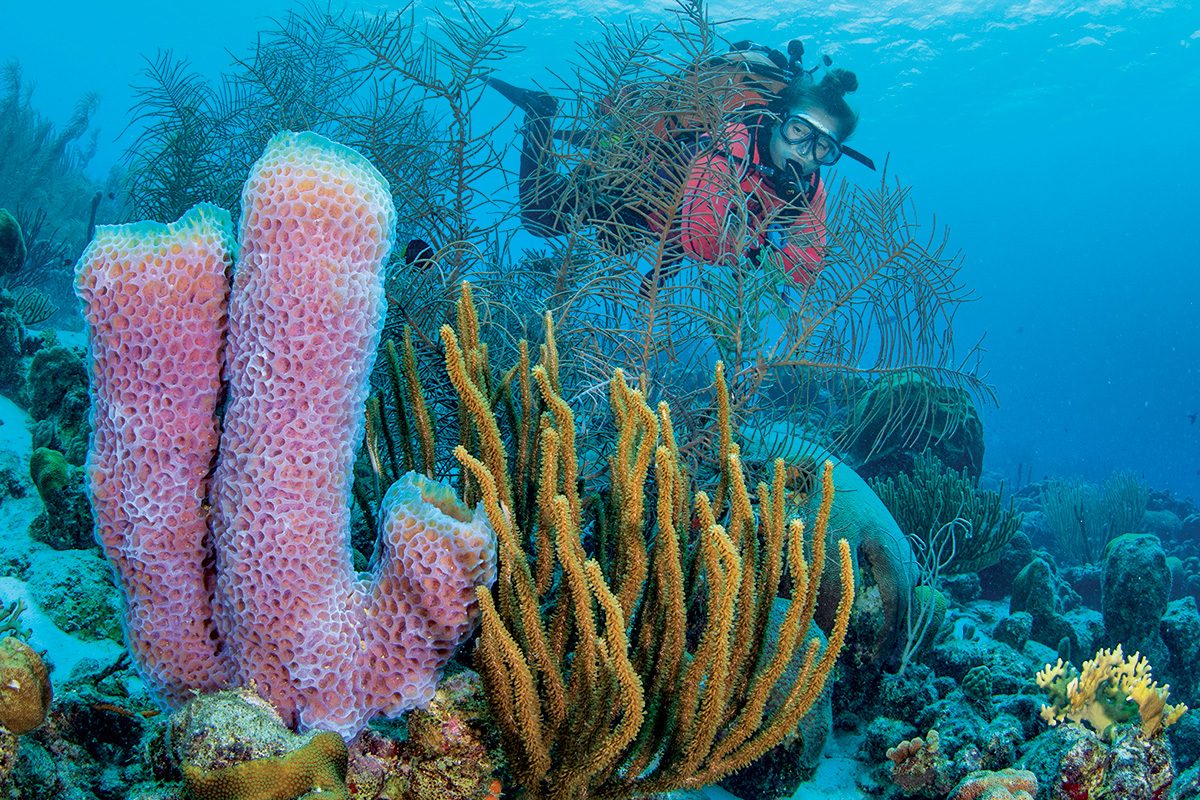
Enjoy this bonus photo gallery that accompanies the “Blessed Bonaire” feature in the Q3/Q4 2020 issue of Alert Diver.
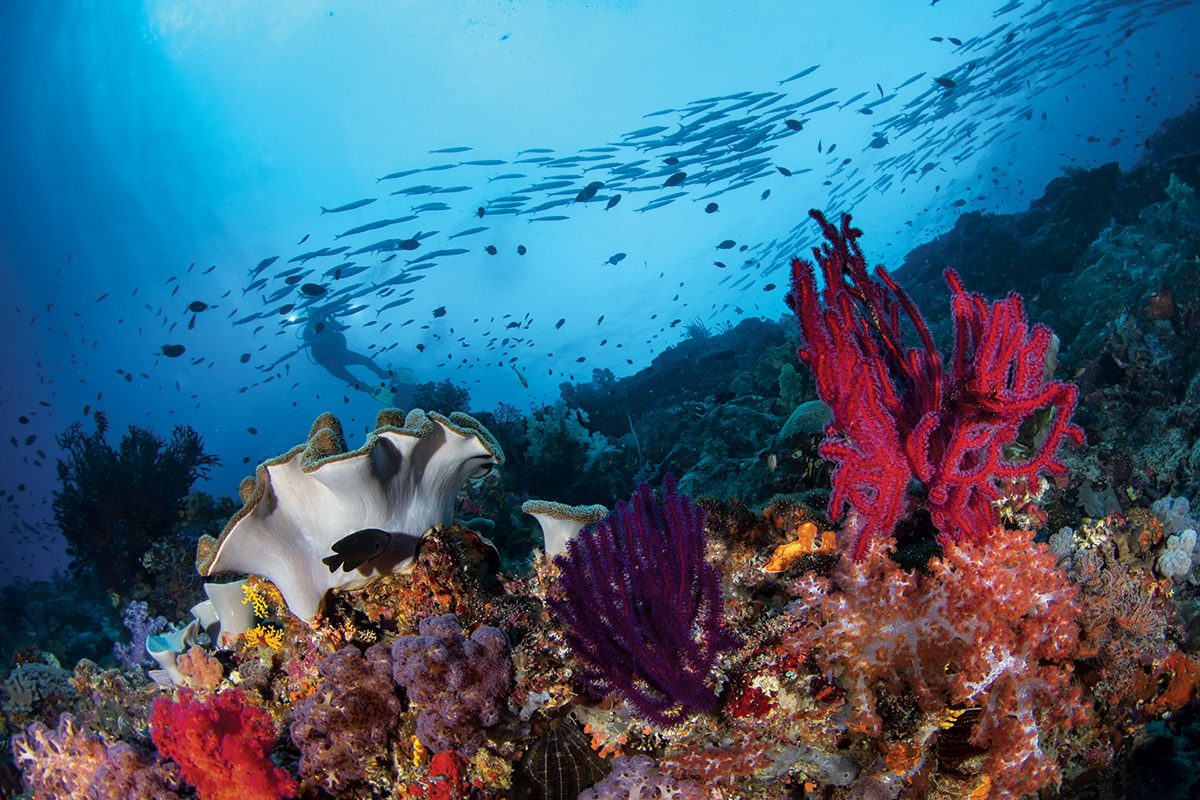
View this bonus gallery that accompanies the Q3/Q4 2020 article “Solomons Sojourn.”
Blessed by geographic synergy with the sea and the coral reef, Bonaire is a special municipality of the Netherlands. Bonaire National Marine Park features 86 dive sites marked with their names emblazoned on yellow-painted stones, all with easy access from the shore.
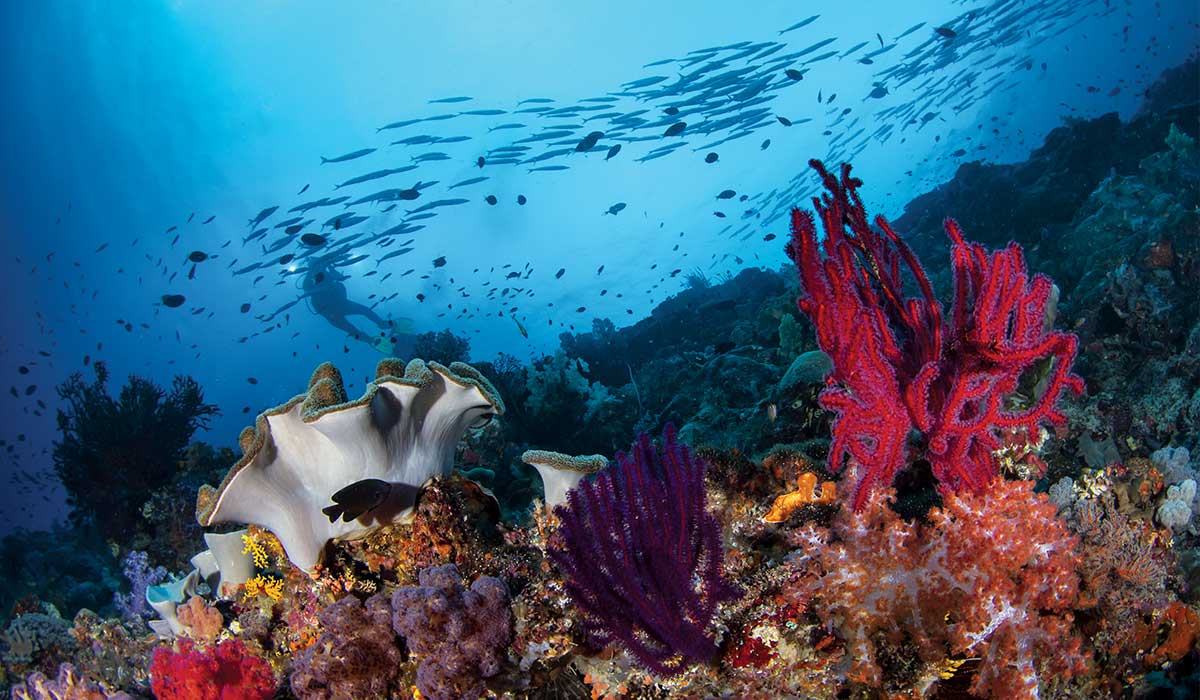
The Solomon Islands is a diverse expanse of islands that is jam packed with marine critters, plant life, history and more. The conditions are hot and humid all year round, but there is a rainy season. Learn more about the Solomon Islands.
Research has described the effects on human health of elevated partial pressures of carbon monoxide (CO) and carbon dioxide (CO2) while diving, but only occupational health and safety studies have covered solids such as oil mist and particulate matter suspended in air and only in terms of breathing at the surface.