Heated Garments
GETTING COLD ON A DIVE IS UNPLEASANT, but if it progresses to hypothermia, it becomes potentially fatal. Even more than discomfort, considering the physiological and psychological stress it can cause, being cold is potentially risky.
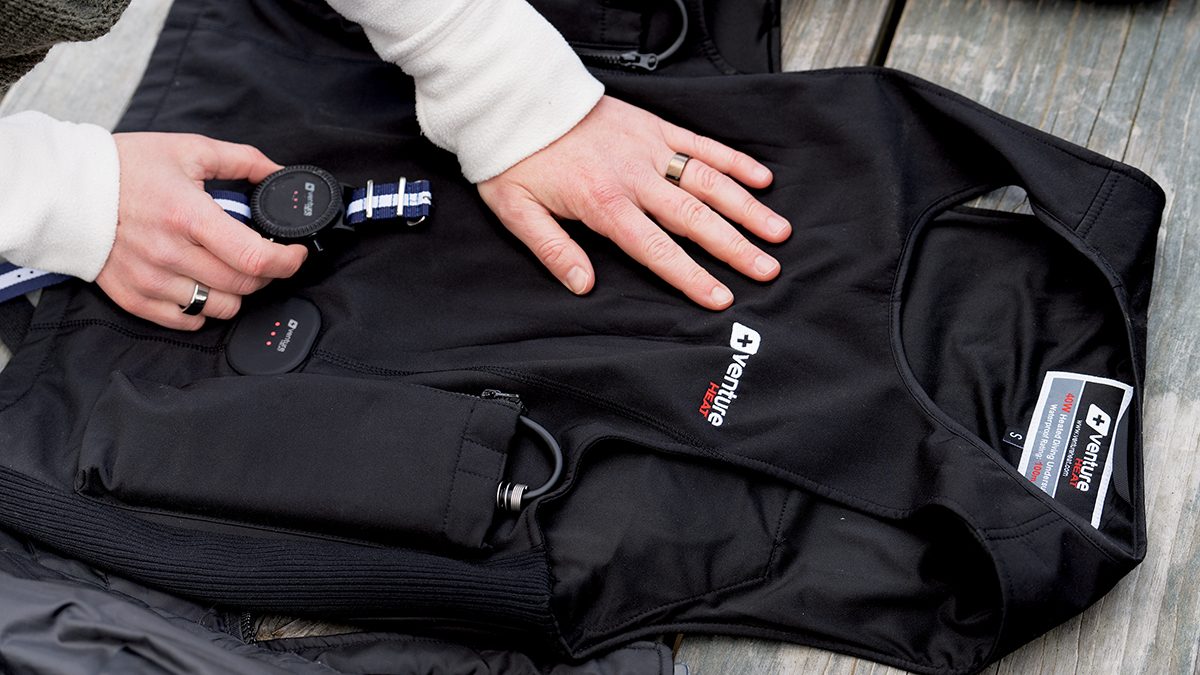
GETTING COLD ON A DIVE IS UNPLEASANT, but if it progresses to hypothermia, it becomes potentially fatal. Even more than discomfort, considering the physiological and psychological stress it can cause, being cold is potentially risky.
Divers venture into a hostile environment with no breathable air and potentially extreme temperatures. To survive these conditions, dive equipment provides life support and insulates the body, helping regulate its temperature.
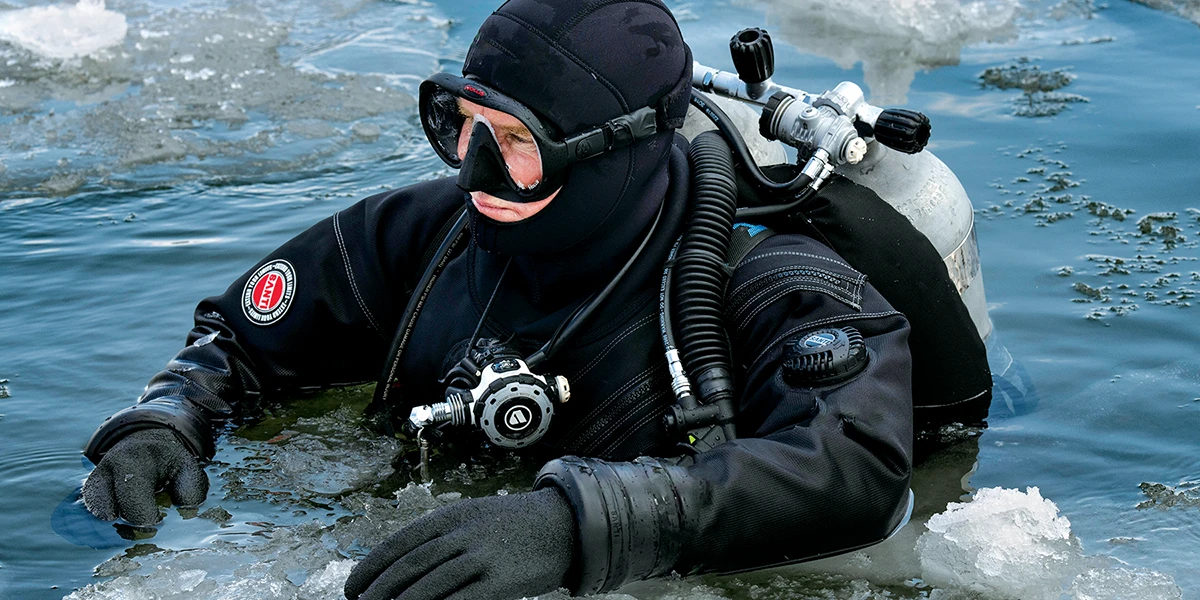
A rebreather diver respires an artificial atmosphere that changes dynamically with depth over the course of a dive.
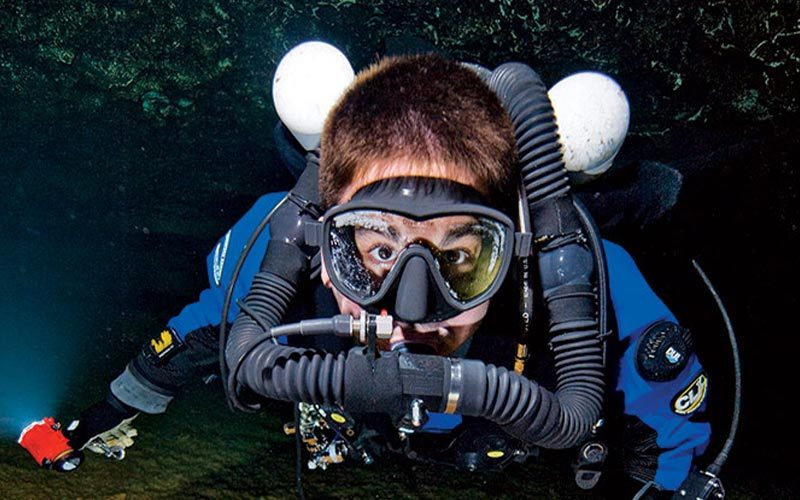
A scuba regulator enables humans to breathe regularly. Get the basics on scuba regulators.

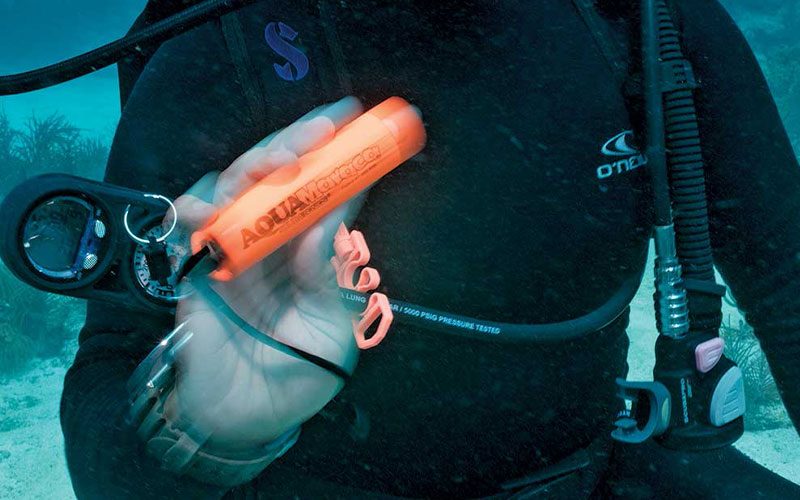
SURFACE MARKER BUOYS (SMBS) AND DELAYED SURFACE MARKER BUOYS (DSMBS) are common and essential safety devices. These brightly colored, inflatable tubes, sometimes called safety sausages, are critical pieces of equipment […]

Enriched air, or nitrox, has become a trusted way for many recreational divers to extend no-decompression limits and reduce fatigue. By increasing the oxygen content and reducing nitrogen absorption, divers […]
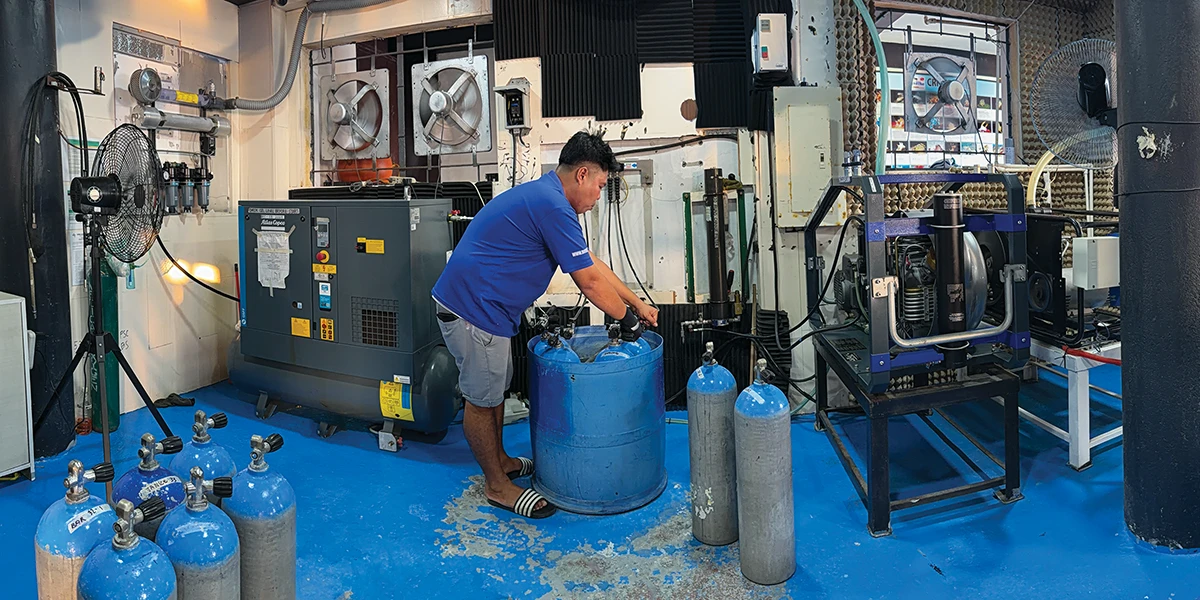
Faulty or improperly used gear can quickly change and impact a dive. Read gear-related dive incident reports and avoid these mistakes.

Do you know how to find the right pair of fins to fit your feet? Read our best tips on finding the right fins for you.

DIFFERENT TERMS CAN SOMETIMES DESCRIBE the same piece of equipment in the dive industry. What some divers call a dive light, for example, others call a dive torch. They are physically identical, so the names are interchangeable …

Quality dive accessories exist to make diving not only safer but also simpler and more enjoyable. Get tips and the inside scoop on the best dive accessories you didn’t know you needed.