Left at Sea
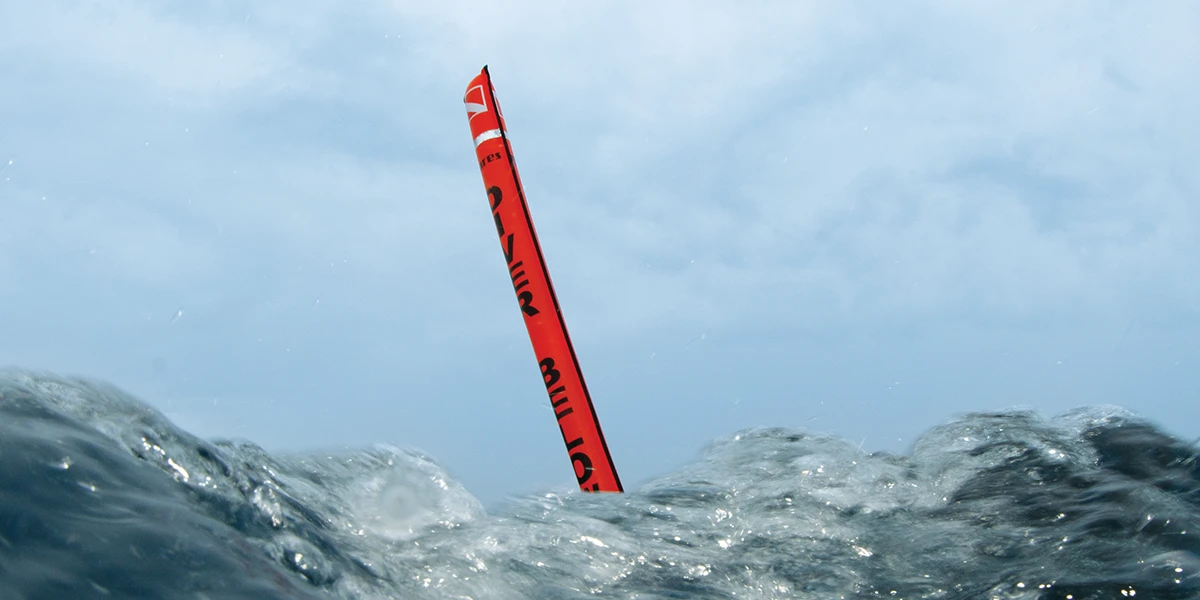
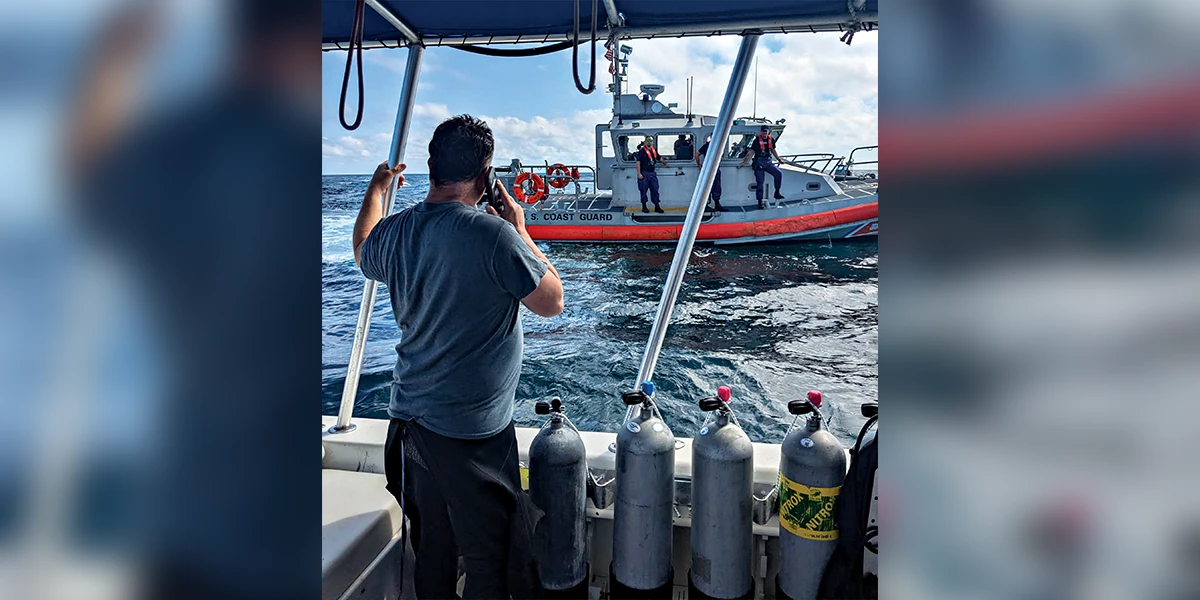
When diving offshore, always carry emergency signaling devices such as a surface marker buoy, signal mirror and emergency strobe.
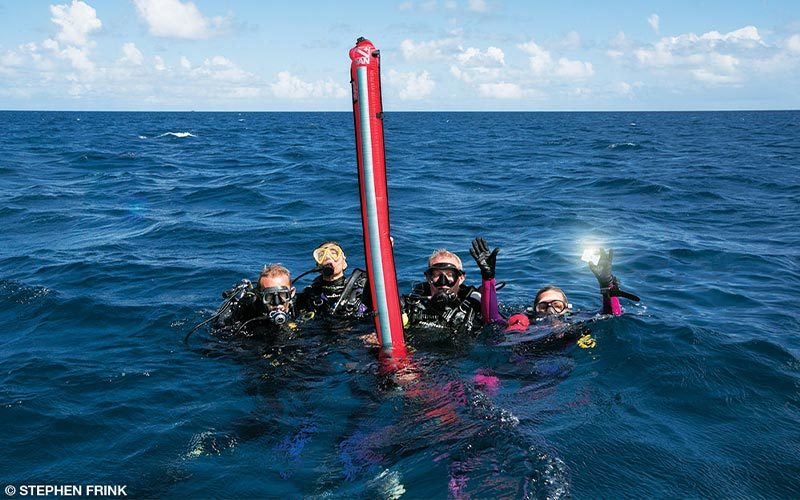
When diving offshore, always carry emergency signaling devices such as a surface marker buoy, signal mirror and emergency strobe.
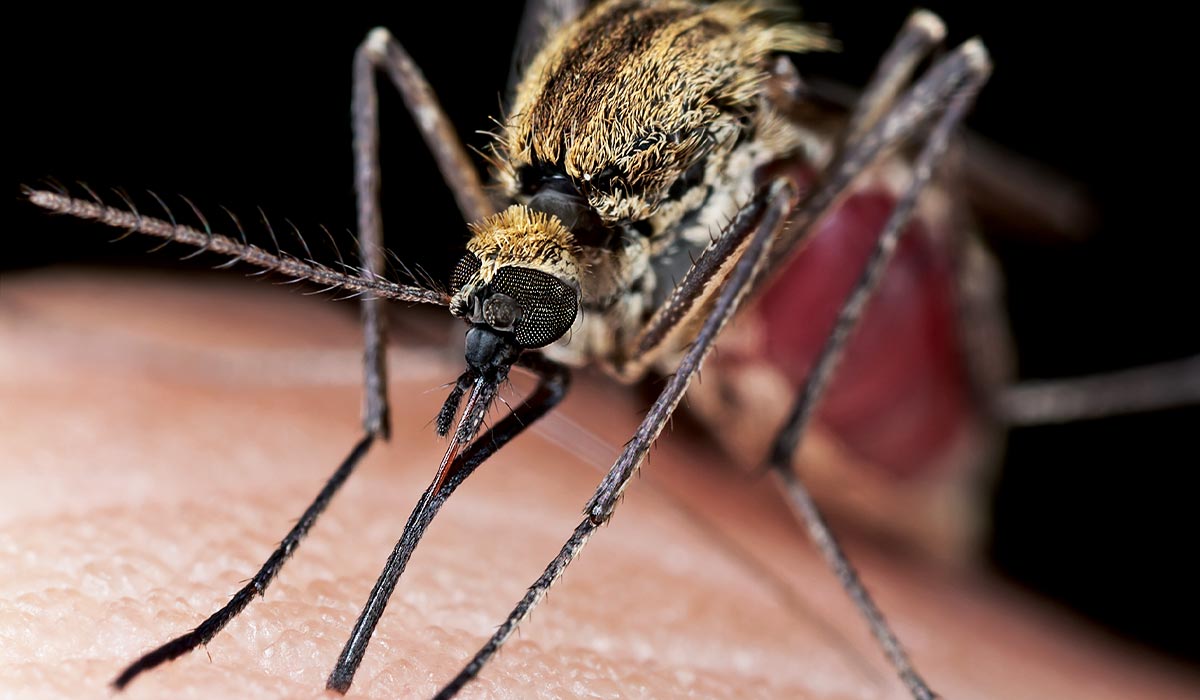
Dengue fever is a mosquito-born infection and infection rates are rising in certain parts of the world. A diver unfortunately contracted dengue fever while on a trip.
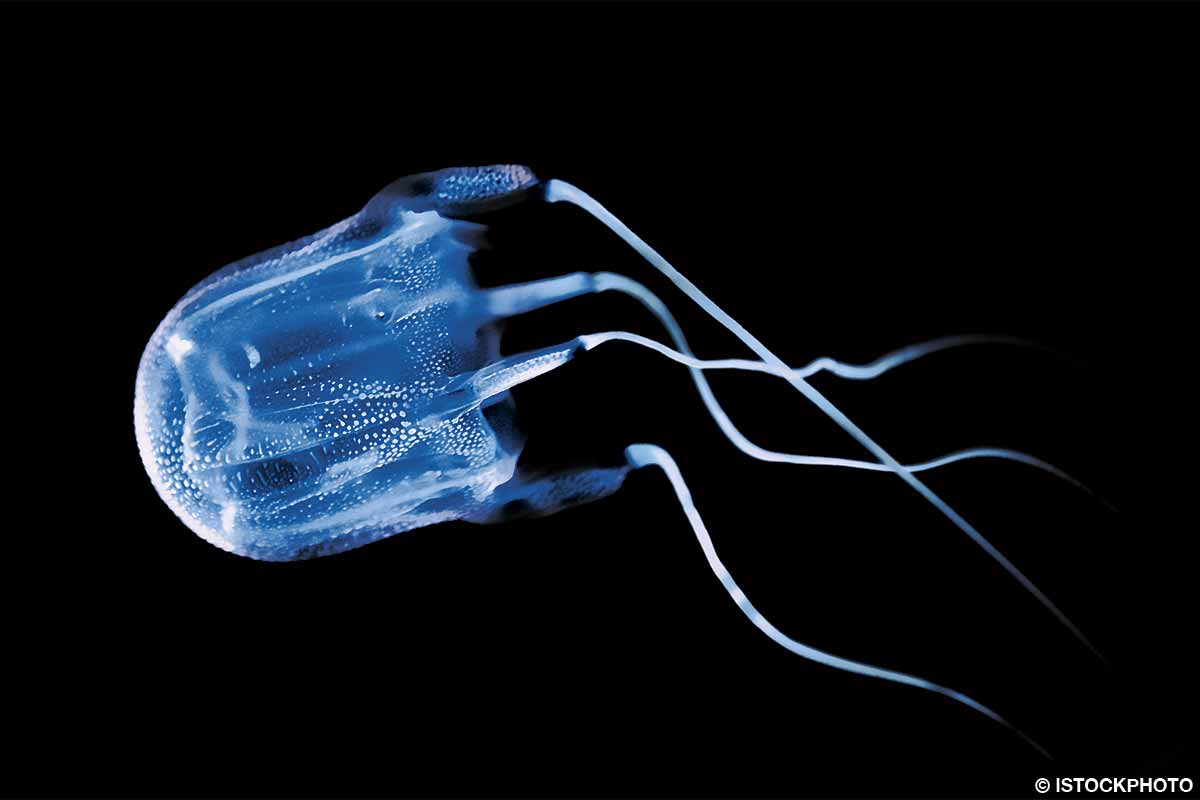
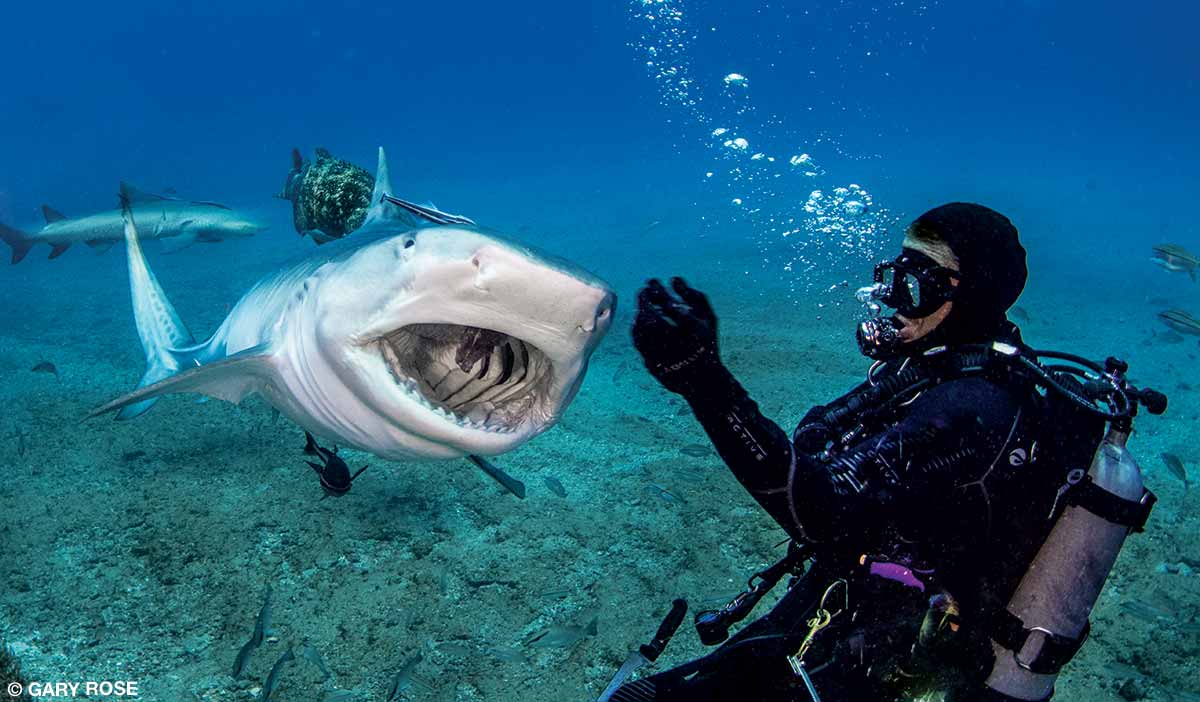
Nitrogen narcosis can lead to deadly consequences. Understanding the risk factors and ensuring that you and your dive buddies have discussed how to mitigate risk can potentially save lives. If you are stung by a jellyfish, watch for symptoms associated with Irukandji syndrome. If symptoms develop, know that it is a potentially deadly condition that doctors can help treat. Pay attention to local marine life bulletins and announcements. The best ways to mitigate jellyfish envenomation risk are to wear full exposure suits and avoid jellyfish when they are prevalent in the water.
People expect recreational diving to be an enjoyable experience of adventure and fun. Divers are explorers and retain a sense of optimism regardless of how many dives they have done. While we dive with great expectations, incidents do occur — often when we least expect them.
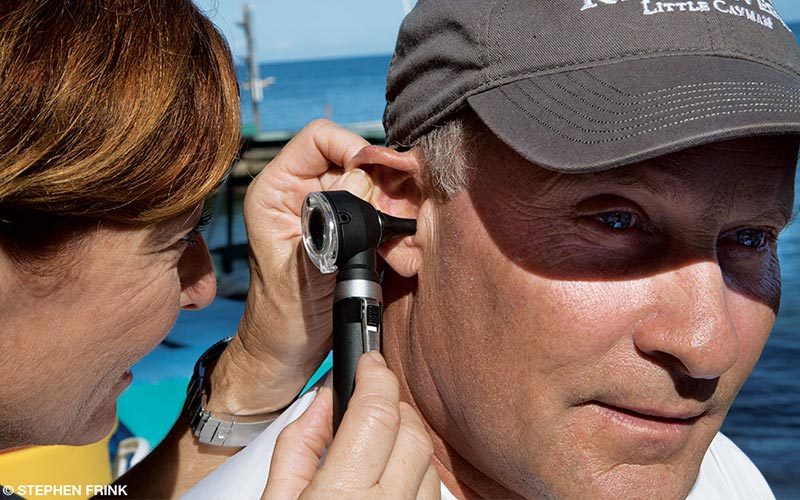
Ear barotrauma (pressure-related injury) usually occurs in divers’ middle ears, often as a result of congestion. In this unusual case, however, a diver experienced ear barotrauma that resulted from accumulation of ear wax in his ear canal.
Ensure your dive shop has properly trained and certified technicians. One couple dealt with a terrible ordeal because their scuba cylinders were improperly checked. Read more about the incident.
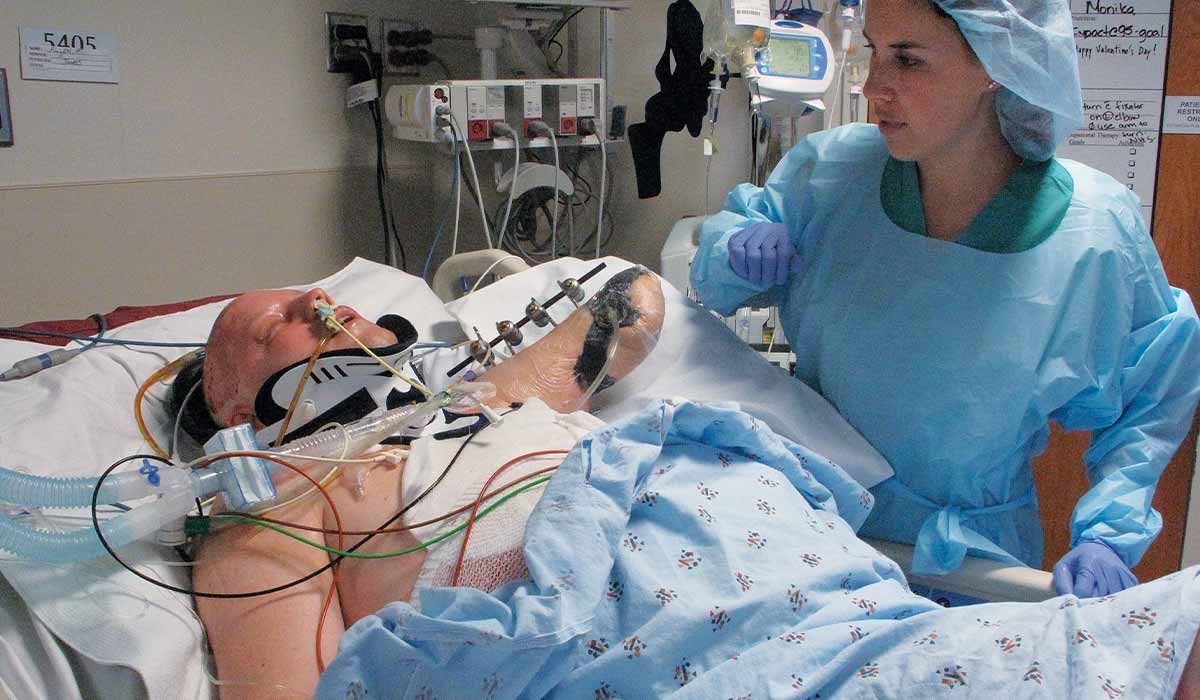
With adverse events, there is almost always a cascade in four phases: the trigger, the disabling agent, the disabling injury and the cause of death. Individually, each event is avoidable. Recognizing one at the time of occurrence is an opportunity to react and attempt to mitigate the risk before it becomes a problem. In root cause analysis of adverse events, the most significant factors are the lack of recognition and failure to react to the event.
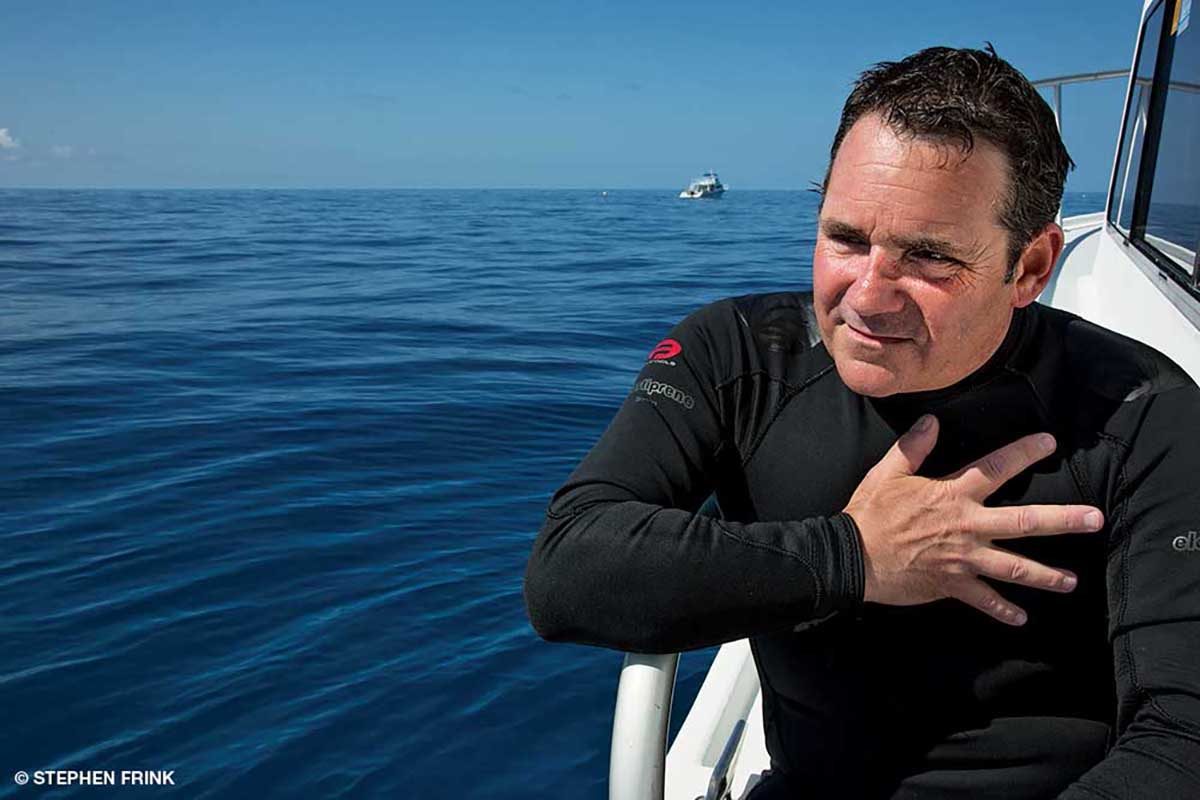
Have you ever asked yourself, “What is my biggest fear in diving?” My fear has always been getting lost at sea. I am a technical diving instructor with almost 4,000 dives, and I’ve done plenty of boating, drift diving, and dealing with current.
A 38-year-old diver suffered from a burning sensation in his throat and had discomfort in his neck. The diver had pulmonary barotrauma. Read more about his incident.
Post dive, a diver had immediate symptoms including shortness of breath and tingling extremities, but the dive boat did not recommend emergency treatments. The situation progressively worsened. Read more about the incident.