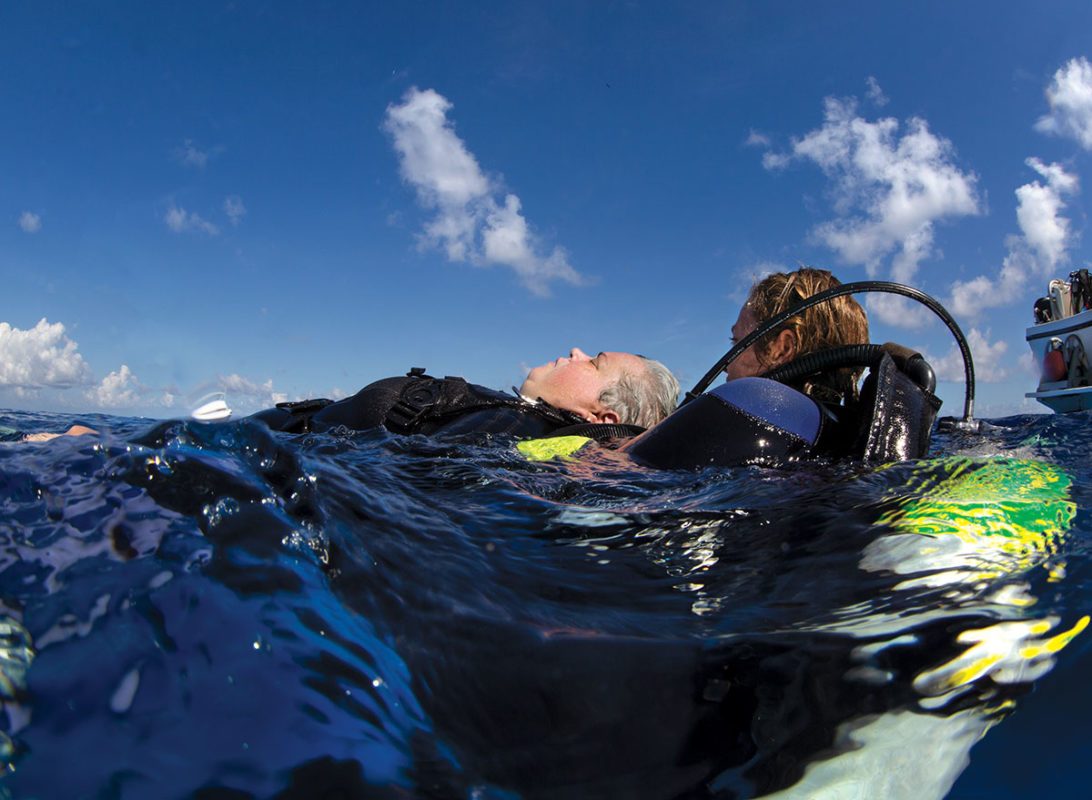
Sea Lion Bite
Although uncommon, unprovoked sea lion bites can occur, and divers should be aware of the potential hazard. Learn more about how one diver received a bite and how the wound was treated.
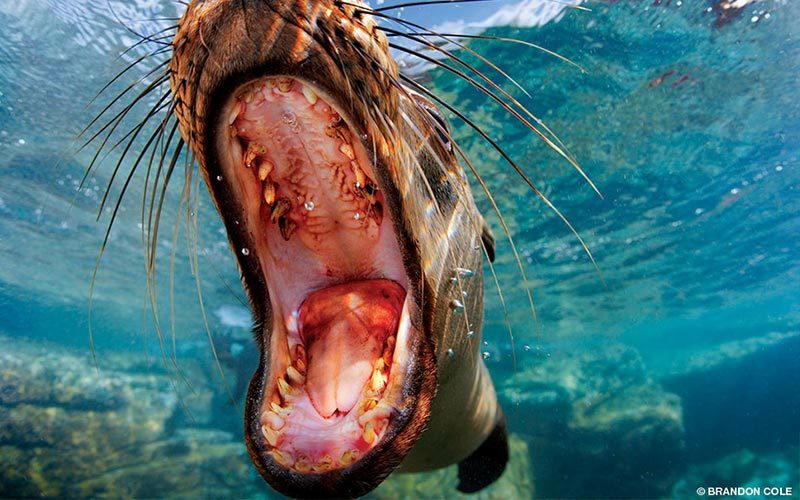
Although uncommon, unprovoked sea lion bites can occur, and divers should be aware of the potential hazard. Learn more about how one diver received a bite and how the wound was treated.
Skin bends can prevent unfamiliar symptoms and may go unnoticed or underreported. If you’re experiencing skin bends or unknown symptoms, call a doctor. Read an incident of skin bends.
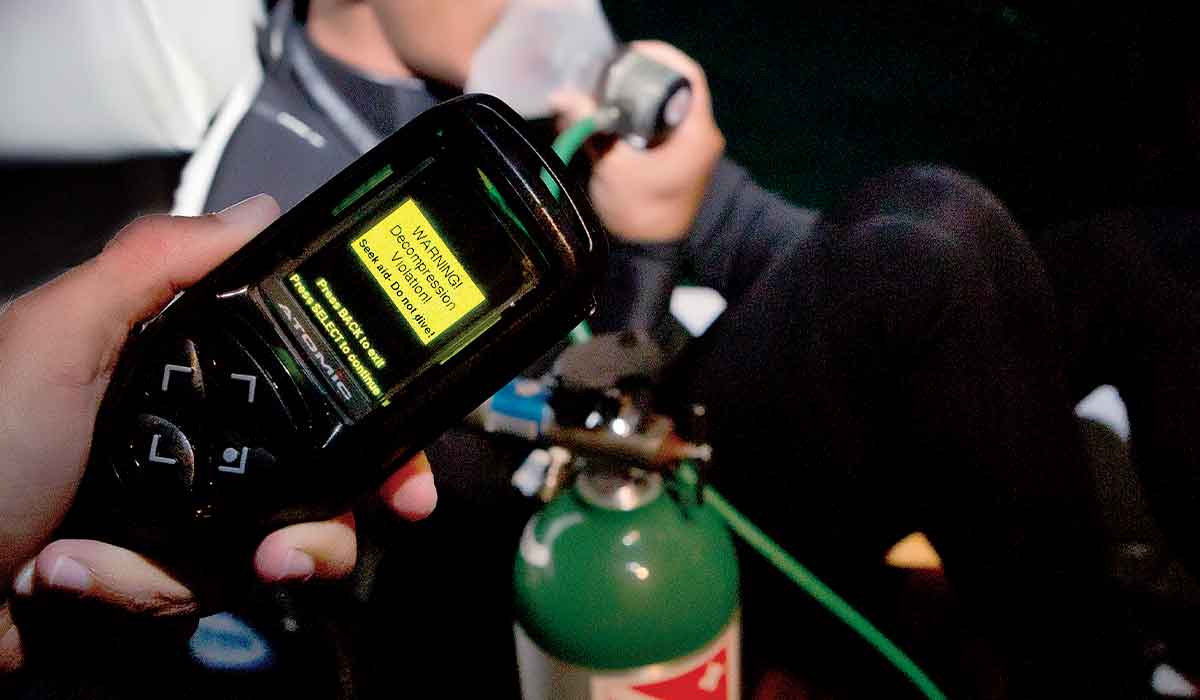
DAN EMERGENCY SERVICES RECEIVED A CALL via satellite phone from a liveaboard anchored off a remote island in the Galápagos. A DAN member was concerned about their bunkmate exhibiting symptoms […]
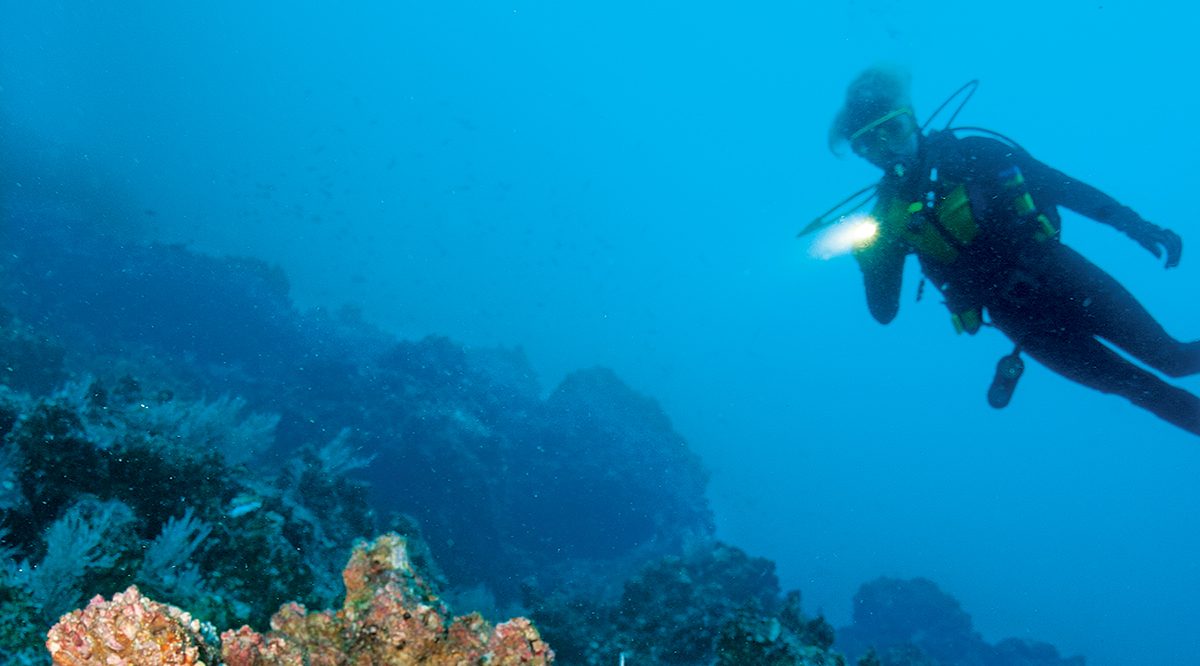
Even experienced divers and instructors may unexpectedly experience lightheadedness or loss of consciousness during a dive for numerous reasons. Causes may include decompression illness, barotrauma, gas contamination, dehydration, stroke, seizure, […]
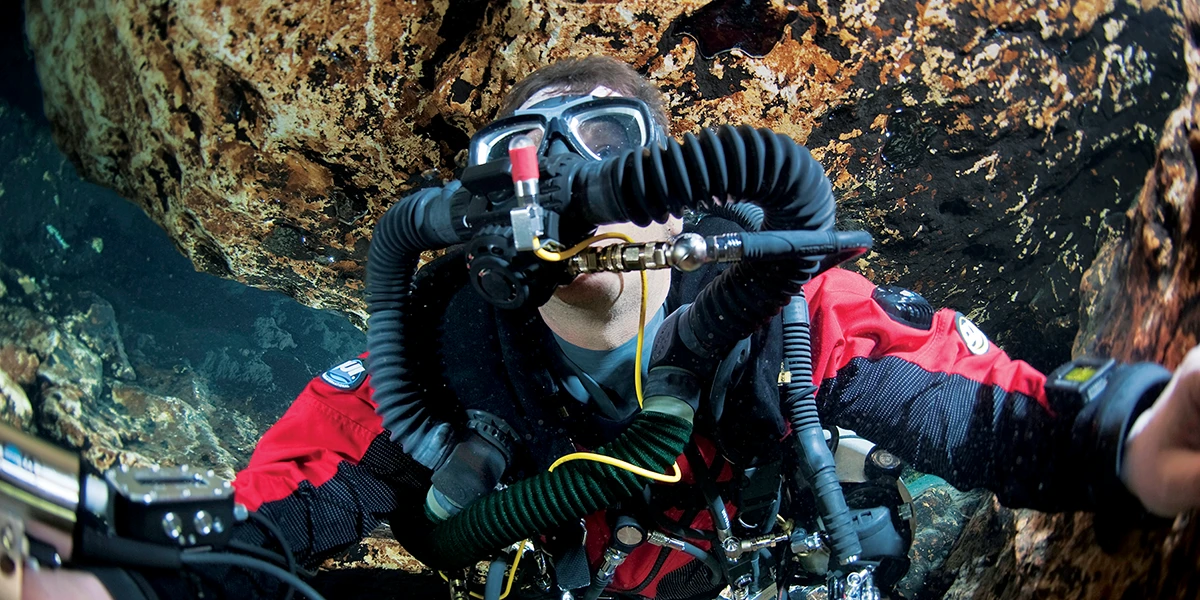
Read one diver’s story about how a routine dive resulted in vomiting and other uncomfortable symptoms.
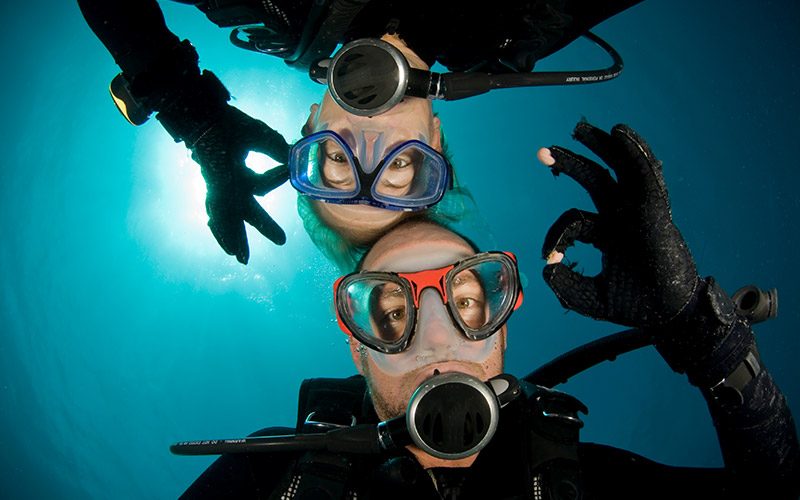
A mother opens up about losing her daughter in a dive accident. The incident was a result of her daughter and the dive buddy being inexperienced for the dive. Read more of this painful story.
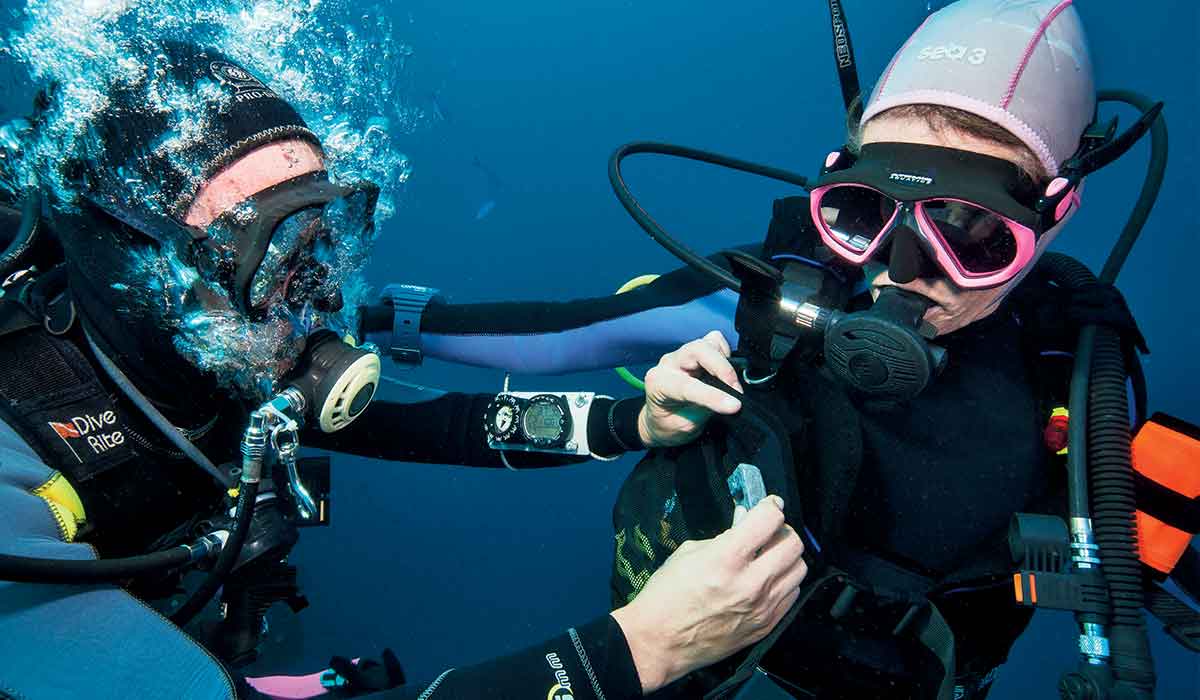
A COMMERCIAL DIVER FRIEND TOLD ME YEARS AGO that people like me — recreational divers who do commercial diving work — are often referred to as yahoos.
I was always comfortable underwater and, at 78 years old, still am.
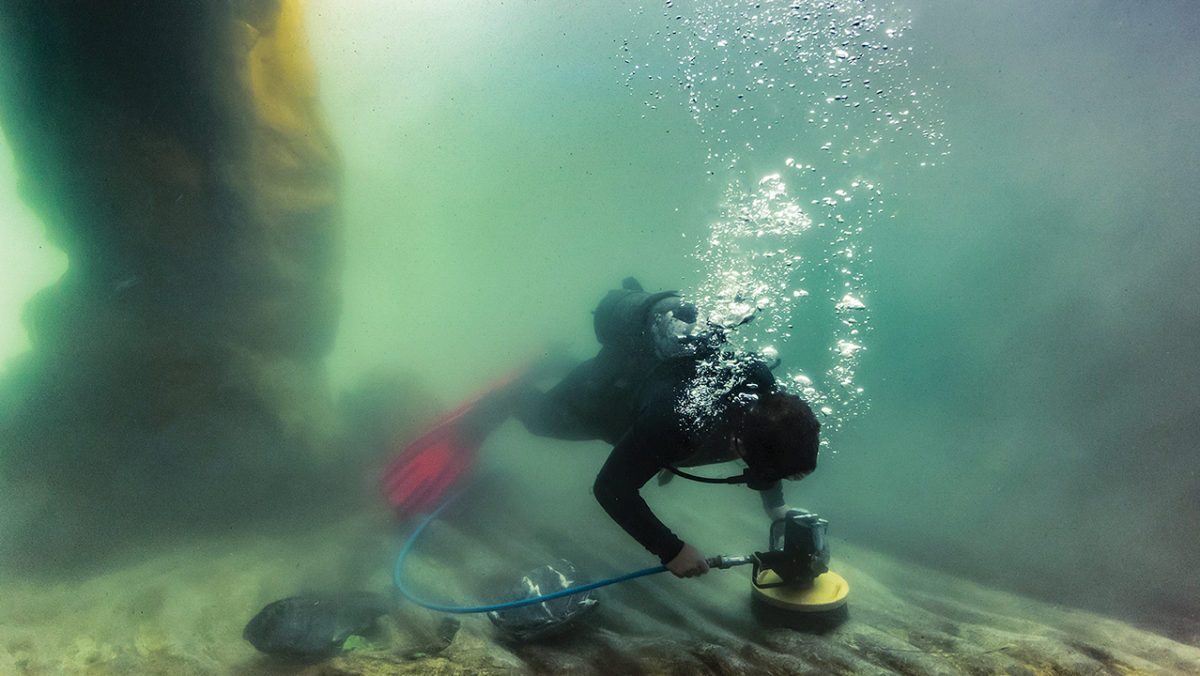
A young diver performed a shallow dive and later ascended very rapidly. Symptoms were severe but were not decompression sickness. Learn more about the incident.
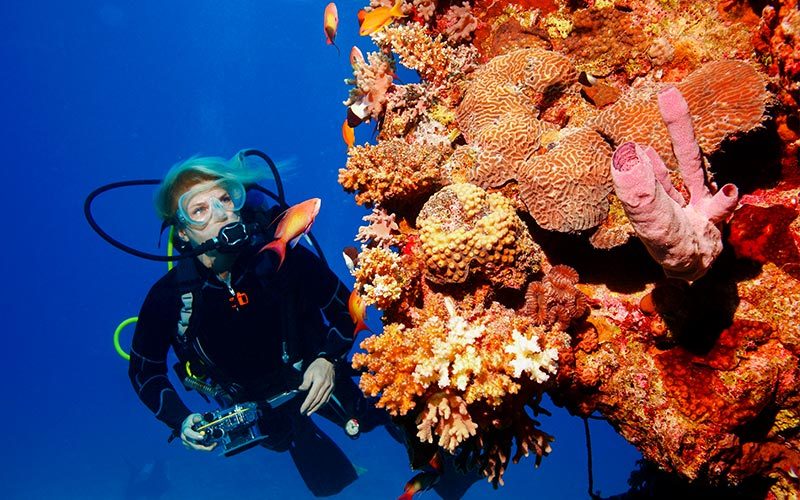
Proper care of injured divers means ruling out all possibilities. Read the story of a dive incident and differing diagnoses.
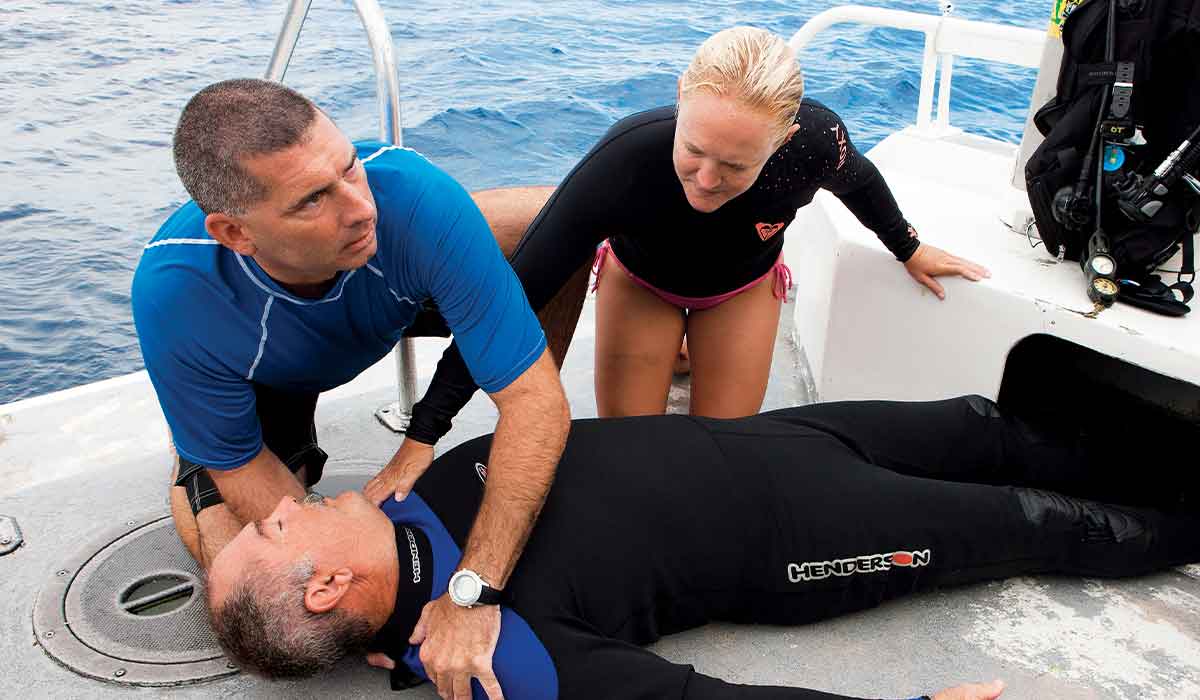
My first reality check as a dive professional came after a week of working with a couple. Every day they asked for private dive guides and customized support.