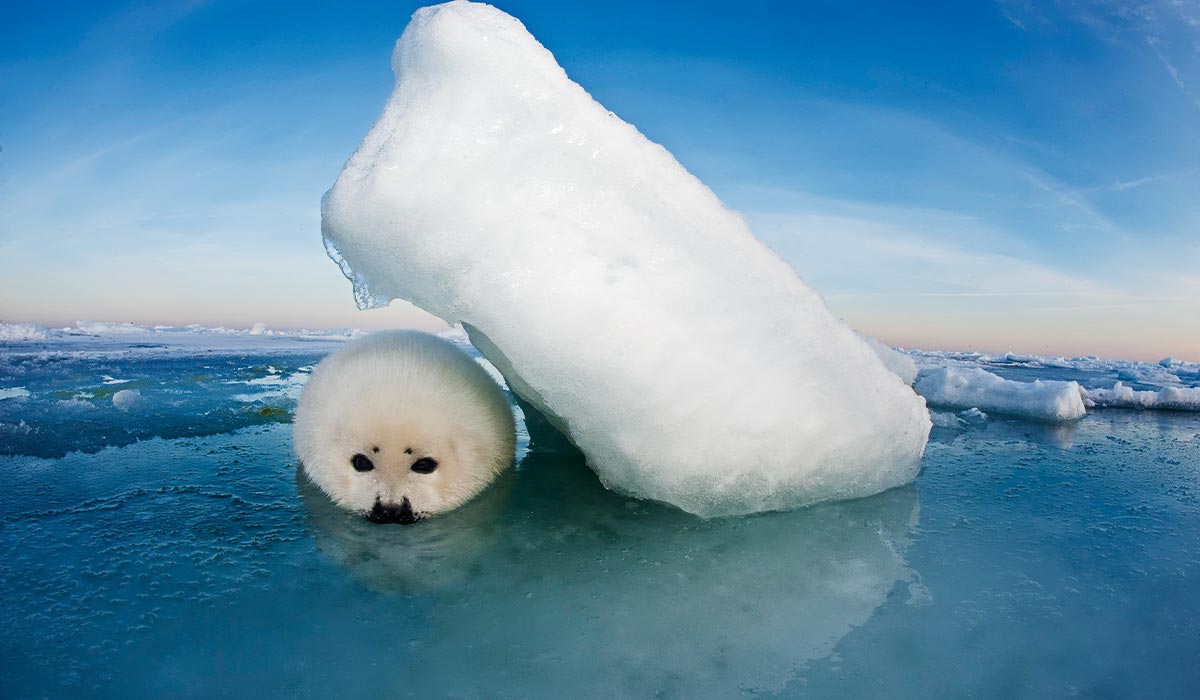
Diving into Lake Champlain’s History
October is the perfect time to enjoy Lake Champlain’s wrecks as well as the surrounding colorful foliage. The dive destination has a lot to offer. Learn more!
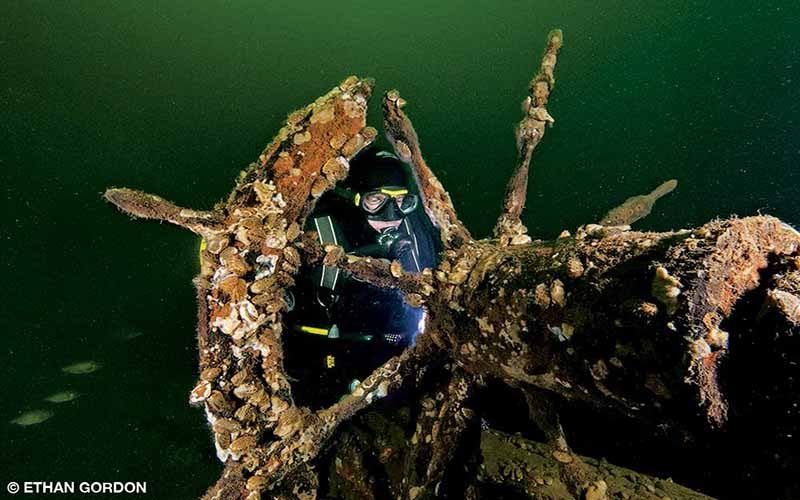
October is the perfect time to enjoy Lake Champlain’s wrecks as well as the surrounding colorful foliage. The dive destination has a lot to offer. Learn more!
Don’t let its size fool you: Rhode Island offers divers a lot to see — including some great shark sightings. Read more about where and how to dive in Rhode Island.
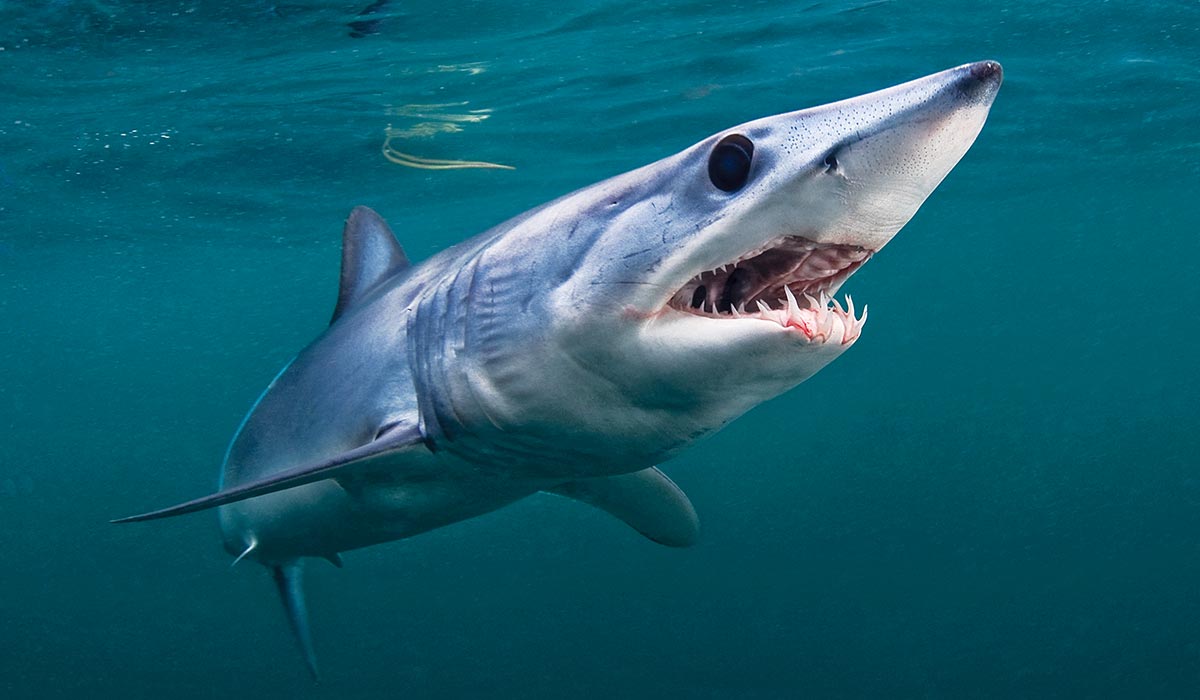
North Carolina boasts 301 miles of coastline and is known as a wreck diver’s paradise. There are wrecks for every experience level from novice to advanced technical diving.
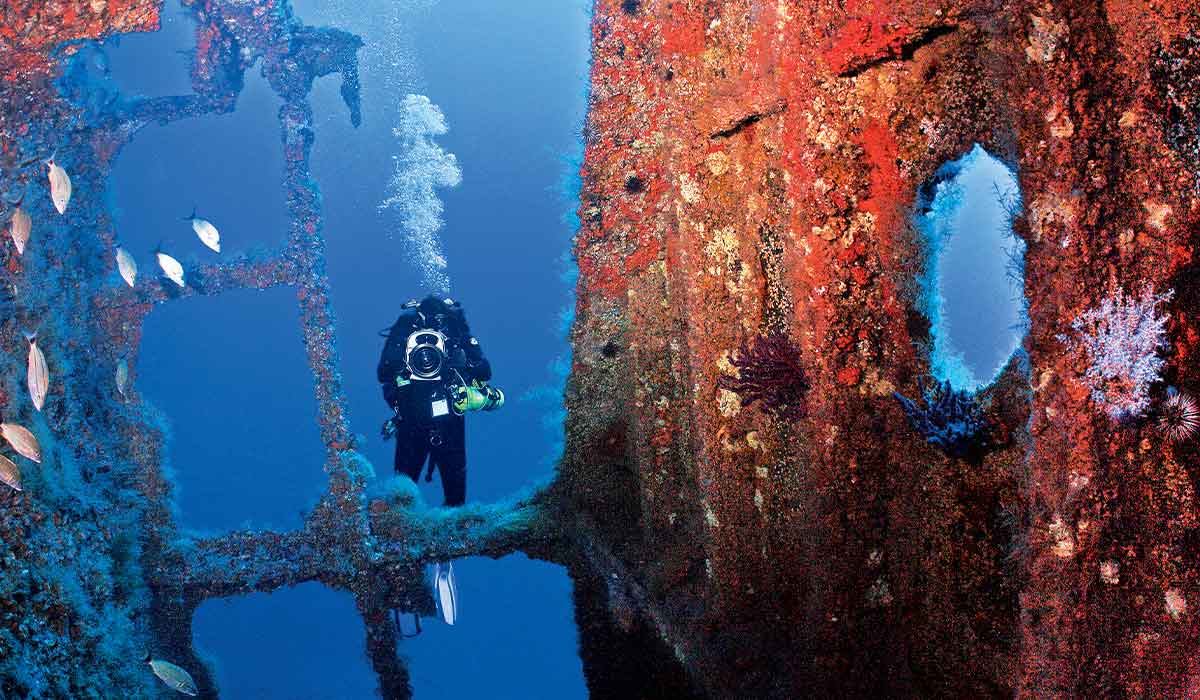
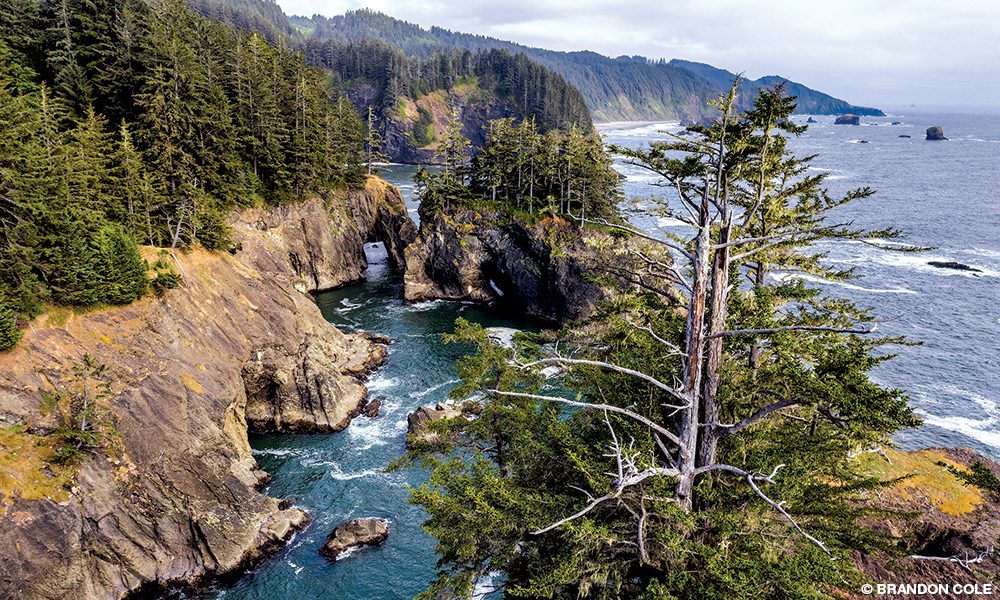
OREGON IS A PERPETUALLY POPULAR West Coast travel destination, especially for climbing, skiing, walking through verdant forests, or strolling along sandy beaches … and SCUBA DIVING!
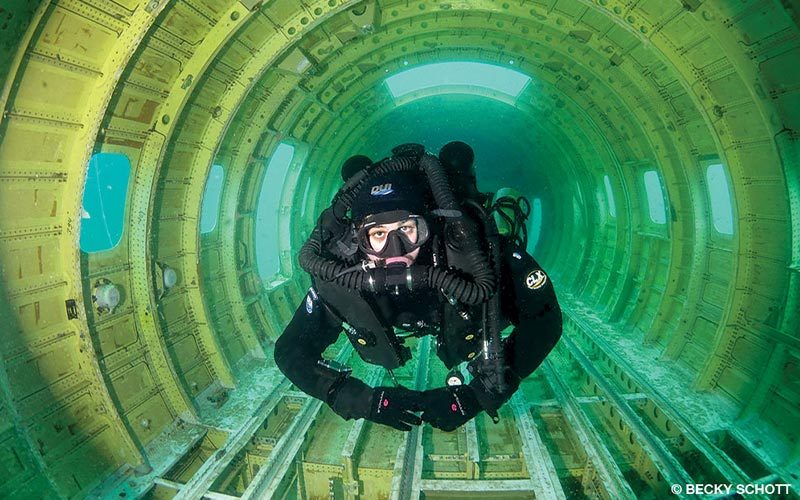
Pennsylvania is not known as a premier dive destination, but on the east side of the state is a gem for divers. Dutch Springs is an old quarry-turned-lake and was made into a scuba diving facility.
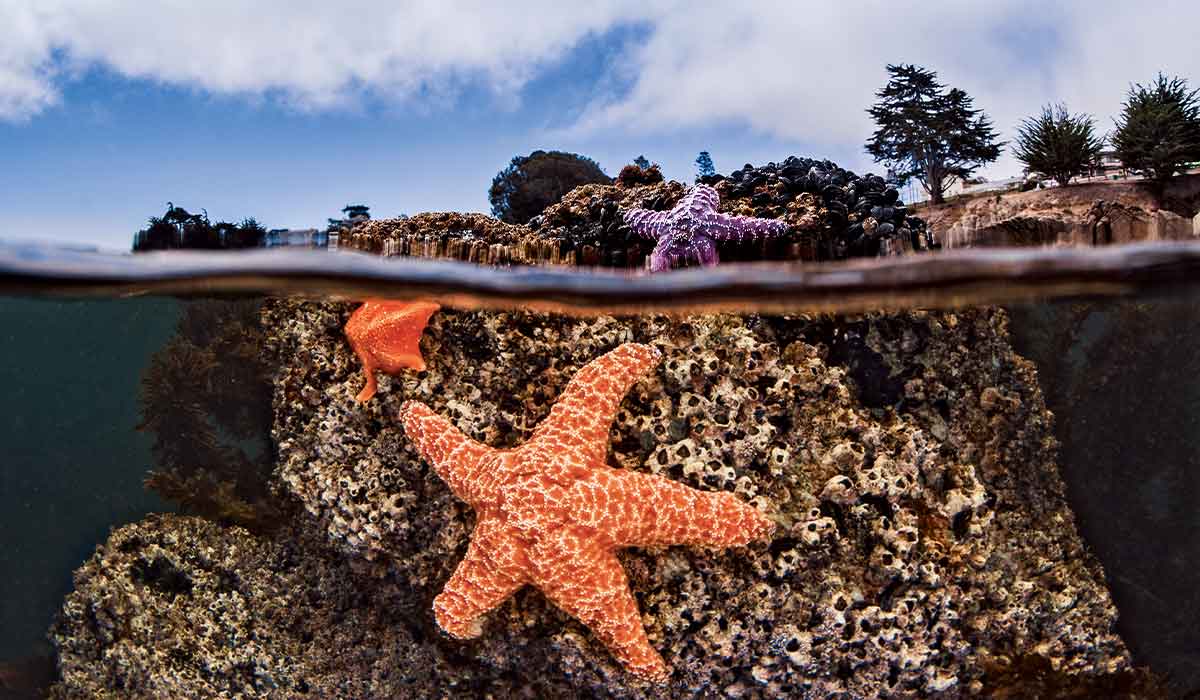
Monterey Bay and Carmel Bay in California are great places to dive. The waters are temperate and the marine protected areas offer great sea life. Read more about diving the bays.
Anacapa Island, California, offers divers pristine coral reefs, undersea arches, abundant fish and playful pinnipeds — allwithin 14
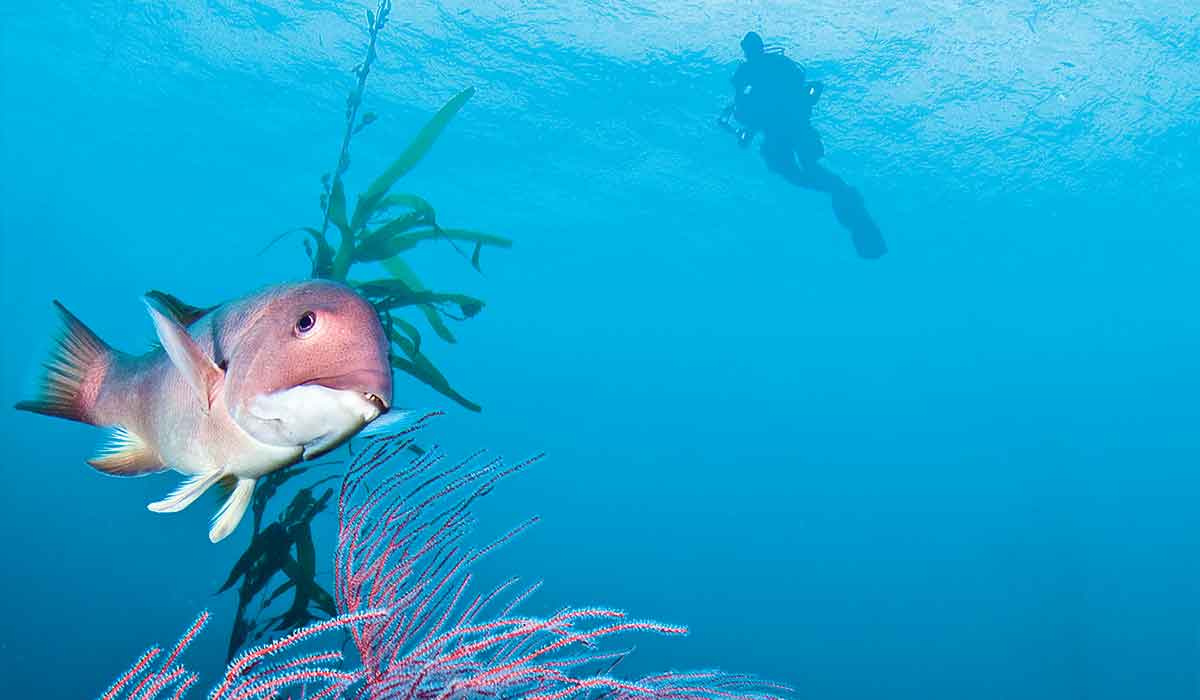
WHEN I MOVED TO SAN DIEGO, CALIFORNIA, from New England in January 2007, I knew next to nothing about the area. As I made my way across the country, I […]
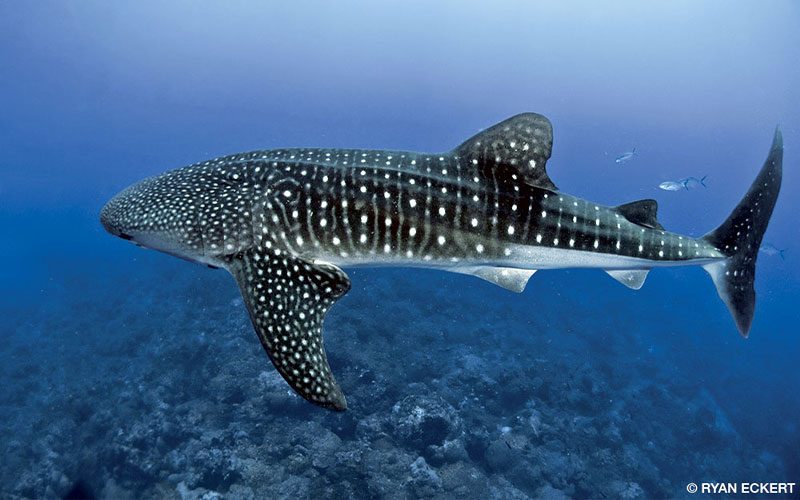
Located in the Gulf of Mexico, the Flower Garden Banks National Marine Sanctuary is home to a variety of sea critters and is a treat to dive.
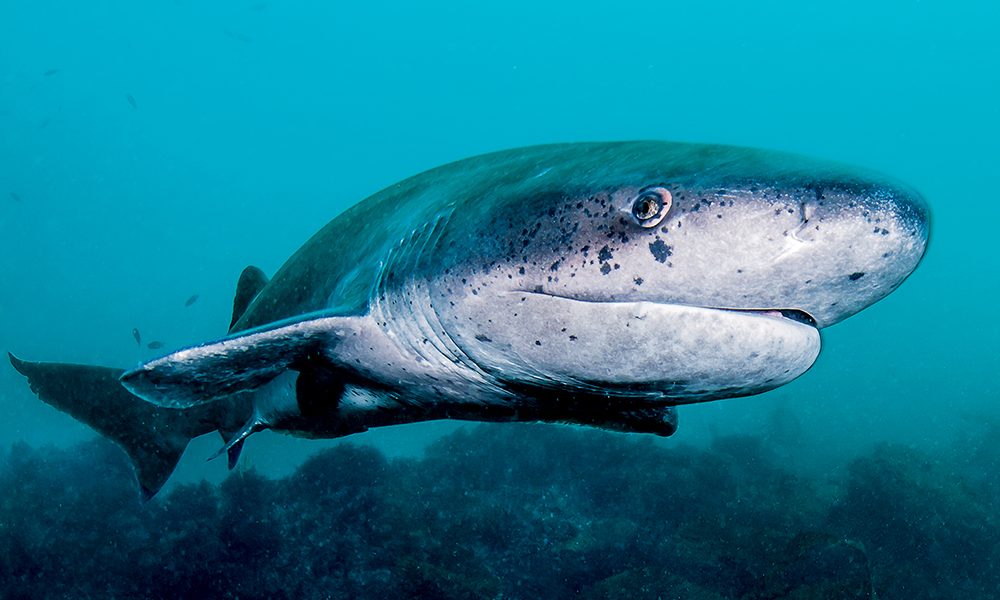
The St. Lawrence River widens into a rich estuary. It’s a rich dive site with lots for divers to check out. Learn more about the St. Lawrence River.