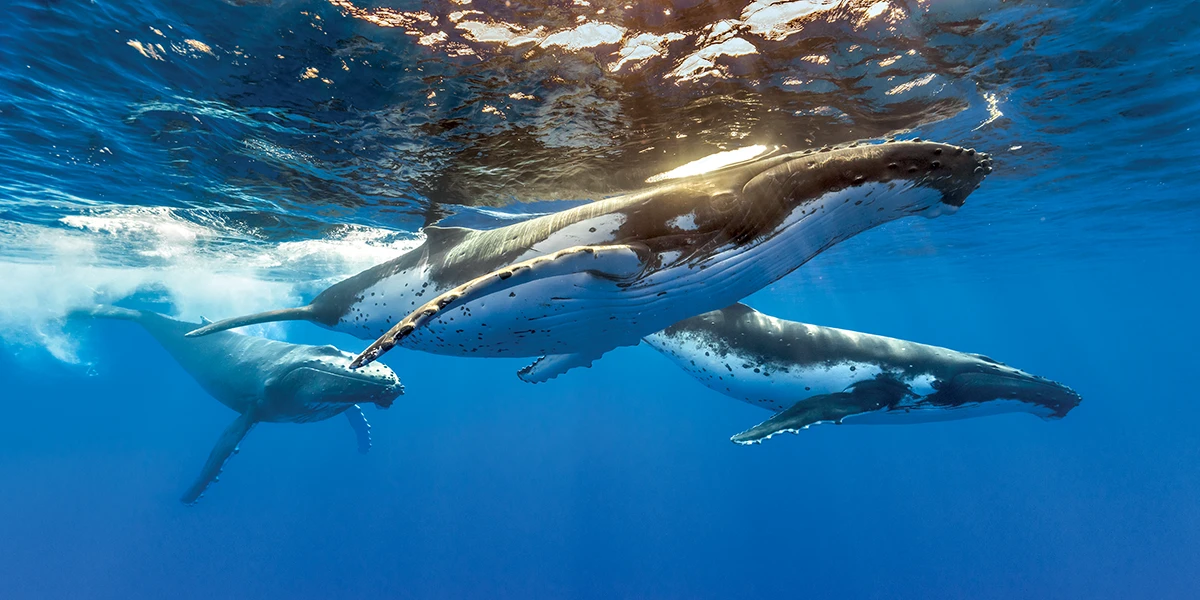
Each year humpback whales migrate from their feeding grounds in the Southern Ocean to the Austral Islands, where they use the sheltered waters around Rurutu as a calving and nursing area. Observers there can document the whales’ natural behaviors with minimal disturbance.
The Australian sea lion (Neophoca cinerea) is the only pinniped endemic to Australia.
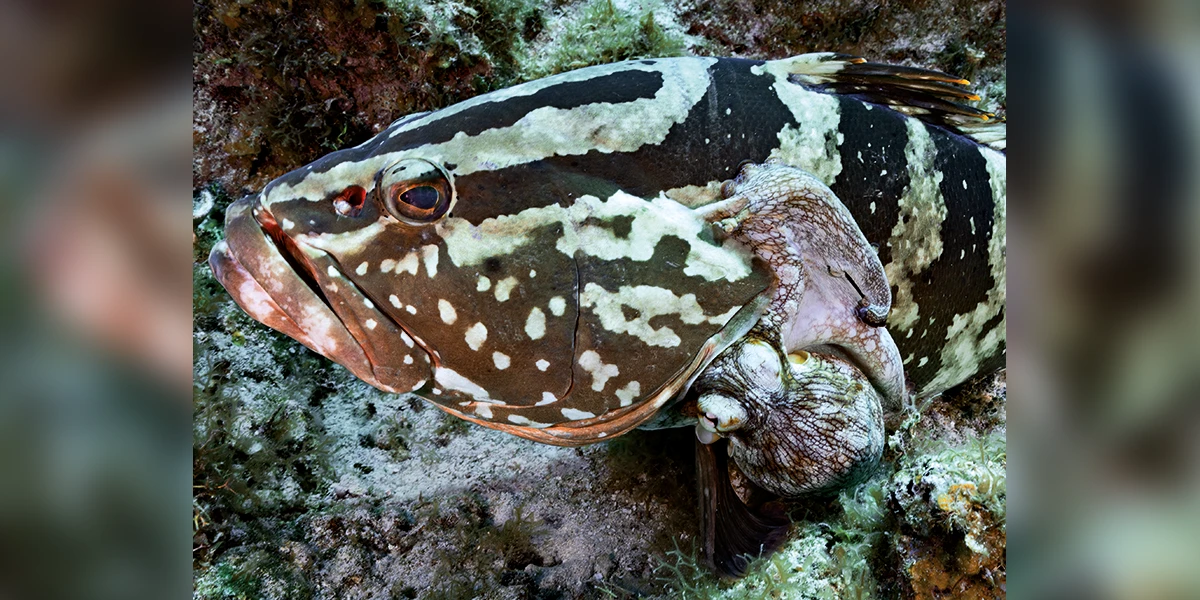
Equipment: Canon EOS R5 camera, Canon RF 14-35mm lens, Ikelite 200DL housing, dual Ikelite DS232 strobesSettings: 1/60 sec, f/11, ISO 200Location: Dot’s Hot Spot, Little Cayman, Cayman Islands Our dive guide pointed out […]
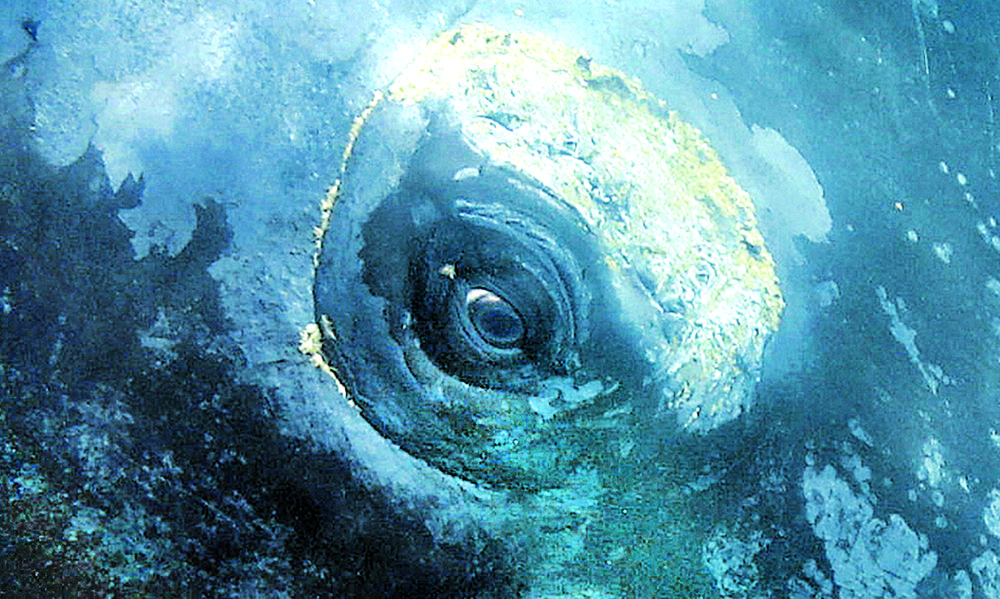
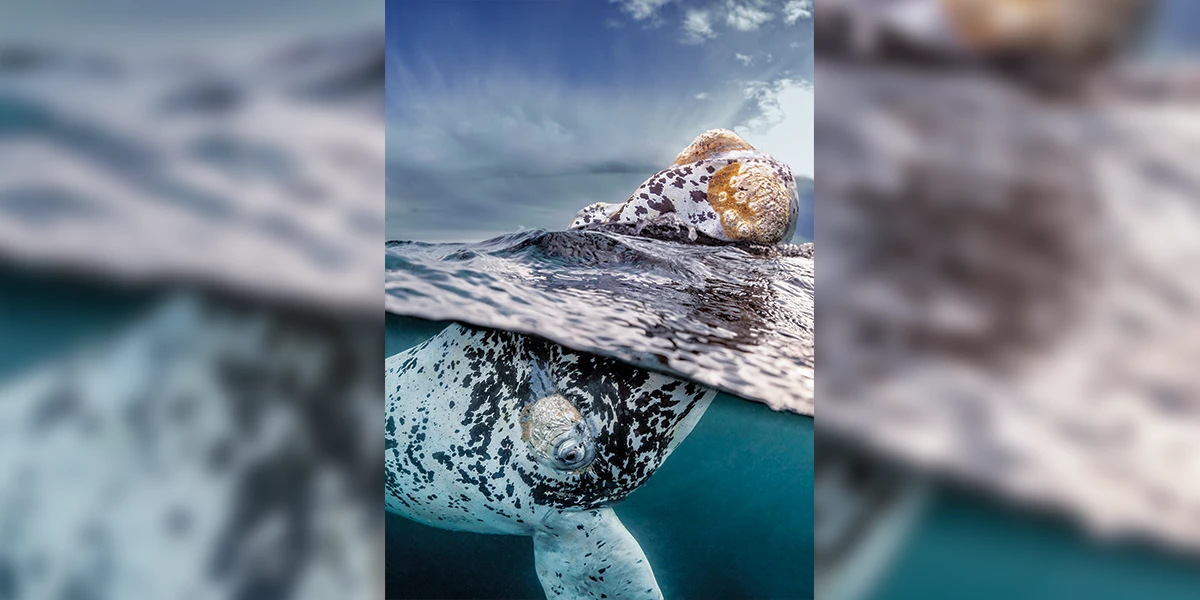
SOUTHERN RIGHT WHALES spend a few months each year in Península Valdés, Argentina, to mate and nurse their calves. My whale encounter there was one of the most challenging I have experienced. It was also one of my most rewarding and memorable experiences.
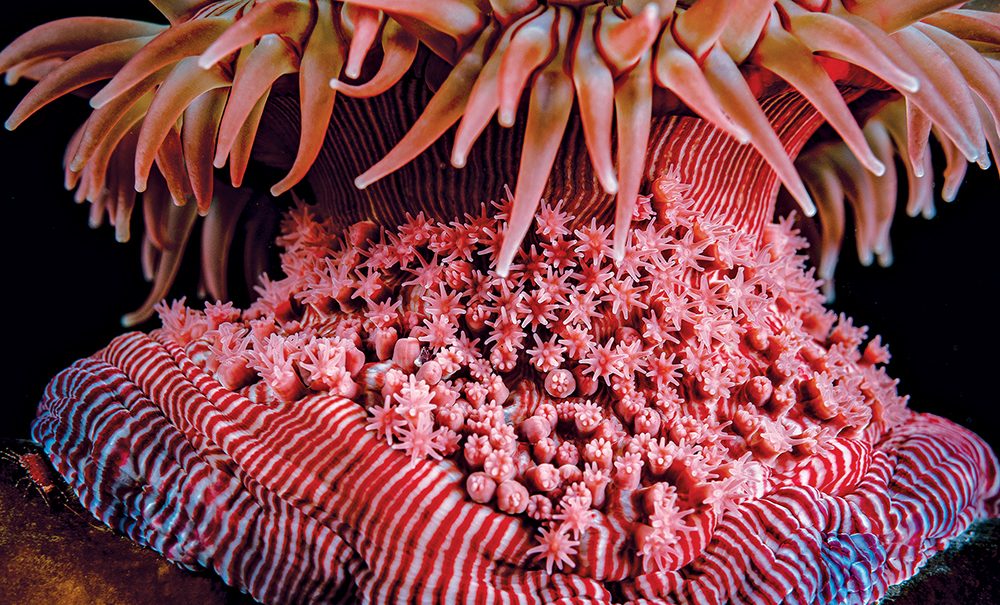
UPON SURFACING, I heard a fellow diver ask, “How cute are those brooding anemones?” This observation piqued my interest because I’d never heard of this behavior despite a lifetime of […]
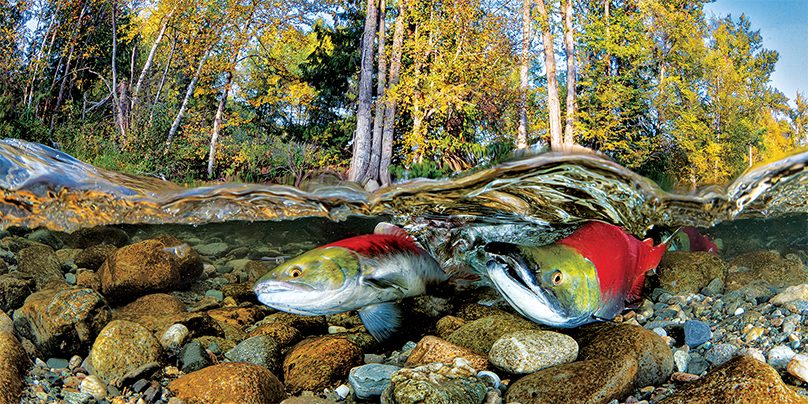
IN THE ADAMS RIVER IN BRITISH COLUMBIA, huge flows of sockeye salmon swim upstream to complete their life cycle, marked by the compelling need to return to their birthplace to […]
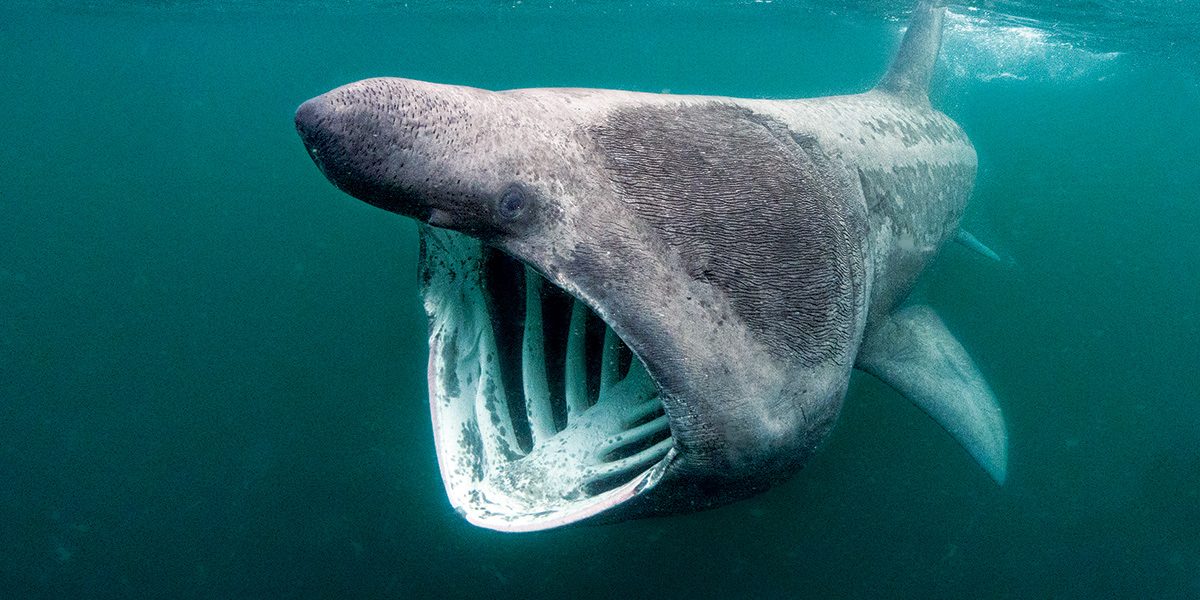
Whale sharks are easy. Basking sharks are hard. Whale sharks usually inhabit warm, tropical waters, while baskers prefer cooler, temperate regions.
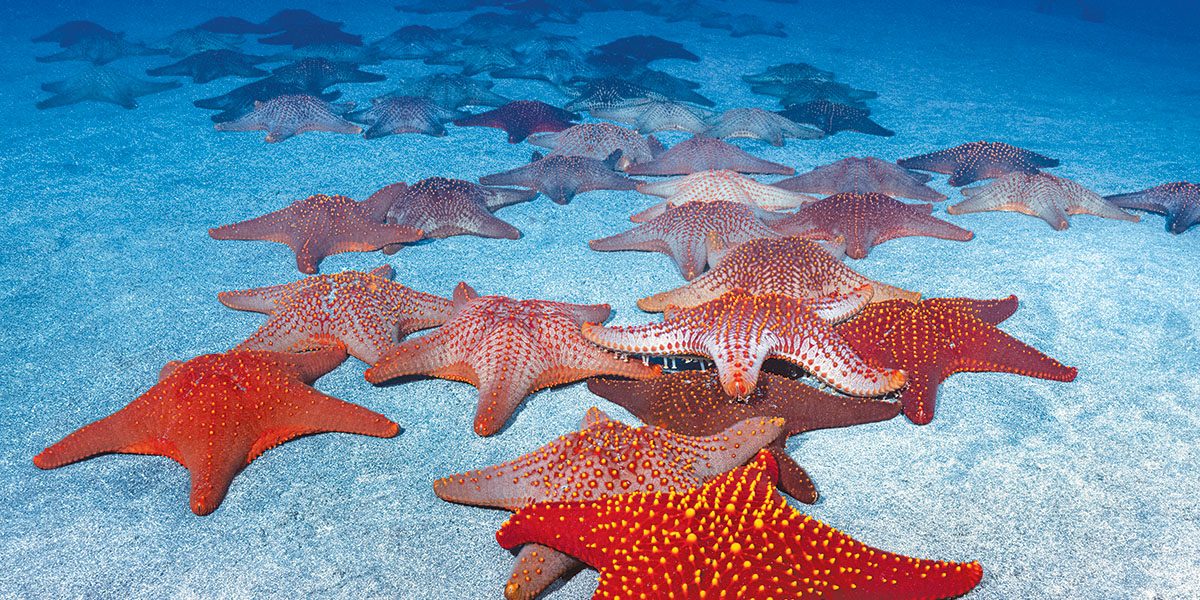
I had dived in Makako Bay, Hawai’i, many times over many years without seeing a single knobby sea star. The first time I encountered one, however, it wasn’t just one, but more than a hundred of them together. They were all gone a day later, and I haven’t seen one since.
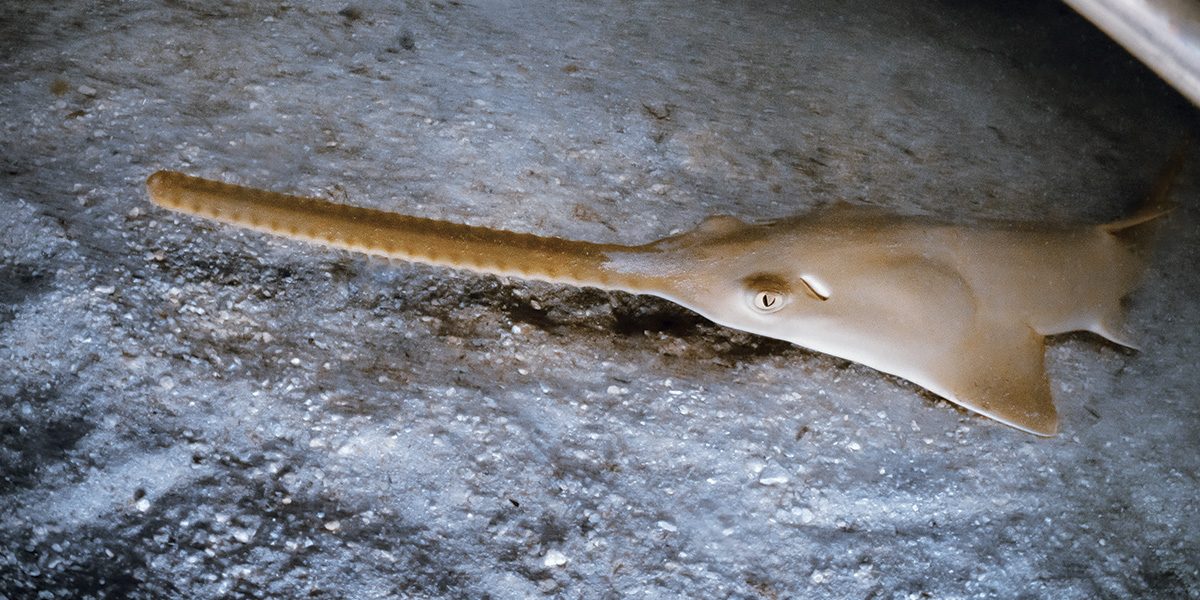
Smalltooth sawfish are critically endangered, making them exceedingly rare to encounter on dives in Florida. Some scientists believe sawfish face the greatest extinction risk of any family of marine animals.
A few white southern right whales are born each year, but this leucistic trait is not a permanent feature. Their coloration usually gives way to a lighter gray in adulthood, indicating they were white at birth and distinguishing them from the more common darker whales.