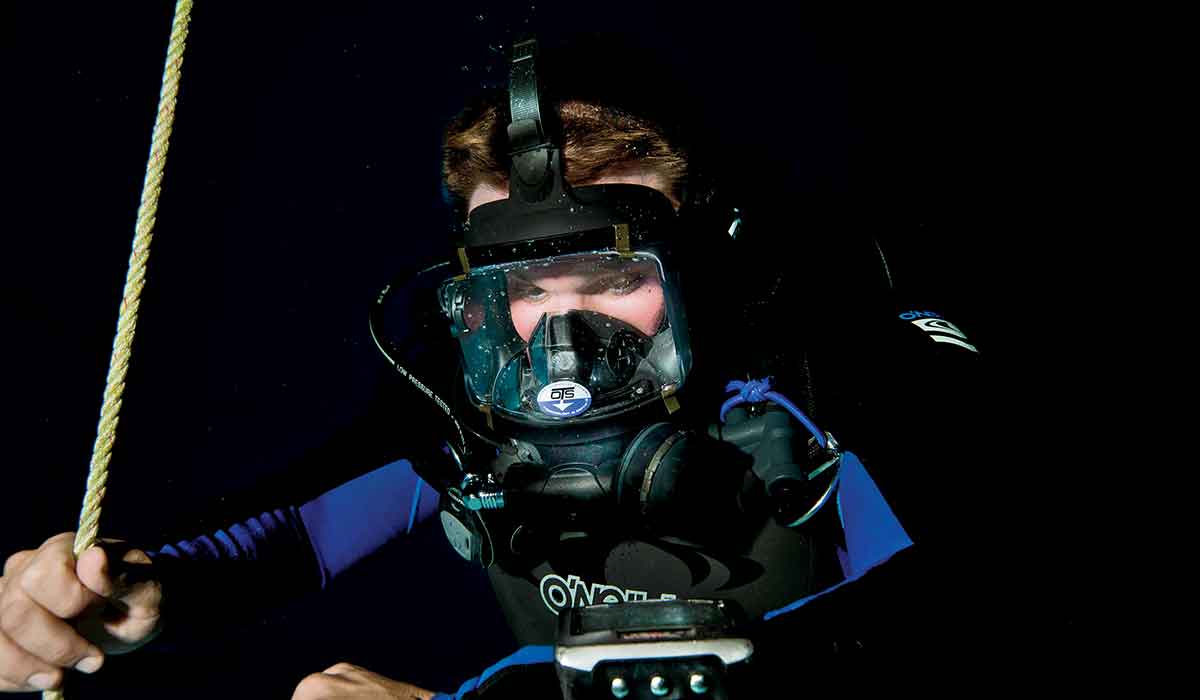
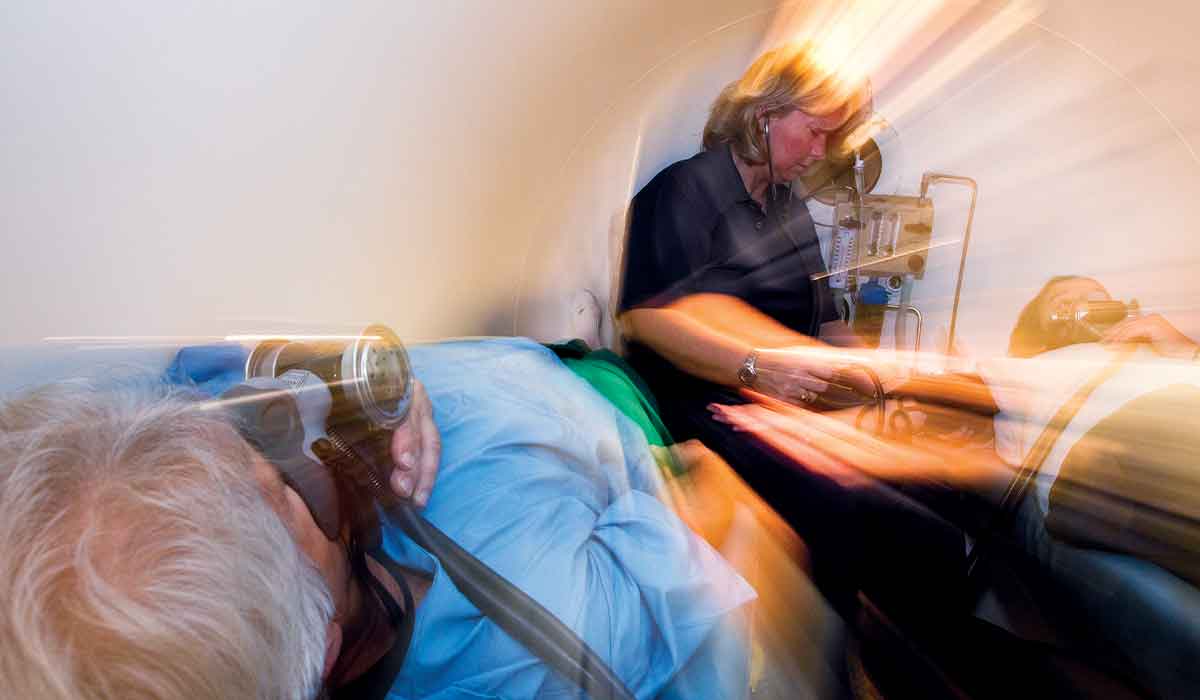
In-water recompression (IWR) is being used to great success with fishing divers and pearl divers, but could apply to recreational divers, too, as a way to quickly treat decompression sickness. Learn more about this course of treatment.
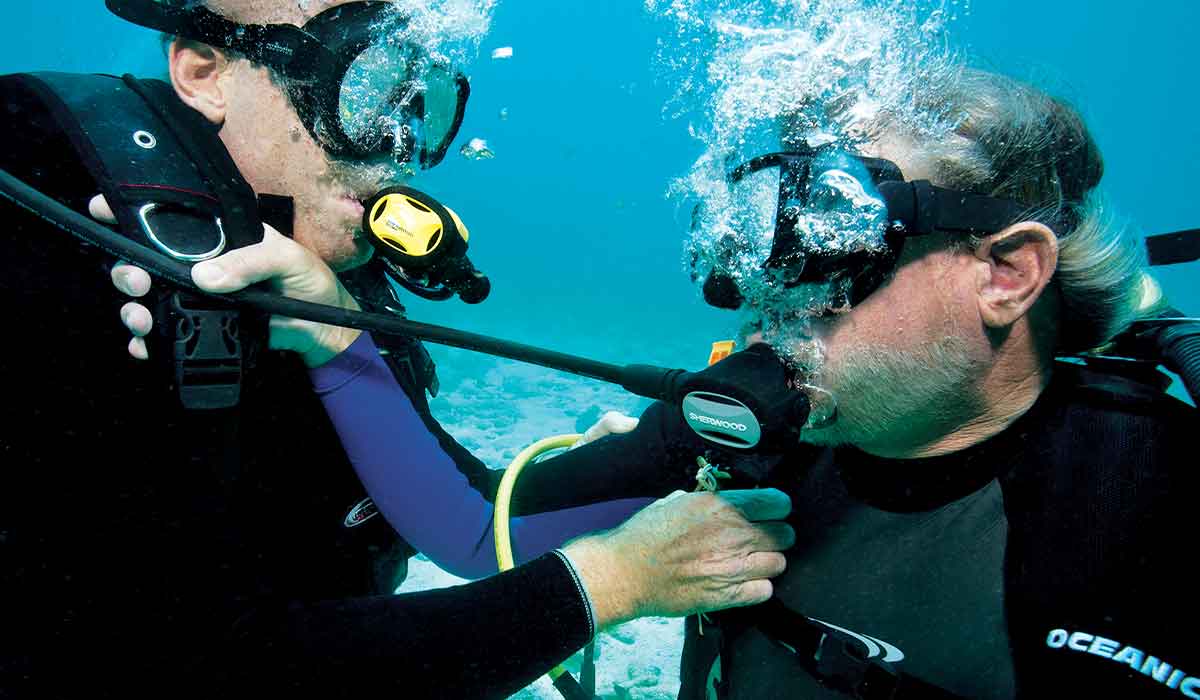
Situational awareness — the understanding of what is happening around you — can help prevent many dive injuries and accidents. When you mind your surroundings, you increase safety. Get in the zone, and learn more about how to achieve situational awareness.
DAN Medics answer your questions about dive medicine.
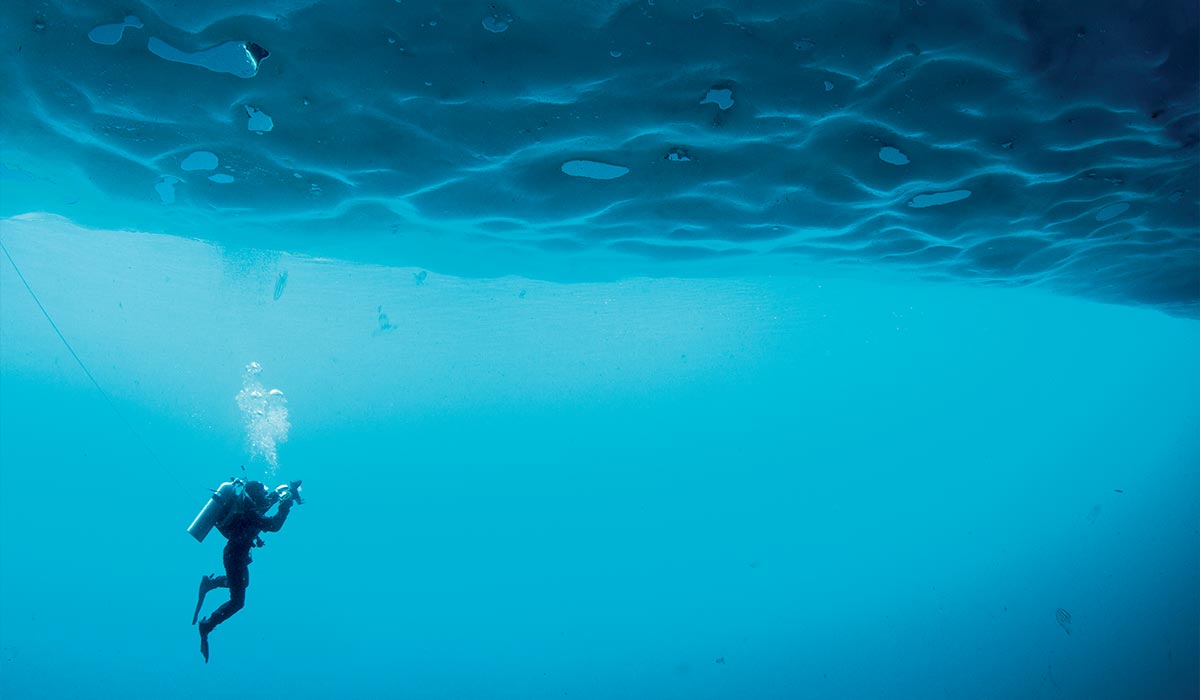
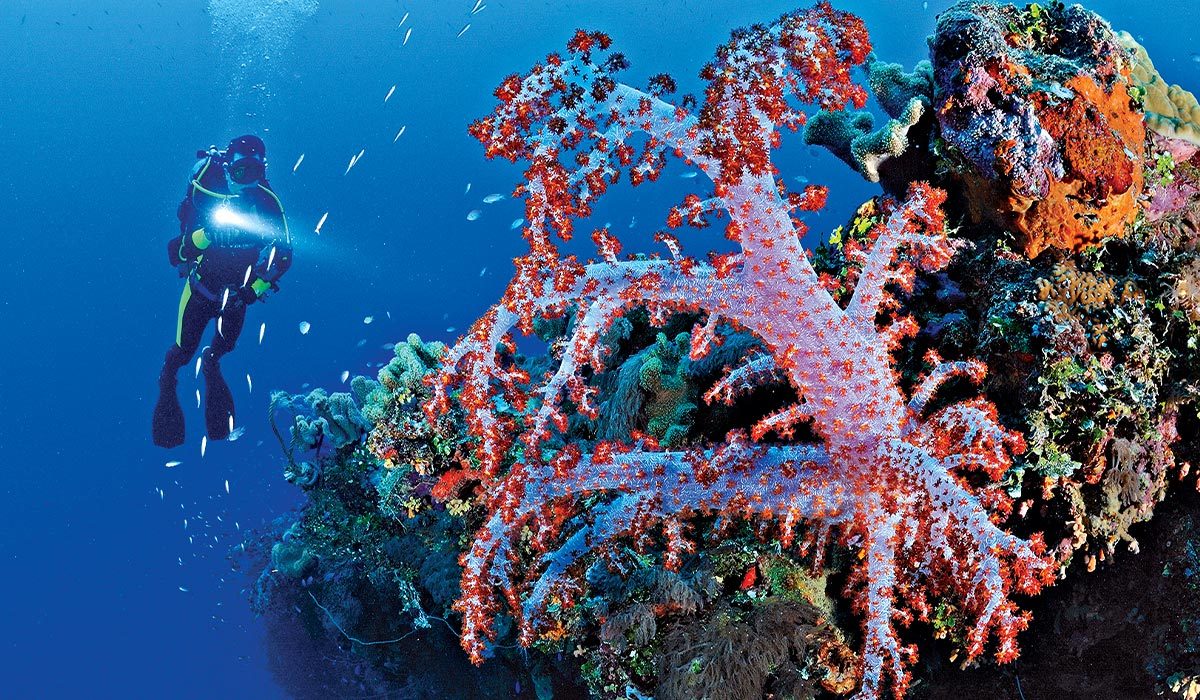
Diving in the arctic is not an unreachable goal. Whether you travel to the north or south pole — or both! — know what to expect and what you’re up against.
Triage prioritizes the most ill or injured and who would benefit most from the most prompt treatment — without sacrificing the safety of others. Read more of a dive incident that required triage practices.
The Island of Chuuk played a pivotal role in World War II, and the lagoon surrounding the islands guard the remains of that history. Read more about the Island of Chuuk.
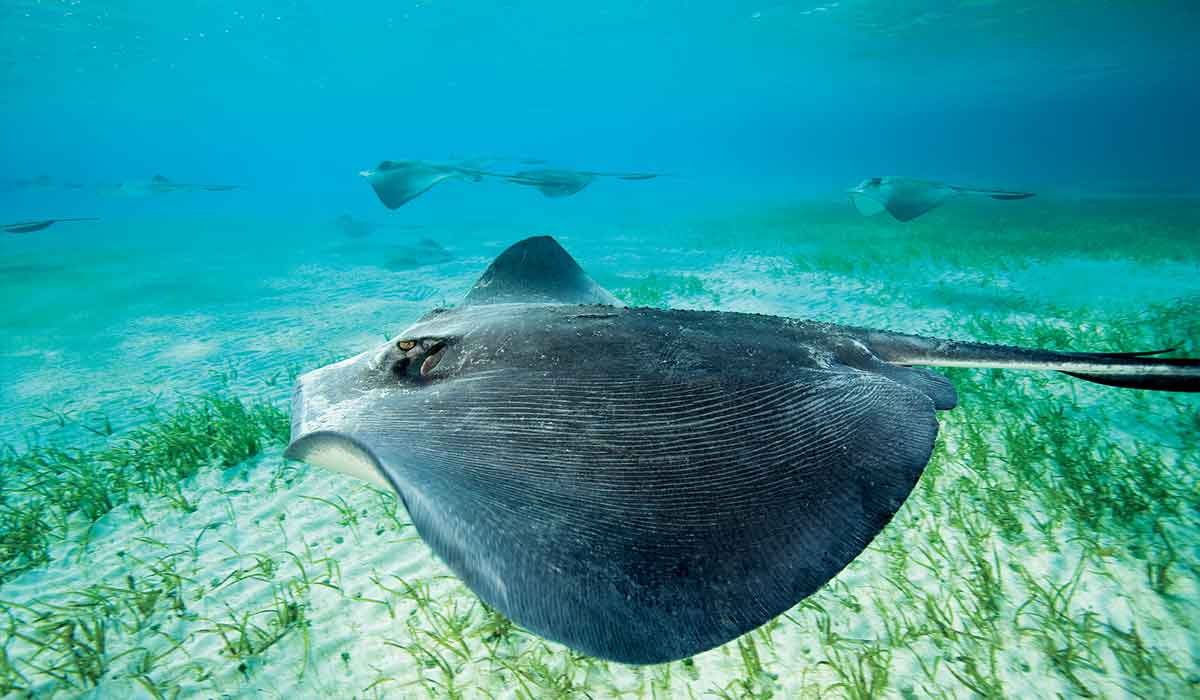
Envenomations can be caused by marine vertebrates who are equipped with toxin-based defense systems. When you know how to prepare proper first aid, you can hasten recovery and prevent complications.
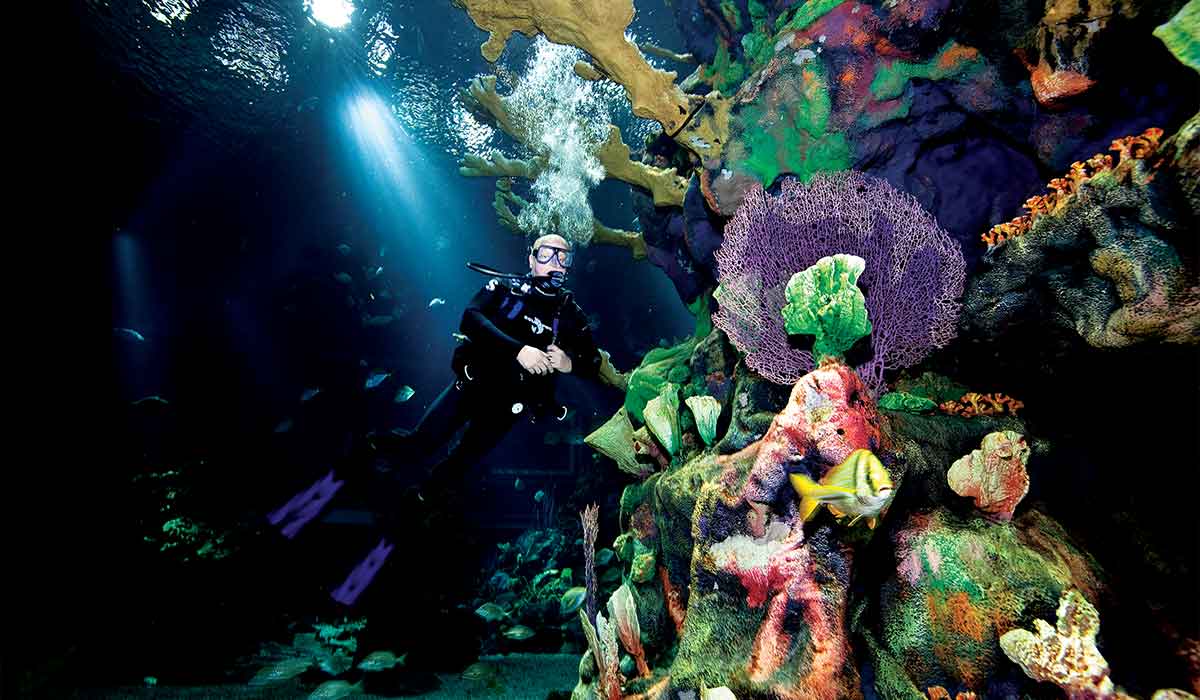
Dive jobs run the gamut — from FBI to the Magic Kingdom. Read more about these unique jobs and what it takes to dive them successfully.
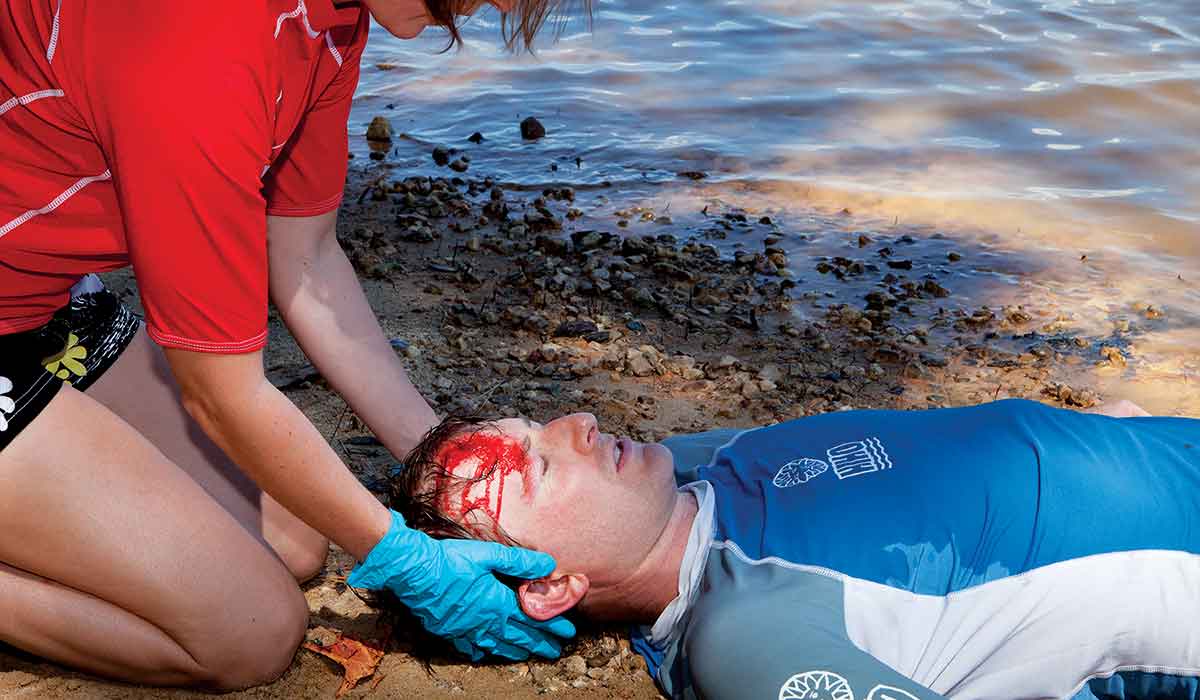
Spinal injuries need to be treated cautiously and rapidly to avoid additional risk to the spine. Do you know how to handle these injuries? Read our best tips on how to treat spinal injuries.
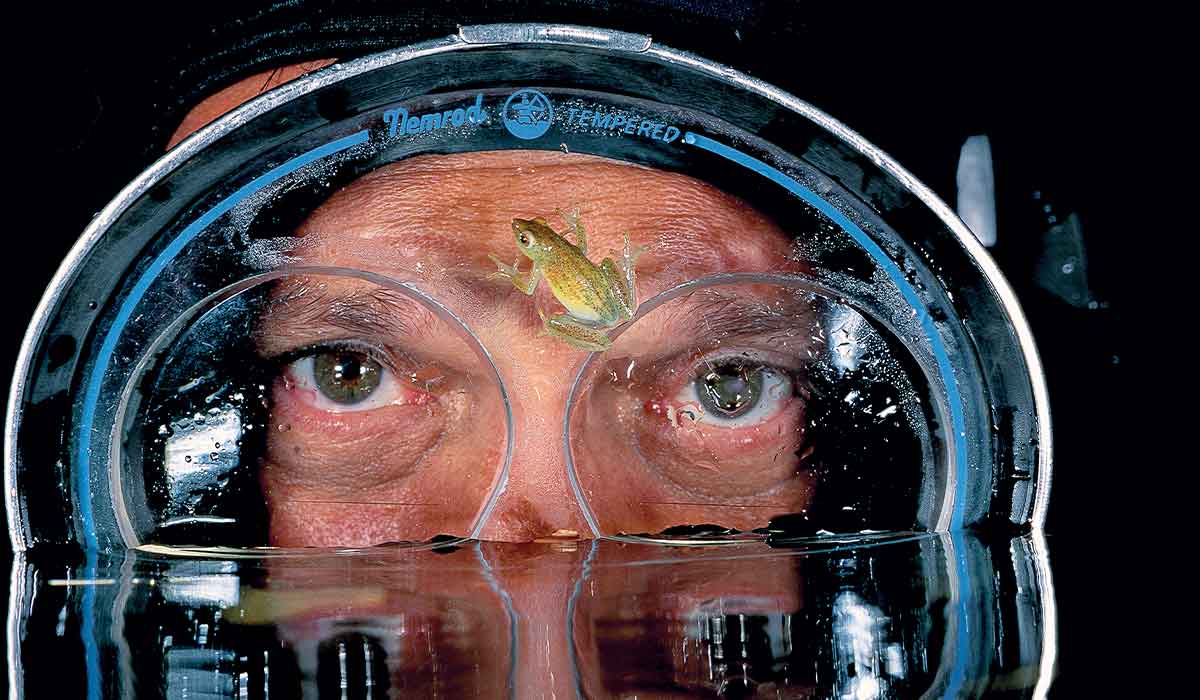
Underwater photographer David Doubilet was inspired by the ocean at an early age. Now, he’s known for his experimental underwater shots. Learn more about Doubilet’s career and creative process.