DAN Research
DAN Research is committed to making diving a safer sport through ongoing studies and projects. They follow trends in diving practices and examine causes, risk factors and mechanisms of injuries. Read more about DAN Research.
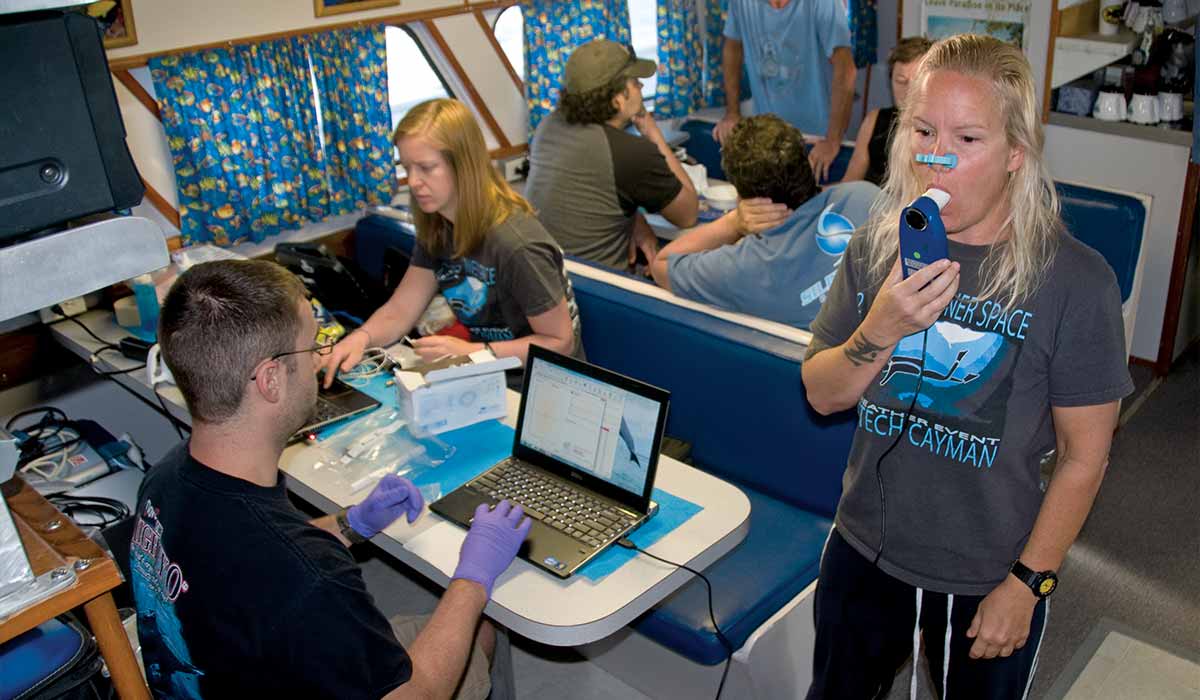
DAN Research is committed to making diving a safer sport through ongoing studies and projects. They follow trends in diving practices and examine causes, risk factors and mechanisms of injuries. Read more about DAN Research.
A slow shutter speed underwater can help light appear brighter, bring more light into the background and creates intentional blurs. Read more about using a slow shutter speed.
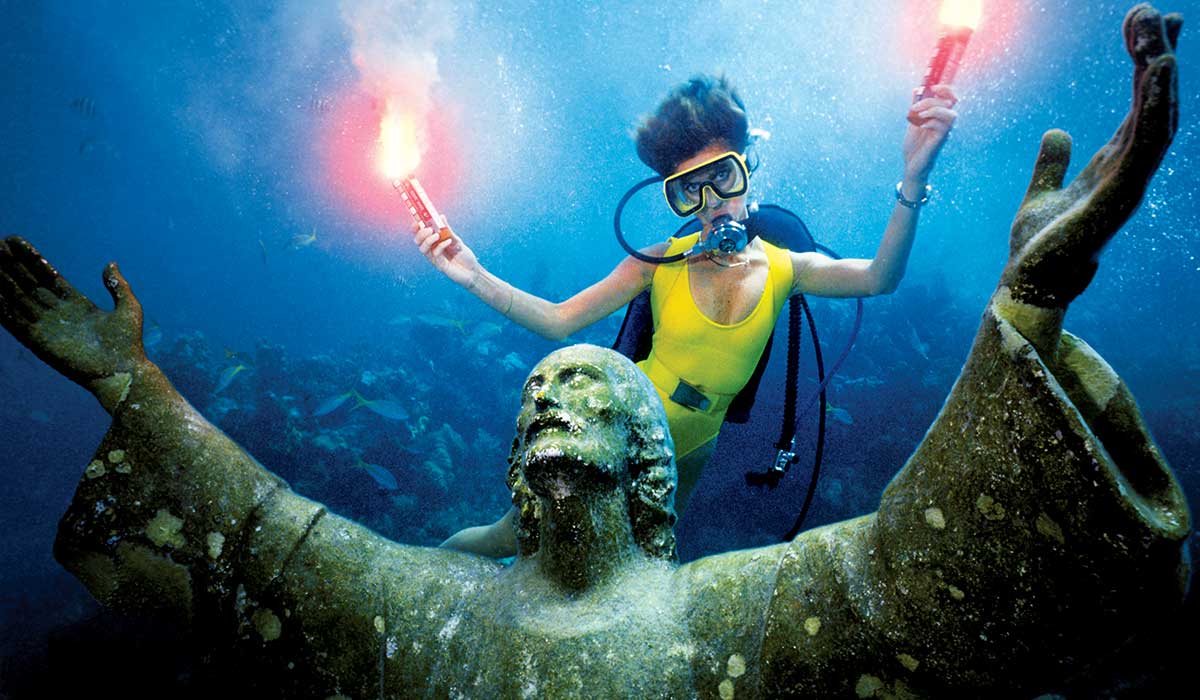
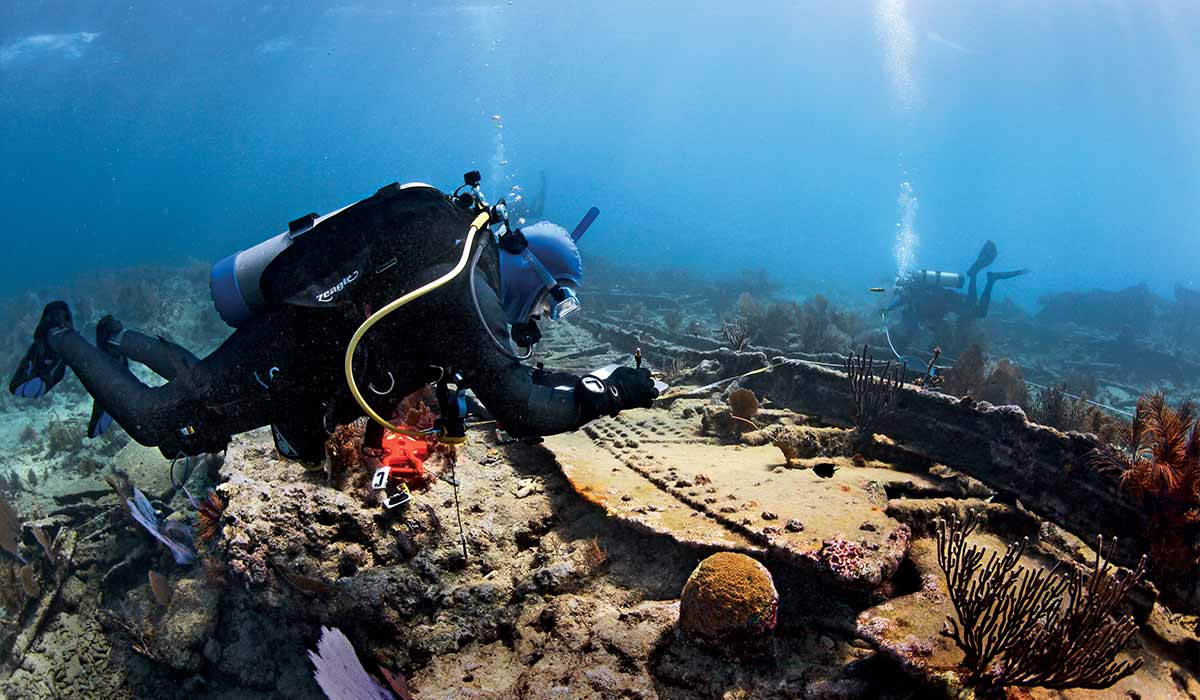
A once unidentified shipwreck in the Florida Keys was identified thanks to the help of volunteers and organizations. The wreck is part of Florida Keys history. Read more.
Offshore platforms actually house a lot of marine life and are popular dive sites because of it. Several oil platforms, however, are scheduled to be removed from the Gulf of Mexico. Read more about the platforms’ importance.

A National Geographic dive photographer discusses the training he needed to capture one specific shot. Thanks to specific trainings, the photographer is able to dive safely and capture his shots.
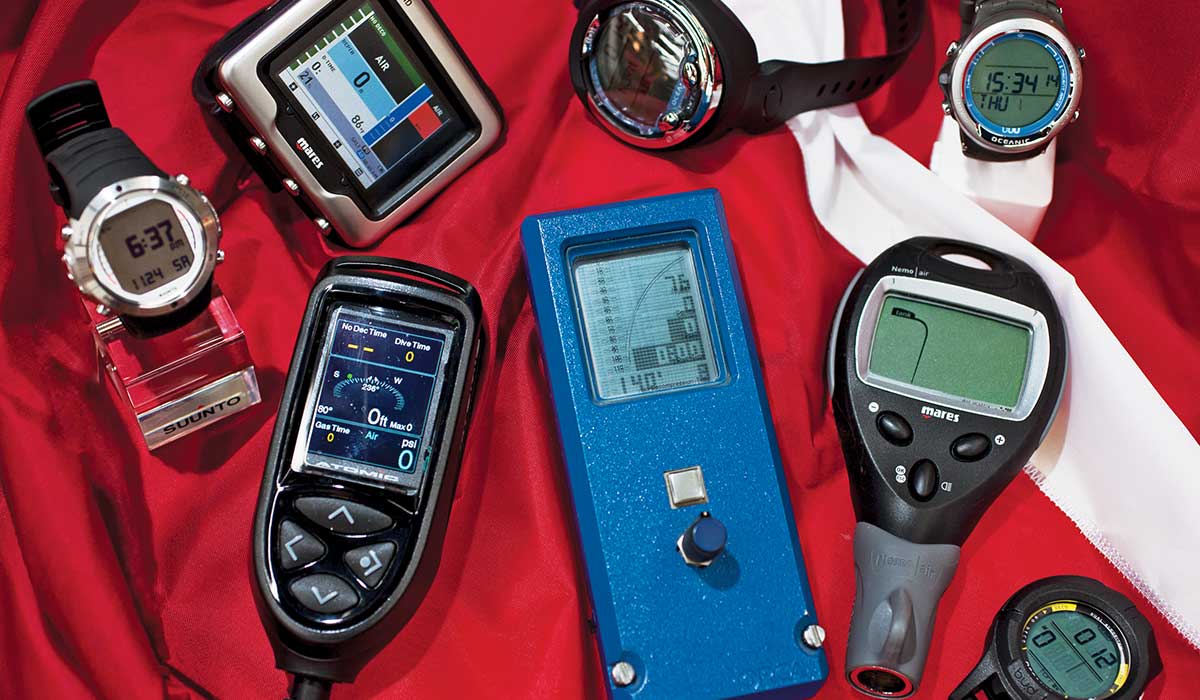
Dive computers have evolved rapidly since their inception, however, questions arose over the years over their safety. Read more about dive computers.
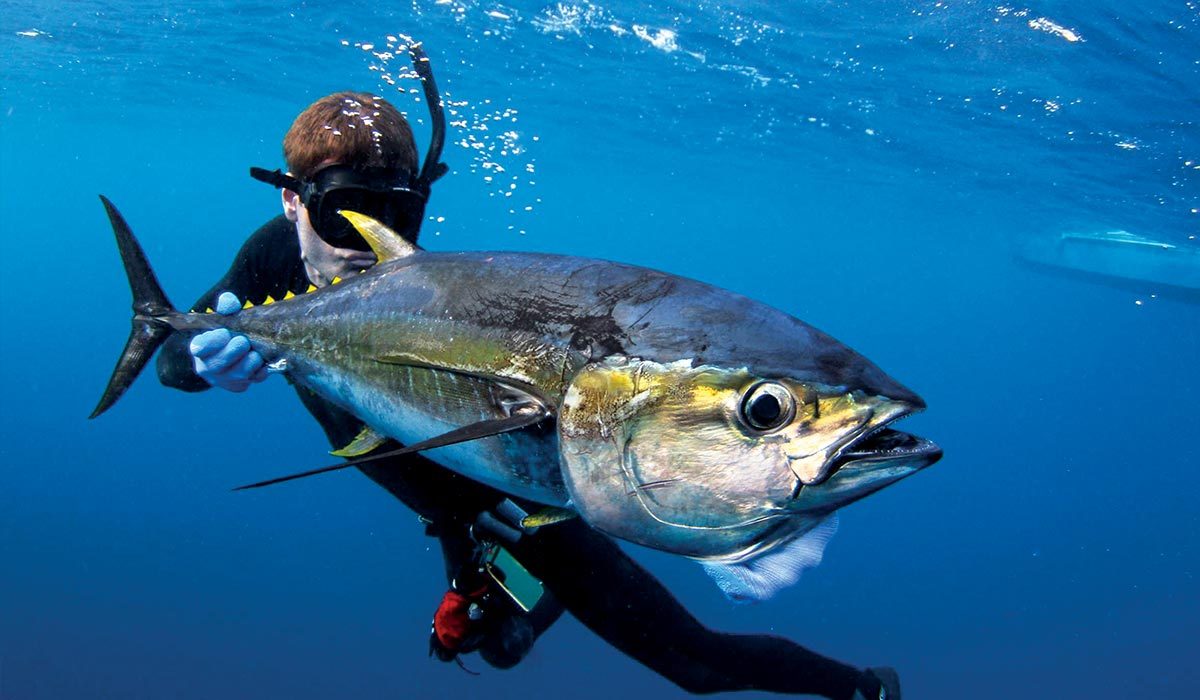
Spearfishing and community outreach became the background for the nonprofit organization Diving for a Cause. Through spearfishing, deserving organizations and people receive ethically sourced fish. Learn more about this spearfishing initiative.
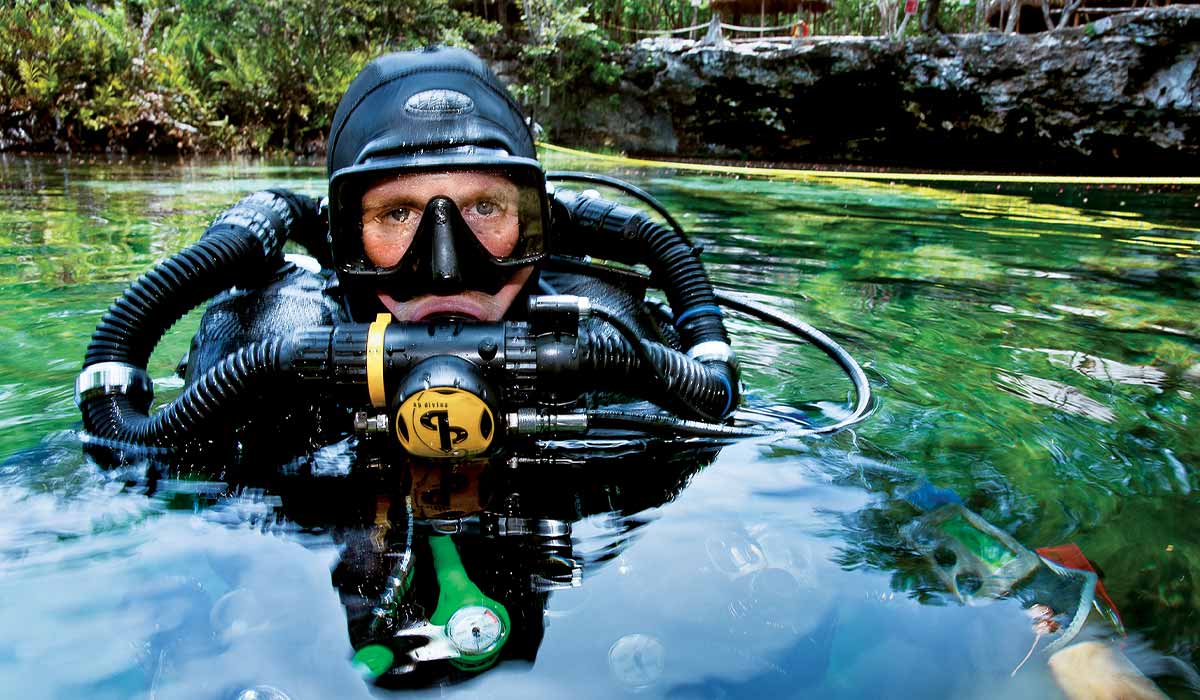
DAN member Evan Bozanic is just 14 years old, but deeply passionate about science, exploration and ocean conservation. Read more about this DAN member.
Tiny sea creatures like shrimp and goby can be difficult to photograph. But thanks to a simple solution, one dive team was able to herd them easily and take their photos. Read more about this story.

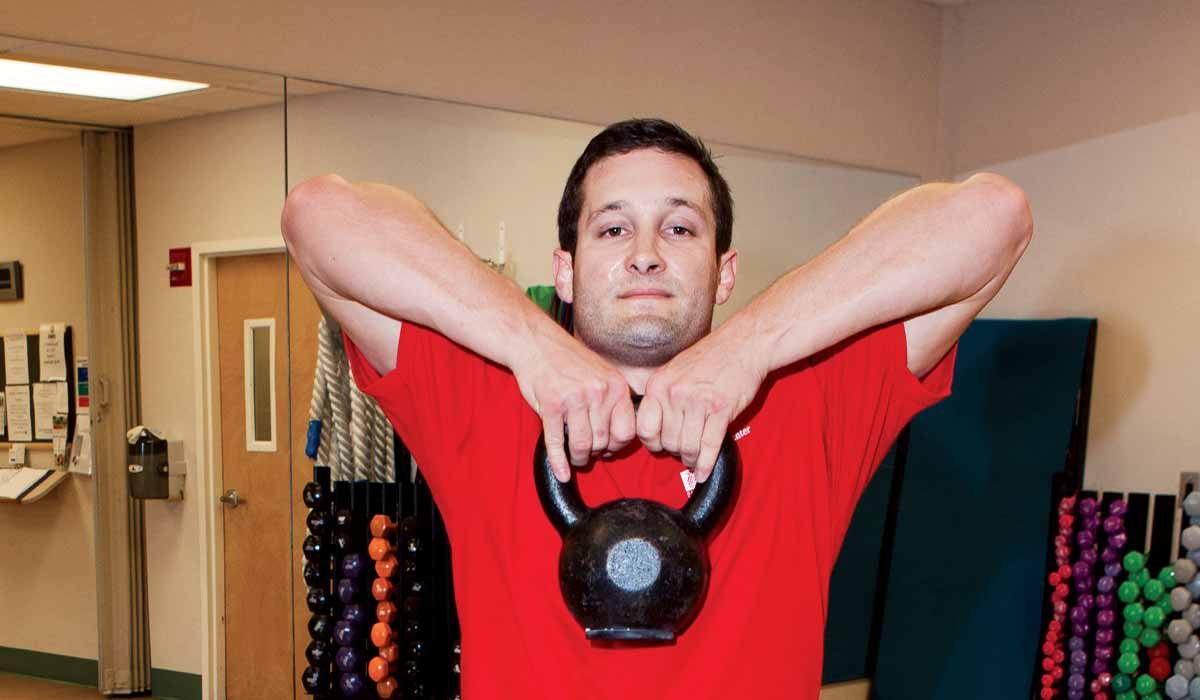
Kettlebells are a great training tool because they challenge the body’s muscular and cardiovascular endurance. Kettlebells are affordable and the workouts are customizable. Read more about kettlebells.