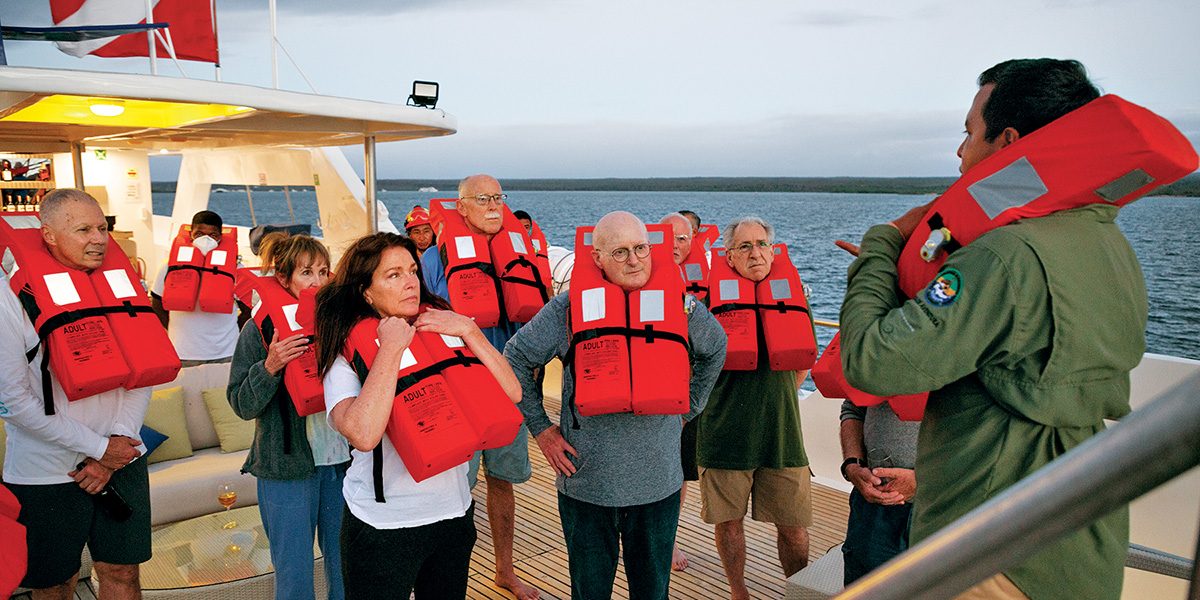
On Sept. 2, 2019, the small passenger vessel Conception burned to the waterline off Santa Cruz Island, California, killing 34 people. This wasn’t the first liveaboard fire, but the fearful reactions to this deadly tragedy echoed throughout the scuba industry. Liveaboard fires that have occurred since this incident have further fueled industry concerns.
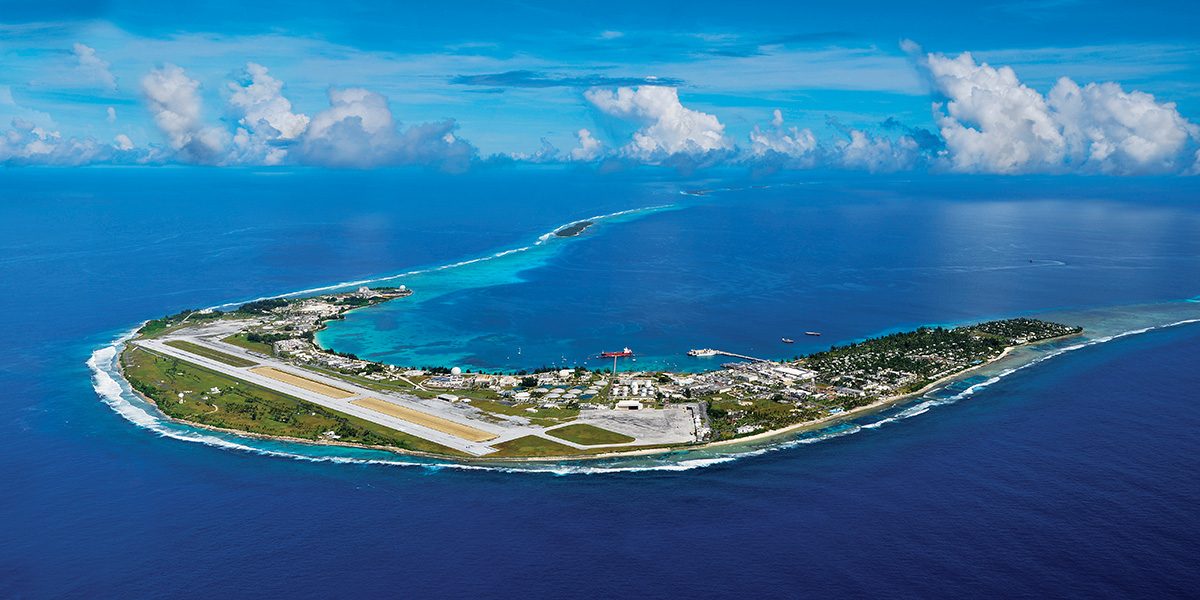
My friend Evan Gill pointed across the perfect beach to a spot about 650 feet offshore and casually said, “There’s a Japanese patrol boat from World War II,” as he leaned out of our golf cart. The ocean was an ideal blue and smooth as polished glass, not even lapping against the white sand.
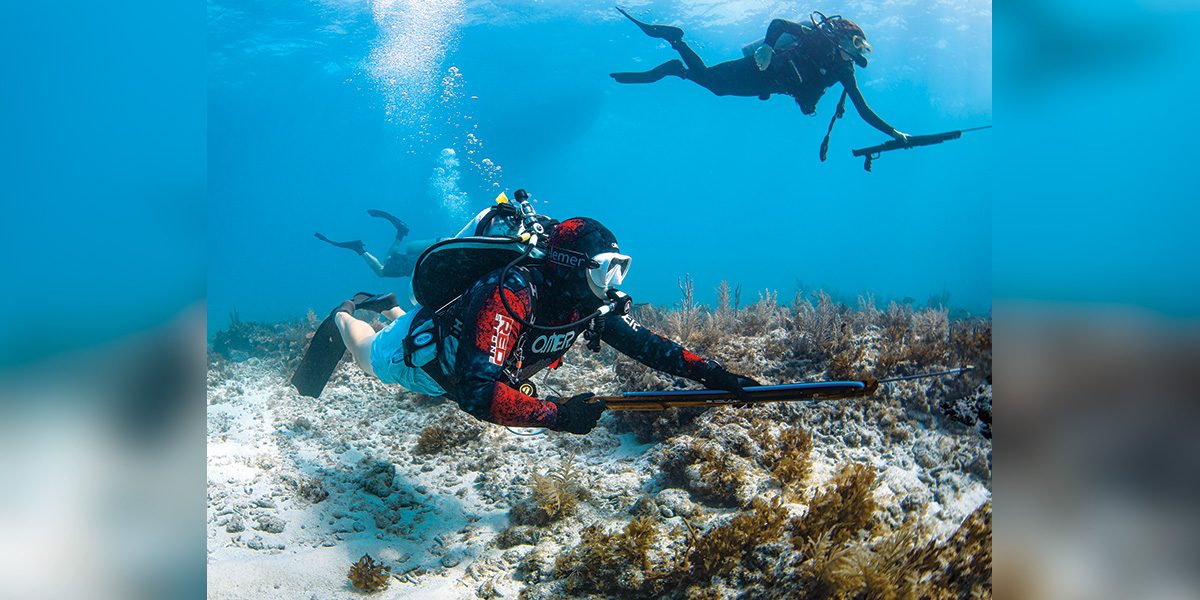
Many divers are proud to be comfortable in the water and sometimes push their limits on air consumption, exceed their bottom time, or take one last shot of a big fish with a camera or spear before ascending. Some of them develop reputations in the dive community for being competent divers by looking cool and experienced while taking little risks. It may start small but snowball into making poor decisions for which the price you pay is not worth the reward.
In each issue of Alert Diver, you’ll find advertisements for some of the world’s best and most reputable liveaboard operators. Liveaboards are a great way to explore remote dive destinations for multiple days at a time, giving divers immersive and unforgettable experiences in certain corners of the underwater world.
Scuba diving demands not only physical fitness but also proper nutritional preparation. Like with any activity, we expend energy while diving; surprisingly, the energy required for routine recreational diving is somewhat moderate. Under unusually strenuous recreational conditions, however, it’s possible to burn more than 500 calories.
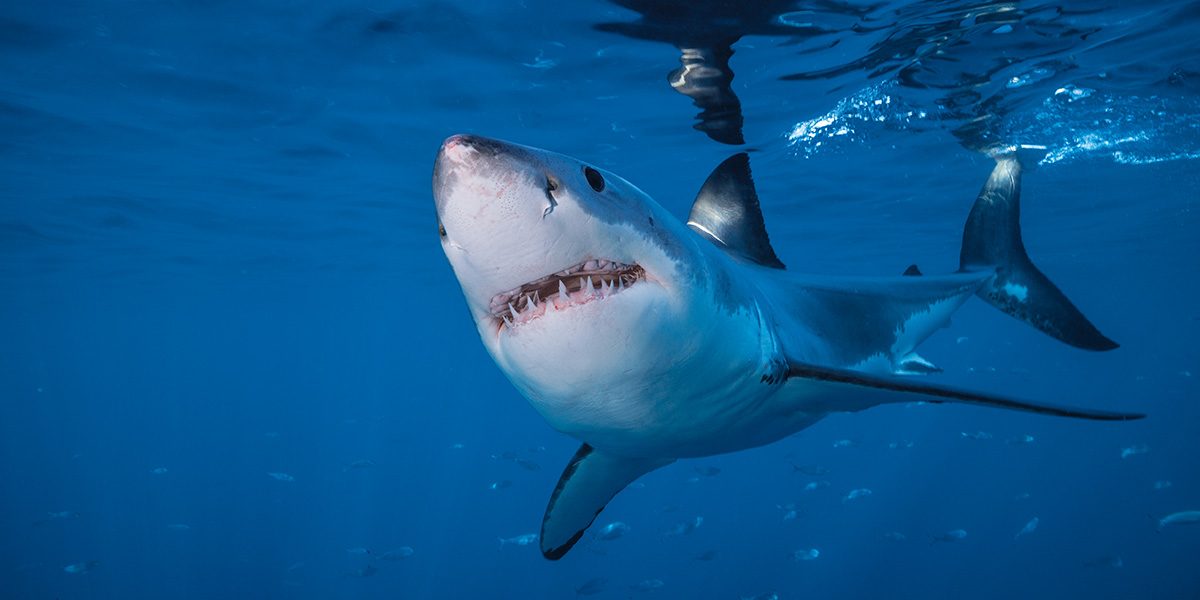
Great white sharks are capricious fish. They are iconic, impressive, photogenic, and awe-inspiring but also frustrating. That frustration is not all about the animal — part of it is how few places in the world you can go to see them.
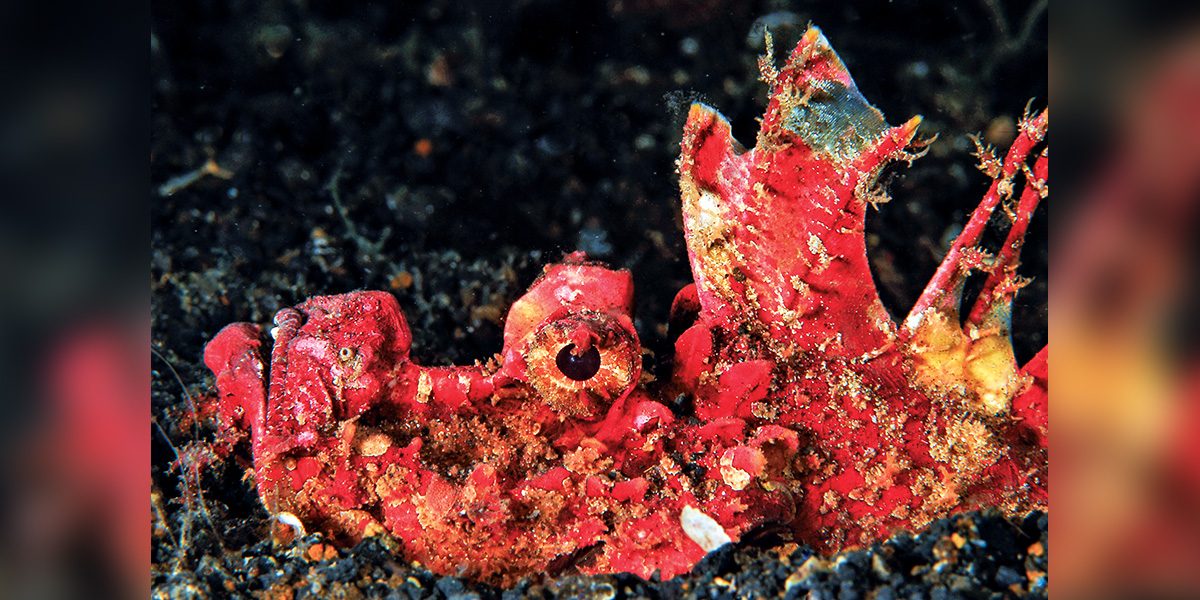
The spiny devilfish (Inimicus didactylus) is a member of the family Scorpaenidae, which also contains the venomous lionfish, stonefish, and scorpionfish. These fish conceal glandular venom-producing daggers within their dorsal, pelvic, and anal fins. Divers — especially underwater photographers who may focus on one creature while others sidle up under their legs — must be aware of these animals’ subtle defense maneuvers.
Our explorations of Belize’s equally biodiverse jungles and reef systems some 4,000 miles (6,437 kilometers) south repeatedly reminded me of that endless summer afternoon in Alaska.
Melissa Ilardo, PhD, is passionate about working in the distinct field of genetic analyses on individuals, primarily in Indigenous populations who have adapted to unique lifestyles or environments.
As a diver and photographer, I seek remote locations offering unparalleled underwater experiences. The farther away and the fewer the people, the better. Papua New Guinea is such a place.