Diving After a Nissen Fundoplication
I am a 57-year-old male who is planning to undergo a laparoscopic Nissen fundoplication for refractory gastroesophageal reflux disease (GERD) and a hiatal hernia. Is the procedure considered an absolute […]

I am a 57-year-old male who is planning to undergo a laparoscopic Nissen fundoplication for refractory gastroesophageal reflux disease (GERD) and a hiatal hernia. Is the procedure considered an absolute […]
Reef Environmental Education Foundation (REEF) has a long history of connecting the dive community to marine conservation. Through the Volunteer Fish Survey Project (VFSP), REEF has empowered divers to contribute valuable data for more than 30 years, transforming recreational dives into opportunities for scientific research and ecosystem protection.
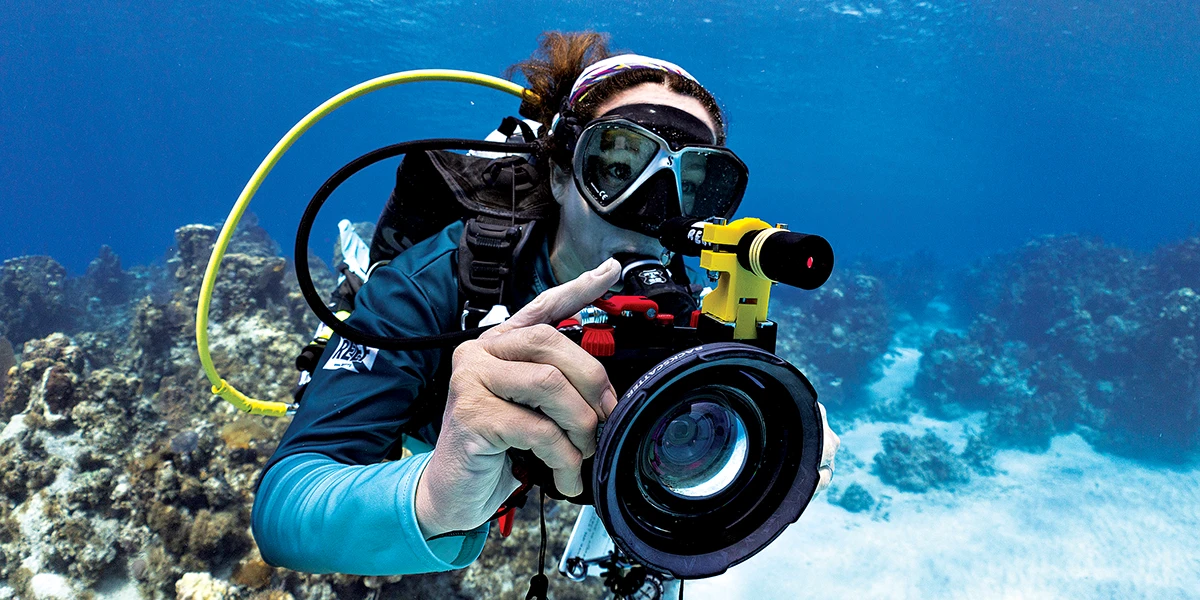
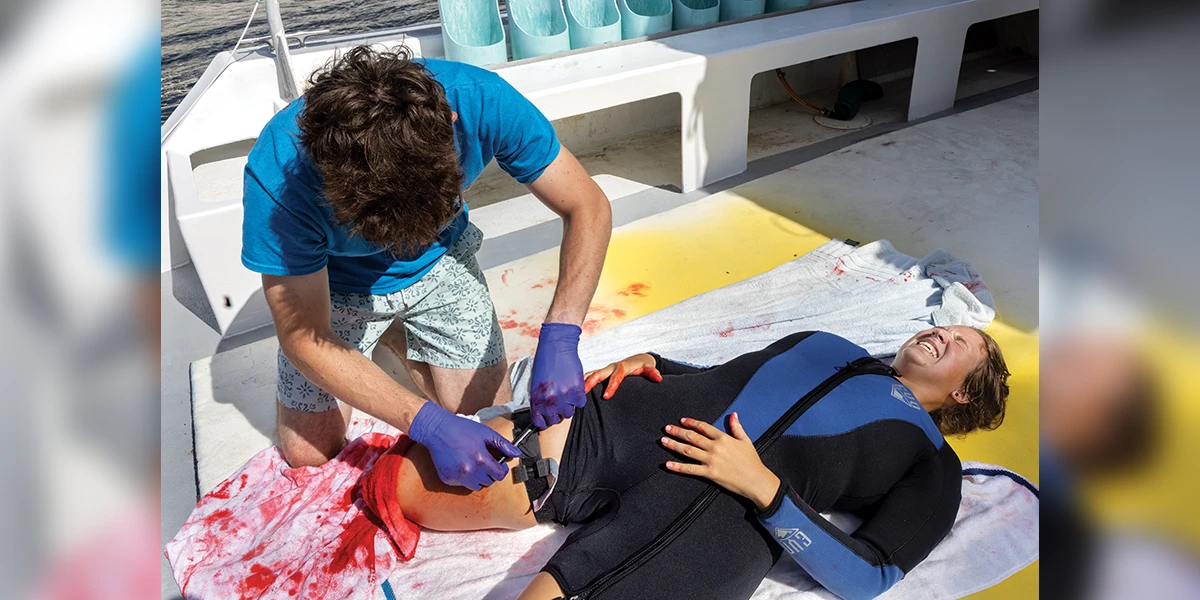
Diving has inherent risks. The human body was not designed to be underwater, and drowning, decompression illness, barotrauma, hazardous marine life injuries, and preexisting health issues all require an emergency response. Diving in remote areas introduces additional risks, especially access to medical care.
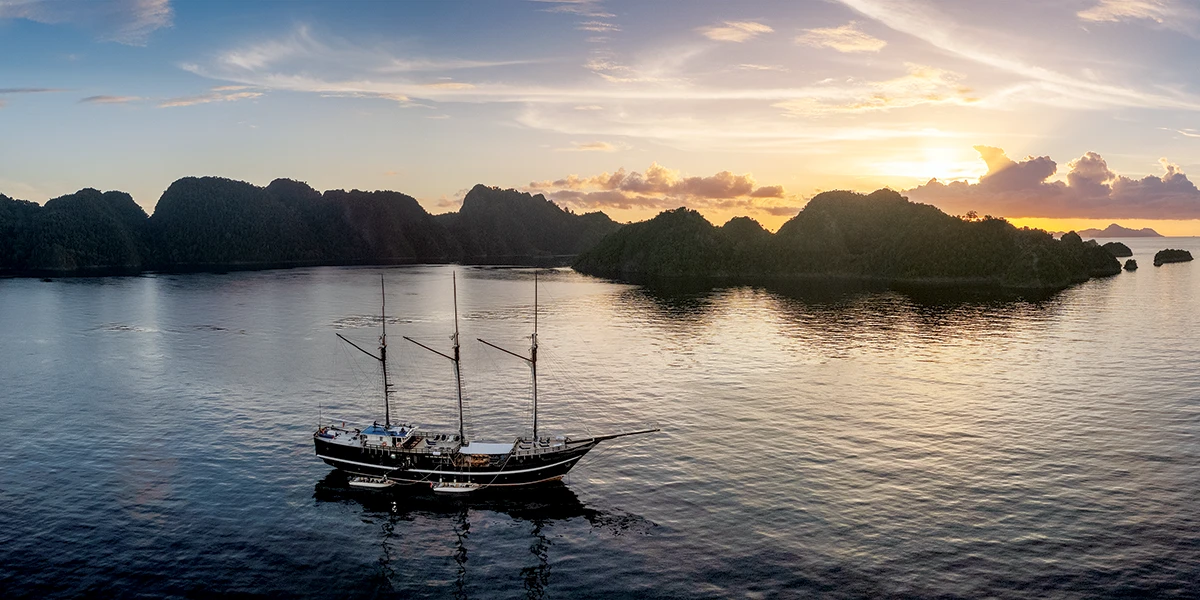
From recent travels I sensed that a lot of liveaboards are now deployed worldwide. I was curious to know the exact numbers, and an online search showed that there are 69 in the Red Sea, 64 in Raja Ampat, and even the Galápagos Islands have 10 dive liveaboards now.
A recent dive trip changed the lives of everyone involved, and I hope this story might help save another life. About 30 days before the trip, I was talking to […]
About 7,641 islands in the western Pacific Ocean comprise the archipelagic state of the Philippines. The country’s waters are integral to the Coral Triangle and feature some of the world’s most incredible biodiversity and eclectic dive attractions.

Researchers at the University of Colorado Boulder’s Shields Lab — led by Wyatt Shields, PhD, an assistant professor of
chemical and biological engineering — are investigating how engineered microparticles, specifically designed for use in biomedicine, can be used in areas such as biosensing, where they bind to certain molecules or cells to enable drug delivery and the detection of biological conditions.
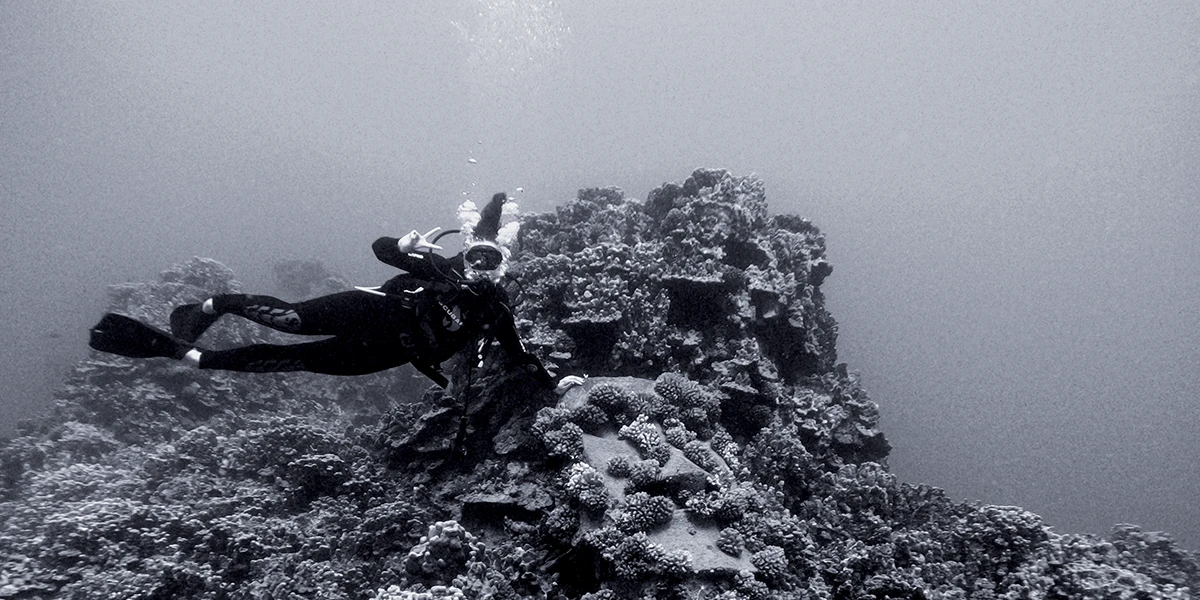
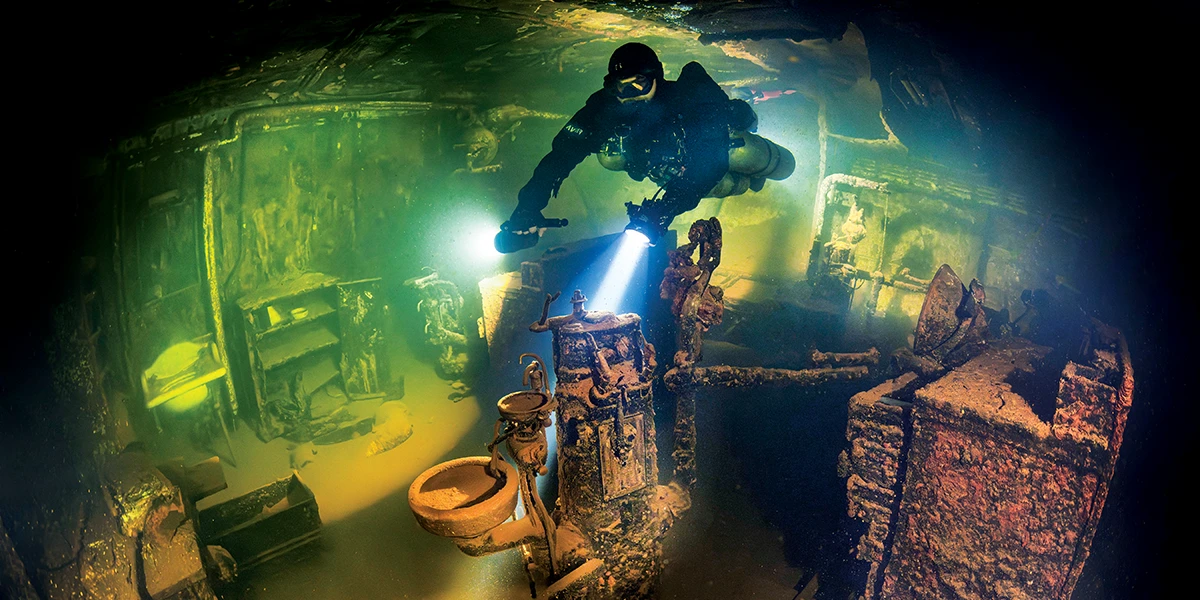
Located in the heart of the Pacific Ocean, Bikini Atoll is a remote and historically significant destination that offers some of the planet’s best wreck diving. The atoll’s stunning natural beauty and rich underwater history make it a diver’s paradise.
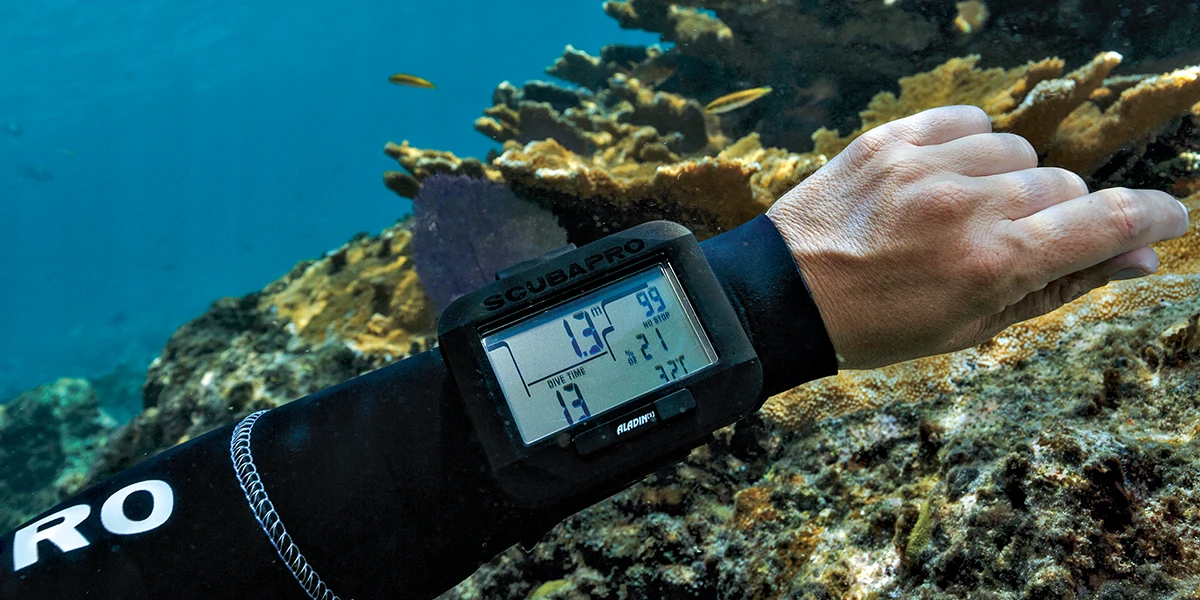
As a hyperbaric physician and dive instructor, I’ve been around a lot of dive accidents, and I’ve spent decades educating divers and treating decompression sickness (DCS). A misunderstanding I consistently see among the divers I treat pertains to no-decompression limits (NDLs), with divers repeating the common refrain that they were “diving within the limits” and that their DCS must therefore have been a random event.
I am a 55-year-old avid diver who made about 300 dives in 2023, most of which were coldwater shore-entry dives near San Diego, California, to below 100 feet (30 meters). I am also a dive instructor who loves to take underwater photos and participate in citizen science by completing a survey for the Reef Environmental Education Foundation (REEF) after every dive. My dive buddies know me as a safe and conservative diver.