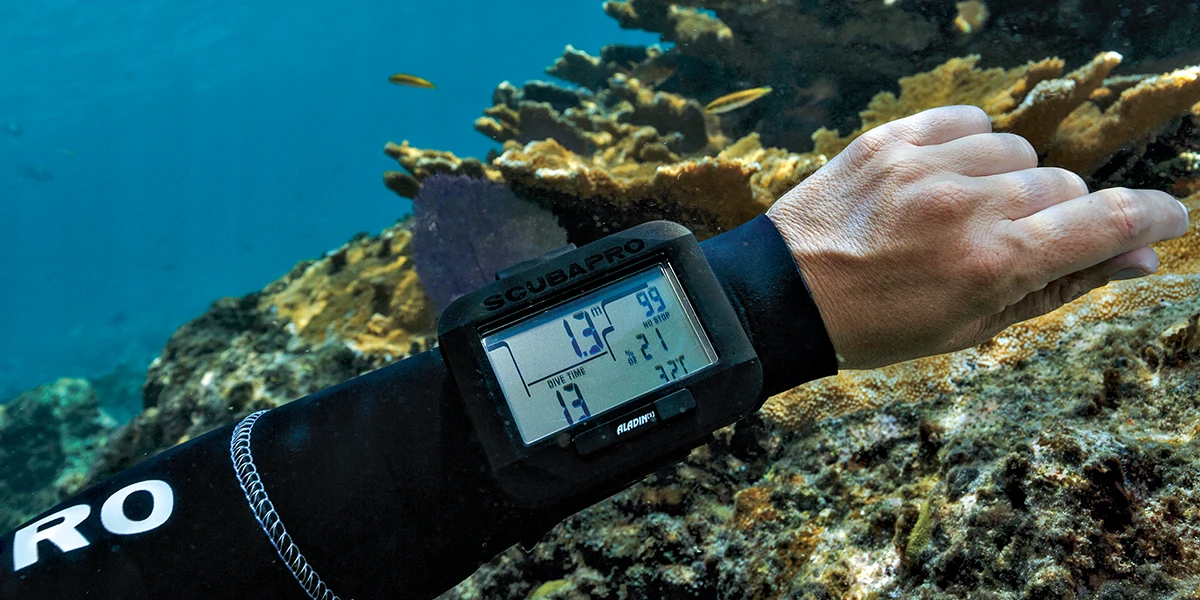
As a hyperbaric physician and dive instructor, I’ve been around a lot of dive accidents, and I’ve spent decades educating divers and treating decompression sickness (DCS). A misunderstanding I consistently see among the divers I treat pertains to no-decompression limits (NDLs), with divers repeating the common refrain that they were “diving within the limits” and that their DCS must therefore have been a random event.
I am a 55-year-old avid diver who made about 300 dives in 2023, most of which were coldwater shore-entry dives near San Diego, California, to below 100 feet (30 meters). I am also a dive instructor who loves to take underwater photos and participate in citizen science by completing a survey for the Reef Environmental Education Foundation (REEF) after every dive. My dive buddies know me as a safe and conservative diver.
Underwater environments simulate the conditions of space exploration and allow NASA to test equipment, perform research, and prepare for future missions in extreme settings such as the moon or Mars. Being underwater replicates the isolation, confined spaces, and limited resources astronauts experience in space.
I always get DAN Trip Insurance for overseas trips, which gives me peace of mind should the unexpected happen. There is a modest upfront payment based on the total trip costs and your age, so I considered skipping it for a Raja Ampat trip since I’ve had many trips without having to file a claim. I’m glad I chose otherwise.
In November 2021 I was diving on the HMHS Letitia shipwreck in Halifax Harbour, Nova Scotia, one of Canada’s Maritime provinces. The British hospital ship, which lies near a gray seal colony, ran aground and sank in 1917 while returning from Liverpool, England, with wounded Canadian soldiers.
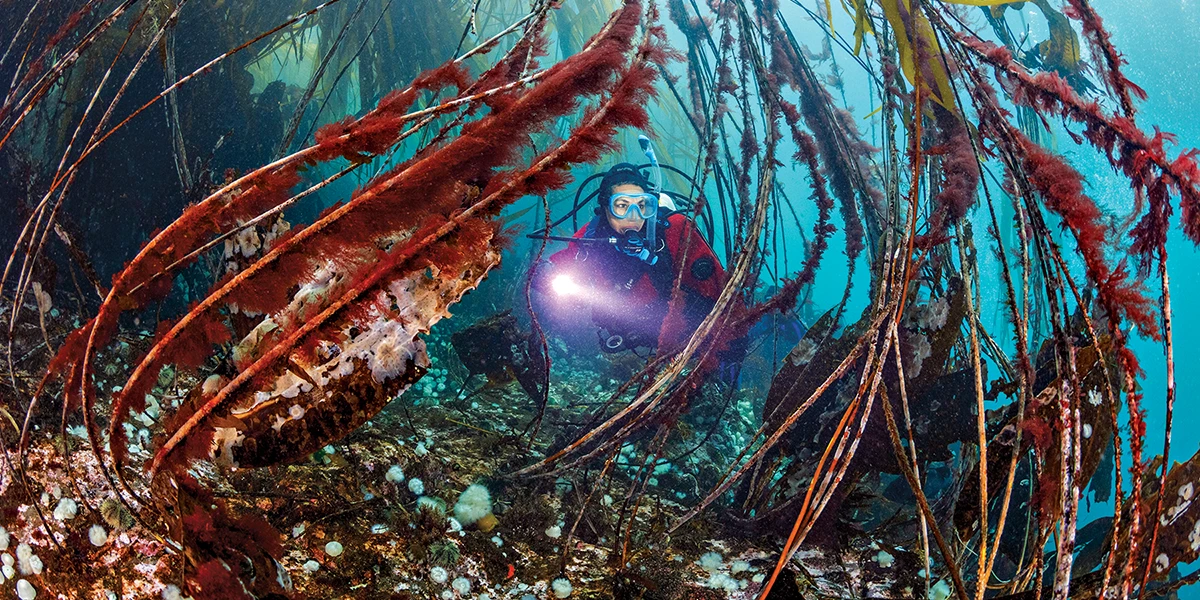
A lifetime’s worth of superb diving awaits adventurous divers in the cool, current-swept waters surrounding British Columbia’s Vancouver Island.
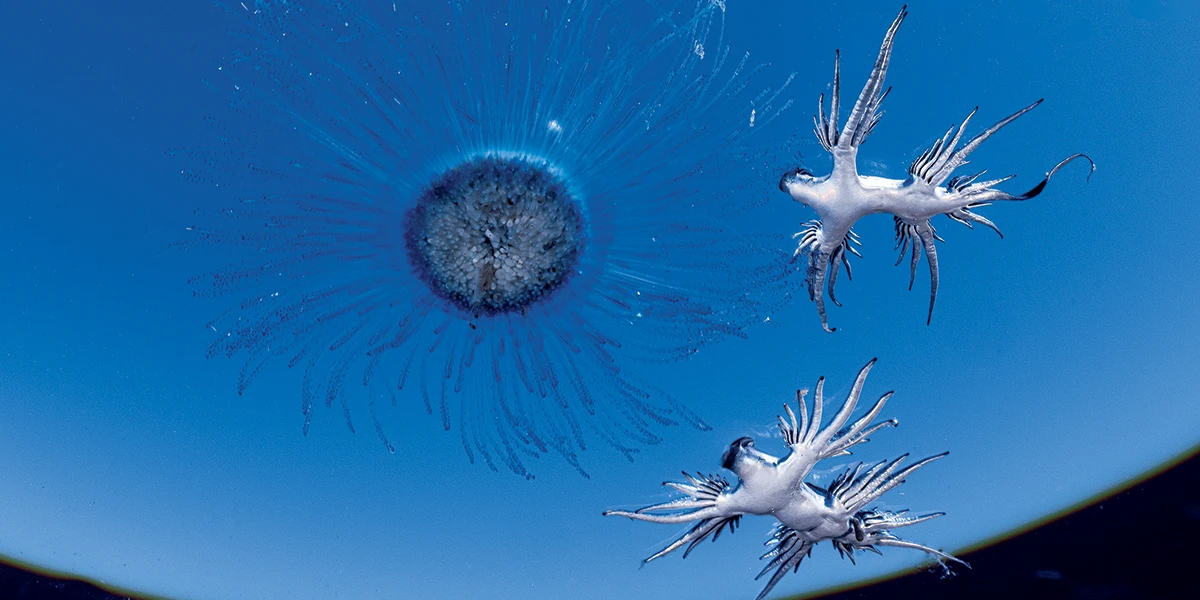
These small yet magnificent mollusks live in the open ocean and are at the mercy of wind, tide, and currents. As they float upside down just beneath the surface, their blue-striped bellies point upward while their metallic backs are counter-shaded when seen from below.
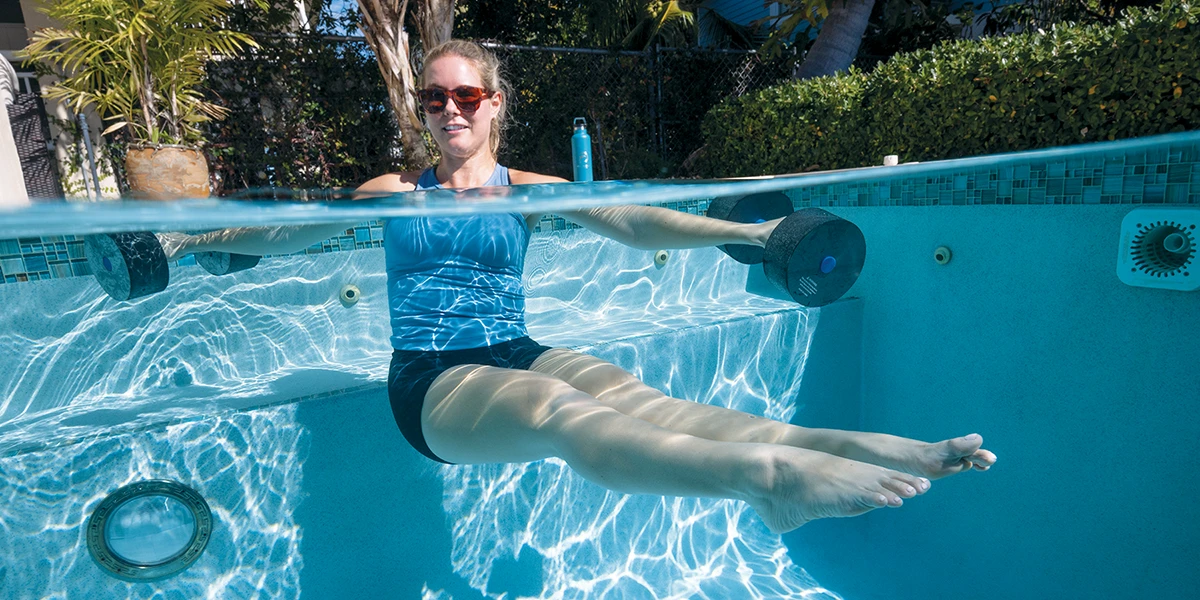
Aquatic dumbbells can be beneficial for divers who want to improve their control and stamina underwater while minimizing impact on their joints. These targeted water aerobics exercises utilize aqua dumbbells and focus on enhancing a diver’s core stability, strength, and endurance.
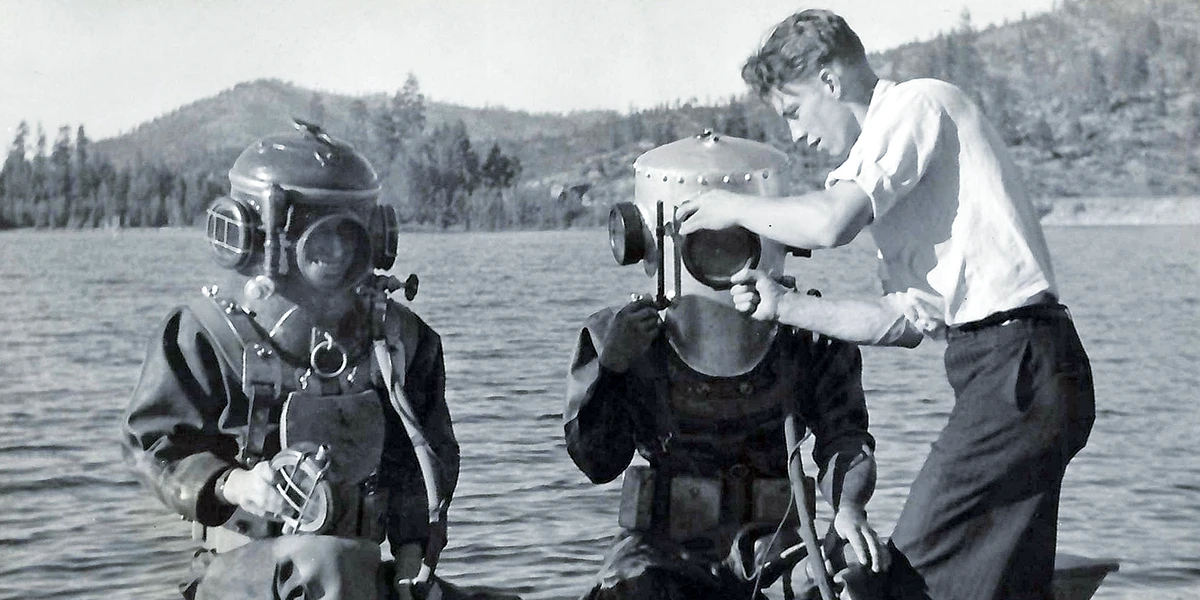
The “Historic Dive Helmets” article from the Second Quarter 2024 issue of Alert Diver triggered memories of my father, Burton Stewart, and his best friend Leno Prestini. In 1935 they crafted their own dive gear from a water heater, milk can, garden hoses, and Goodyear balloon material for the suits.
Most flights are uneventful, with the worst experiences being an occupied lavatory or unexpected turbulence. Emergencies can happen, however, and aircraft passengers need to be prepared to react quickly and efficiently. In an emergency, knowing the proper evacuation procedures for your flight can mean the difference between safely concluding your trip or reaching a different final destination.