Located in the heart of the Pacific Ocean, Bikini Atoll is a remote and historically significant destination that offers some of the planet’s best wreck diving. The atoll’s stunning natural beauty and rich underwater history make it a diver’s paradise.
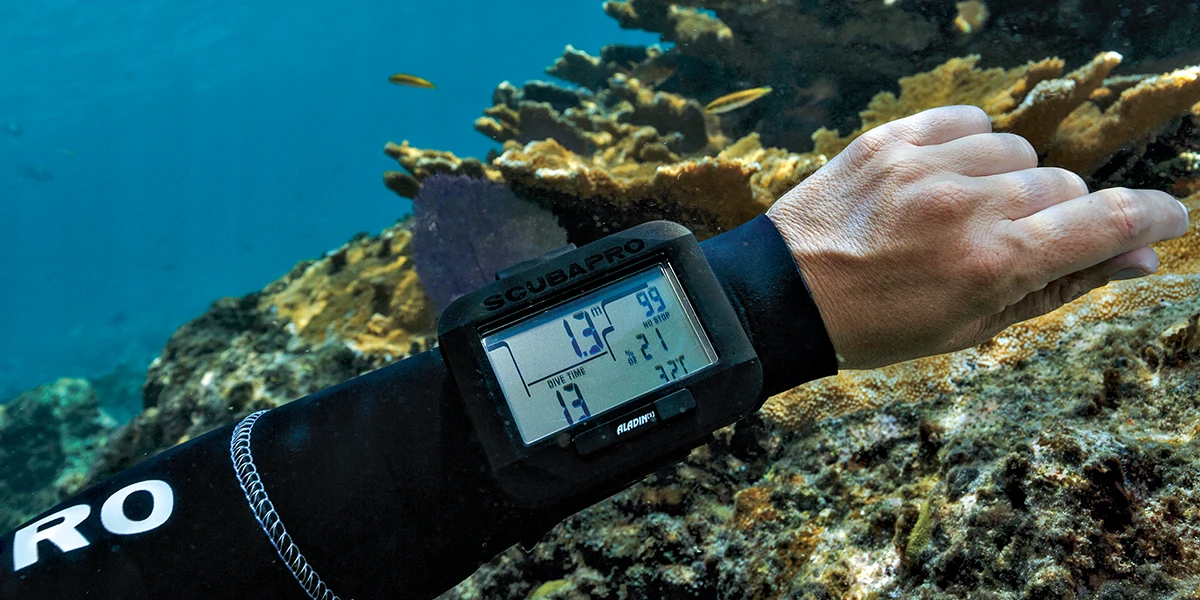
As a hyperbaric physician and dive instructor, I’ve been around a lot of dive accidents, and I’ve spent decades educating divers and treating decompression sickness (DCS). A misunderstanding I consistently see among the divers I treat pertains to no-decompression limits (NDLs), with divers repeating the common refrain that they were “diving within the limits” and that their DCS must therefore have been a random event.
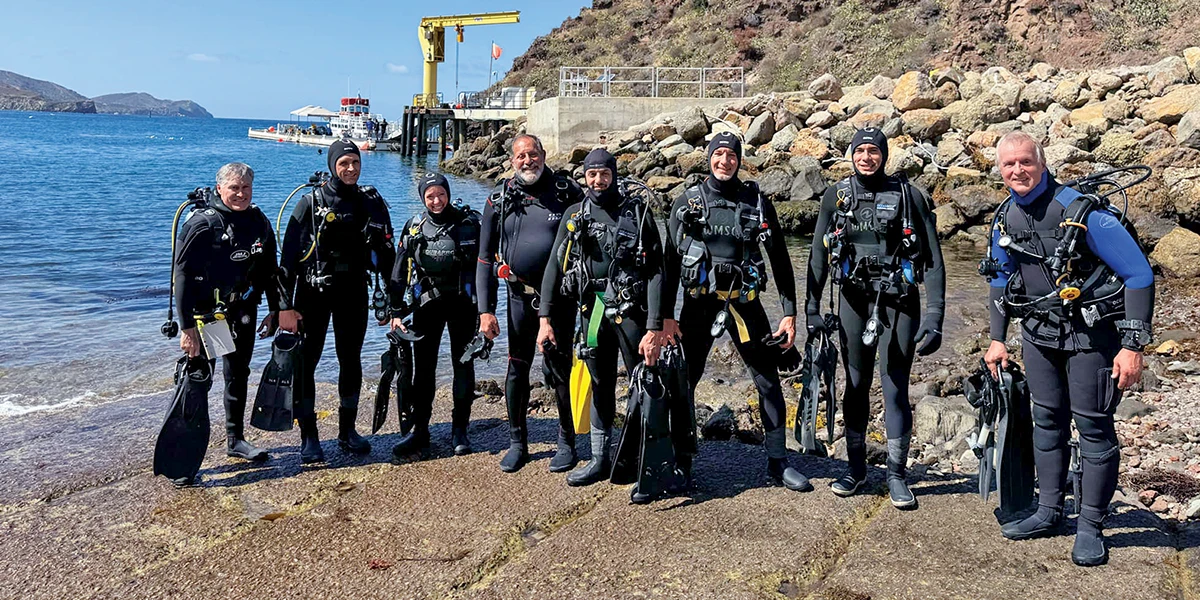
I am a 55-year-old avid diver who made about 300 dives in 2023, most of which were coldwater shore-entry dives near San Diego, California, to below 100 feet (30 meters). I am also a dive instructor who loves to take underwater photos and participate in citizen science by completing a survey for the Reef Environmental Education Foundation (REEF) after every dive. My dive buddies know me as a safe and conservative diver.
Underwater environments simulate the conditions of space exploration and allow NASA to test equipment, perform research, and prepare for future missions in extreme settings such as the moon or Mars. Being underwater replicates the isolation, confined spaces, and limited resources astronauts experience in space.
I always get DAN Trip Insurance for overseas trips, which gives me peace of mind should the unexpected happen. There is a modest upfront payment based on the total trip costs and your age, so I considered skipping it for a Raja Ampat trip since I’ve had many trips without having to file a claim. I’m glad I chose otherwise.
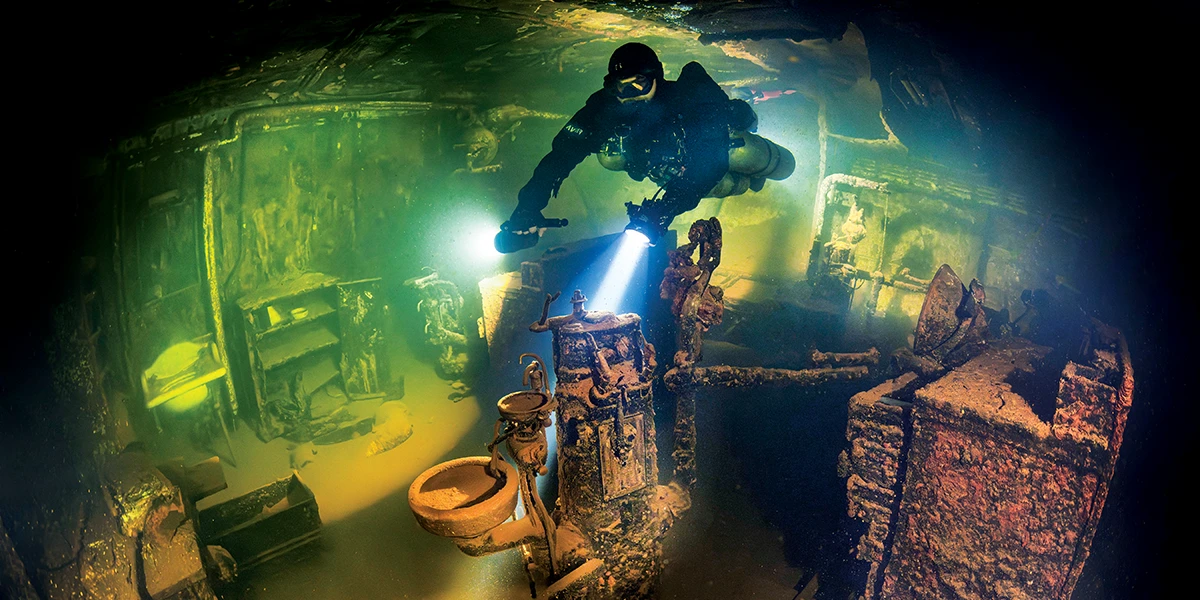
In November 2021 I was diving on the HMHS Letitia shipwreck in Halifax Harbour, Nova Scotia, one of Canada’s Maritime provinces. The British hospital ship, which lies near a gray seal colony, ran aground and sank in 1917 while returning from Liverpool, England, with wounded Canadian soldiers.