High on Mercury
Grouper populations are on the rebound thanks to protection efforts. But a major threat to these fish remains: mercury.
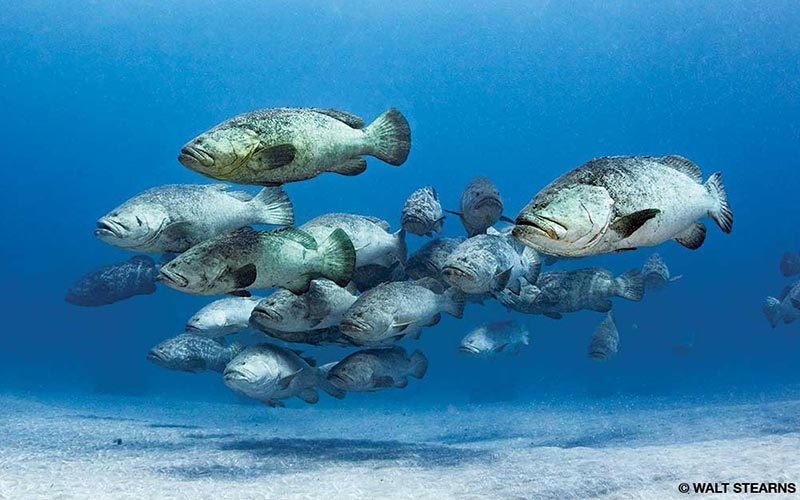
Grouper populations are on the rebound thanks to protection efforts. But a major threat to these fish remains: mercury.
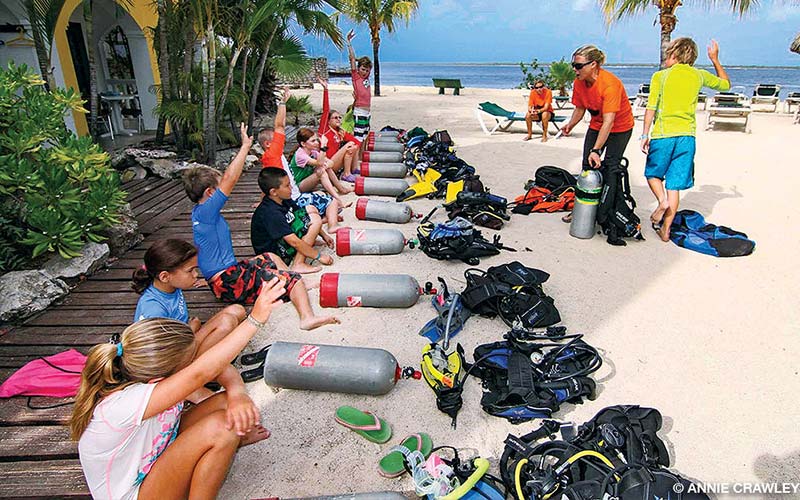
Parents often express reservations or concerns about going on dive vacations with their kids. But it’s a joint reasonability from both parents and dive operators.
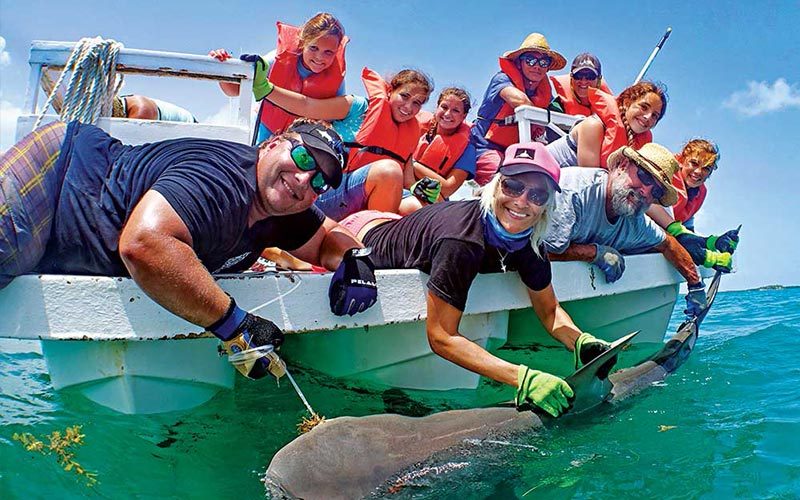
School is in session! Shark experts pooled together in the nonprofit organization Sharks4Kids, teaching families around the world about sharks — setting the record straight.
No one likes getting sick on vacation, but one individual had a hard experience trying to file a claim with their primary insurance provider. One call to DAN, and it was smoothed over.

In 2016, DAN conducted research into the effects of diving on heart rhythm. Learn more about the research, methods and some early results.

Dive gear is heavy, but with weight training, you can gain strength and continue to dive. Learn exercises that will boost your overall fitness to dive.

Late filmmaker Rob Stewart used his films to celebrate sharks and bring attention to their plight. His inspiration and passion for shark conservation live on.
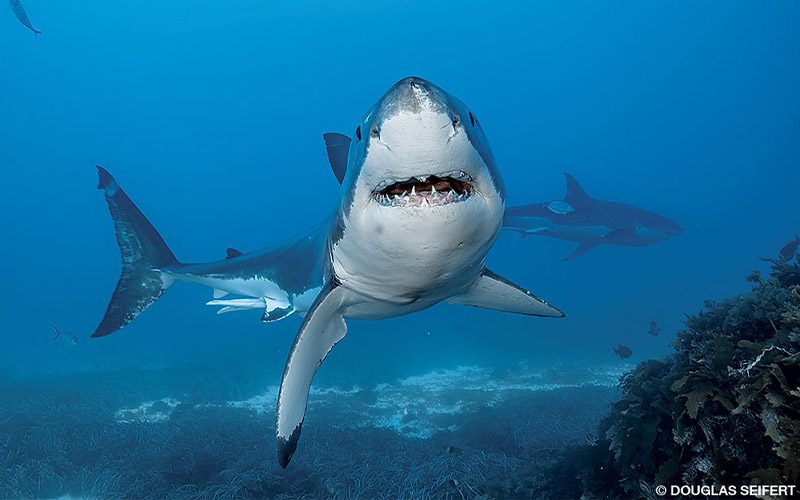
Dominica is home to many dive sites and budding reefs. But beyond that, Dominica can change perceptions of underwater photography.
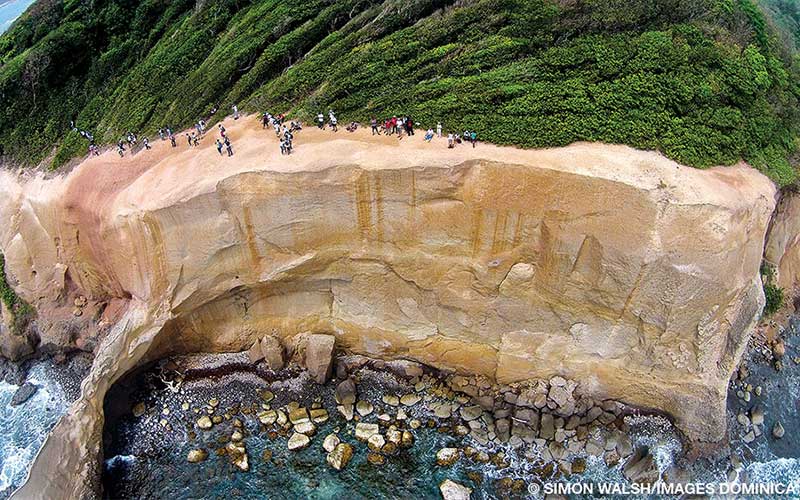
Dominica is home to great dive destinations, but topside, there are plenty of excursions, too.
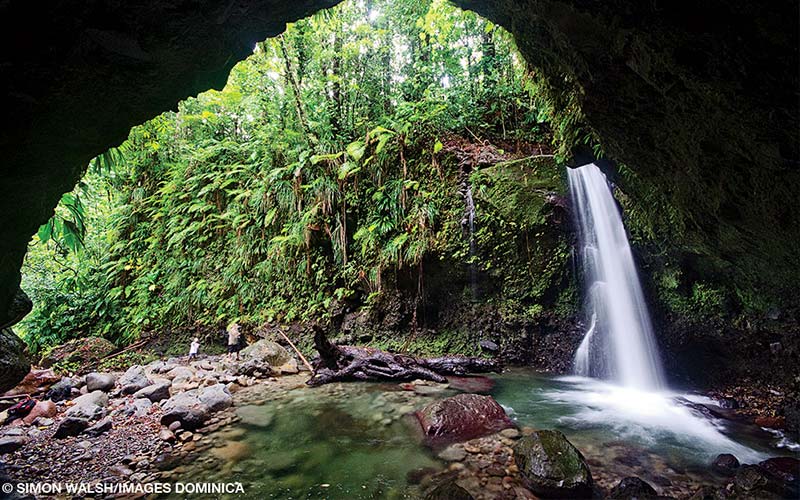
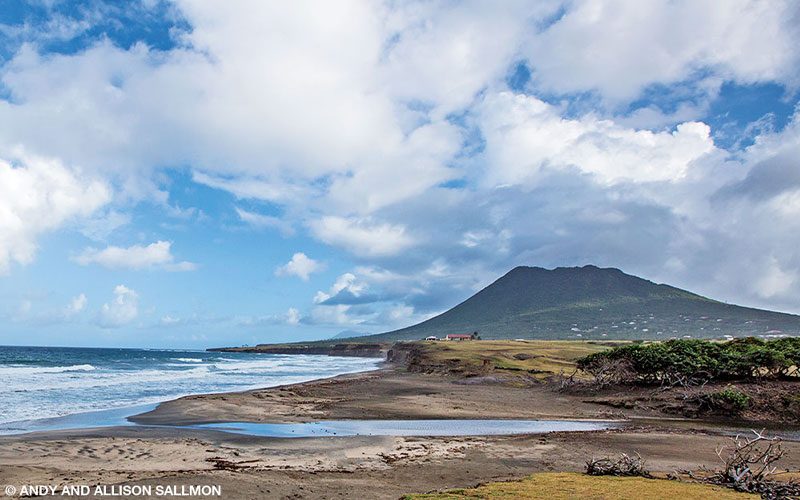
The St. Eustatius National Marine Park has a growing and proliferating reef. The island itself also has a rich past.