The Do’s and Don’ts of Dive Etiquette
Good diving etiquette is important in a social sport like diving in building and maintaining trust with your diving companions.

Divers Blog Post Type
Good diving etiquette is important in a social sport like diving in building and maintaining trust with your diving companions.
There are physiological differences in women that can affect their diving experience. Here are six common questions pertaining to women’s health.
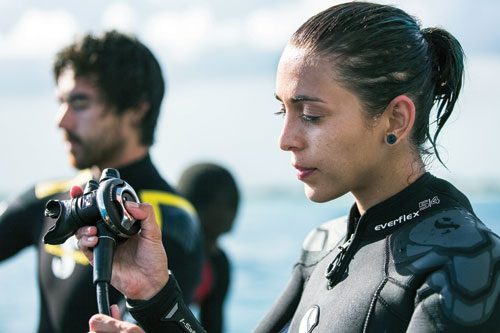
Getting older doesn’t have to mean give up on diving, but divers over 50 should be aware of common medical issues that may interfere with safe diving.
Scuba diving accidents are rare, but they do happen. Knowing how to recognize and appropriately respond to diving injuries may benefit you or someone you care about.

Think technical divers and new divers are the most at-risk for an accident? Think again. But plan for accidents with the right dive insurance.

It is important to recognize the signs of serious dive injuries. From chest pain to paralysis, here are common symptoms and what they could mean.

First aid courses require hands-on learning, and as these first-person classes resume, there are considerations that need to be made. If you’re teaching first aid classes, here is how to ensure student and instructor safety.
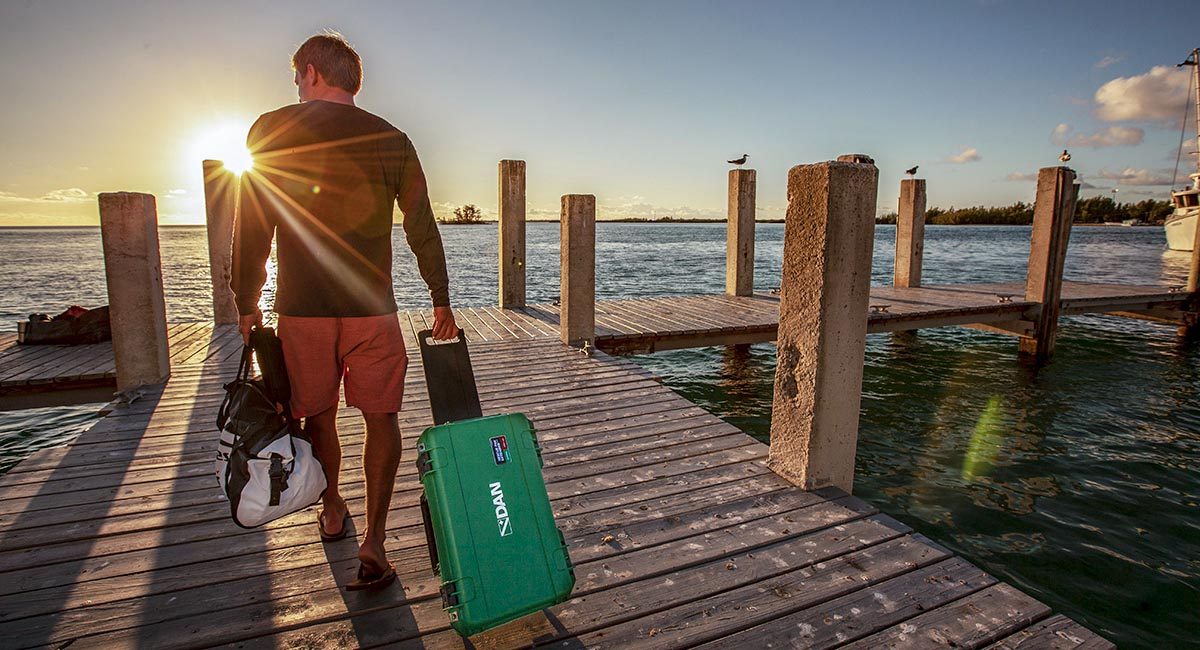
COVID-19 spreads via respiratory secretions in a variety of ways including aerosolized droplets expelled by coughing or sneezing. Learn how to properly disinfect scuba equipment.
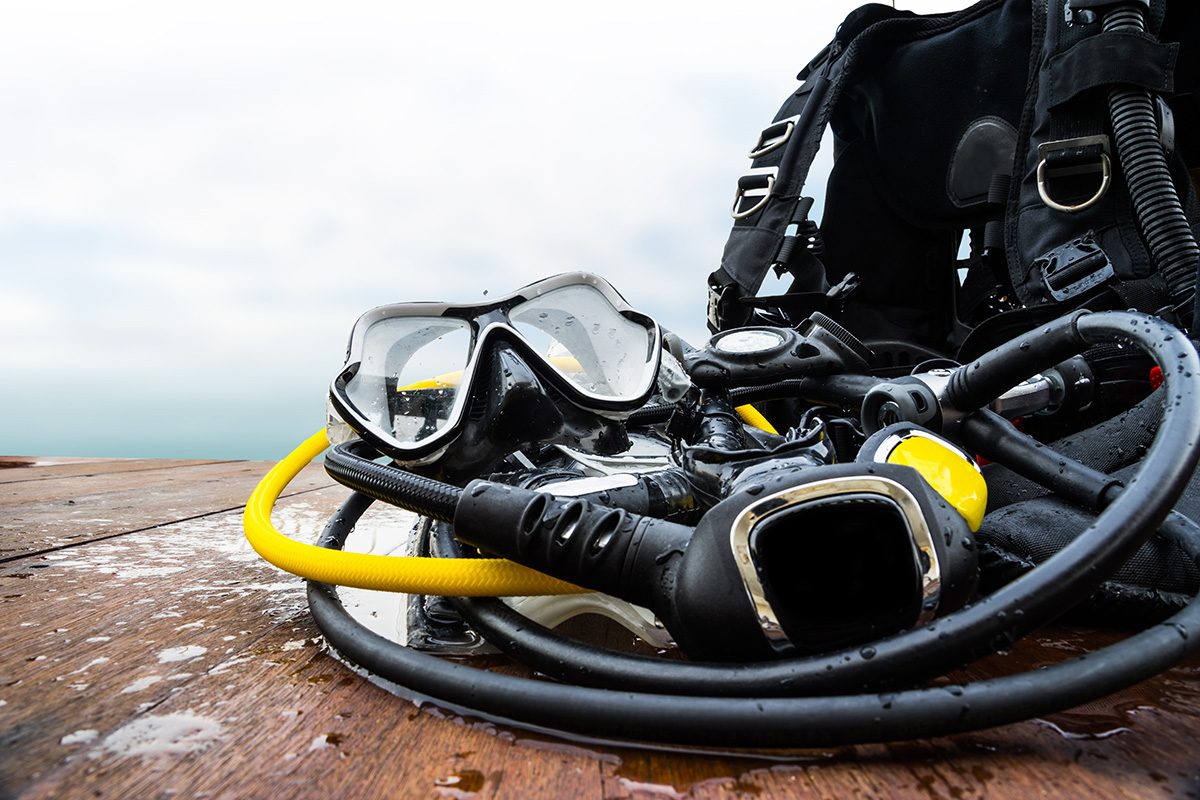
Information on COVID-19 is updating rapidly, but some is known about how long the virus lives on surfaces. Knowing these times is a vital part in reducing the risk of transmission.
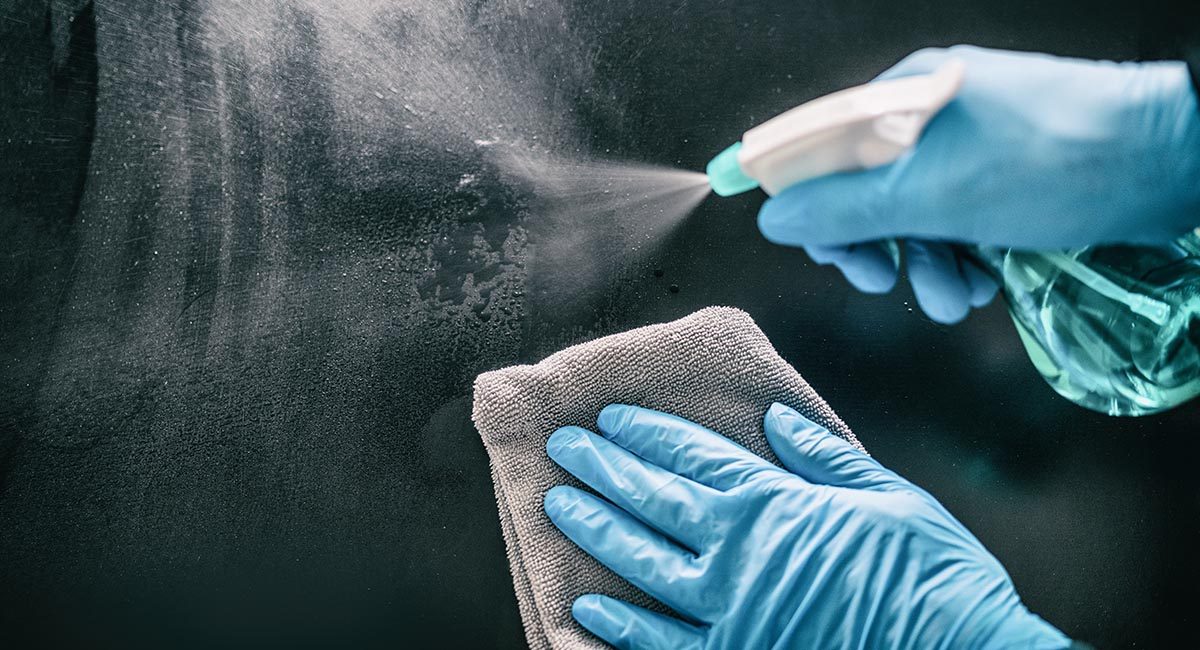
Seizure due to CNS oxygen toxicity in divers breathing a hyperoxic gas mix underwater is a very likely to cause drowning. This study looked at the link between melatonin and oxygen toxicity.