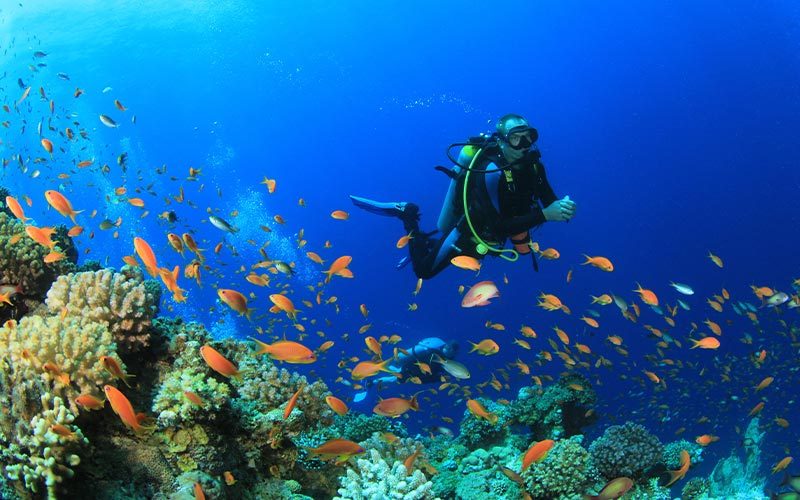
The dive profile may be the key in figuring out why some dives result in decompression sickness and others do not. This study also shows that the effect of depth-time on outcome of decompression is overshadowing possible effects of other observed factors.
Seizure due to CNS oxygen toxicity in divers breathing a hyperoxic gas mix underwater is a very likely to cause drowning. This study looked at the link between melatonin and oxygen toxicity.
Skin mottling is often a manifestation of “skin bends.” While it is likely related to gas occurring in the body, there is no generally accepted explanation why the mottling occurs. But there may be a hypothesis.
As the diving population ages, there is a hypothesis that the completion of a coronary calcium scan could help reduce the risk of heart attacks while diving.
Are some divers more susceptible to decompression sickness (DCS) than others? Could a test be created to see the difference between bubblers and nonbubblers?
Some divers may be more prone to decompression sickness (DCS) than others. What is not known, however, if previous DCS diagnosis and recover makes someone even more susceptible to contract it again.
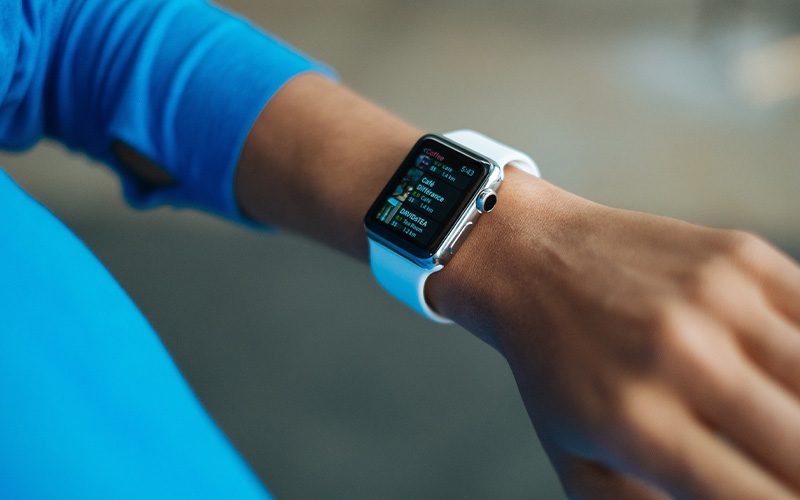
Mobile health technology has been around for a long time and it has revolutionized how we do…everything. Learn more about Apple’s role and how this tech can be a force for good in diving.
Sensors have revolutionized wearable tech making health monitoring so much easier. And, these breakthroughs can help the dive community.
Repeated breath-hold diving may cause neurological symptoms and even permanent brain injury. Learn more about the link with breath-hold diving.
An emerging approach to help study decompression sickness, is analyzing a diver’s blood to identify certain markers. Read more about the results of an ongoing 2014 study.