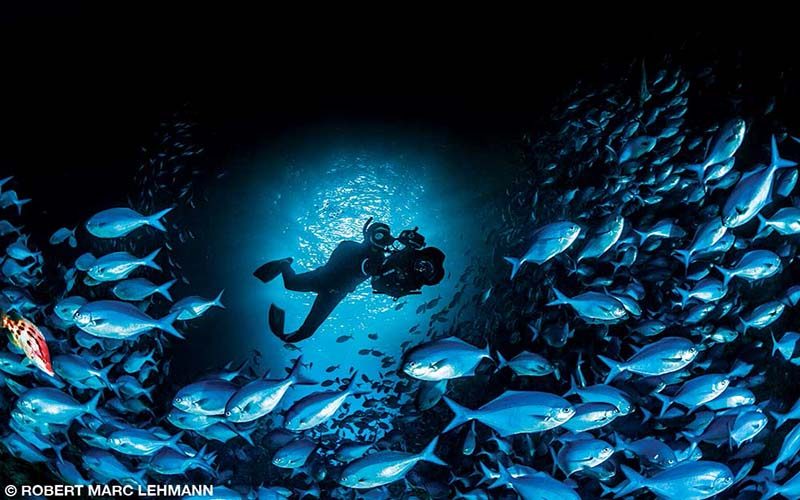
The superior performance of elite breath-hold athletes could be attributed to their inherited biophysical characteristics, and some metabolic enhancement induced by training. However, they could be susceptible to short-term memory impairment.
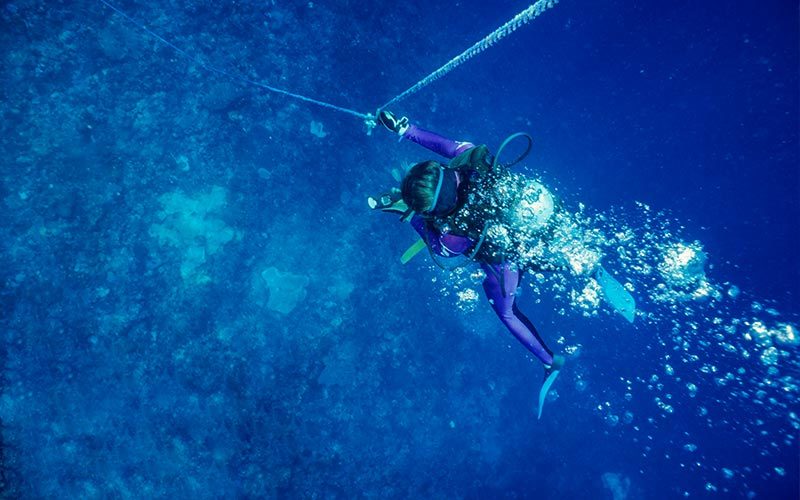
While we know that there is an association between post-decompression occurrences of gas bubbles in body tissues and decompression sickness (DCS), we still do not know where the bubbles originate from, why they do not occur in all divers on the same dive, and how they lead to DCS.
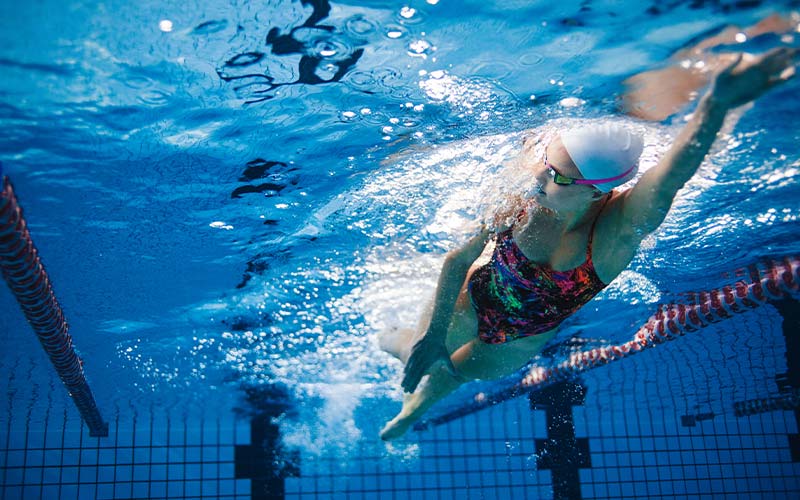
Swimming induced pulmonary edema (SIPE) may occur in healthy subjects during or immediately after swimming and exercise. If not recognized, symptoms which are typically initially mild, may quickly worsen and become life threatening.
Venous gas bubbles in breath-hold divers remains a focus of researchers. Data from bubbles detected in divers will be used to better understand and correct decompression algorithms.
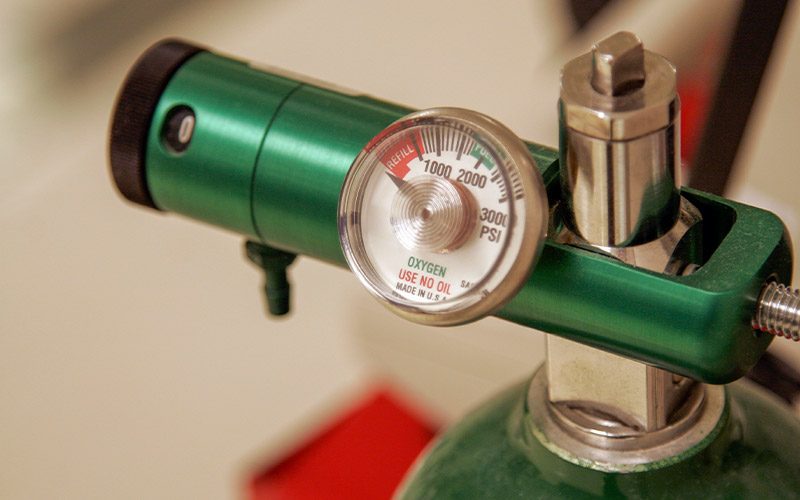
Breathing gas contamination is a serious problem, with serious symptoms. However, health effects differ based upon the contaminant. Learn more about the symptoms and how to prevent.
New technologies may help us to learn more about post-decompression bubbles dynamics and get closer to the personalized approach in prevention of decompression sickness (DCS).
While it is generally accepted that sooner recompression is associated with better outcomes, the urgency of treatment may not be same for all cases.
Immersion pulmonary edema (IPE) may be more common than previously reported. Several studies analyzed different kinds of diving and the prevalence of IPE.
The current thought is that gas bubbles originate on the venous side and pass to the arterial side either through intra-cardiac (PFO) or intra-pulmonary shunt. A group of scientists proposed a third mechanism.
A study on Belgian decompression sickness (DCS) cases looked at patent foramen novale (PFO) presence, patency of present PFOs, and personality traits in divers who suffered cerebral DCS one or more times.