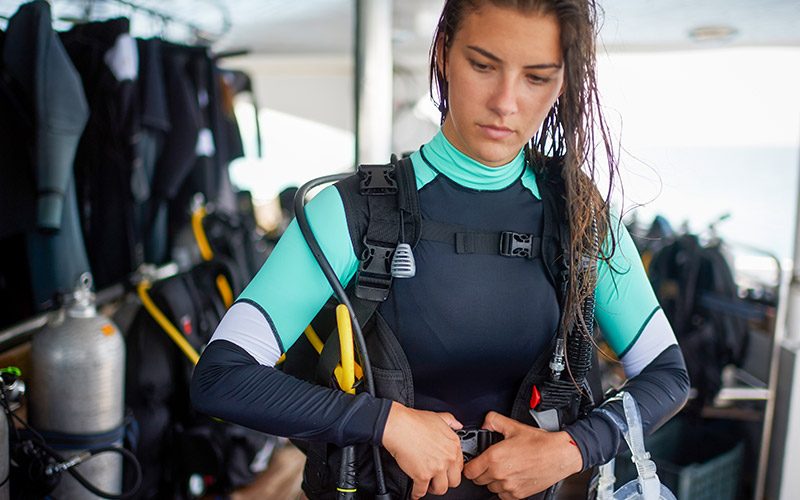
Can Crystalline Salt Reduce the Size of Scuba Equipment?
A crystalline salt might be able to reduce the size of scuba equipment because of its natural ability to uptake and story oxygen in high concentrations. Learn more.
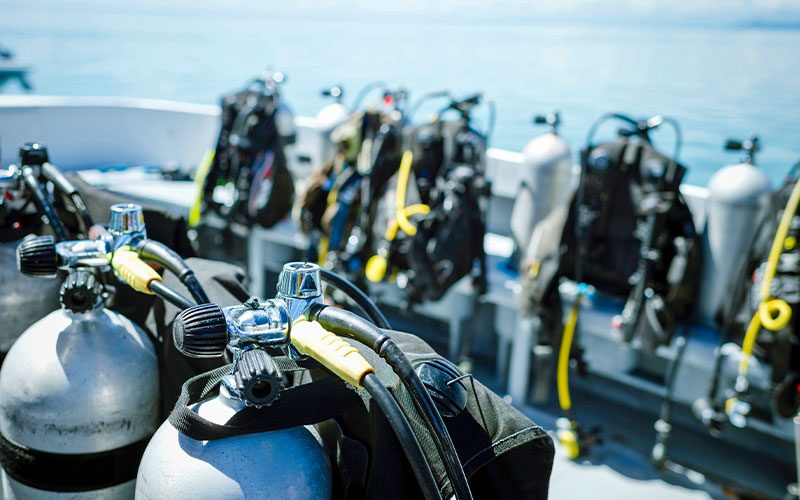
Divers Blog Post Type
A crystalline salt might be able to reduce the size of scuba equipment because of its natural ability to uptake and story oxygen in high concentrations. Learn more.
Presently, to monitor for oil particulate in recreational breathing gas, dive operators can take safety filling precautions, such as not filling tanks near combustible engines and maintaining the compressor.
Tasmania’s aquaculture industry follows “yo-yo” diving schedules and they were validated in 2014. Learn more.
A photo of video of your injury could be an indispensable tool in finding a diagnosis for your symptoms. The image provides proof.

A published paper explores the link between closing a patent foramen ovale and decompression sickness. Read more.
Between July 15-17, 2014, the Office of Naval Research (ONR) and the Naval Sea Systems Command (NAVSEA) hosted an undersea medicine progress review meeting in Durham, North Carolina. The presentations […]
The role of microparticles in vascular and neurological injury following decompression has been discussed in previous studies. The goal of recent research was to identify MPs production, assess the roles in MP dynamics and more.
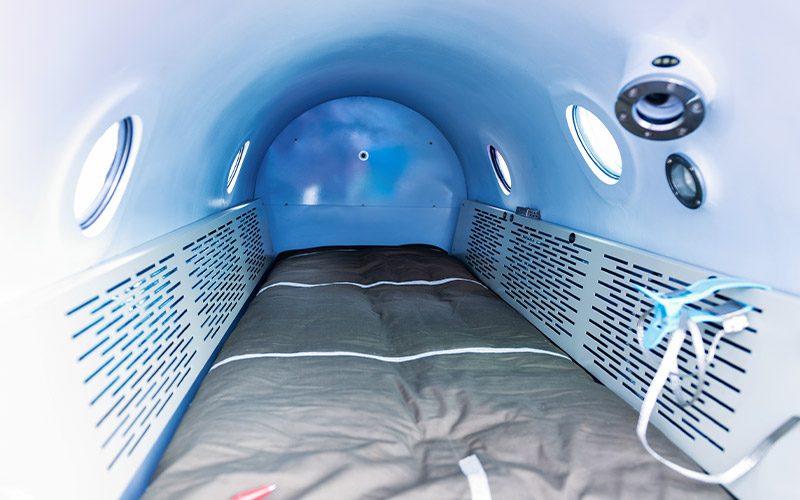
Does the selective vulnerability of the inner ear to DCS help explain the disconnect between a prevalent risk factor and a rare disease?
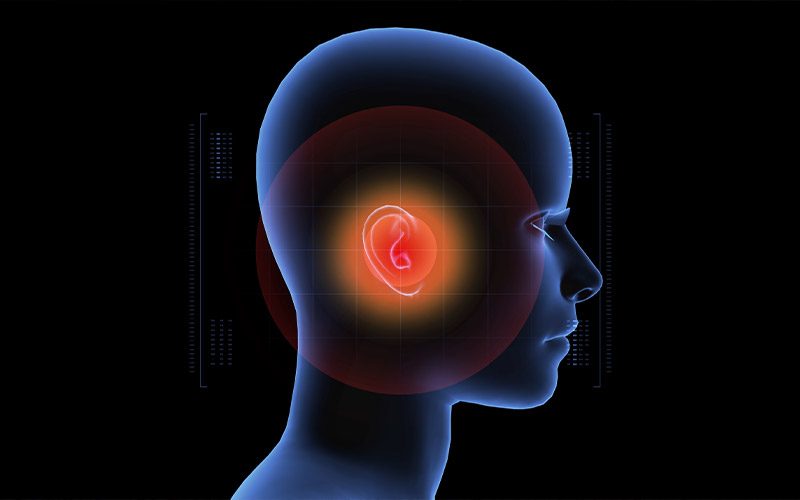
Research is showing there may be a link between a high-fat diet and decompression stress. Read more about the study and tips on living a healthier lifestyle.

There could be a link between sex and oxygen toxicity. Learn more about ongoing research into this topic.