Lung Squeeze Survey
Divers Alert Network (DAN) and University of California San Diego (UCSD) are sponsoring a survey that will collect data from breath-hold divers regarding their experience(s) with lung injuries while training […]

Divers Blog Post Type
Divers Alert Network (DAN) and University of California San Diego (UCSD) are sponsoring a survey that will collect data from breath-hold divers regarding their experience(s) with lung injuries while training […]
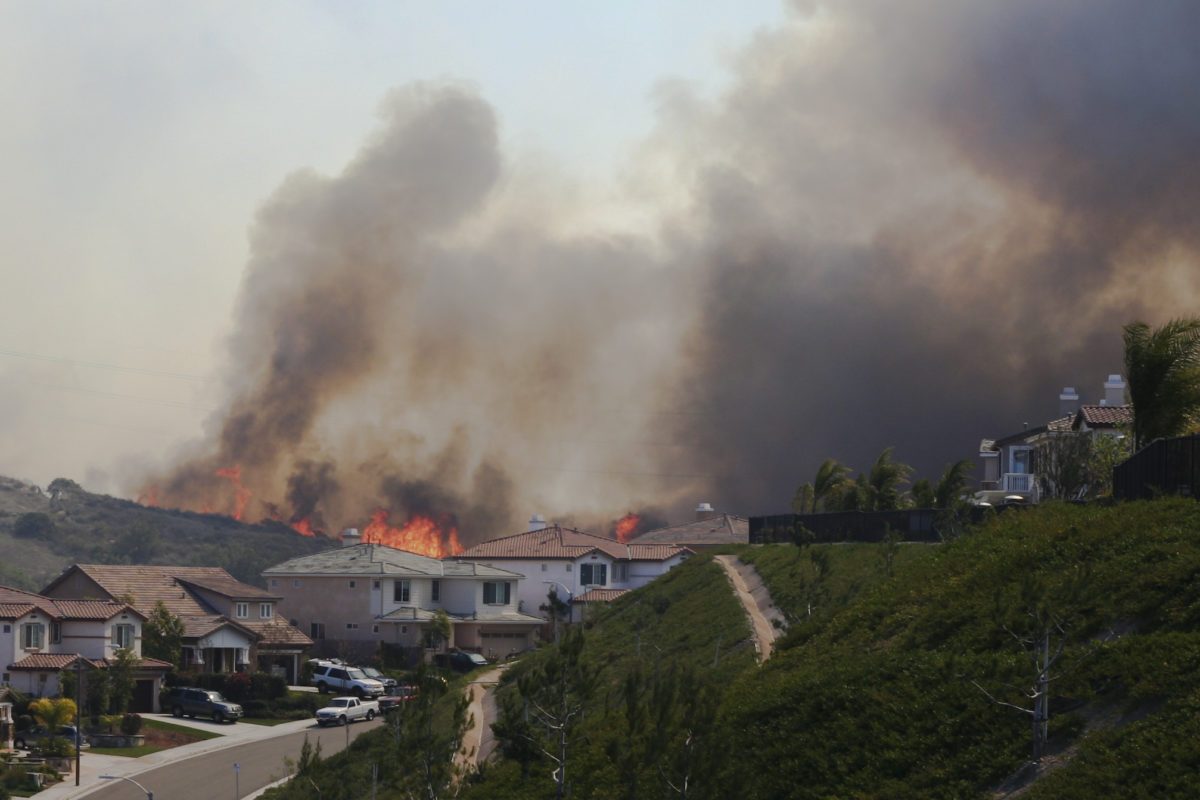
Divers and dive operators may wonder about the effects of wildfires on divers’ breathing gas. Fortunately it seems cylinders can still be safely filled.
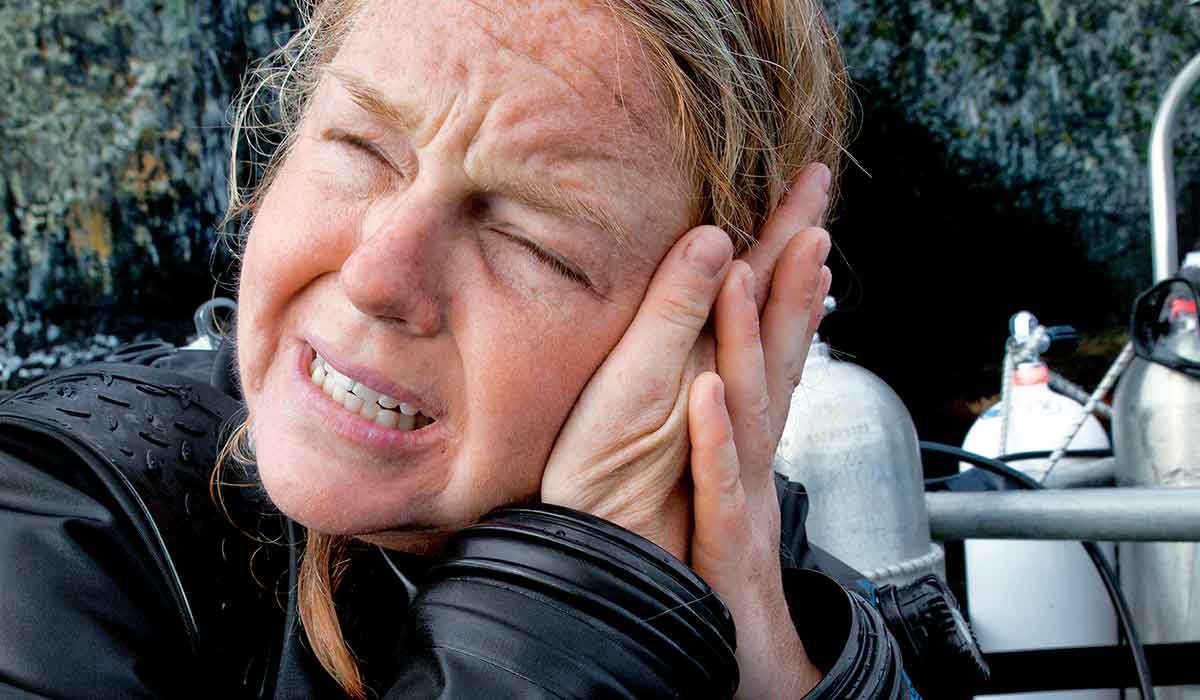
Dive professionals must become proficient at recognizing signs of barotrauma and helping divers prevent it.
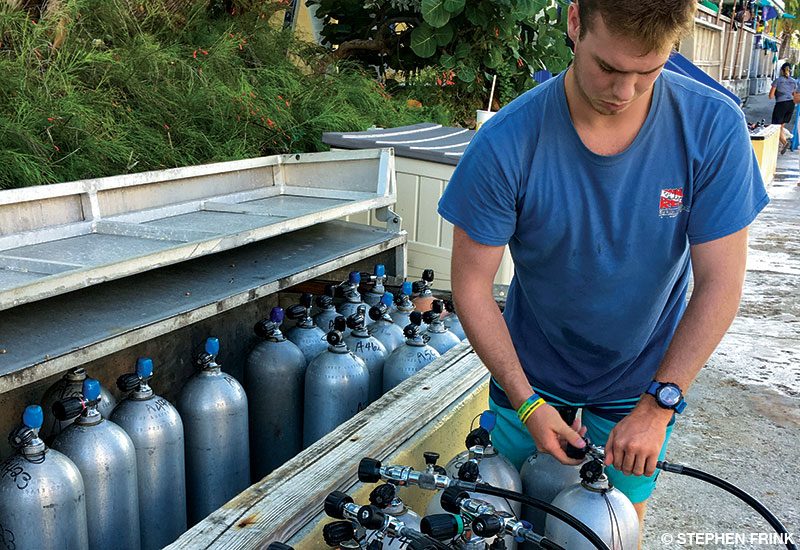
Choosing a reputable dive operation with a reliable safety record is important for ensuring your personal safety while diving — even if you rely on them for nothing more than […]
When you purchase liability insurance from DAN, you’re backed by more than an insurance policy. You’re supported by an organization that has been helping divers for over 40 years. In […]
DAN has become aware of several instances in which medical providers subjected injured divers to medically unnecessary diagnostic testing before administering definitive care.
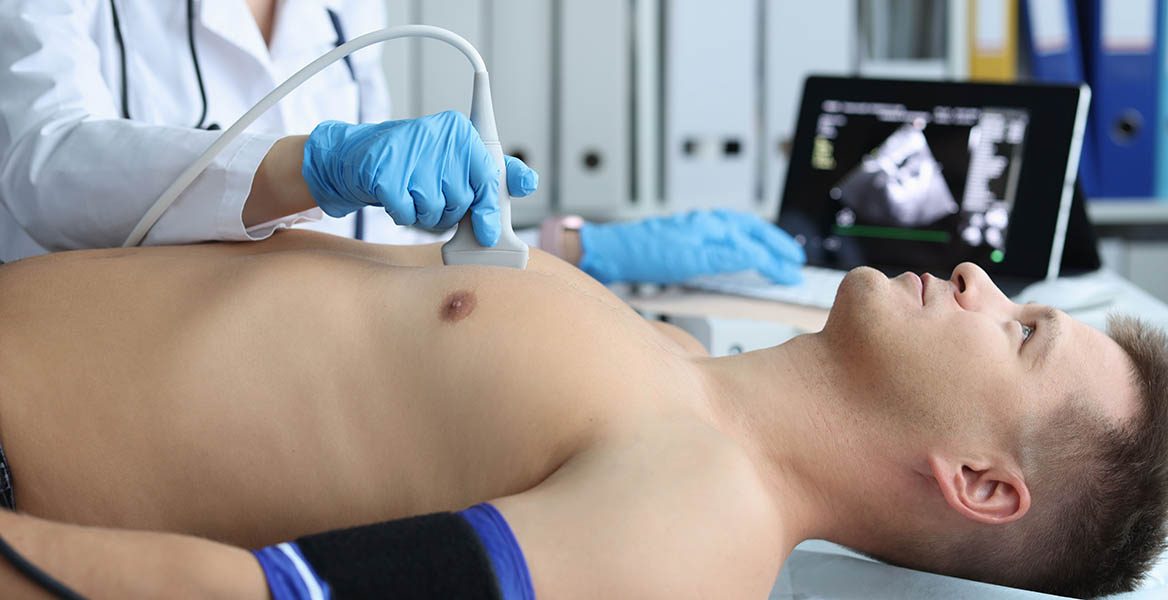
Pulmonary edema is an abnormal leakage of fluid from the bloodstream into the alveoli, the microscopic air sacs in the lungs. It is most often the result of heart failure […]
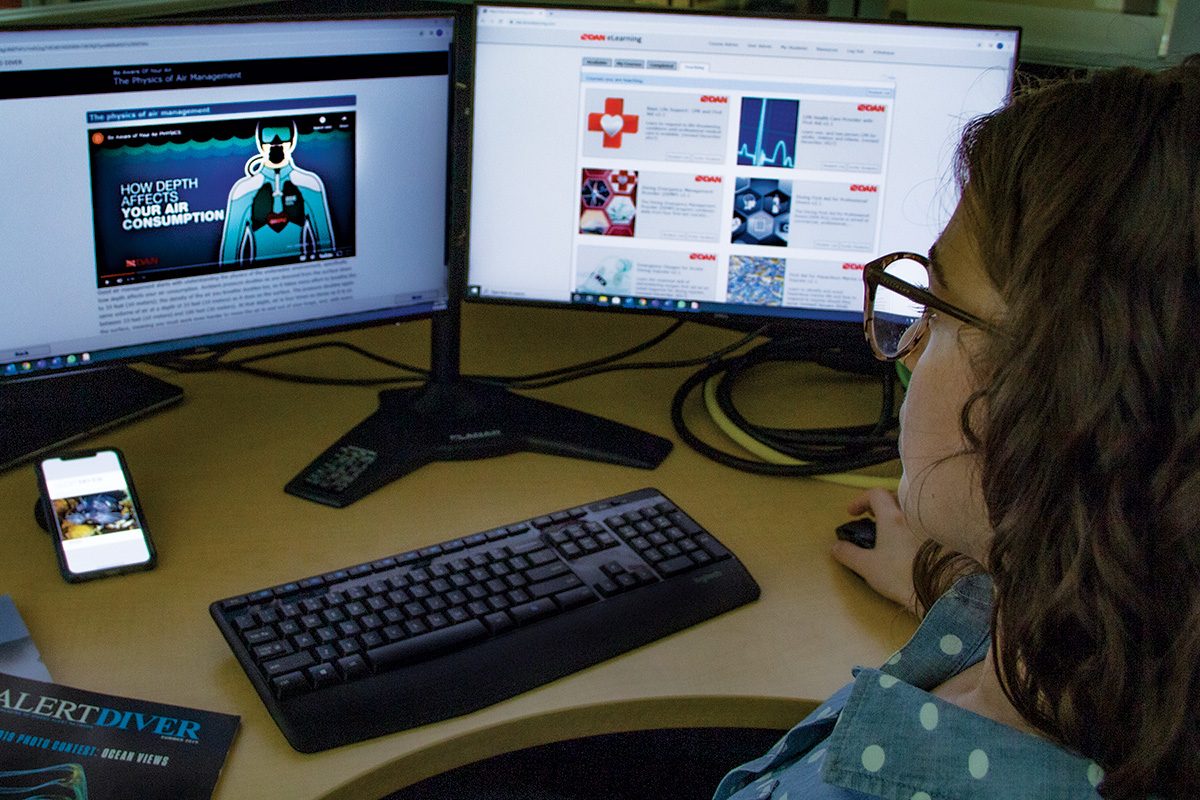
As part of its mission to promote dive safety, DAN has made available numerous e-learning courses, videos, planning tools, and other resources for divers and dive professionals.
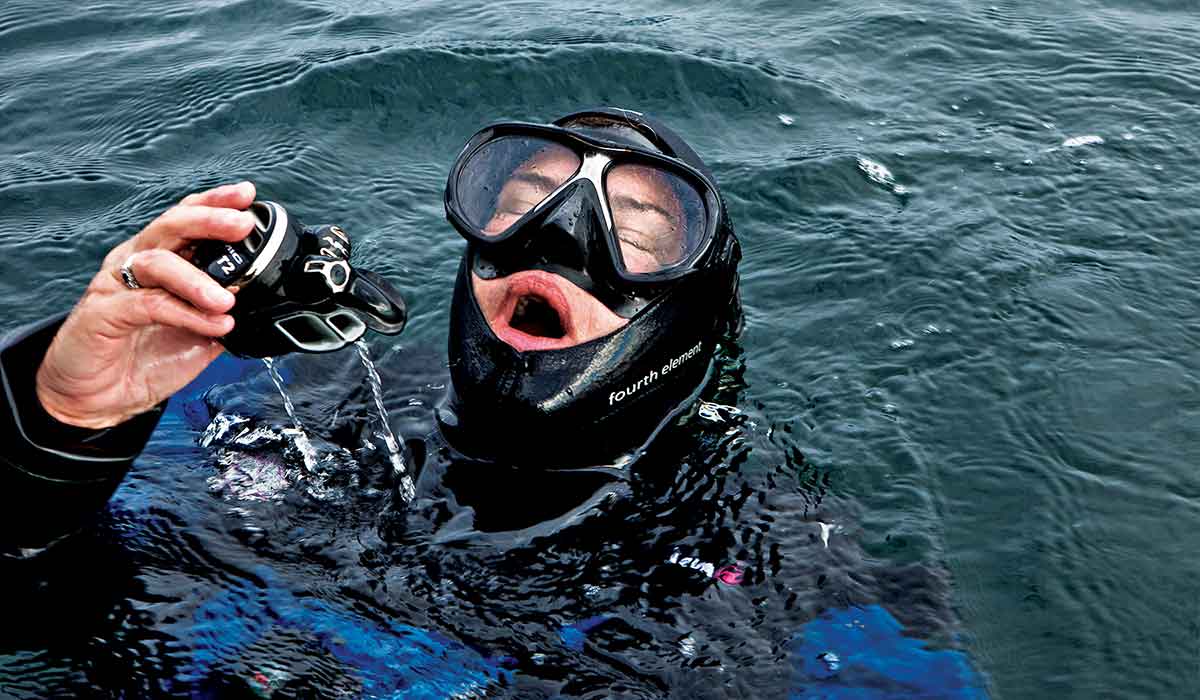
A diver’s symptoms went from bad to worse when he continued diving despite not feeling well. A strong downcurrent complicated things further.
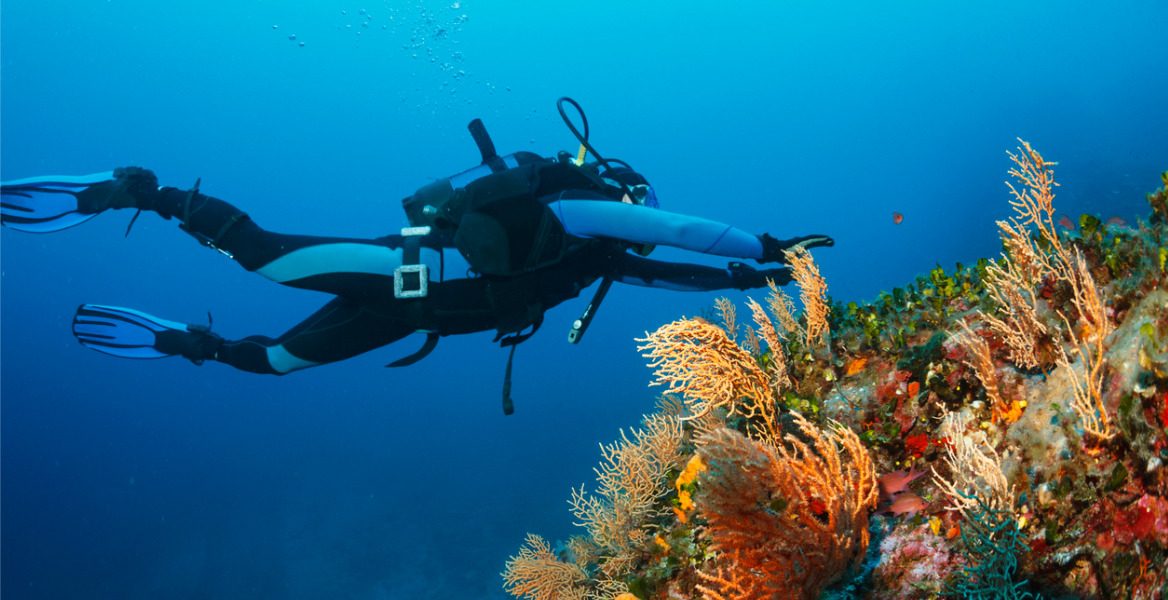
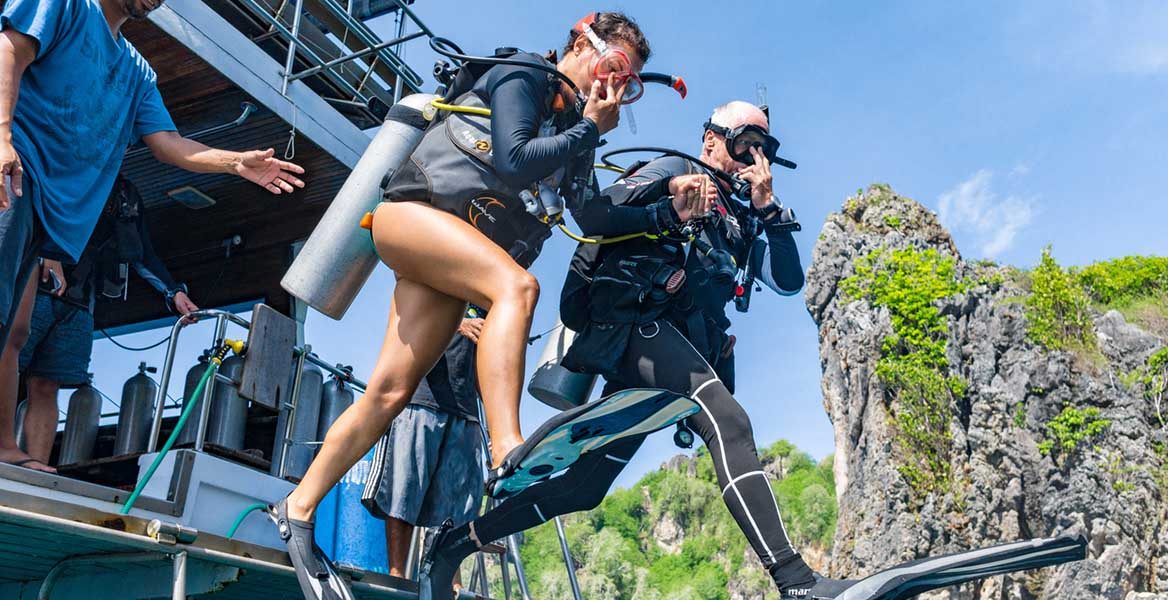
Dive professionals can enhance divers’ safety through compliance with safety protocols, having emergency action plans in place, keeping an eye on their divers, and recognizing — and decisively responding to — signs of DCS.