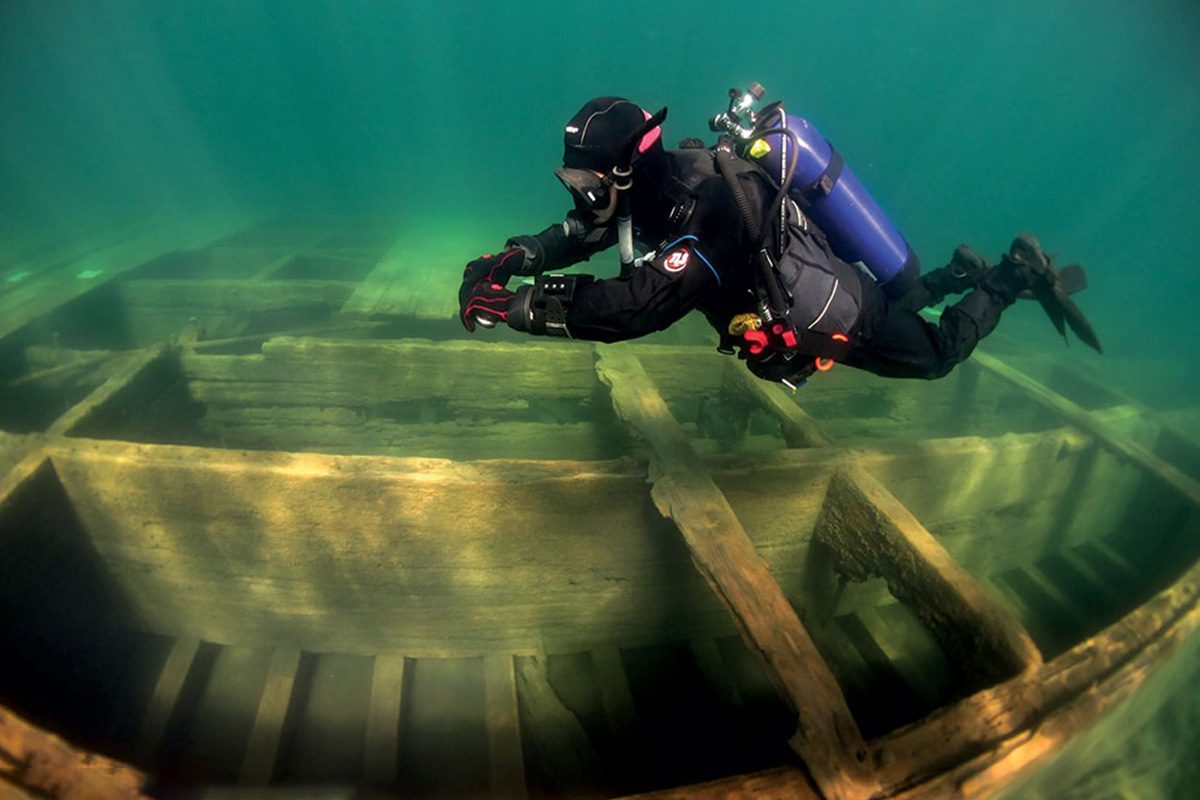
Expanding My Dive Portfolio
MY FACE IS STARTING TO FEEL NUMB, but at least my body and toes are still warm. The way the sunlight dances through the towering kelp is enchanting, and I’m […]
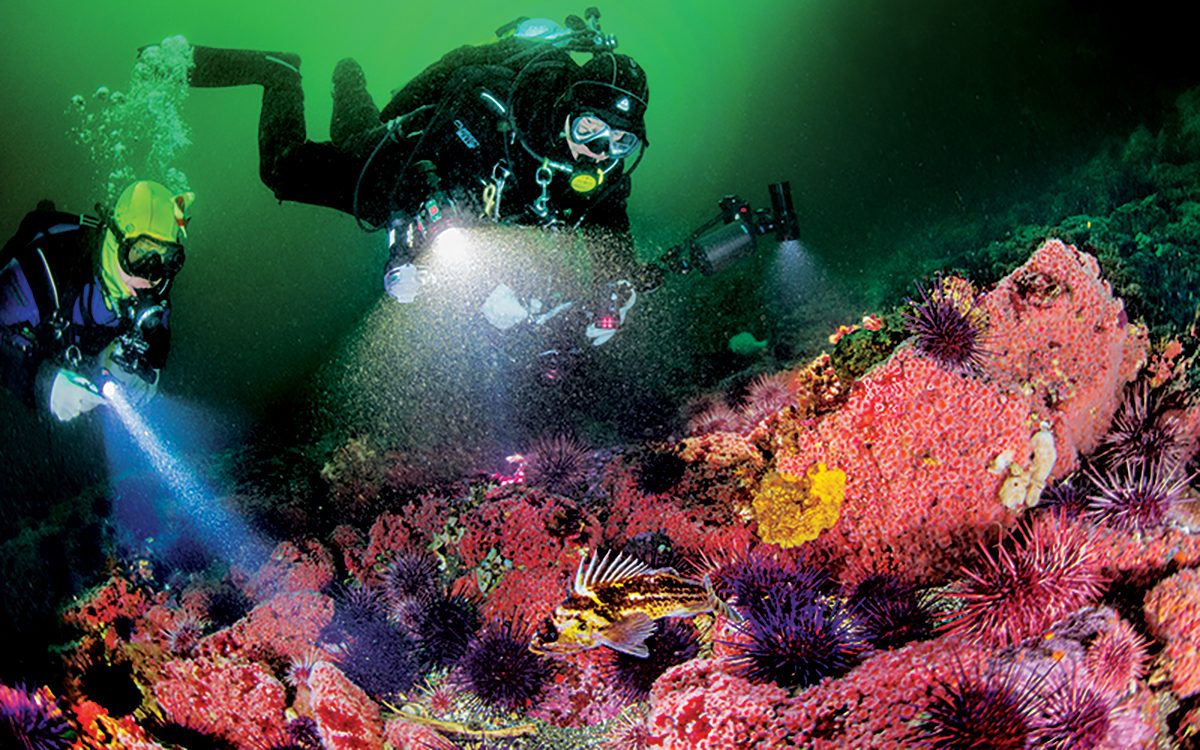
MY FACE IS STARTING TO FEEL NUMB, but at least my body and toes are still warm. The way the sunlight dances through the towering kelp is enchanting, and I’m […]
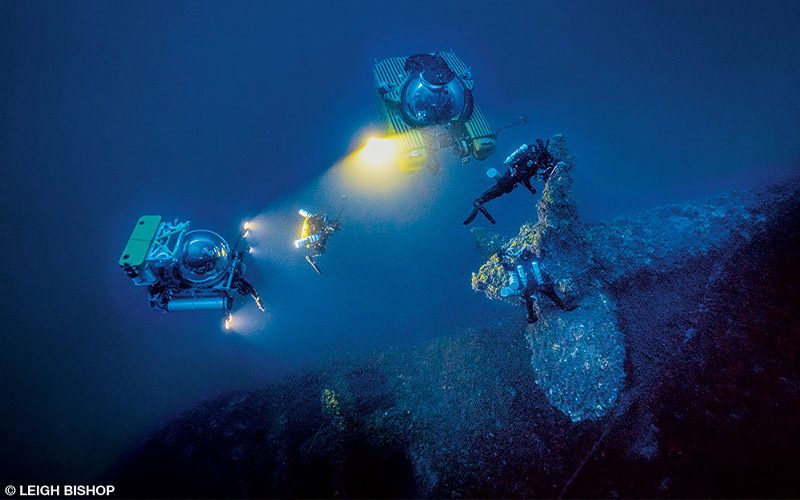
Get a deeper understanding of exploratory diving — a sometimes controversial topic. One team of divers schemed a plan to dive and explore a deep wreck. Read more about the process.
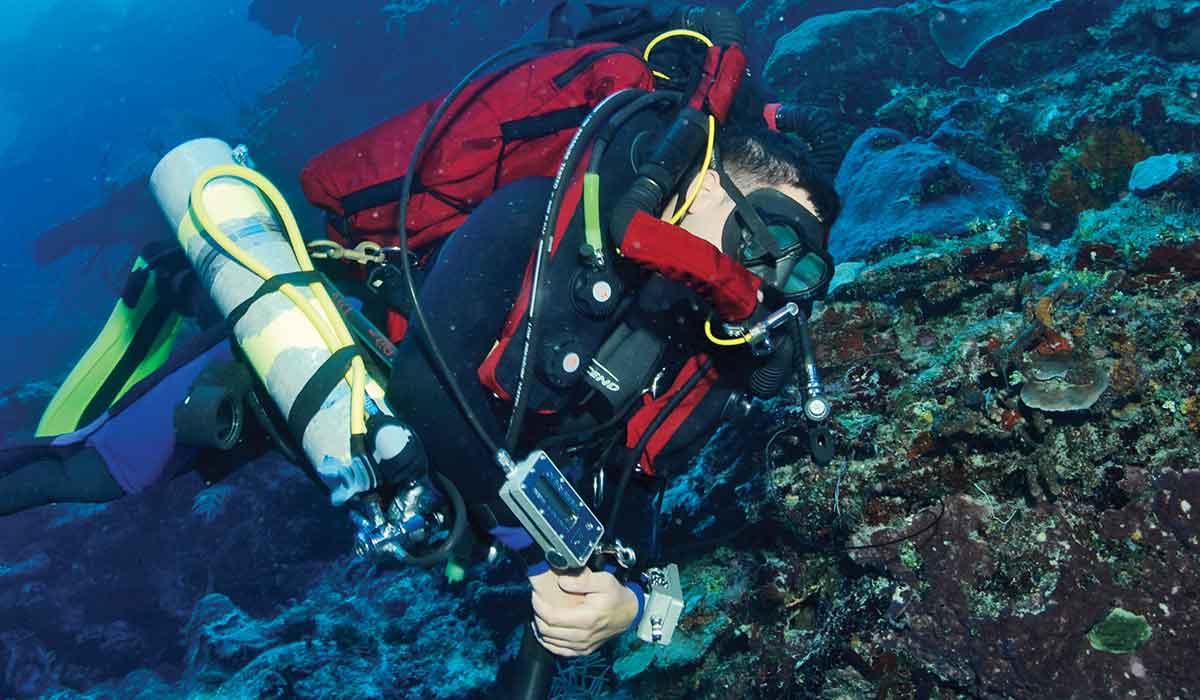
Closed-circuit rebreathers provide a different way to dive — where the rebreather’s primary jobs are to remove carbon dioxide and replenish oxygen. Read more about closed-circuit rebreathers.
Every documentary filmmaker eventually dreams of making an IMAX® film. After all, it’s the biggest, most impressive film format in the world. Who wouldn’t want to see their film on a 70-foot screen? For years I dreamed of making my first IMAX film.

In the aftermath of Hurricane Irma, science divers from multiple state, federal and independent organizations evaluated the health of the 360-mile-long Florida Reef Tract. Learn more about their discoveries and this effort.
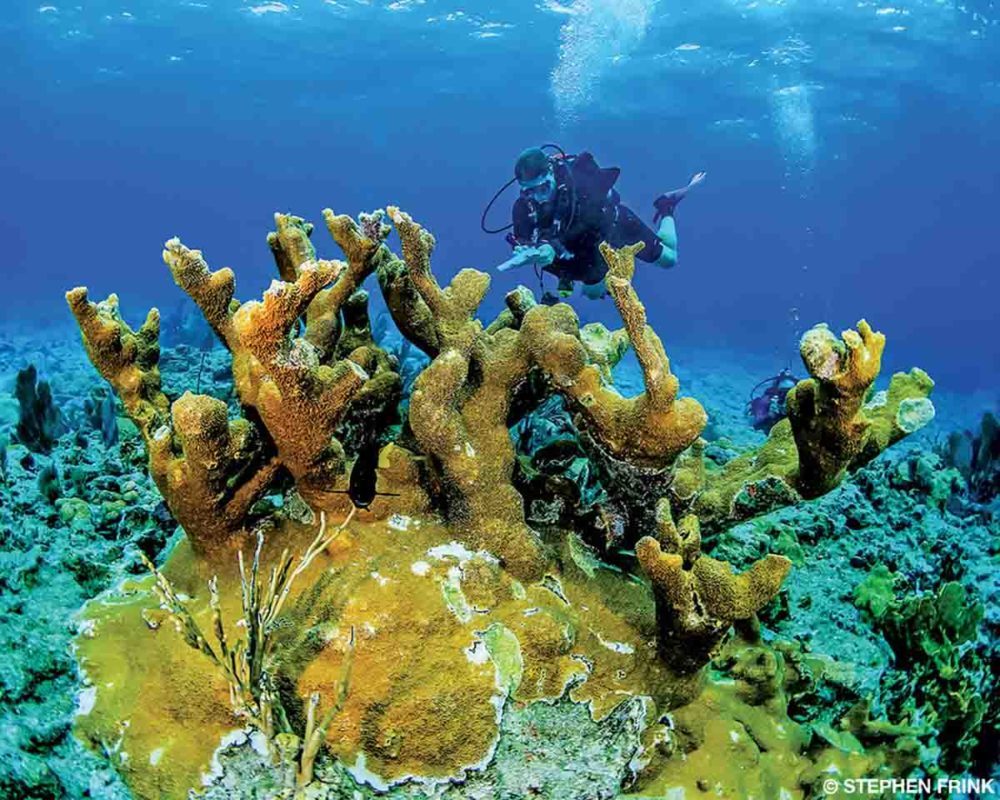
Most scuba divers become passionate about underwater photography once submerged in the underwater world. Here are some great tips to up your underwater photography game.
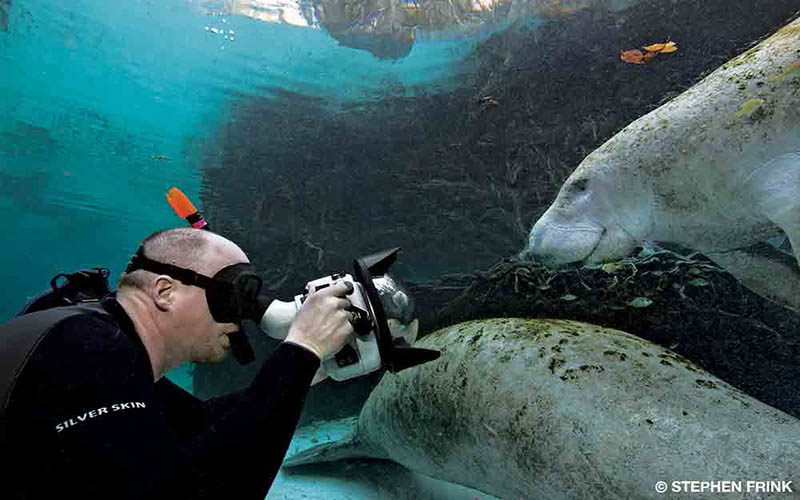
Cold-water diving presents new challenges to divers, so they need the correct gear and the correct mindset. With these considerations in mind, they can prefect the cold-water dive.
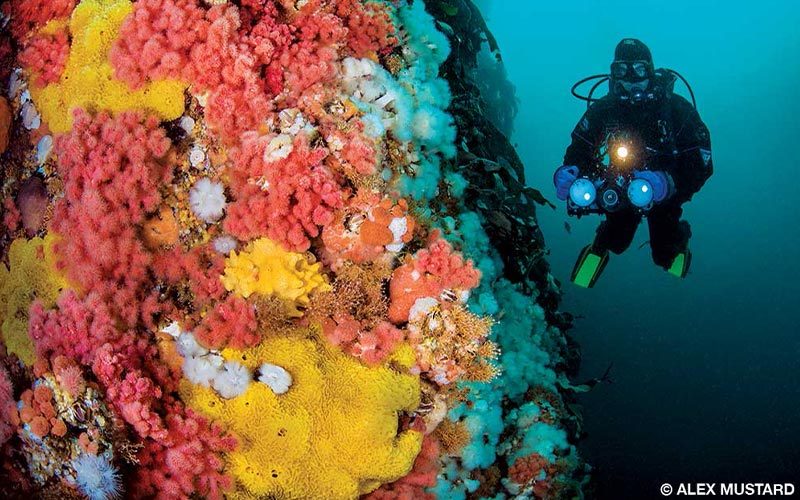
People outside of the freediving community consider it to be a dangerous, extreme sport, but following proper safety protocols makes it quite safe.
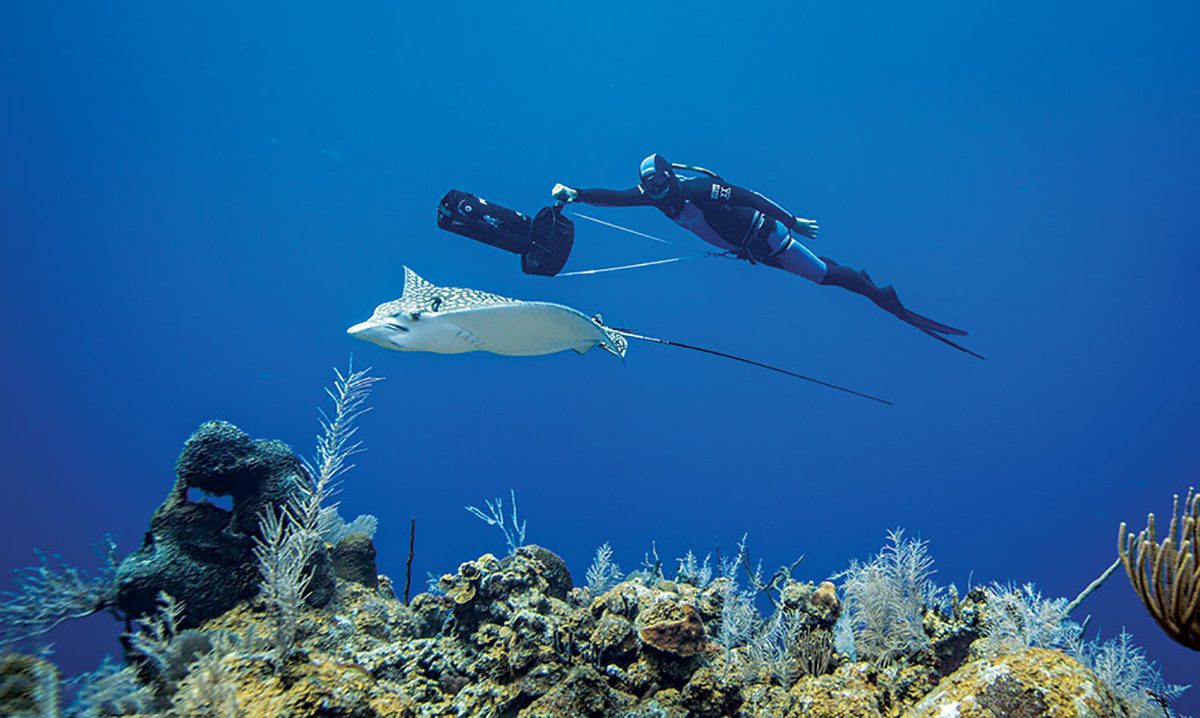
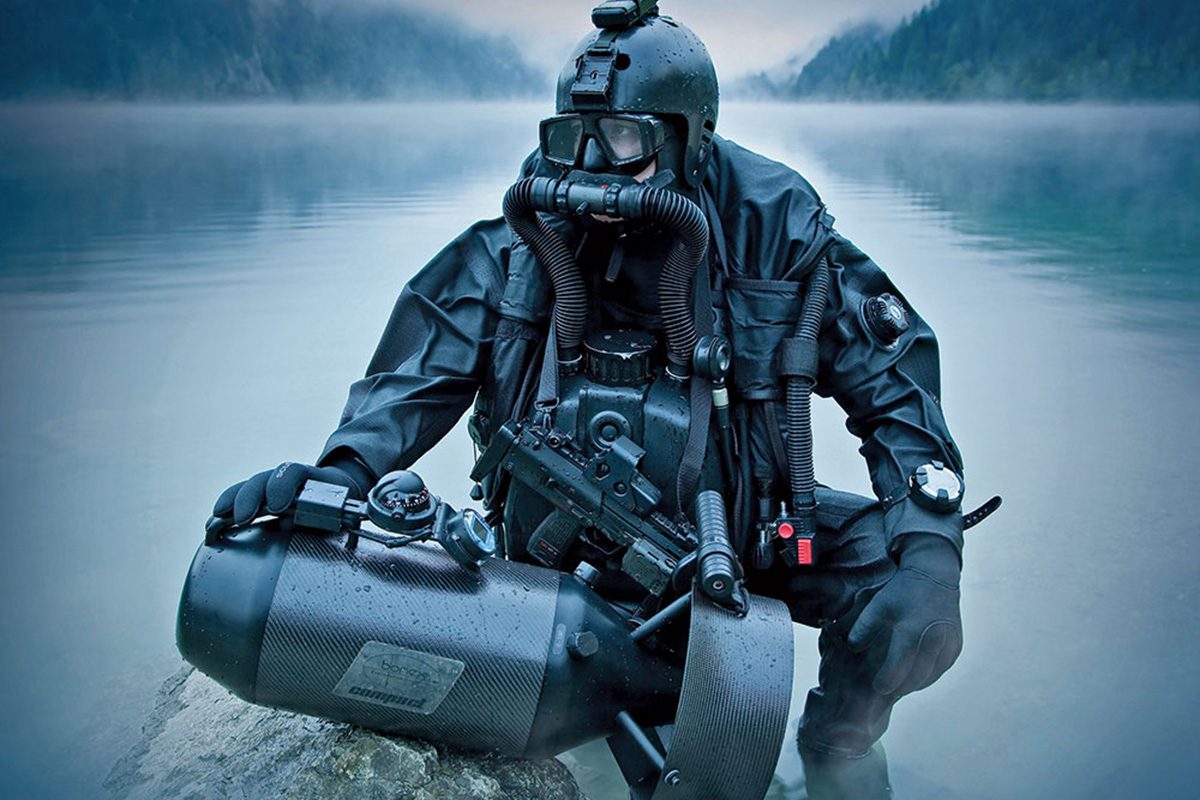
Combat divers must successfully navigate in cold, dark water to secretly arrive at a target. This skill requires progressing from basic dive skills to navigating over long distances in difficult conditions.
While shipwrecks are the most common destinations for divers seeking to explore beyond the natural environment, they are not the only archaeological sites available to divers and researchers. When at heritage sites, divers should behave as if they are visiting an underwater museum: Take only pictures and leave only bubbles.