Expanding My Dive Portfolio
MY FACE IS STARTING TO FEEL NUMB, but at least my body and toes are still warm. The way the sunlight dances through the towering kelp is enchanting, and I’m […]
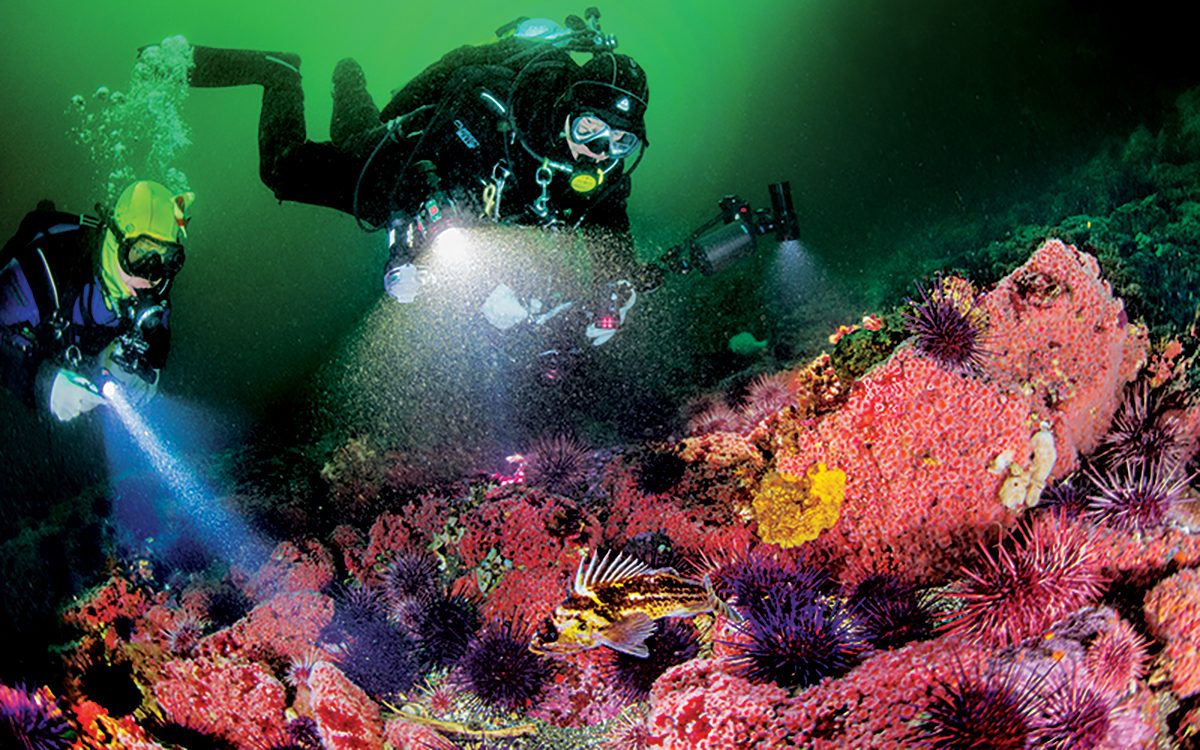
MY FACE IS STARTING TO FEEL NUMB, but at least my body and toes are still warm. The way the sunlight dances through the towering kelp is enchanting, and I’m […]
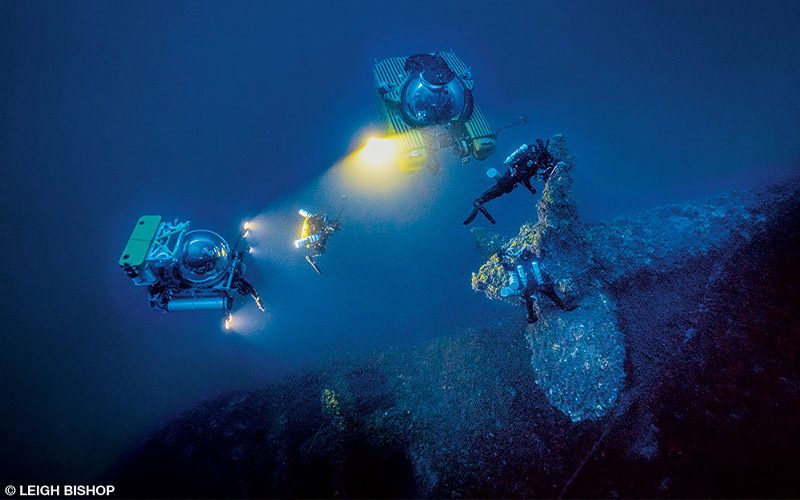
Get a deeper understanding of exploratory diving — a sometimes controversial topic. One team of divers schemed a plan to dive and explore a deep wreck. Read more about the process.
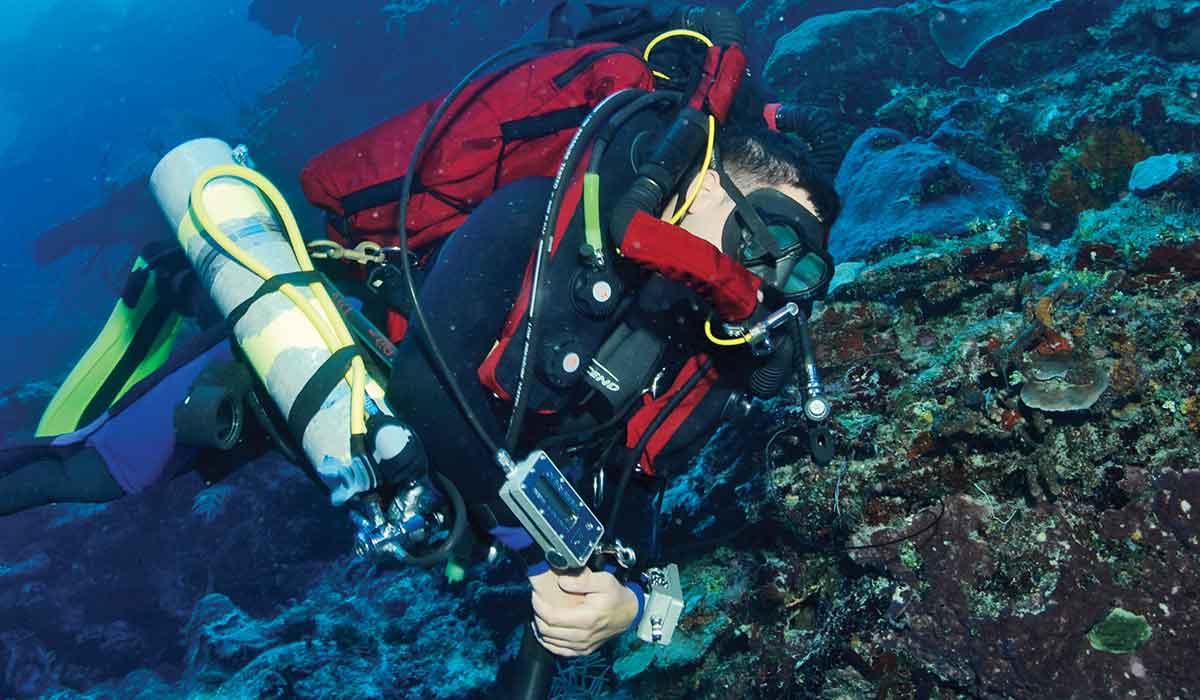
Closed-circuit rebreathers provide a different way to dive — where the rebreather’s primary jobs are to remove carbon dioxide and replenish oxygen. Read more about closed-circuit rebreathers.
Every documentary filmmaker eventually dreams of making an IMAX® film. After all, it’s the biggest, most impressive film format in the world. Who wouldn’t want to see their film on a 70-foot screen? For years I dreamed of making my first IMAX film.

Expedition diving varies, but ultimately, they are complex adventures that require months of preparations and a team of dedicated individuals. Learn more about expedition diving.

Deep diving can be hazardous, but the risks can be mitigated through training and the proper use of procedures, planning and equipment. When you plan a deep dive, ask yourself what “deep” means.
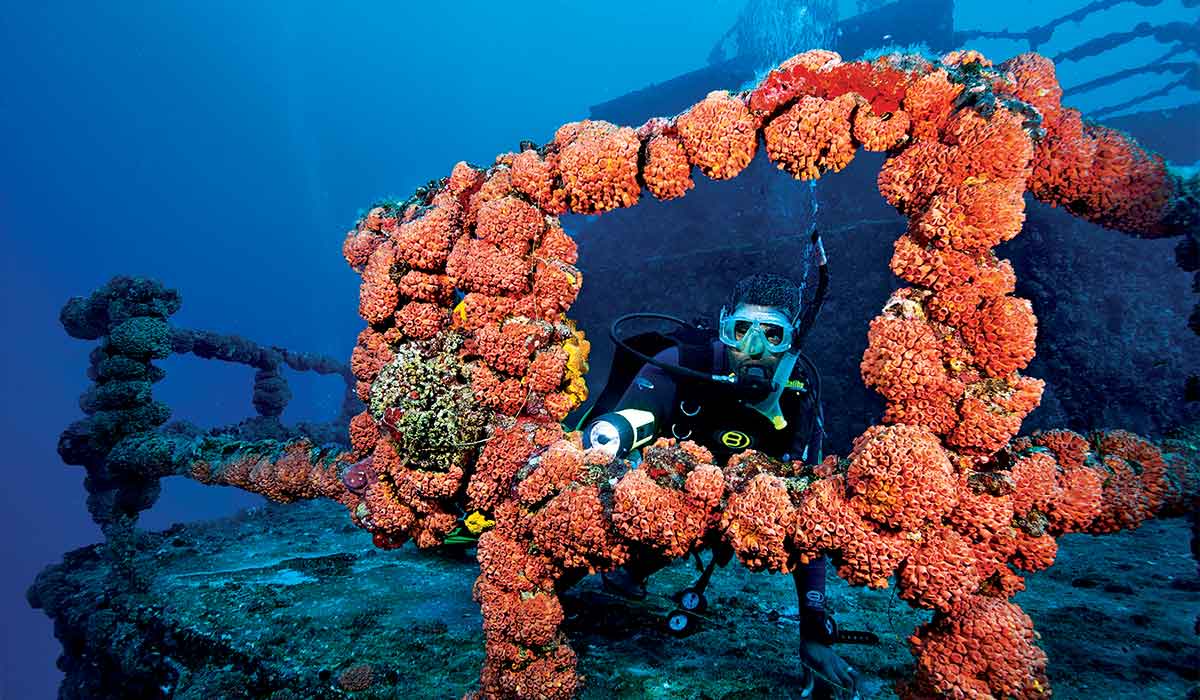
THROUGHOUT HISTORY, CRIMINALS HAVE LOOKED TO BODIES of water as safe places to dispose of and forever hide evidence of their crimes.
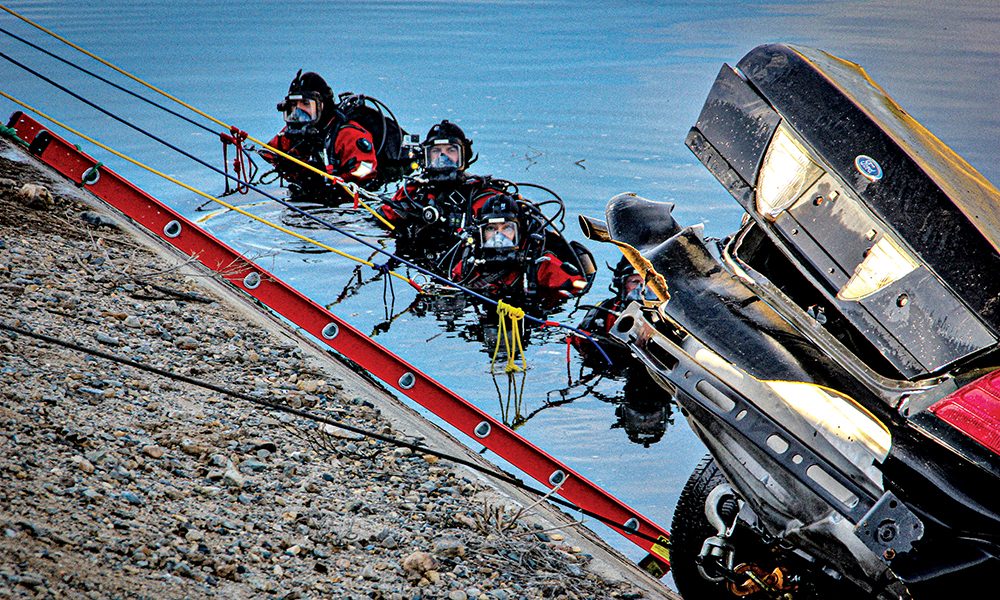
Rebreathers do create an added complexity to a dive, but they can be incredibly useful. Learn more about how rebreathers work, benefits and challenges to their use and practical applications.
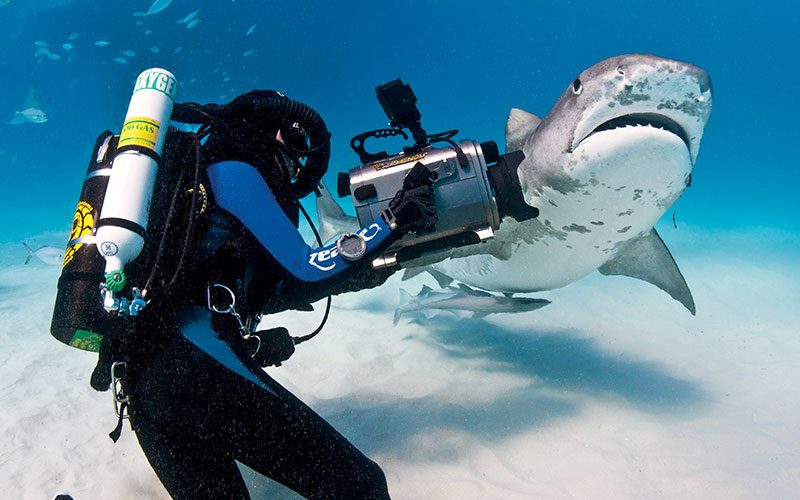
Diving at night is a memorable experience because many nocturnal creatures come out to mate and feed. It requires a bit more equipment and training, but you can easily make your night dives as enjoyable as those in the daylight.
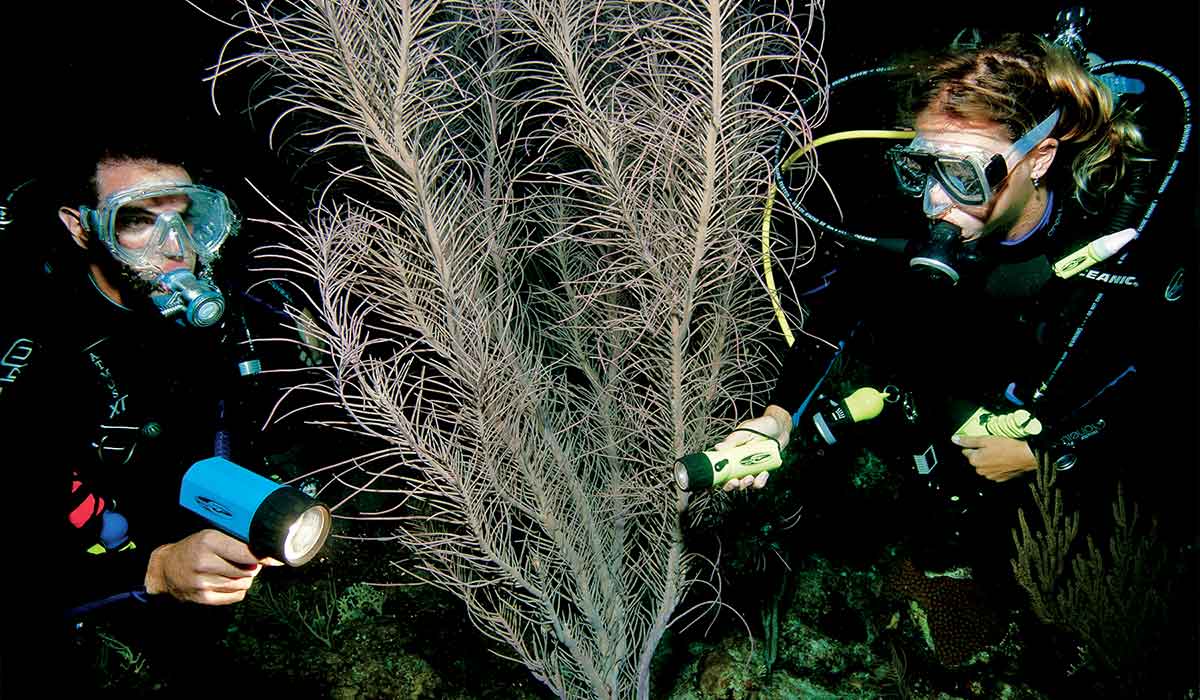
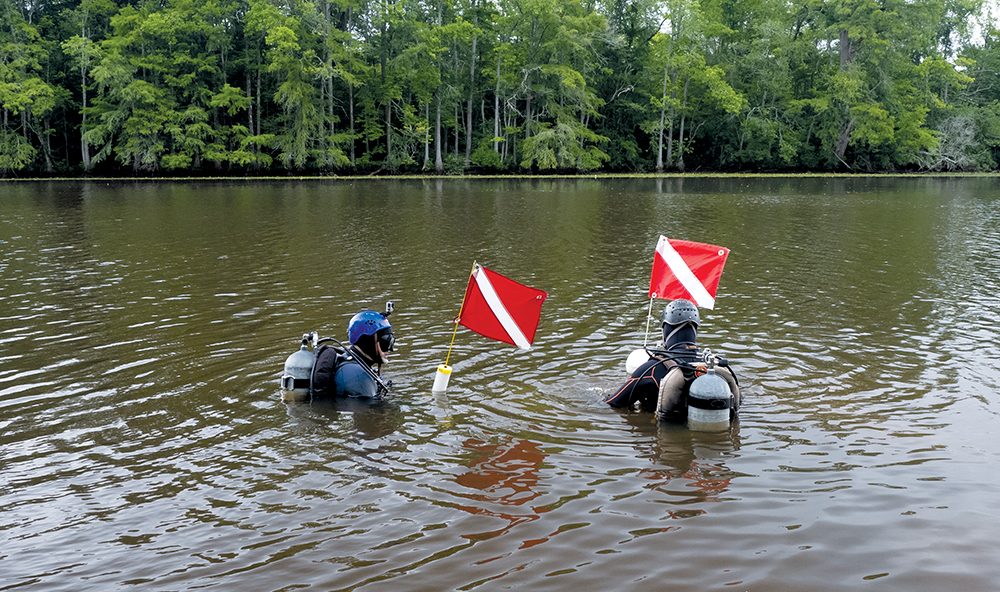
MANY DIVERS AND NONDIVERS ALIKE envision the ideal scuba dive as a coral reef in warm, clear water surrounded by a myriad of beautiful fish. River diving, on the other […]