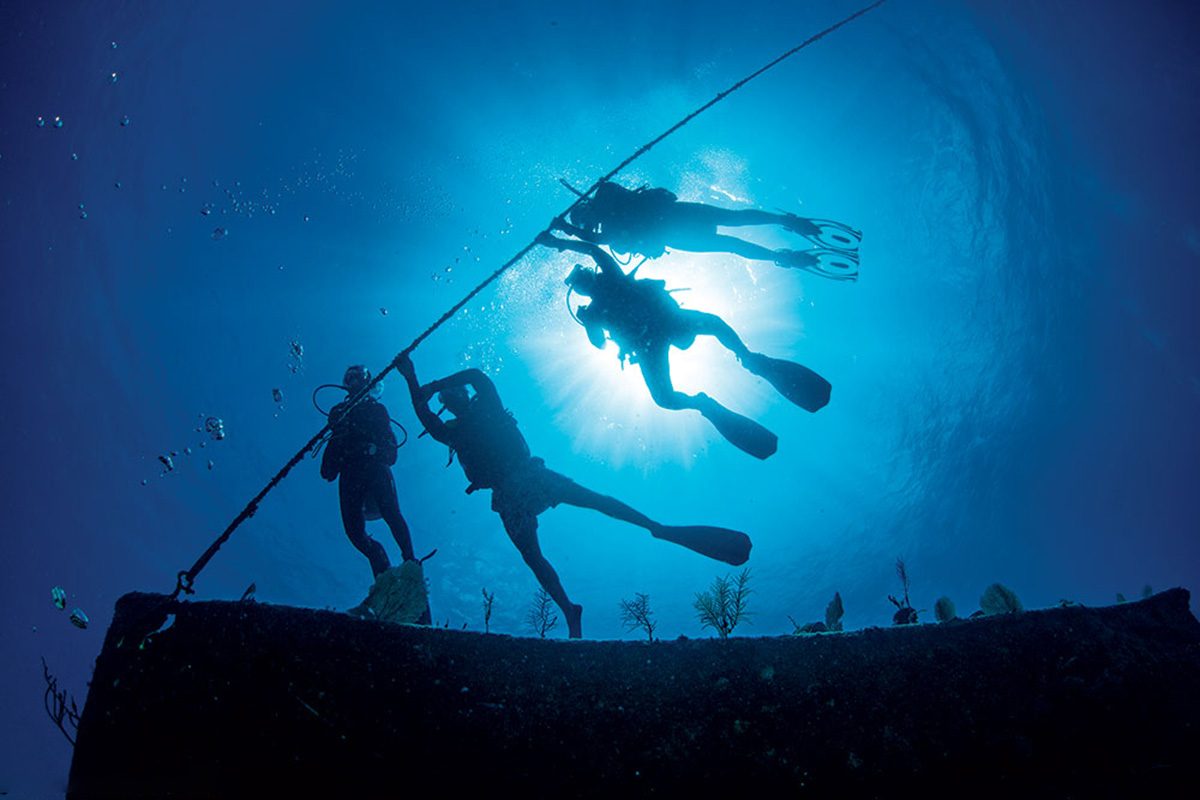
Diving on Sunshine
British Columbia’s Sunshine Coast is a year-round diving destination. Drysuits are recommended and water clarity is best during the fall and winter months. There’s a lot to do and see in British Columbia.
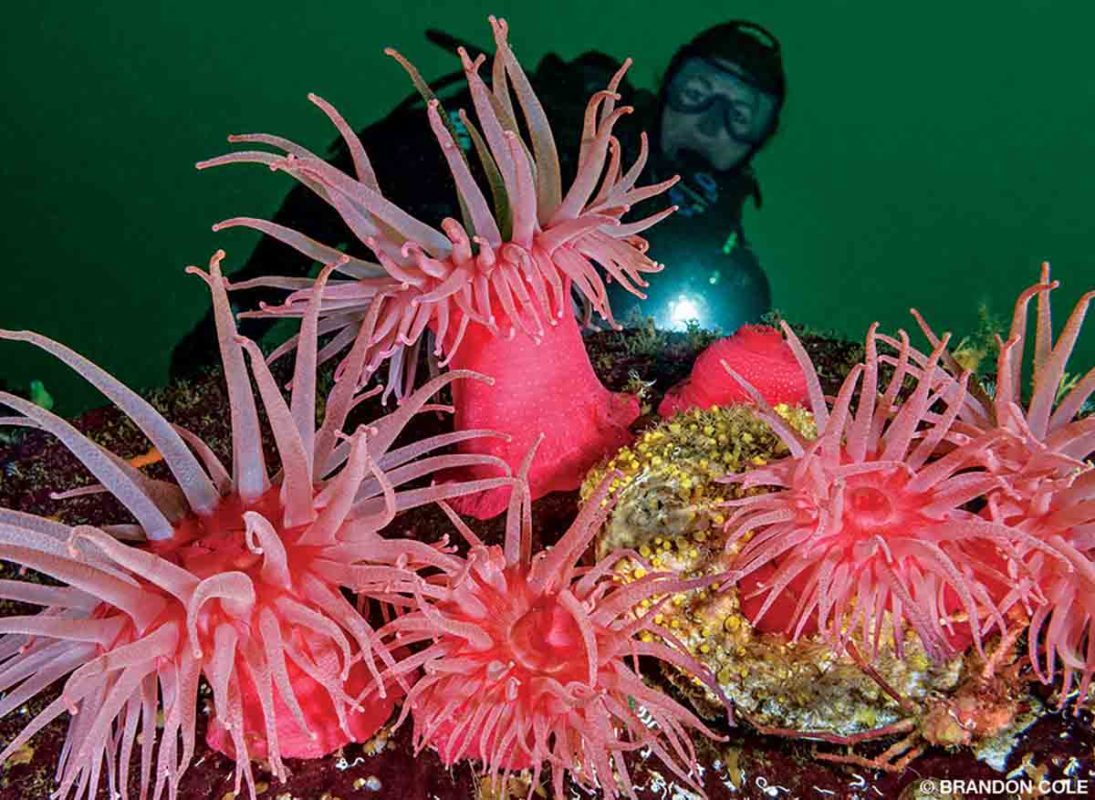
British Columbia’s Sunshine Coast is a year-round diving destination. Drysuits are recommended and water clarity is best during the fall and winter months. There’s a lot to do and see in British Columbia.
Truk Lagoon, found in the Micronesia, boasts one of the largest shipwreck graveyards with 40 ships and 250 planes. Divers of all experience levels can find a challenge.
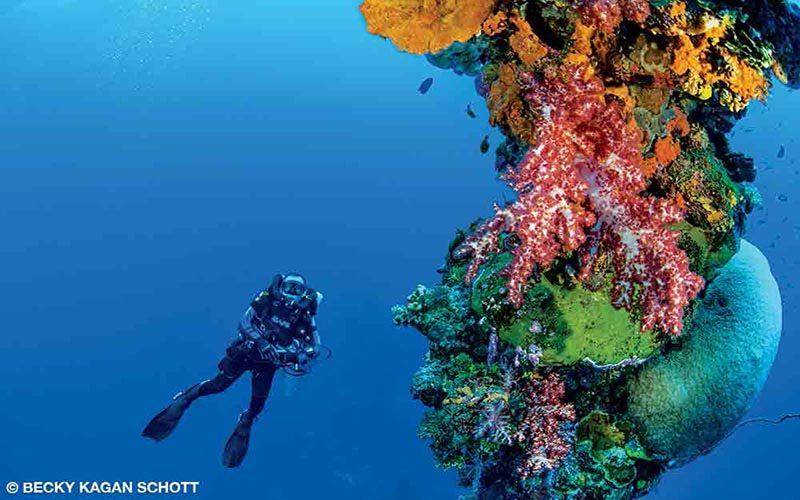
The Sea of Cortez is rich in biodiversity with more than 6,000 unique animals. Several liveabroad options are available to divers and there are many topside attractions for tourists.
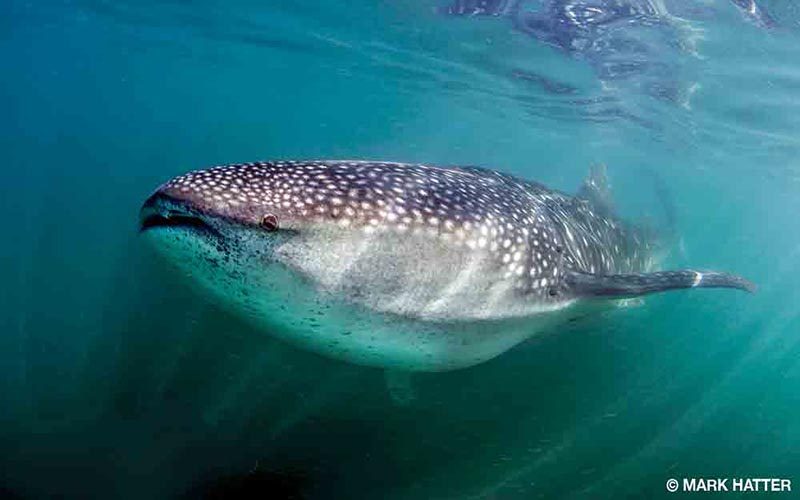
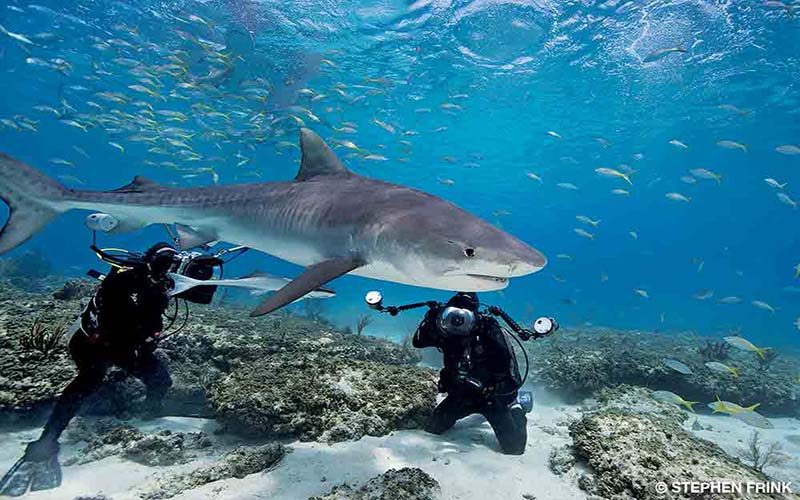
Shark-fishing legislation varies from country to country. Some countries permit shark fishing but ban finning at sea, some allow finning, and others prohibit all harvesting. Many developing nations don’t adopt shark-fishing regulations like those of the U.S. and United Nations.
Stony coral tissue loss disease caused rapid and extensive loss of important reef-building corals. The disease can be stopped through antibiotics but pinpointing the cause of the disease is hard.
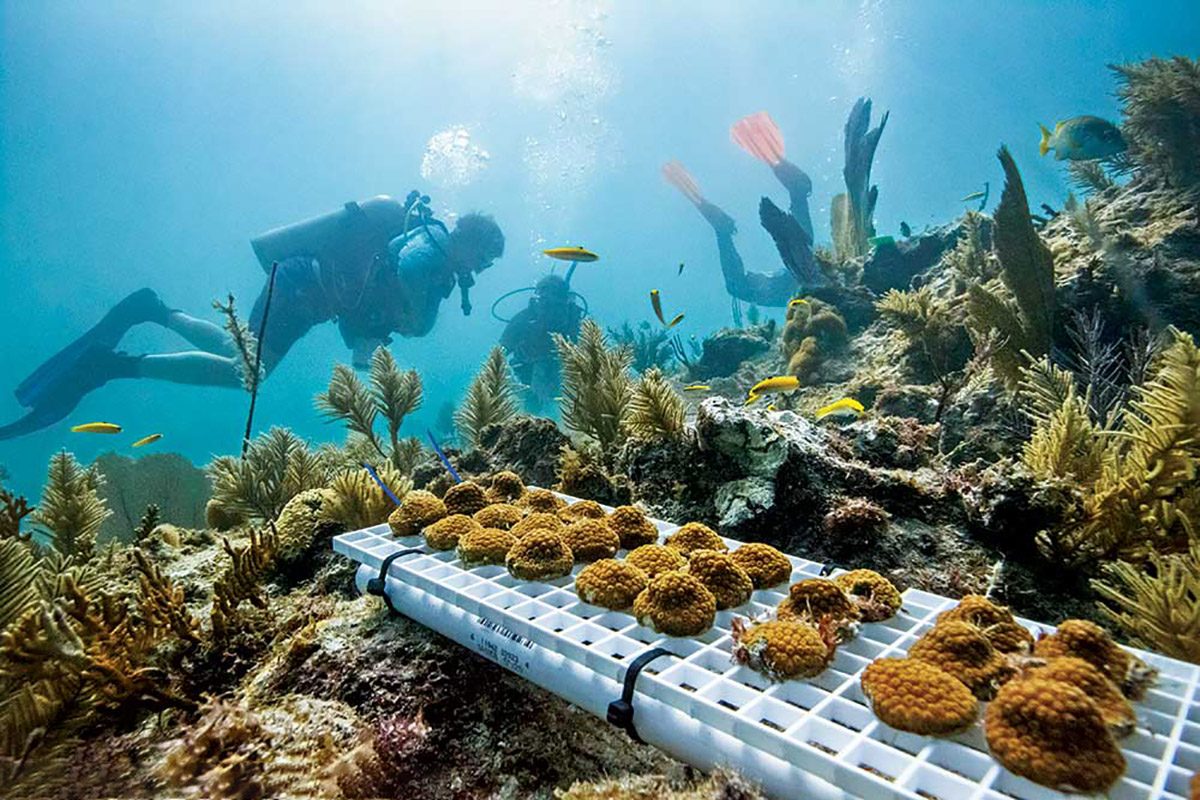
Coral reefs cover less than 1 percent of the Earth’s surface but are home to 25 percent of all marine fish species at some point in their life cycle. Learn how you can help stop the spread of coral disease.
Papua New Guinea (PNG) is an independent state wedged between Australia and the equator, encompassing half the island of New Guinea (the remainder is a province of Indonesia) and hundreds of idyllic islands.

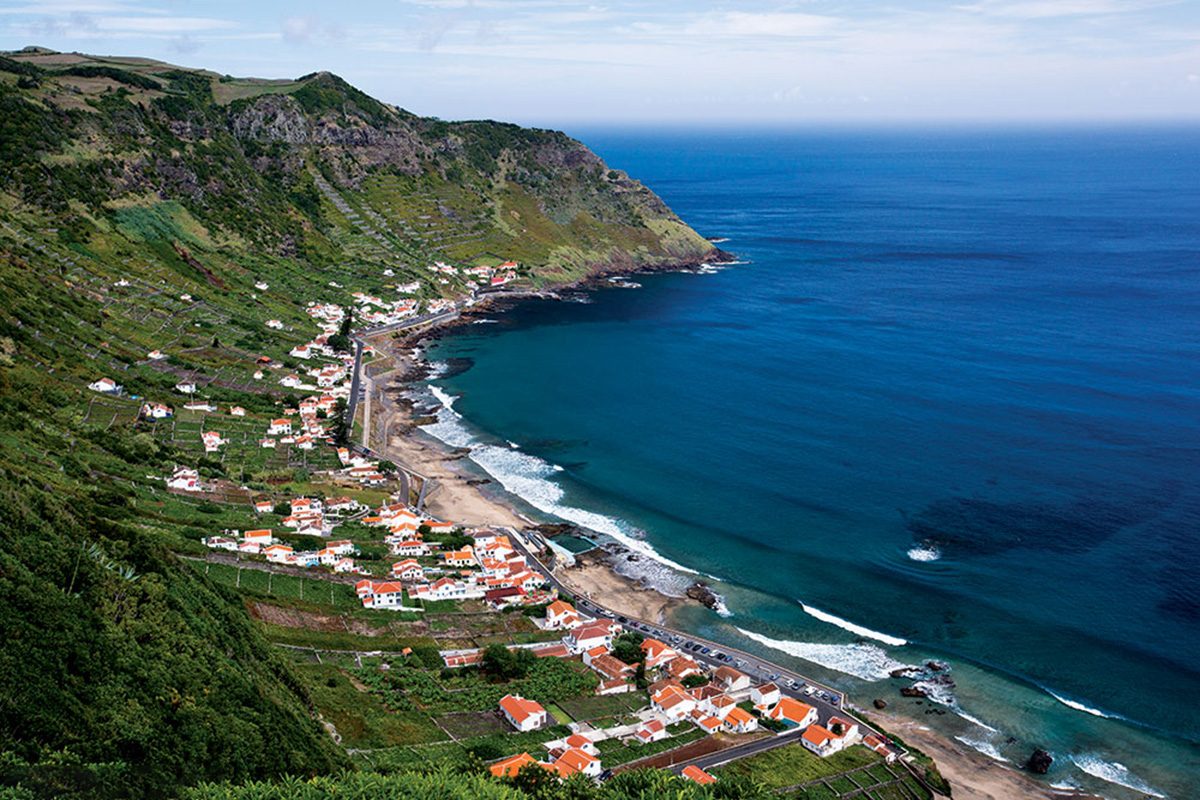
Formed of lava, these nine islands of the Azores, on the coast of Portugal, are each incredibly different. They are isolated and vulnerable by winter storms, but the diving is spectacular.
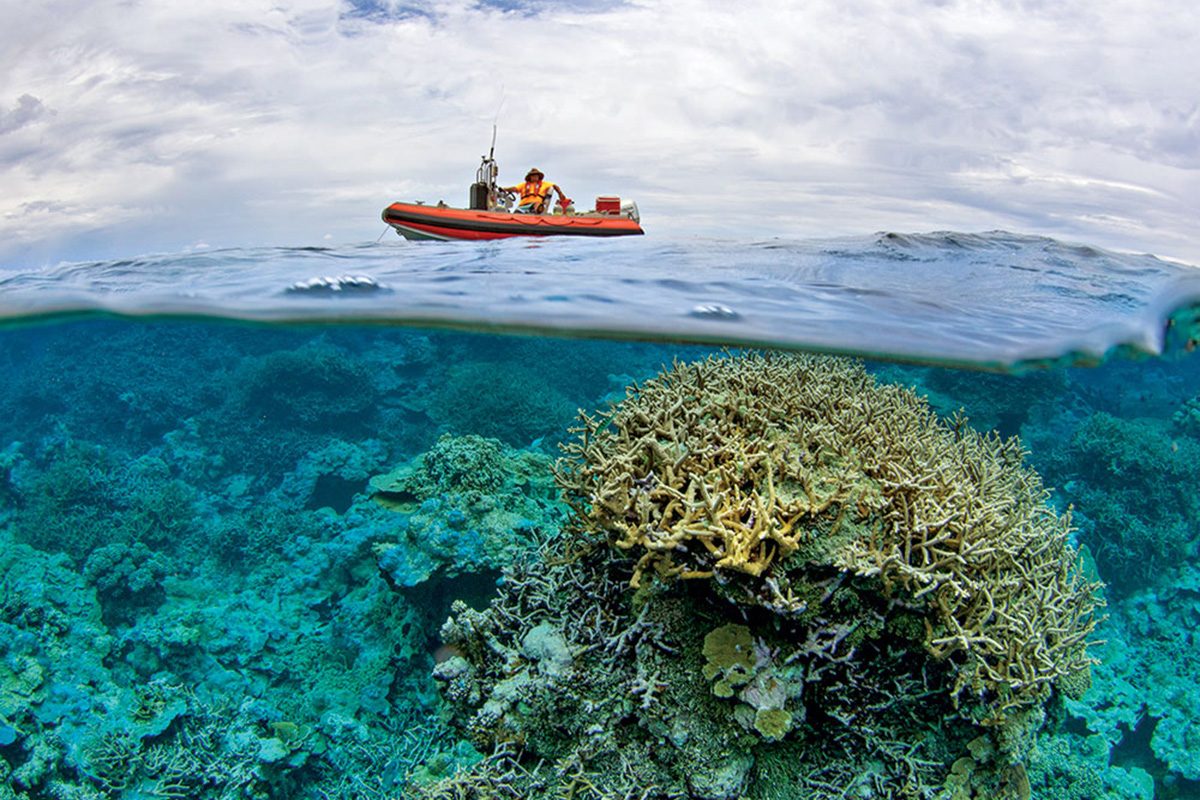
Humans pose a serious risk to the world’s oceans. The Pacific Remote Islands Marine National Monument is the largest marine protected area in the world. Biologists periodically check the area to ensure to remains untouched.
Dive professionals and everyone involved in diving should recognize the value of learning more about risk assessment as a means of promoting safety for all divers.