Breastfeeding and Diving
I am about two and a half months postpartum with no complications and have received clearance from my physician and a dive specialist to resume diving.

I am about two and a half months postpartum with no complications and have received clearance from my physician and a dive specialist to resume diving.
DAN medics and researchers answer your questions about dive medicine.
DAN Medics answer your questions about dive medicine.
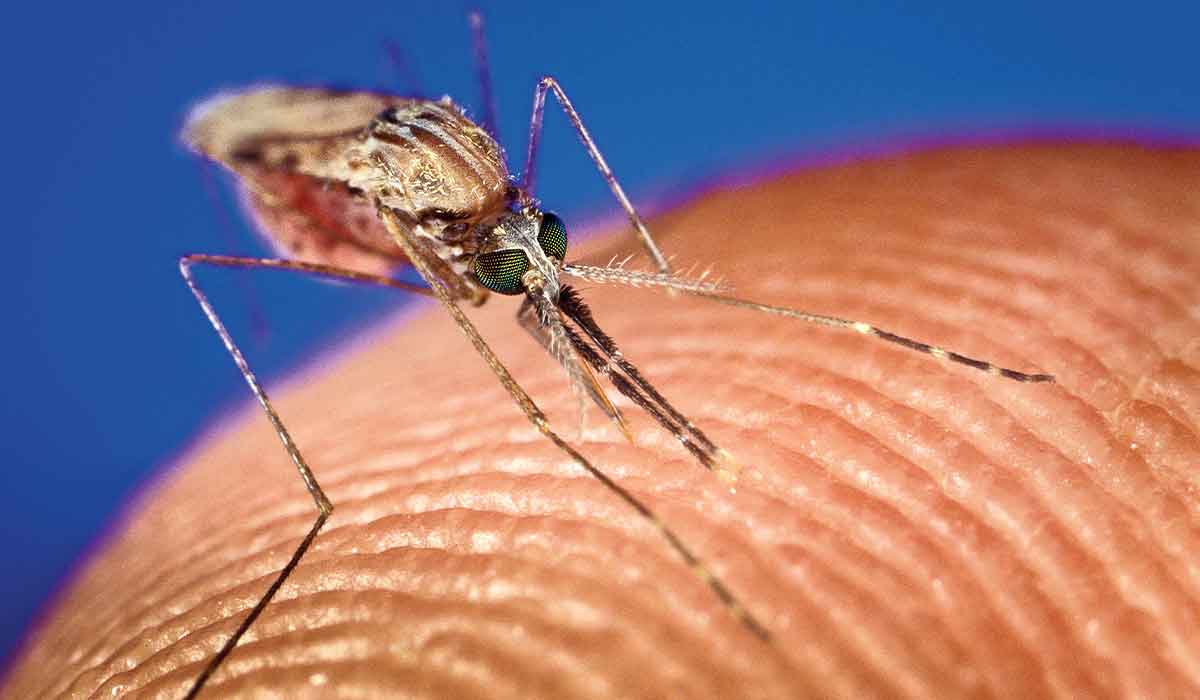
Swimmer’s ear (otitis externa) is an infection of the external auditory canal that frequently occurs in divers and swimmers.
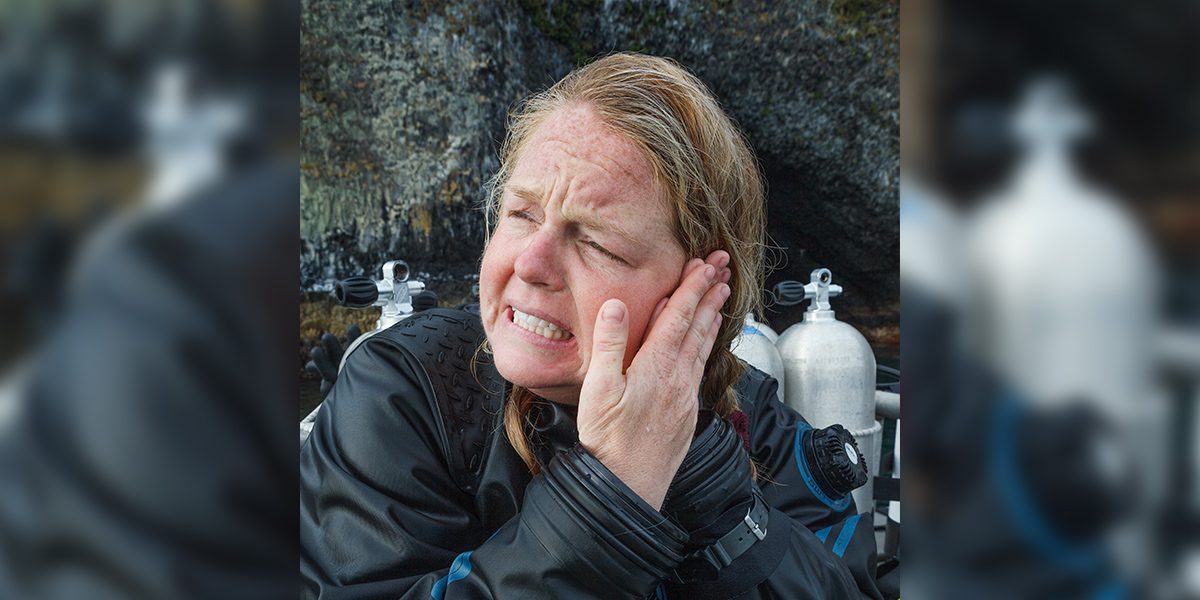
DAN medics and researchers answer your questions about dive medicine.

DAN Medics answer your questions about dive medicine.
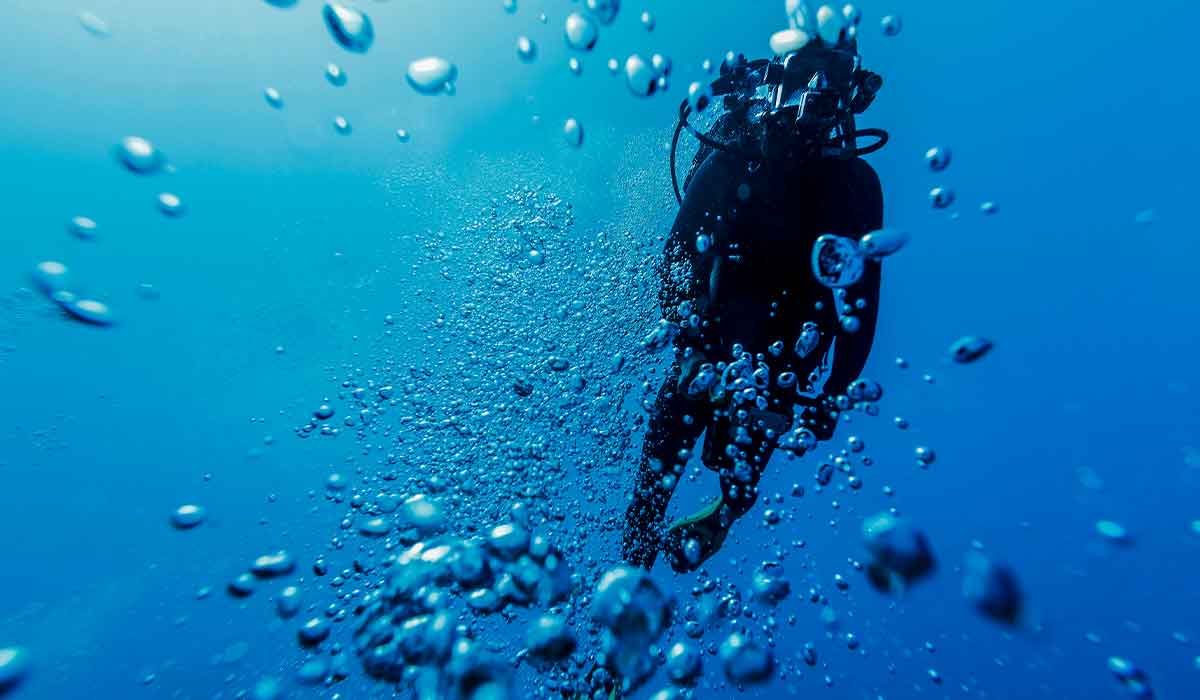
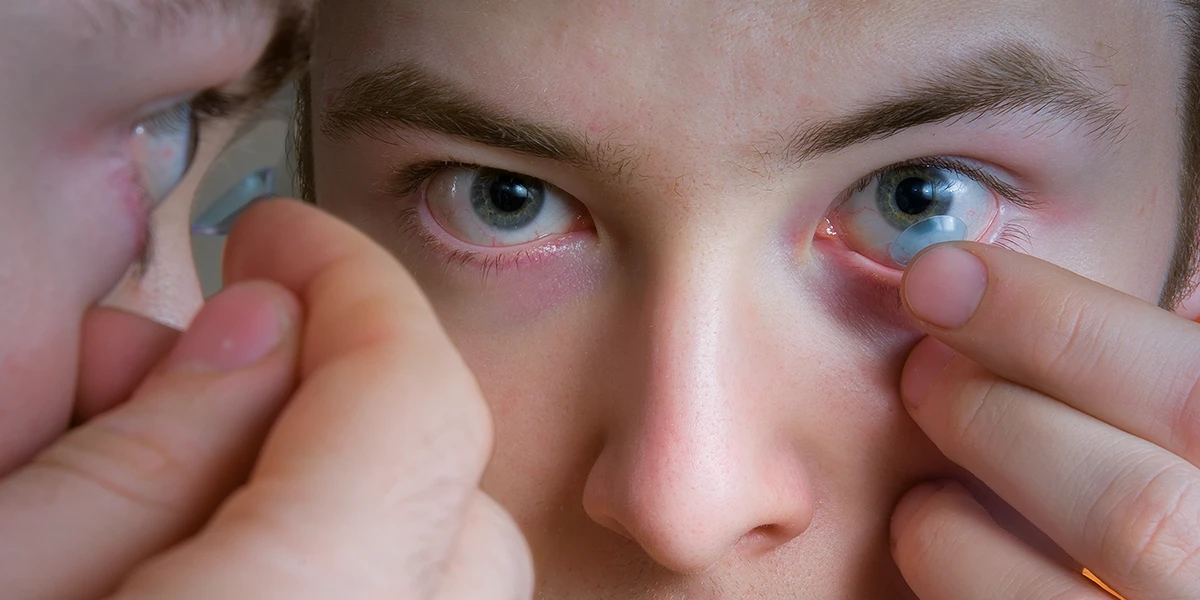
Many divers wear contact lenses without issue during their dives. It’s crucial, however, to be aware of potential challenges, such as increased dryness or irritation due to factors like dry air in the dive mask, prolonged wear, mask squeezes, or exposure to saltwater. Maintaining good hygiene practices, including thorough handwashing before handling lenses and avoiding contamination, is essential.
DAN® medical information specialists and researchers answer your dive medicine questions.
DAN medics and researchers answer your questions about dive medicine.
DAN Medics answer your questions about dive medicine.