Accessorize Your Dive
Quality dive accessories exist to make diving not only safer but also simpler and more enjoyable. Get tips and the inside scoop on the best dive accessories you didn’t know you needed.
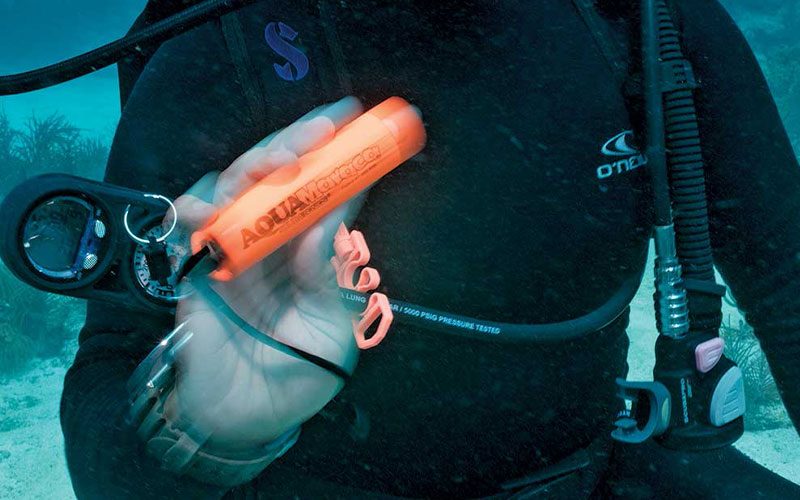
Quality dive accessories exist to make diving not only safer but also simpler and more enjoyable. Get tips and the inside scoop on the best dive accessories you didn’t know you needed.
Wetsuits are a personal choice for every diver — do you know what to look for and what you need? It’s time to breakdown wetsuits with what you need to know.

The dive light is essential equipment that can benefit all divers on most dives. There are several types of lights with various uses and a few key considerations you should make before purchasing. There is no one-size-fits-all approach to dive lights, so each diver must carefully consider their own goals and needs before deciding which model is most useful.

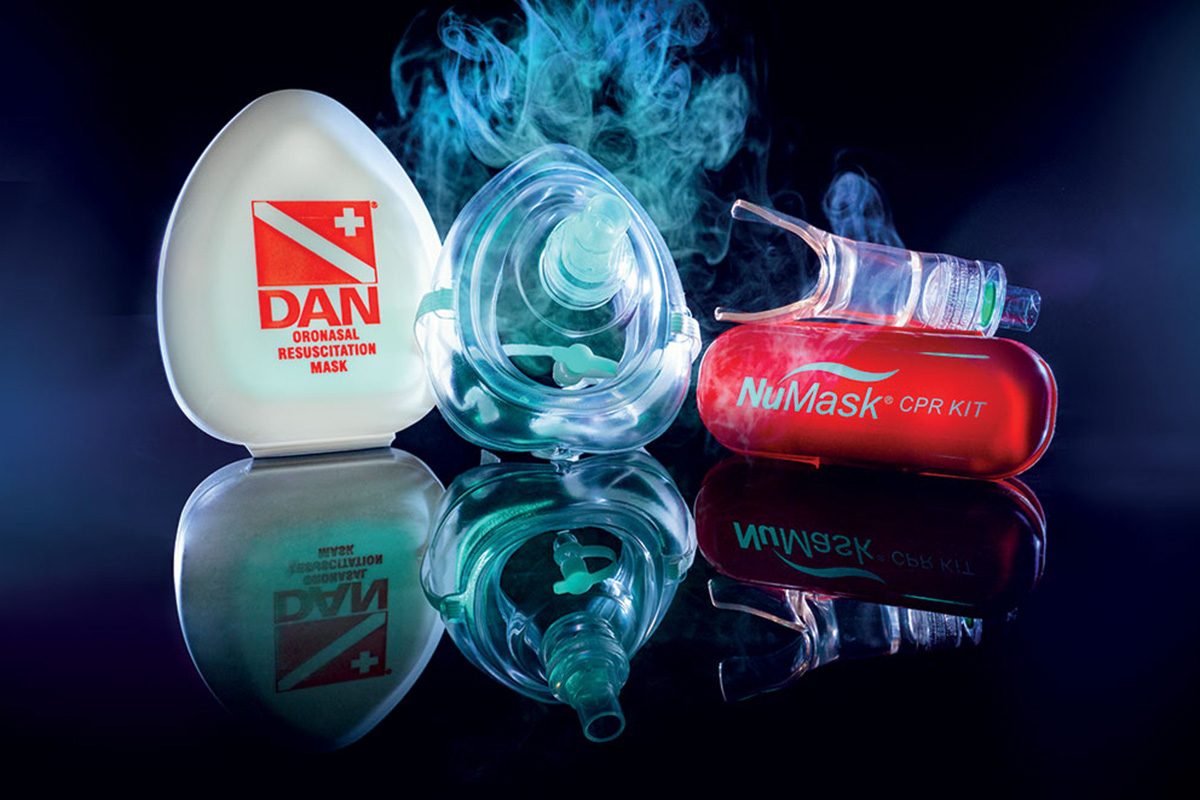
Oxygen units include various delivery systems, including oronasal masks, nonrebreather masks and bag valve masks, so divers should know the appropriate mask to use in each situation.
What is in your first aid kit? Beyond bandages and an ointment, are you prepared for any and every situation? Here are some expert tips on how to customize the perfect first aid kit.

Dive computers and BCDs are expensive, which can make it very tempting to keep using the ones we own year after year. Remember that this is life-support gear, and it won’t last forever.

Pick the valve or connector that best suits your diving lifestyle, and always stay within your limits: Equipment is no substitute for training.
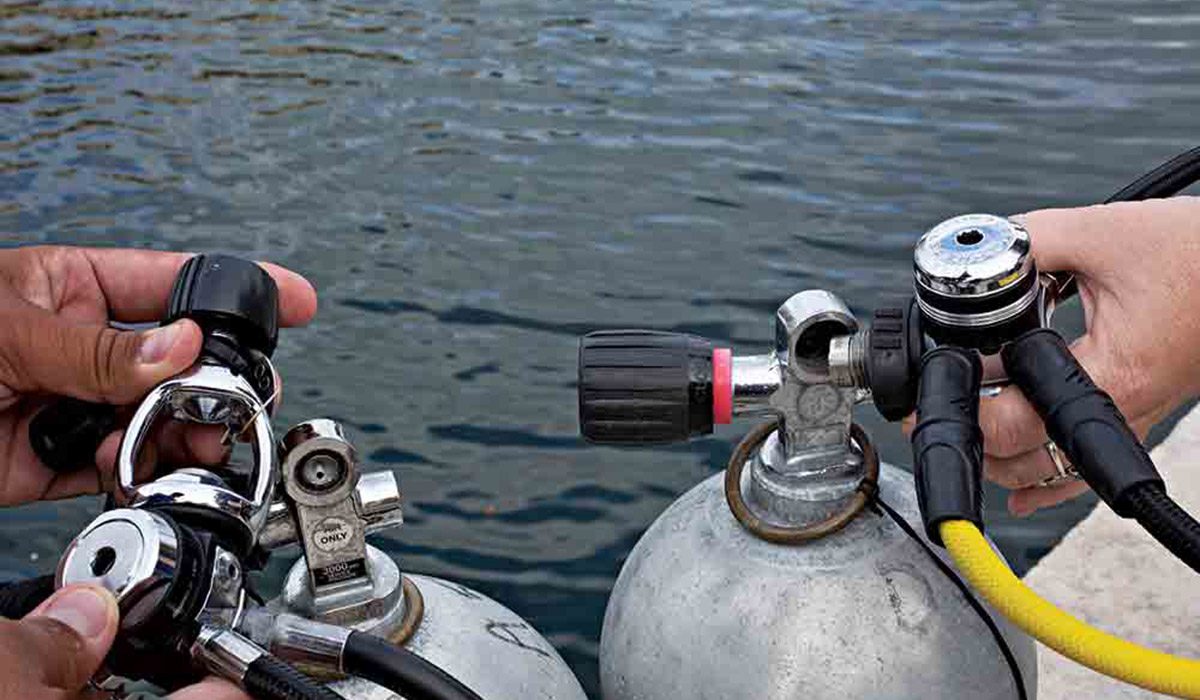
Understanding the way hookah systems work and knowing how to manage their associated risks will allow for an efficient and enjoyable hookah diving experience. It can be a safe and fun way to introduce people to the underwater world.

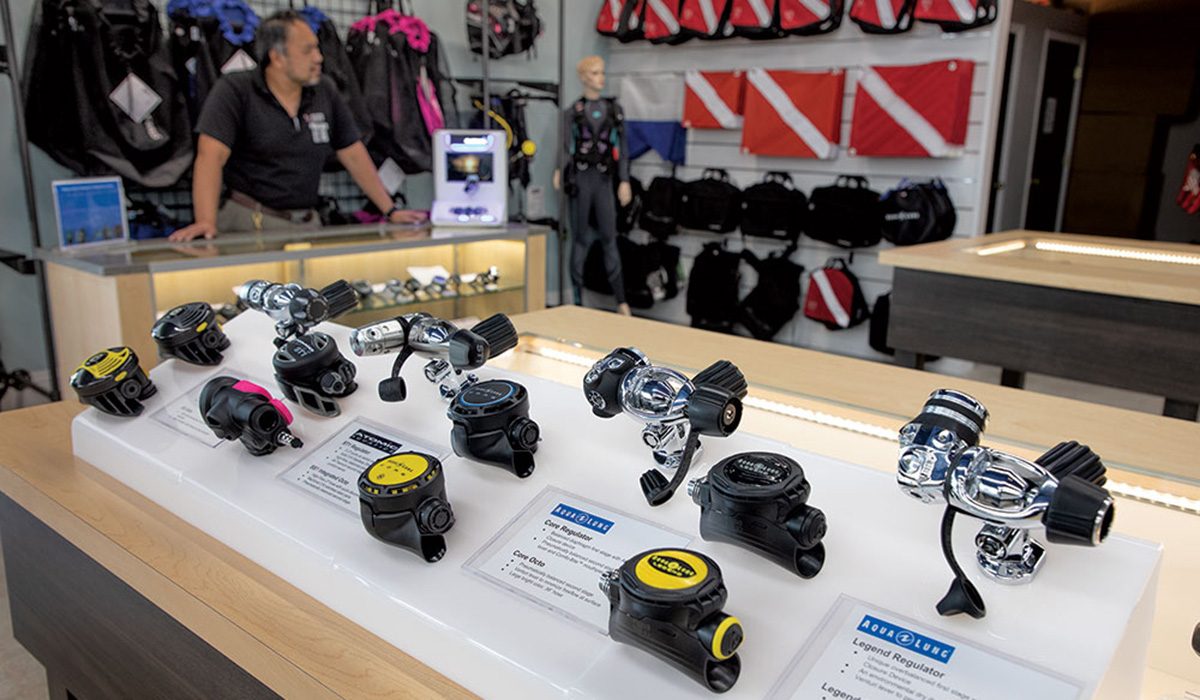
There are two main ways for these devices to respond to changes in supply pressure, demand and depth in real time. Diaphragm-sensed regulators use a flexible element to adjust to these changes and to ensure constant outlet pressure and flow relative to depth; piston-sensed regulators use a sliding metallic piston that moves to adapt to these variations.
The demand valve has been promoted as an easy-to-use system that conserves the oxygen supply since it releases oxygen only when the user inhales. However, poor mask fit can lead to underperformance of the valve. Several mask configurations were studied to determine their influence on oxygen delivery.