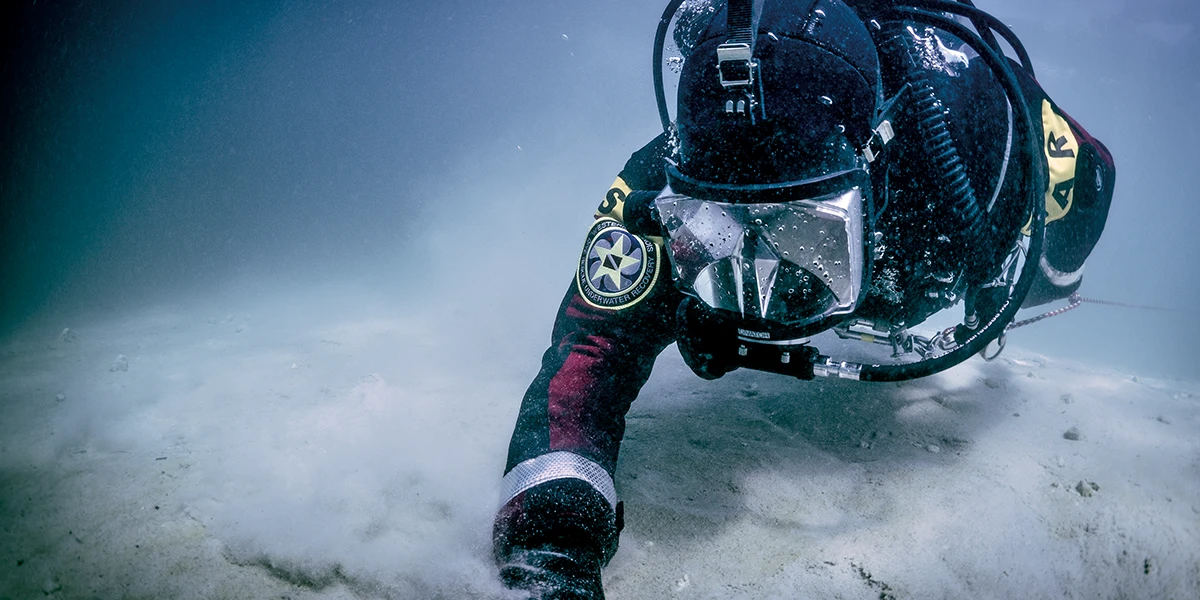
I was recently scrolling through social media and found a popular video of a salvage diver saying that ear beer was enough after diving in contaminated water. Hearing this advice gave me pause — someone could have serious adverse health effects if they follow it without more knowledge.
As with any exercise, it is important to honestly and accurately assess your fitness level before diving. There are assessments you can do at home to test your fitness for dive and ensure you’re in good health.
Recommendations created by several safety-oriented organizations want to ensure that scuba remains a safe sport. Read their six recommendations.
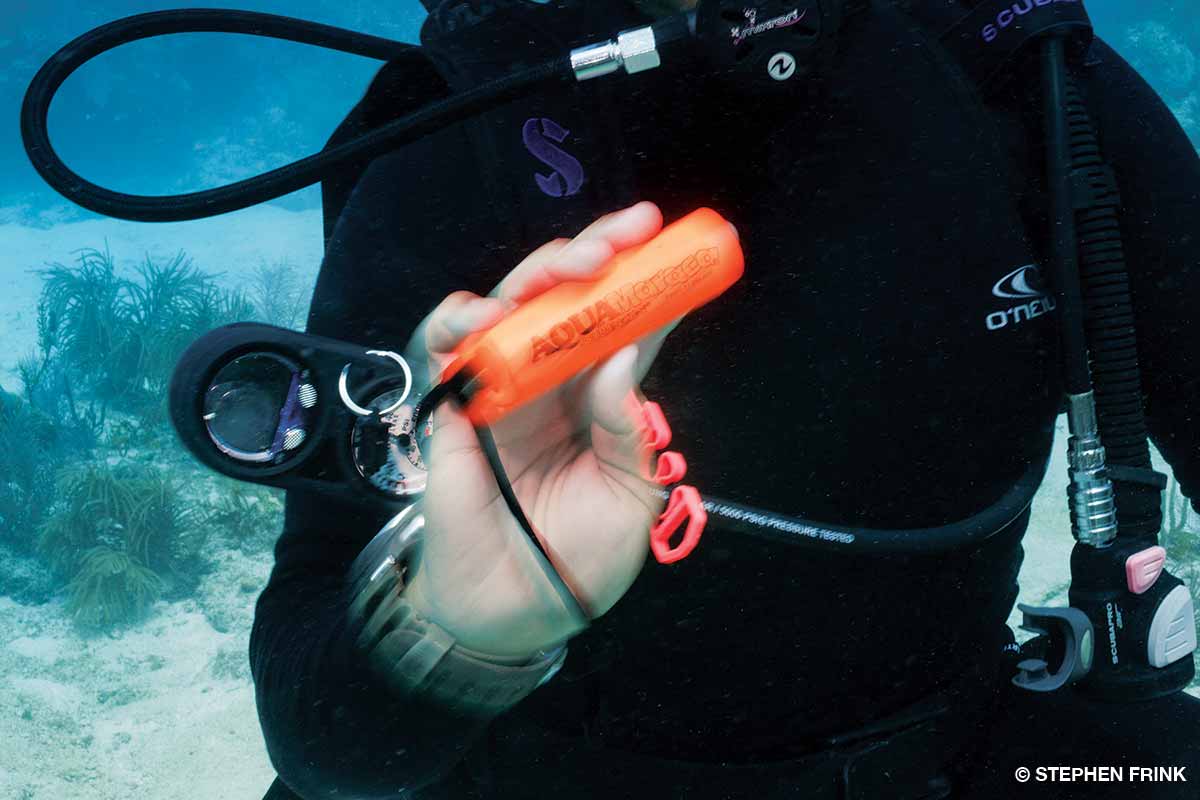
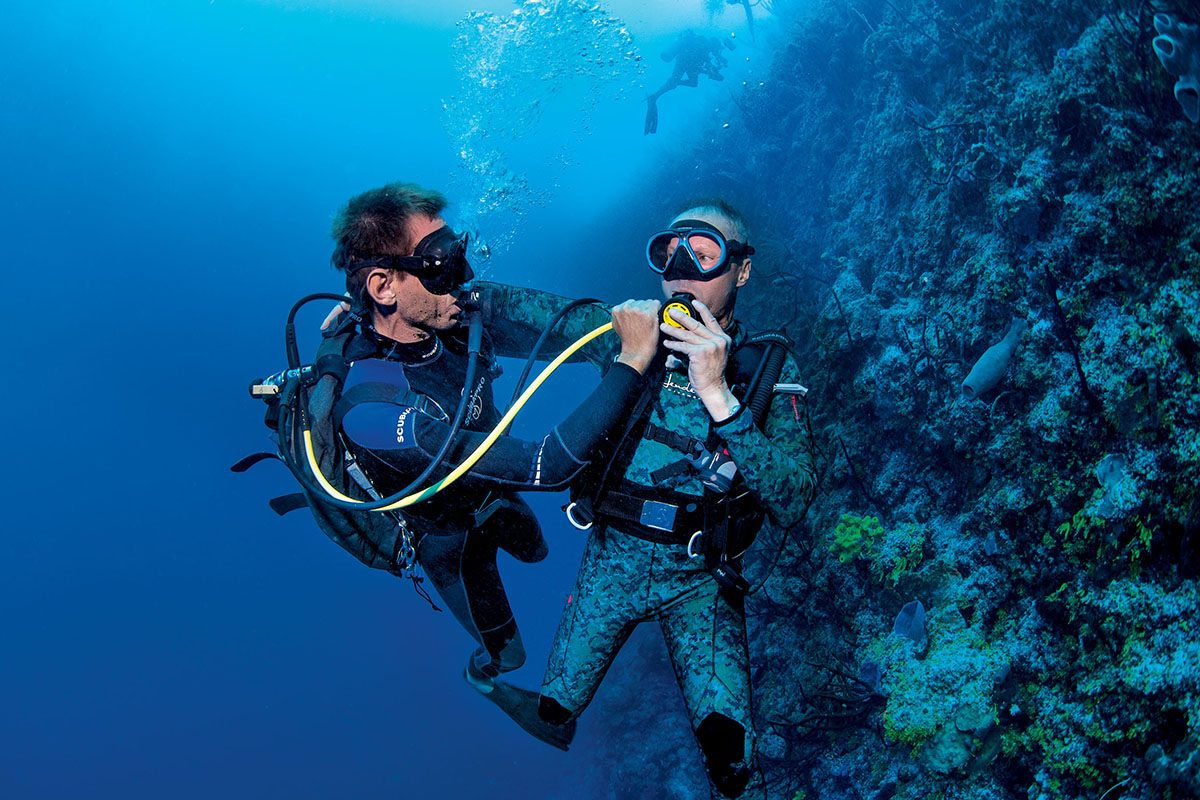
Audible cues and signals can get your buddy’s attention, signal a group of divers or indicate a problem you can help address. Even though we may dive to escape the noise of everyday life, we need to pay attention to the sounds around us. Doing so could make your dive even more special because your buddy got your attention to see something remarkable — or you may even save a life.
Imagine descending to a beautiful reef. The water is clear, fish glide past, and then you feel a strange pull on your face, like the mask is trying to suction itself onto your eyes. When you surface your eyes are red, swollen, and possibly bruised. The cause was mask squeeze, a common but preventable dive injury.
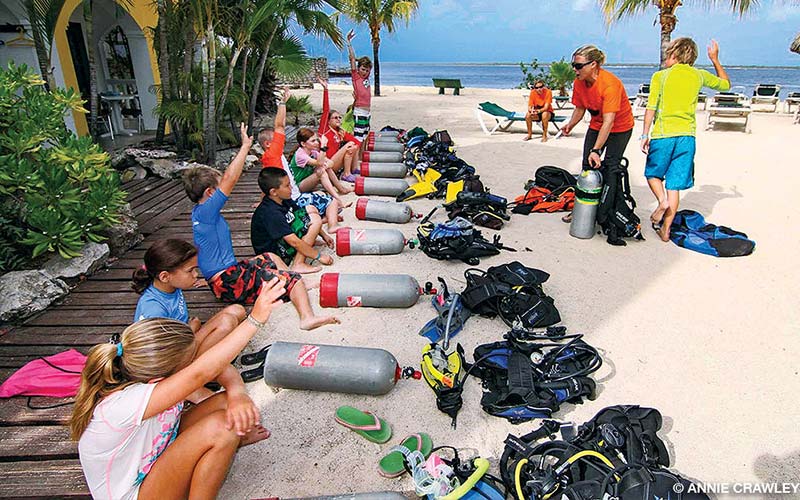
Parents often express reservations or concerns about going on dive vacations with their kids. But it’s a joint reasonability from both parents and dive operators.
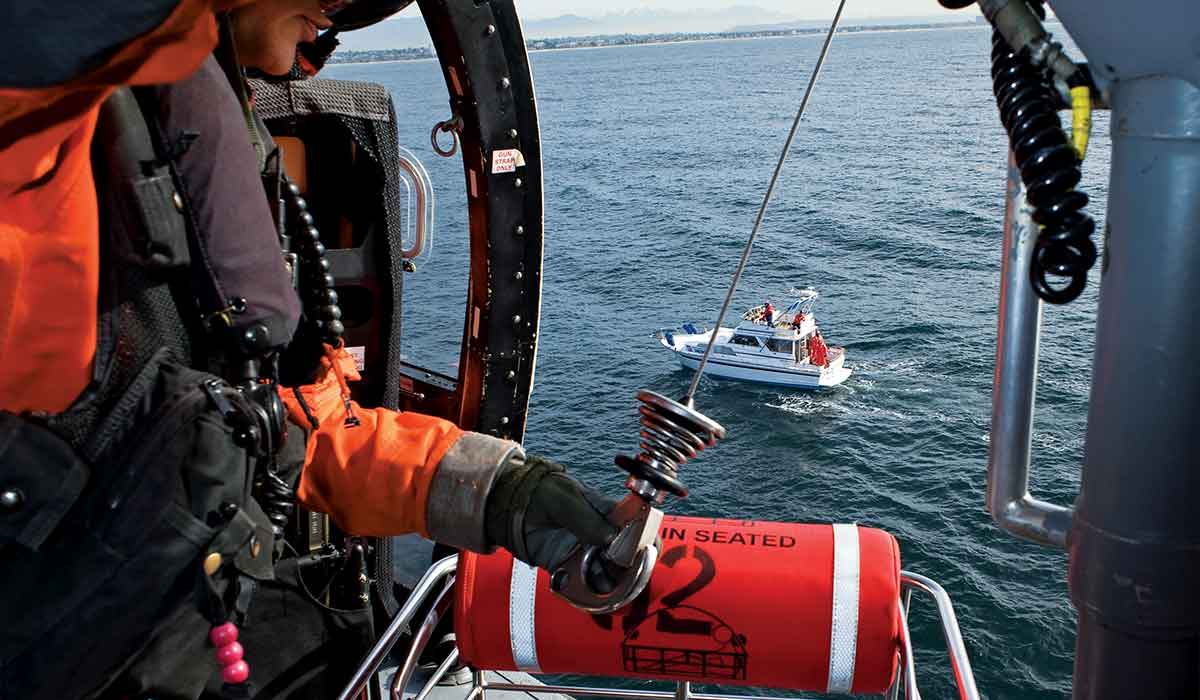
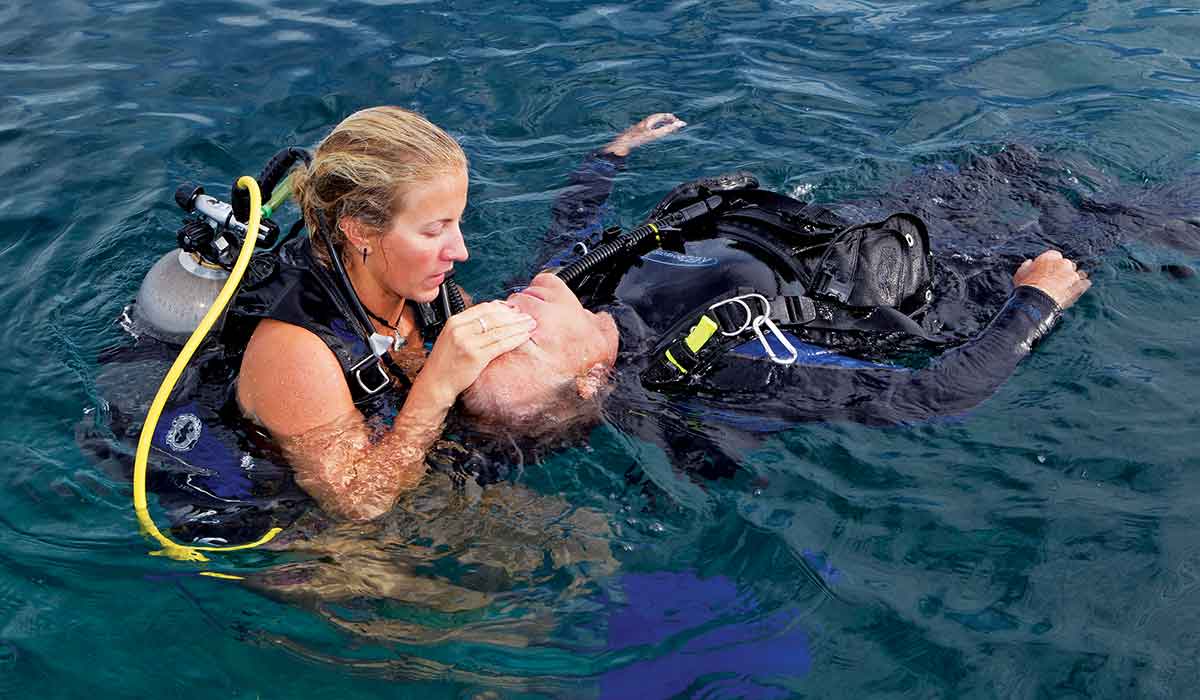
The rescuing of an unconscious diver is a complicated event and requires strength and training. Learn how to rescue an unconscious diver.
DIVING INHERENTLY CARRIES AN ELEVATED LEVEL OF RISK because humans cannot survive underwater without specialized equipment. When things go wrong, an effective rescue is vital for a favorable outcome. Most […]
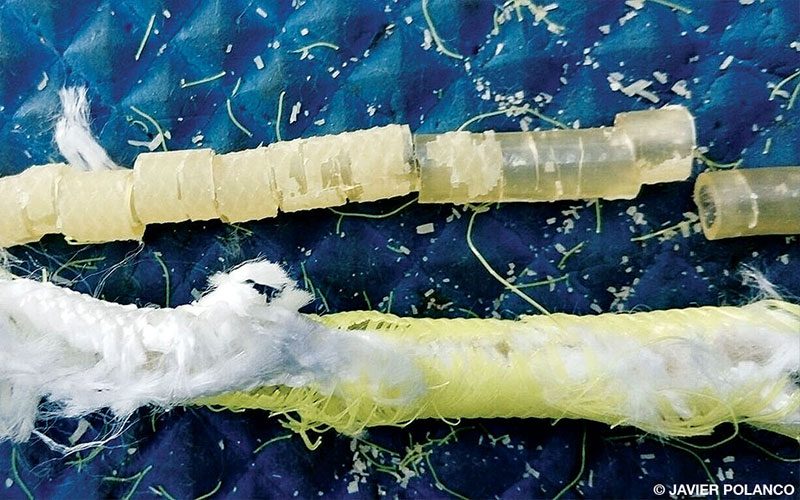
Air hose malfunction can be a very serious safety concern. From yellow “crystals” to degraded linings, air hoses are essential pieces of equipment. Learn more about air hoses.
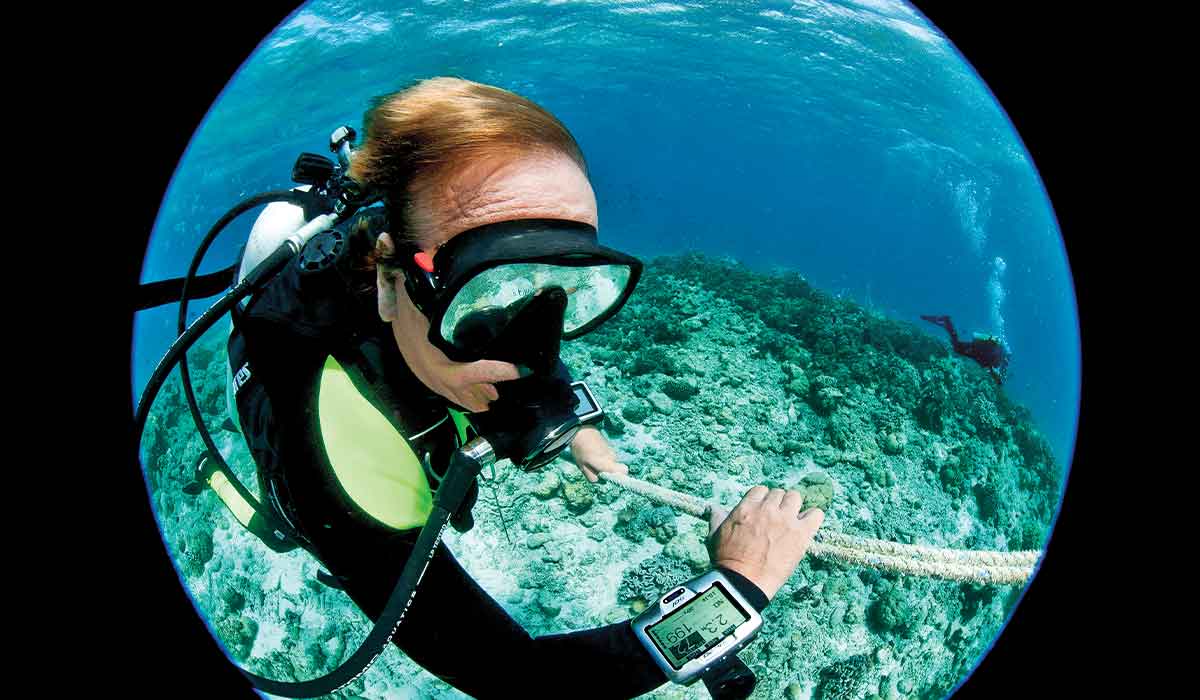
Ascent rates are influenced by different variables, but nearly all exerts agree that divers should keep slow ascent rates to avoid any complications. Read more about ascent rates.