You check in at the dive shop, sign your waivers, get your gear on the boat, and set up your BCD on your first tank for the day. The divemaster introduces you to your dive buddy for this trip — a total stranger from another part of the world who is here for the same things you are: great diving and returning home safely.
While prevention against decompression sickness, it’s relatively rare. Comparatively, there are more common hazards to divers. Read more.
Pulmonary barotrauma can occur in a shallow swimming pool if a diver holds their breath during ascent or inadvertently floats to the surface while holding their breath. Most dive-related pulmonary barotraumas occur in compressed-gas diving due to pulmonary overinflation during a breath-hold ascent. Pulmonary barotrauma can occur even with normal breathing if there is an obstruction in the bronchial tree that prevents one lung segment’s normal ventilation.
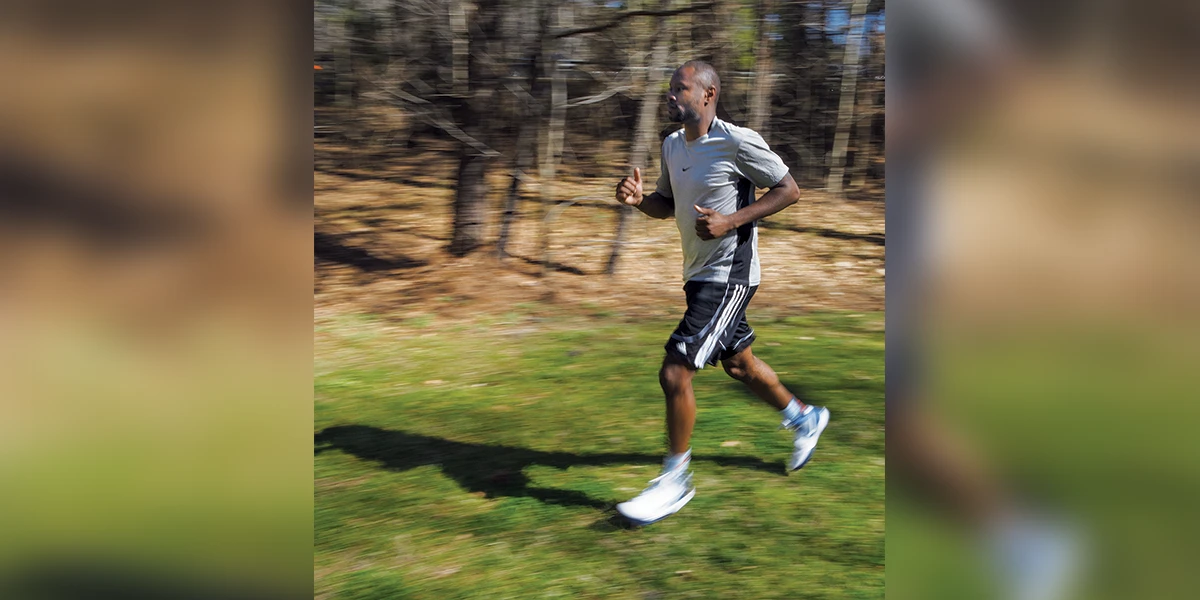
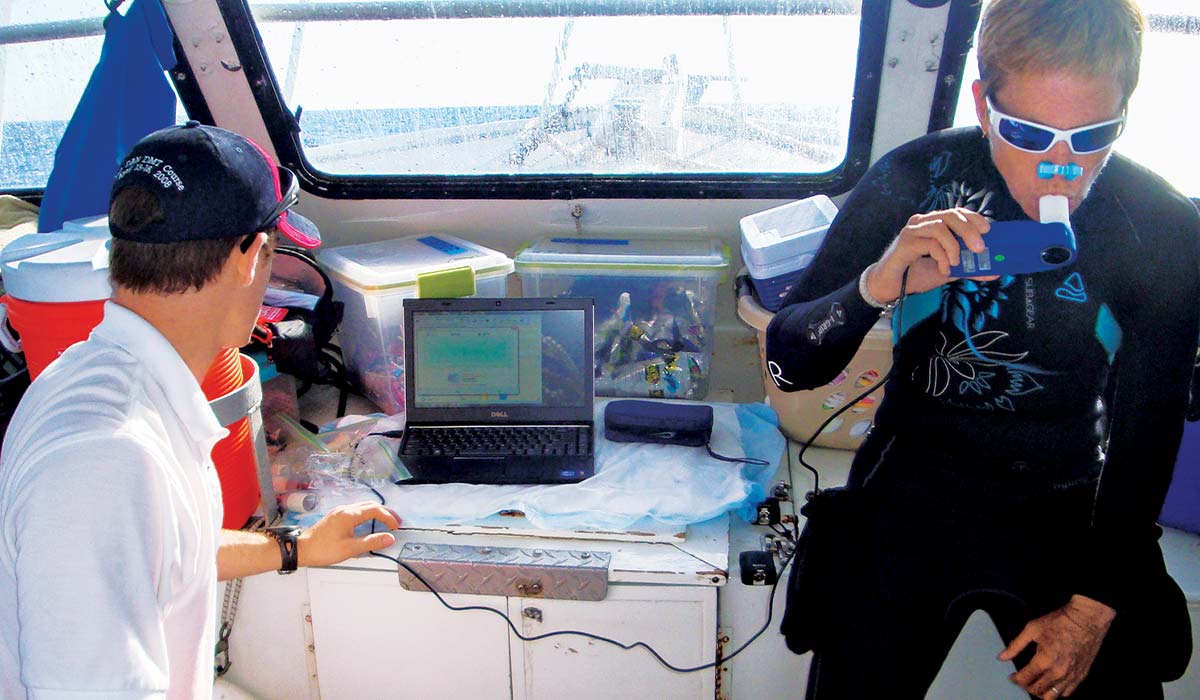
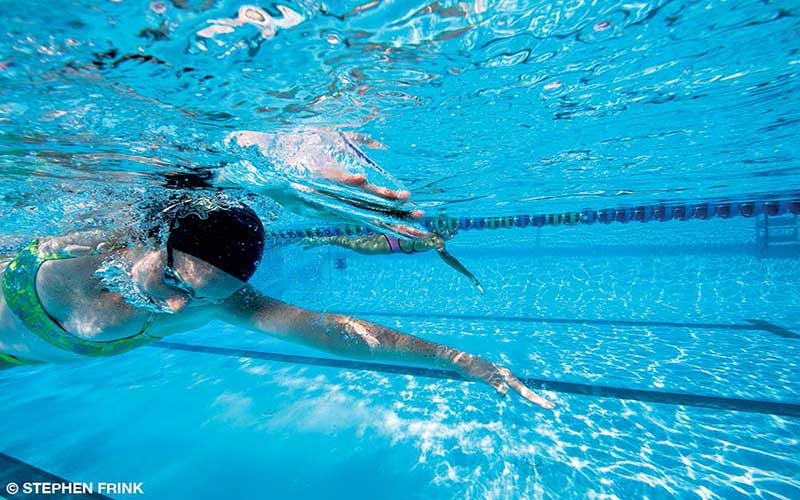
Being physically fit can be important, and sometimes crucial, for dive safety. Physical fitness plays a role in both regular dive activities and emergent events. A quick and effective response to sudden demands can often quickly and easily resolve a situation, while an insufficient response can prolong or exacerbate it.
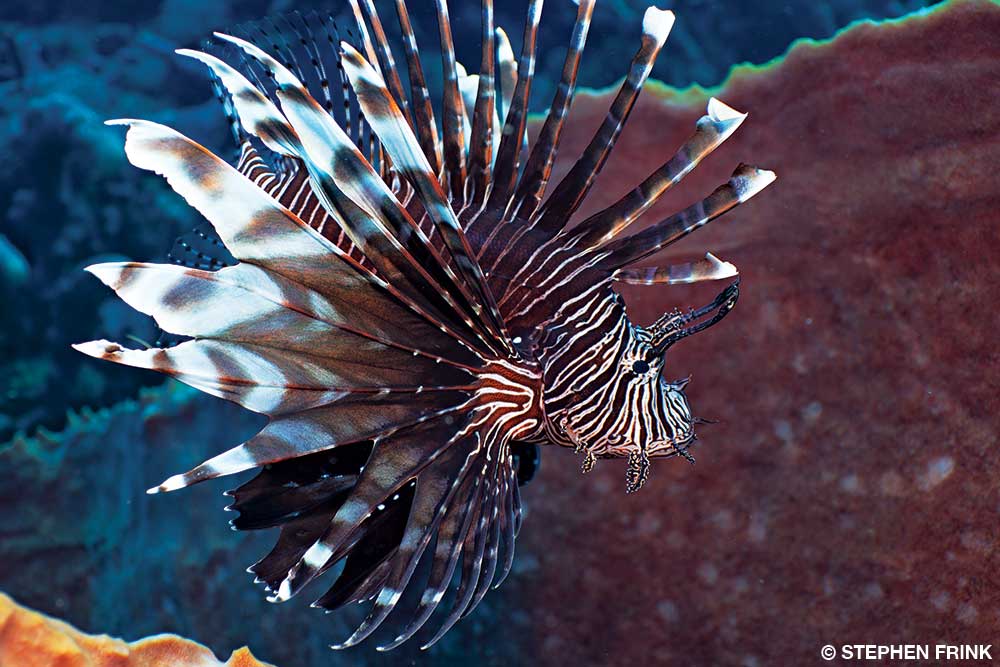
Lionfish are fascinating and beautiful creatures, but they can cause serious injuries as well as environmental problems outside their normal range.
Acclimatization is the adaptation to natural exposure, but could this apply and alter decompression stress? One research team looked at how acclimatization and repeatedly diving could impact someone’s predisposition to decompression sickness.
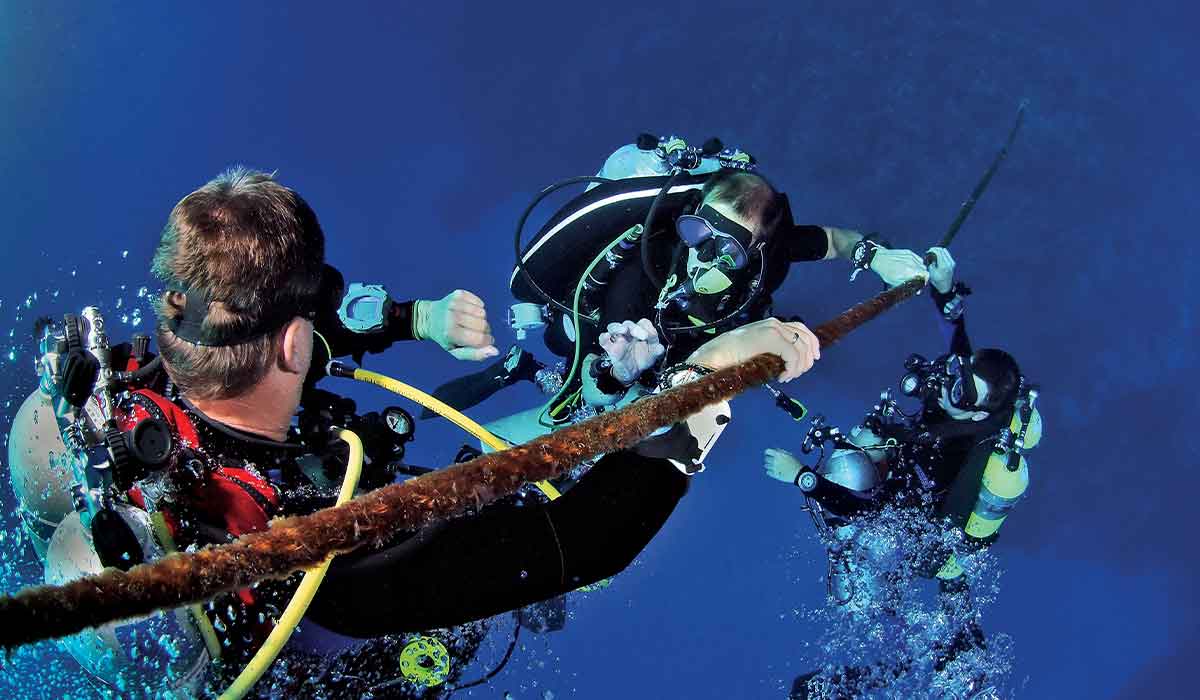
Divers have become more susceptible to stings and other injuries when trying to grasp permanent mooring lines. Learn why this has become a problem and how to manage injuries.
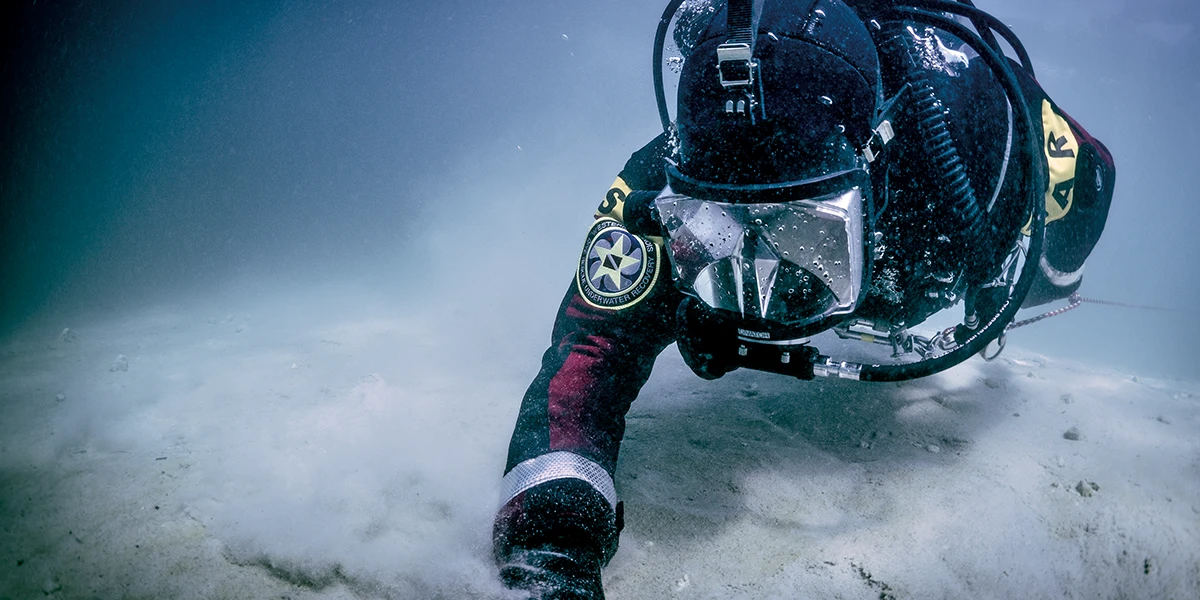
I was recently scrolling through social media and found a popular video of a salvage diver saying that ear beer was enough after diving in contaminated water. Hearing this advice gave me pause — someone could have serious adverse health effects if they follow it without more knowledge.
As with any exercise, it is important to honestly and accurately assess your fitness level before diving. There are assessments you can do at home to test your fitness for dive and ensure you’re in good health.
Recommendations created by several safety-oriented organizations want to ensure that scuba remains a safe sport. Read their six recommendations.