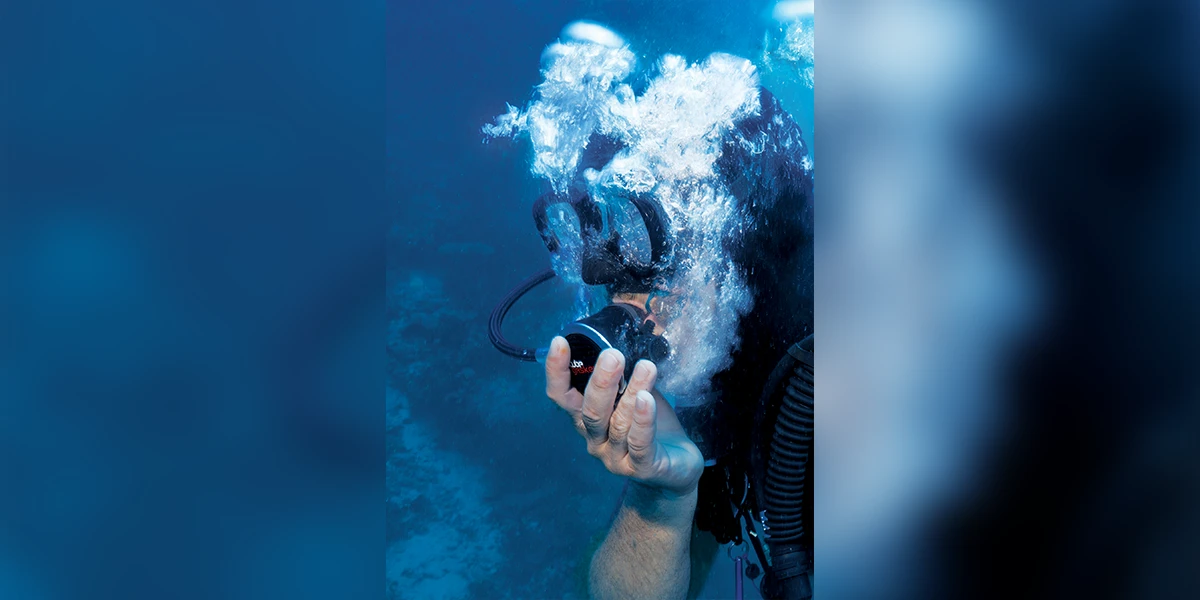
Getting to the wreck of the Caribsea off the coast of North Carolina can take up to an hour and a half. While traveling to the dive site, I regrettably ate a prepackaged lunch with an indecipherable expiration date I had purchased the night before.
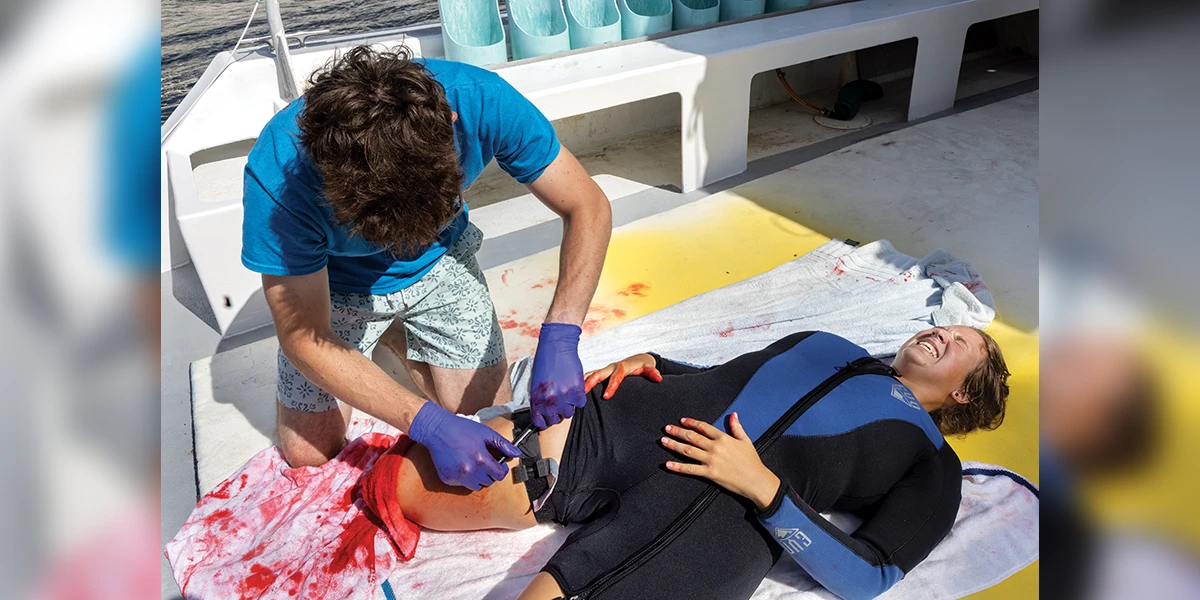
Even if your skills aren’t perfect, you can still make a difference. Read a first-person story about how basic first-aid skills came in handy in saving a life.
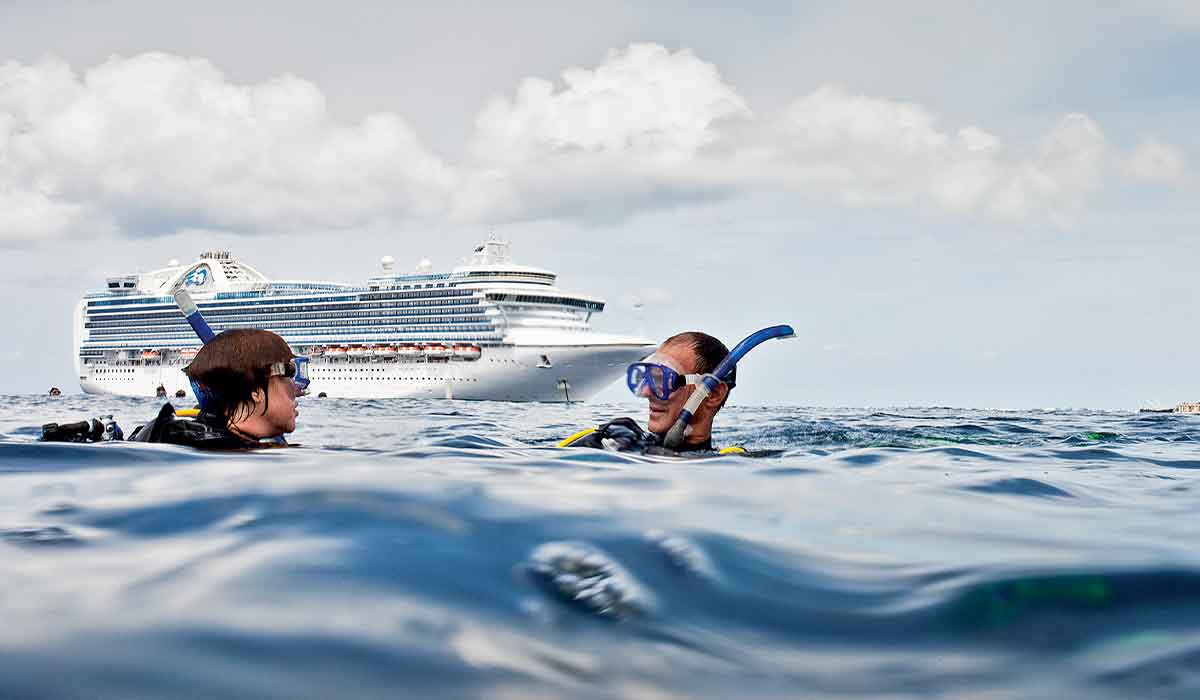
A vacation on a cruise ship, was littered with jellyfish run ins. But thanks to quick thinking, a DAN member’s training were vital in preventing serious injuries.
A recent dive trip changed the lives of everyone involved, and I hope this story might help save another life. About 30 days before the trip, I was talking to […]
When emergency response is made as accessible and efficient as possible, it’s much easier for divers to embrace the culture of dive safety. Divers are more apt to remind each other to be cautious and to watch out for each other with increased vigilance.
A newly certified Diving Medical Technician started a new job at a resort and their skills immediately came in handy. Read more about how the skills learned were used.
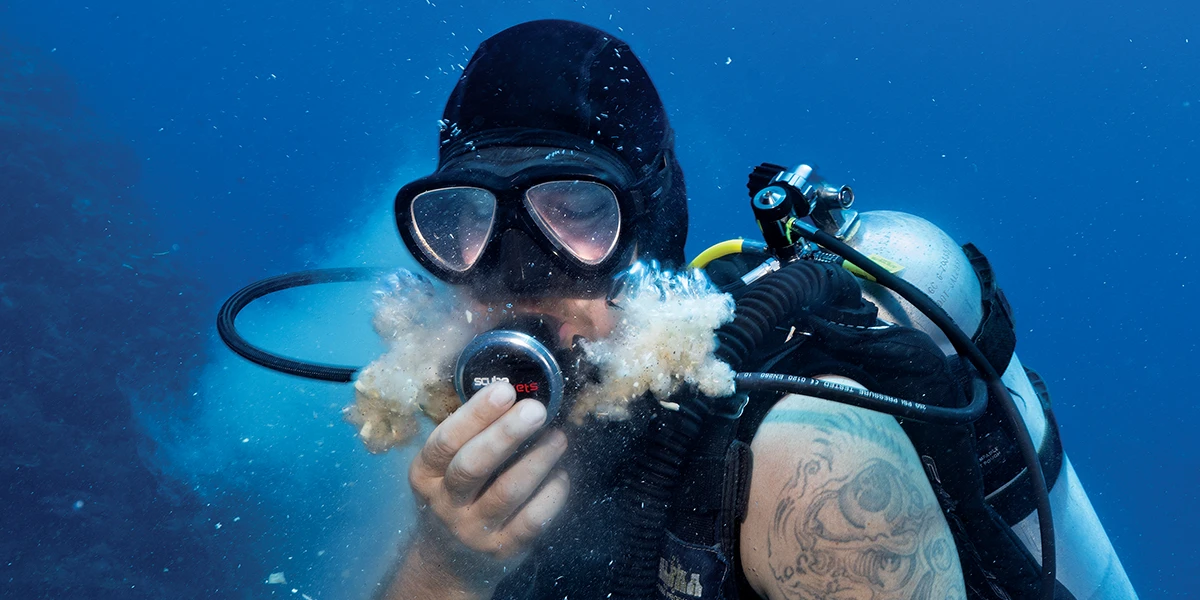
Recreational diving is a fun and relaxing sport meant to be enjoyed. But what happens when things don’t go as planned: Your mask comes off, your regulator gets knocked out, or someone in your group runs out of air?
A research team experienced a small issue that turned into a big emergency, but DAN provided much-needed support. Read more.
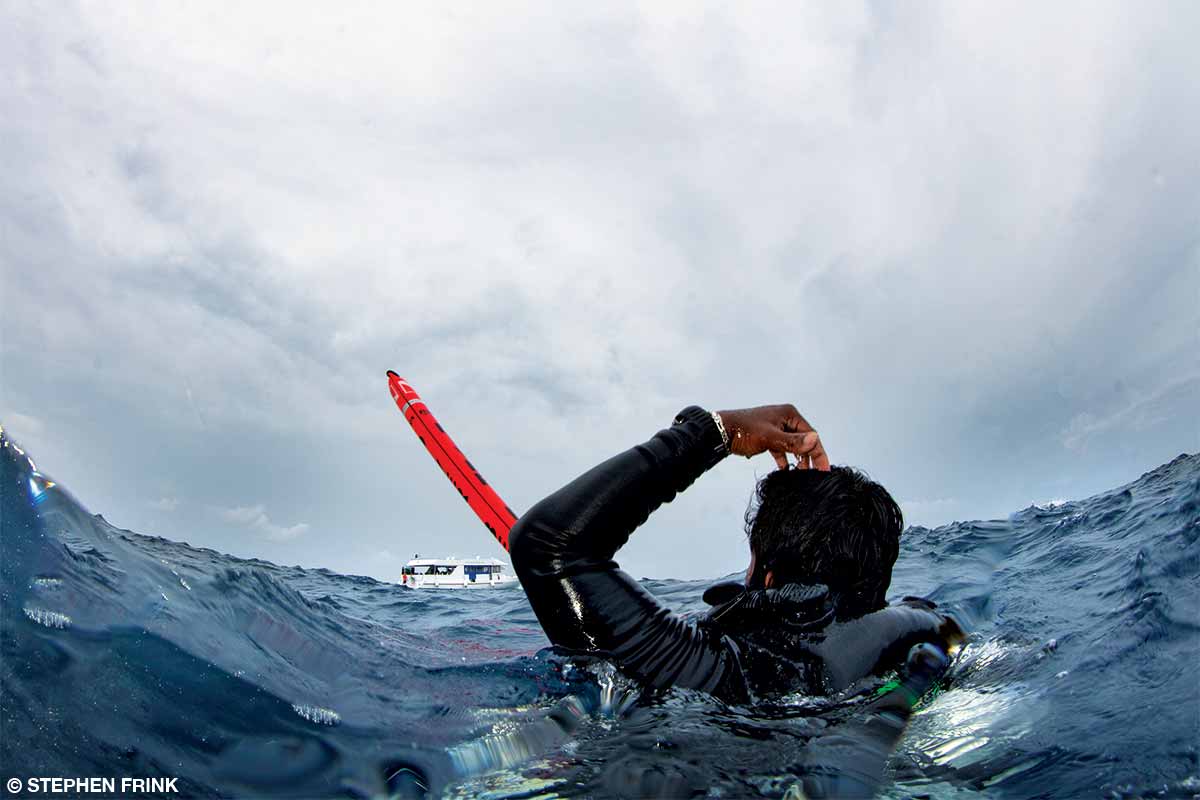
A diver didn’t heed the divemaster’s warning and was lost at sea. Deploying his large surface marker buoy helped with his rescue. DAN recommends that divers always listen to the dive briefing and follow all directions and always carry an SMB and reel. If your breathing-gas supply is critically low, get to the surface at a safe ascent rate, and then monitor for signs of decompression illness. It is better to deal with DCI on the surface than to run out of breathing gas at depth.
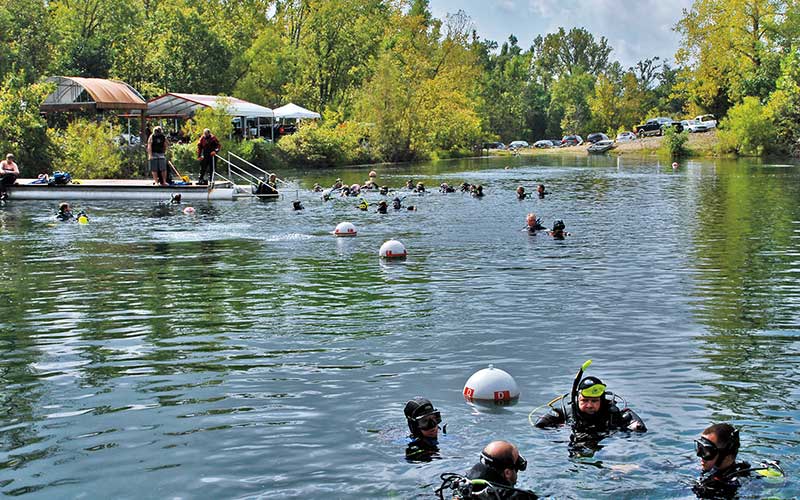
I woke up excited for a routine day of diving at my local quarry. While the dive was not in idyllic tropical and clear conditions, I was getting to blow bubbles, which was enough for me.