A Near-Fatal Field Trip
Two DAN members share their stories of separate field trips going array and how their safety training skills were incredibly helpful.
Two DAN members share their stories of separate field trips going array and how their safety training skills were incredibly helpful.
Divers spend much of their time underwater with a select group of buddies — the ones we trust to get us through the dive and surface with fresh experiences and stories to tell. Newly certified divers have had limited interactions underwater, having dived only with classmates, instructors, and assistant instructors during their classes.
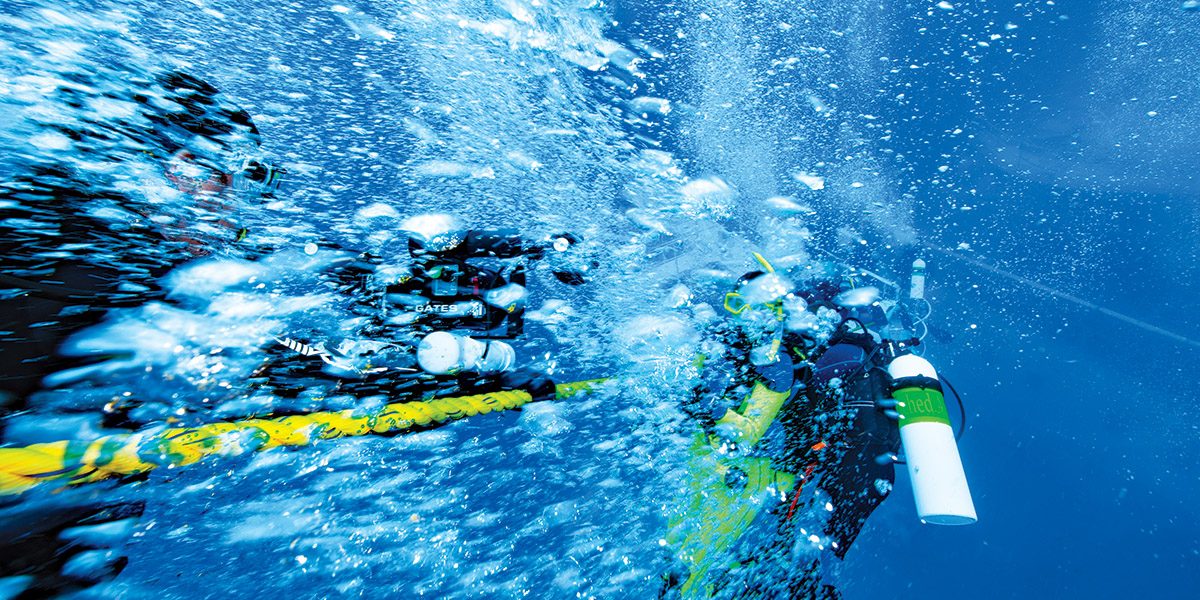
About to start a dive, a group of divers were asked to help a potential drowning victim. Training kicked in and they provided relief. Read more about this heroic story.
Dive training and skills can prevent emergencies. Read the story of how one diver repeatedly met situations where their dive training was crucial.
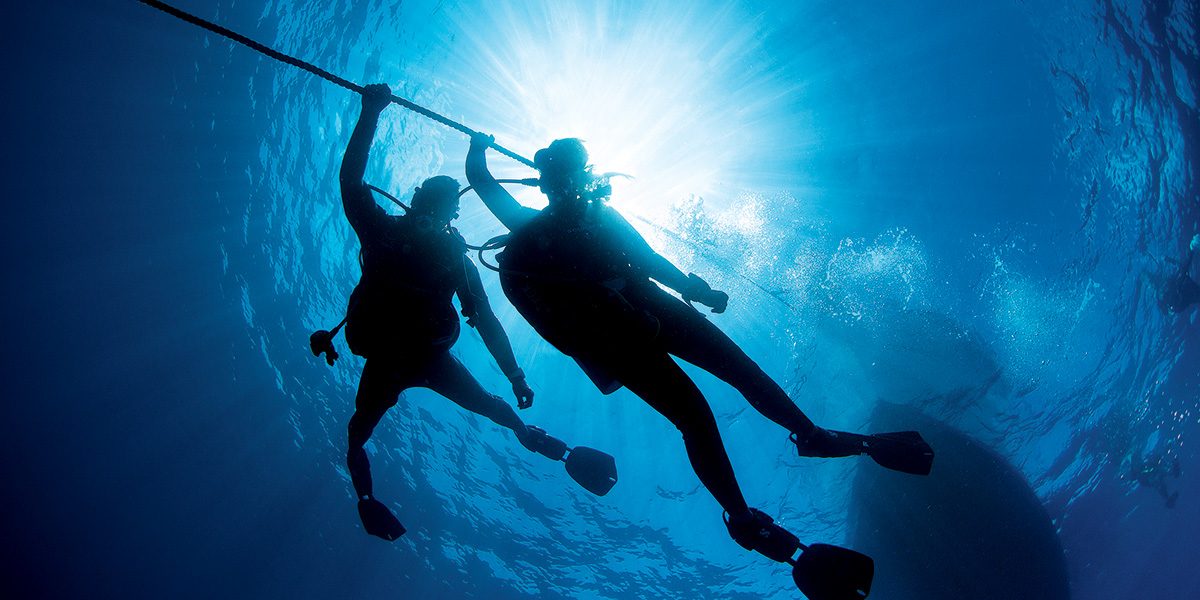
The onset of pain in my left ear was sudden and excruciating. I knew something was wrong, so I gripped the anchor line and stopped ascending. My buddy saw me stop, and I communicated via hand signals that something was not right with my ear and that I needed to pause our ascent.
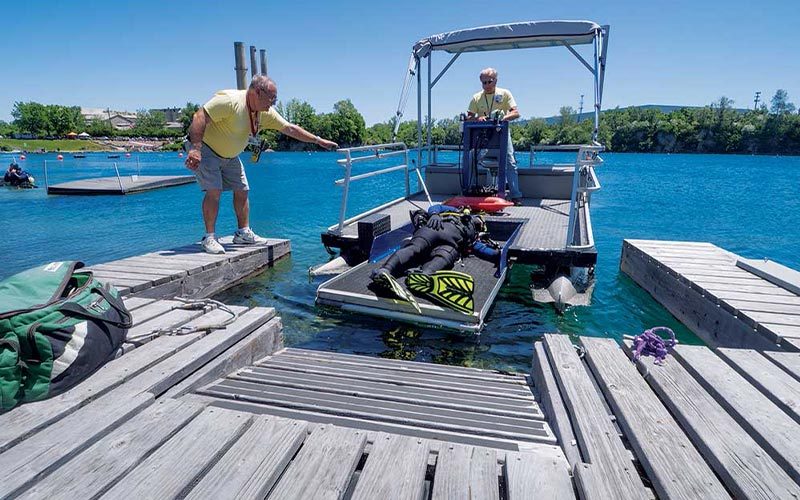
In an effort to improve the facility’s diver rescue capabilities, Dutch Springs recently upgraded its rescue vessel to a custom-built pontoon boat with a platform for transporting an injured diver.
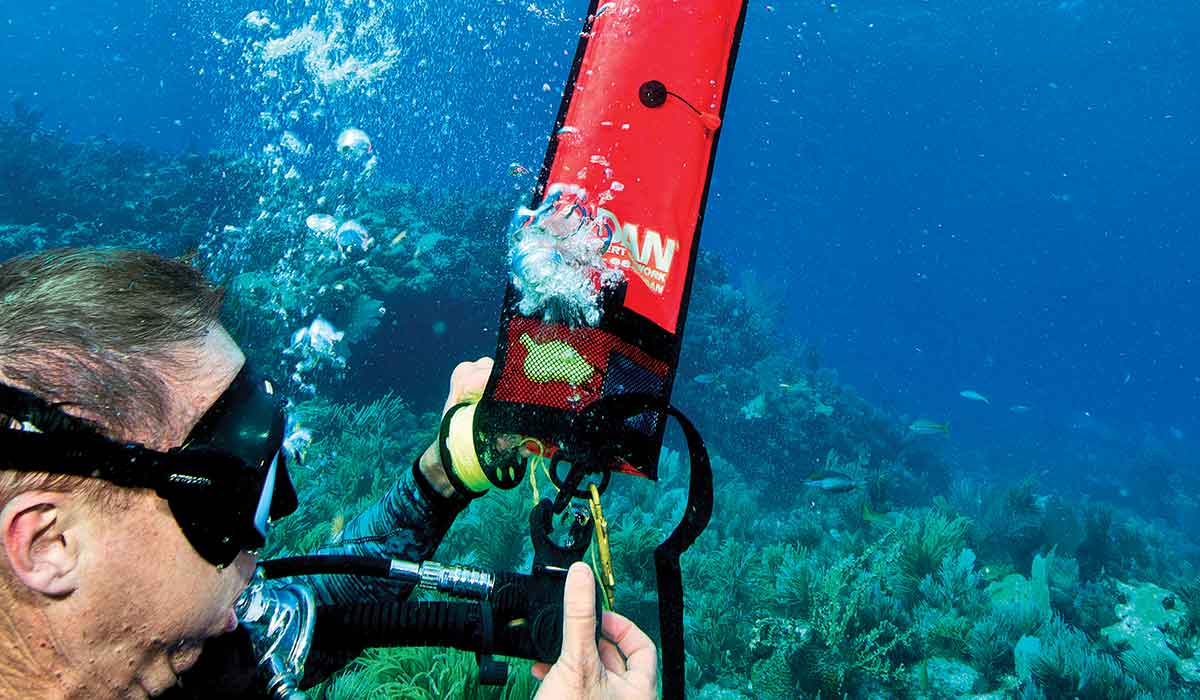
When a diver popped up before his buddy, he started immediately coordinating with the divemaster and boat operator to coordinate a search. Thankfully, the buddy was found unharmed.
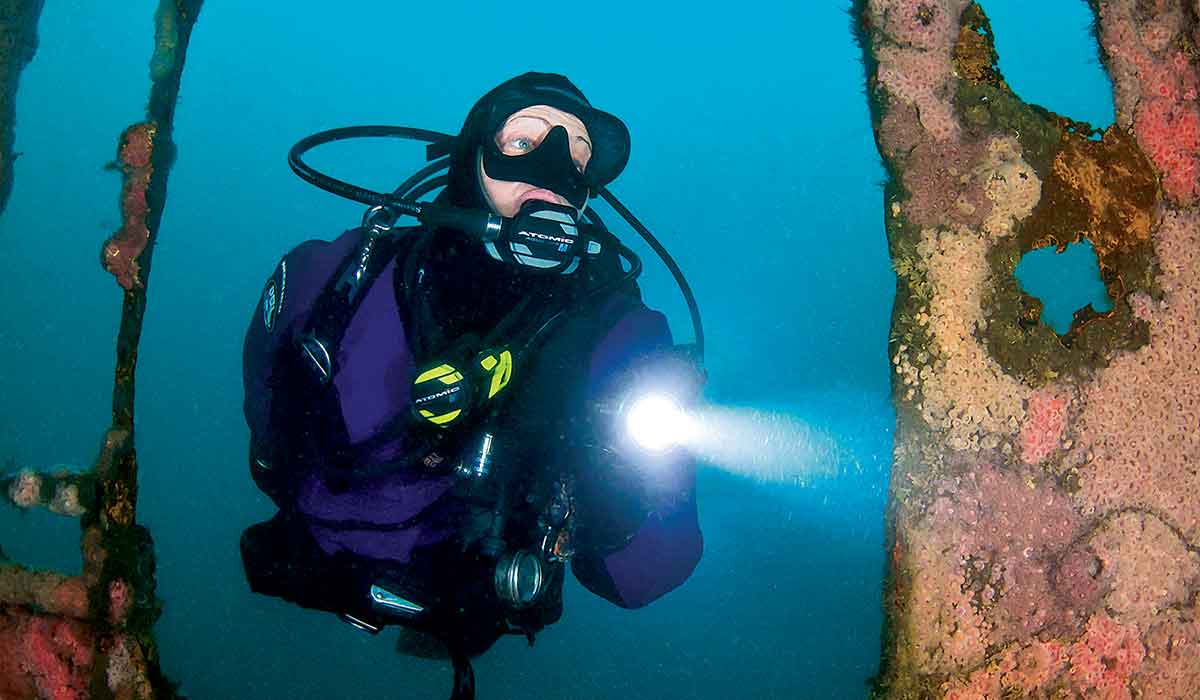
Getting to the wreck of the Caribsea off the coast of North Carolina can take up to an hour and a half. While traveling to the dive site, I regrettably ate a prepackaged lunch with an indecipherable expiration date I had purchased the night before.
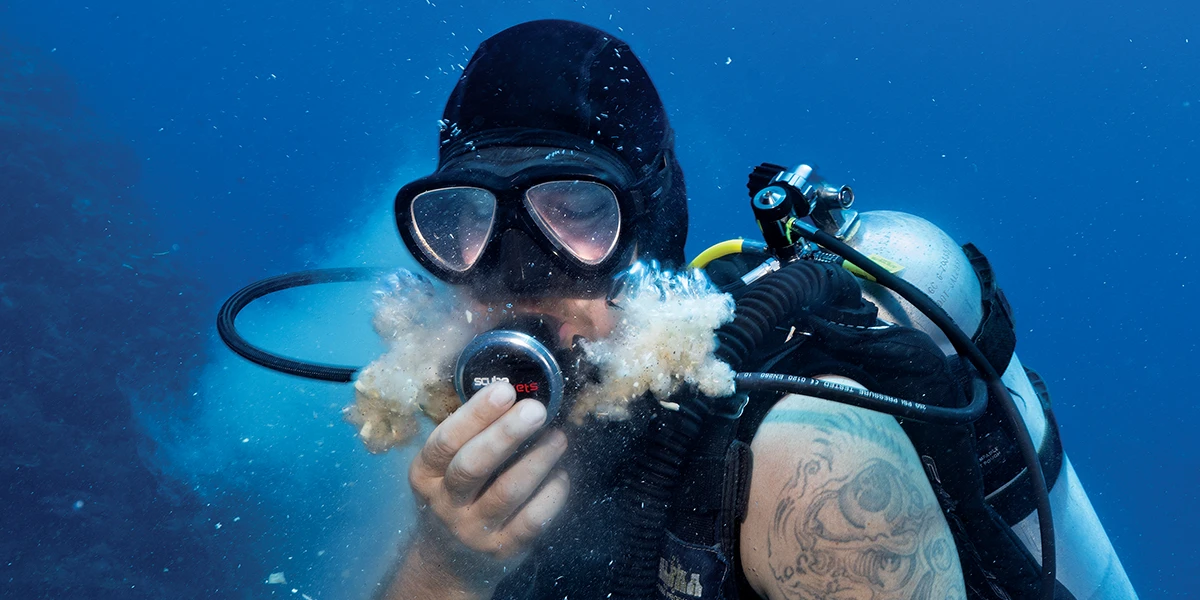
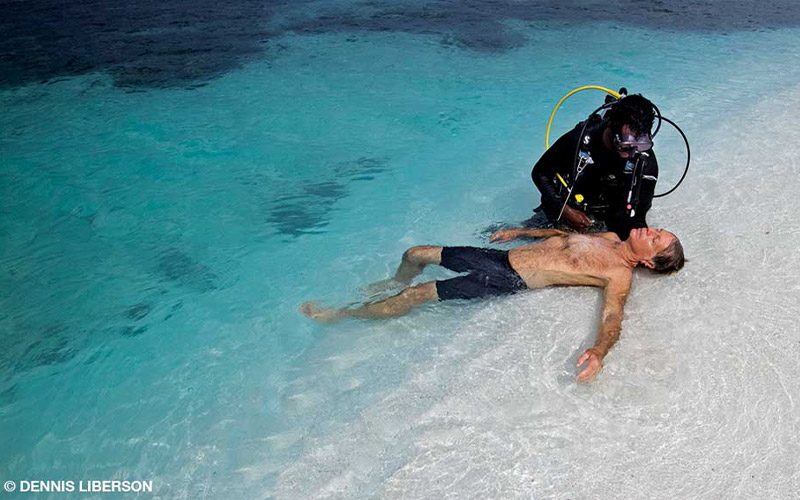
Even if your skills aren’t perfect, you can still make a difference. Read a first-person story about how basic first-aid skills came in handy in saving a life.
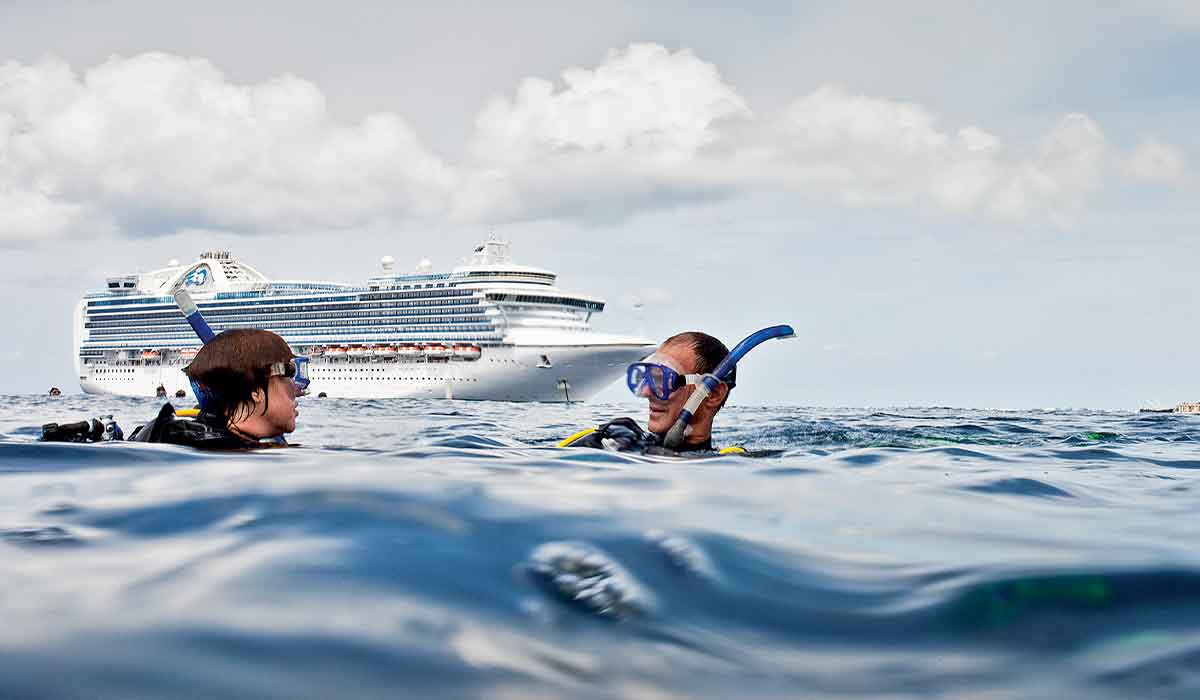
A vacation on a cruise ship, was littered with jellyfish run ins. But thanks to quick thinking, a DAN member’s training were vital in preventing serious injuries.