Eating Our Way Out
Lionfish pose a threat to native species as their numbers are skyrocketing out of control. The best way to solve the problem of invasive lionfish? A fork.
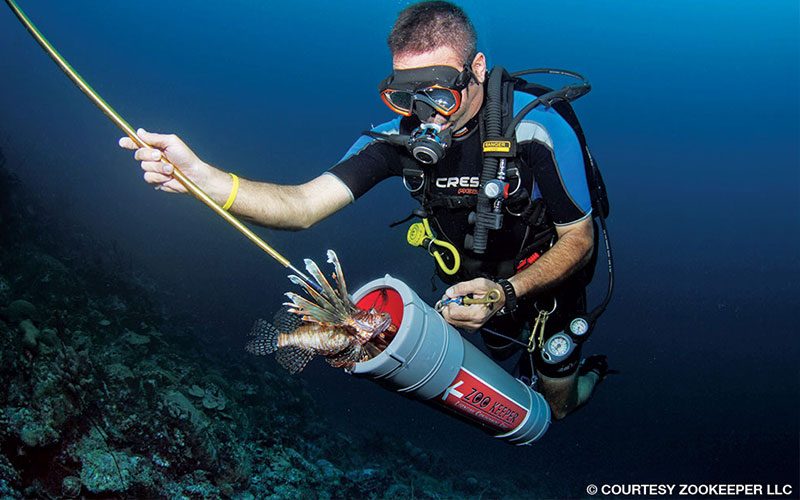
Lionfish pose a threat to native species as their numbers are skyrocketing out of control. The best way to solve the problem of invasive lionfish? A fork.
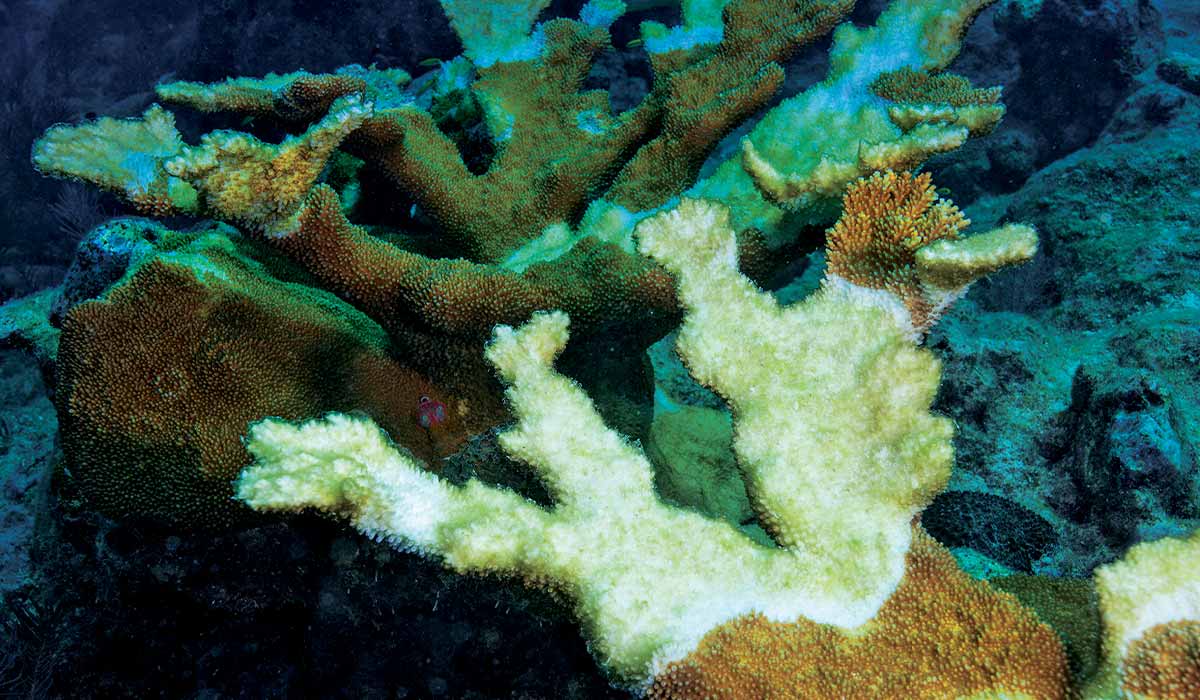
Reef corals demand greater protections. Broad reef protections have been helpful, protections specifically for corals are needed. Read more about threats to corals and what you can do as a diver and ocean lover.
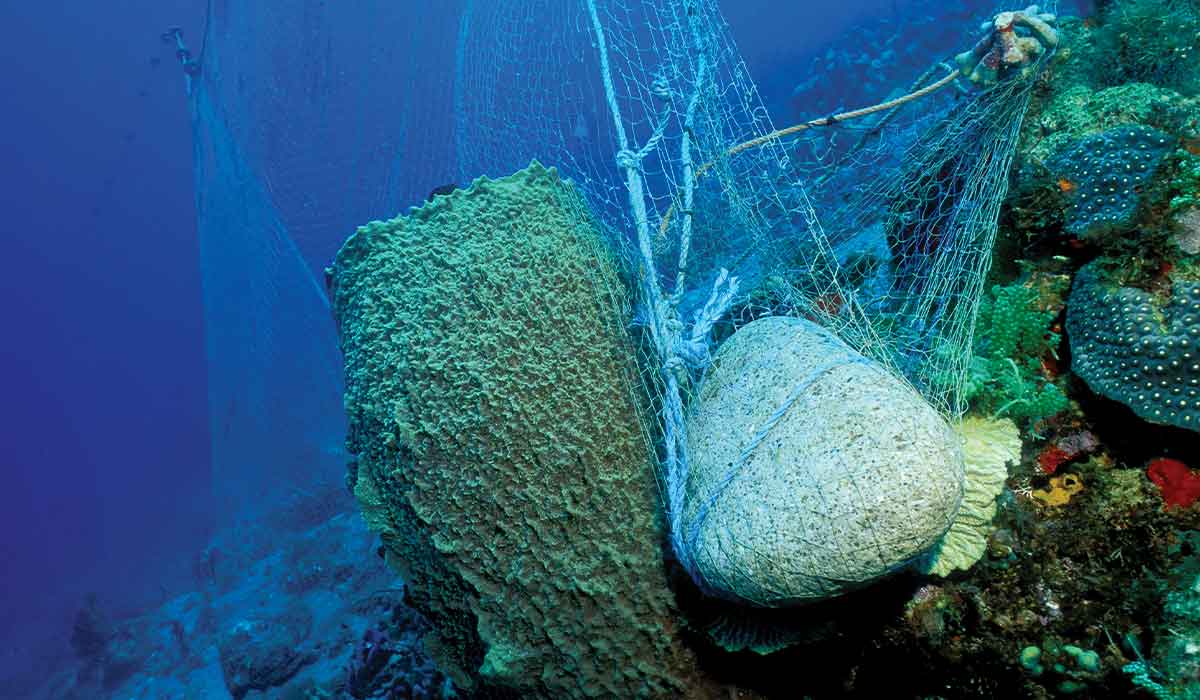
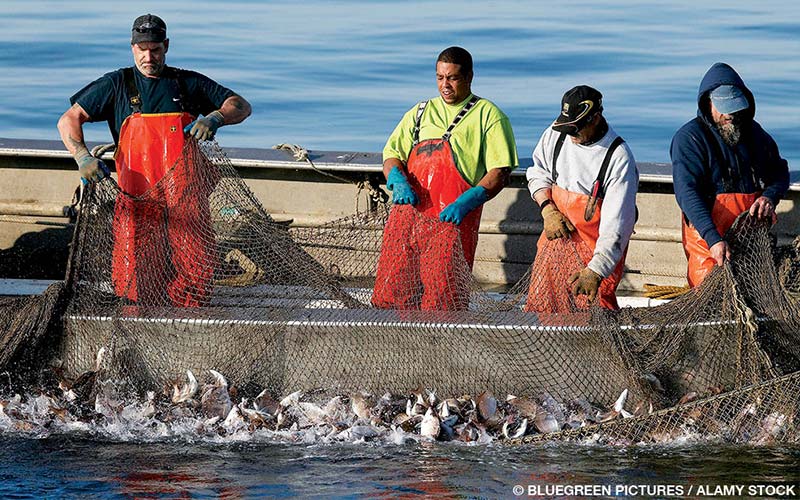
Overfishing can cause irreversible damage to local ecosystems. Learn more about overfishing and how to combat it.
Many divers top off a trip to the Southern Red Sea by watching a rotund dugong snuffle through seagrass meadows in about 25 feet (7.6 meters) of water.
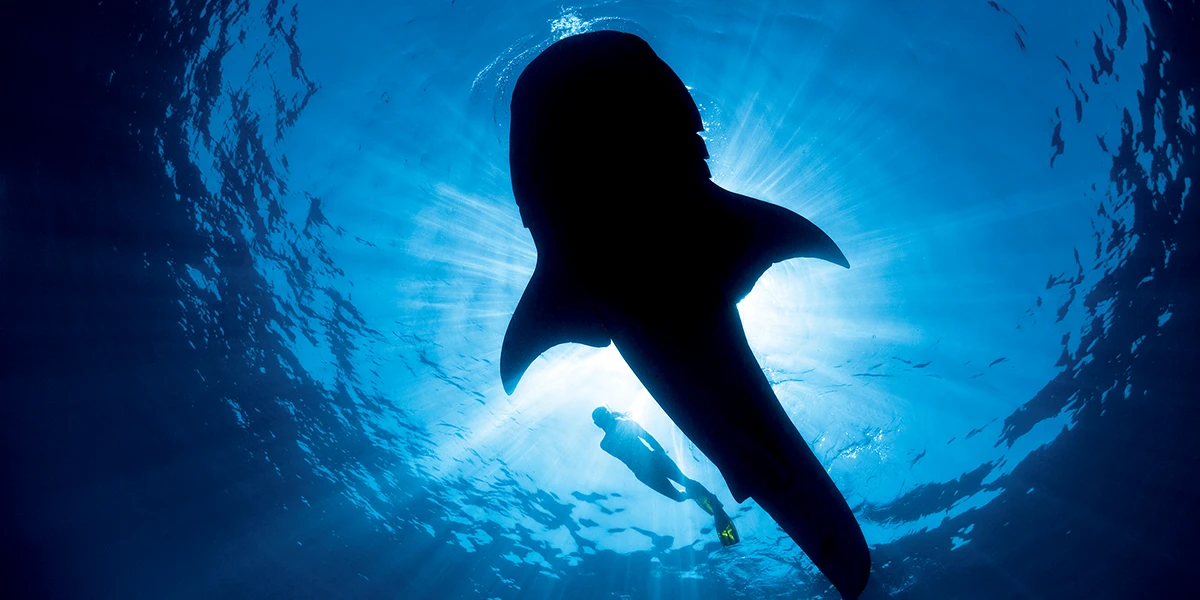
Menhaden, also known as bunker, are forage fish that play a critical role in the ocean food web. They are a vital source of food for wildlife up and down North America’s Atlantic seaboard. But their population management ignores the importance of the food web. Learn more and what you can do.
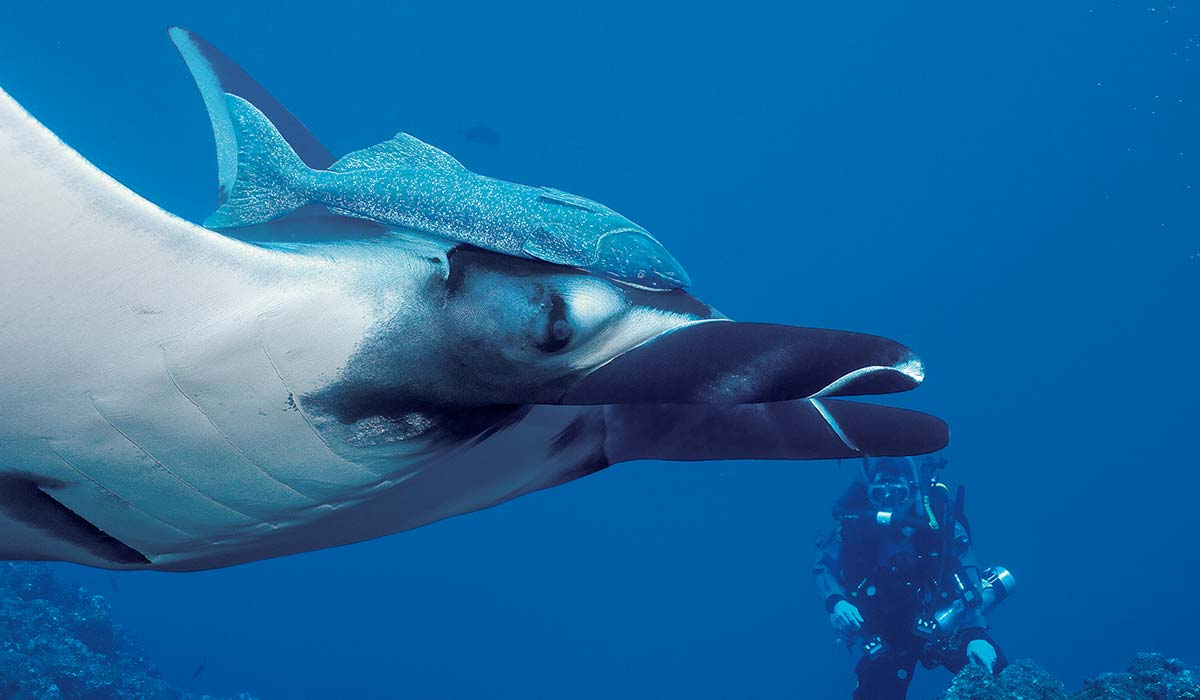
The stakes were high at the Convention on International Trade in Endangered Species of Wild Fauna and Flora (CITES) meeting this spring. On the table were the fates of manta rays and five species of shark.
For more than five years, divers and scientists along the U.S. West Coast have watched a disaster play out before their eyes. Sunflower sea stars fell victim to a wasting disease, which wiped out roughly 90 percent of the global population in 2013. Seven years later, scientists see no signs of recovery. Without the sea stars, the population of purple urchins that sea stars eat has exploded and mowed down entire forests of bull kelp. The West Coast experienced intense ocean warming from 2014 to 2017, and by 2015 divers began seeing urchin barrens — vast swaths covered in piles of spiny creatures and little else.

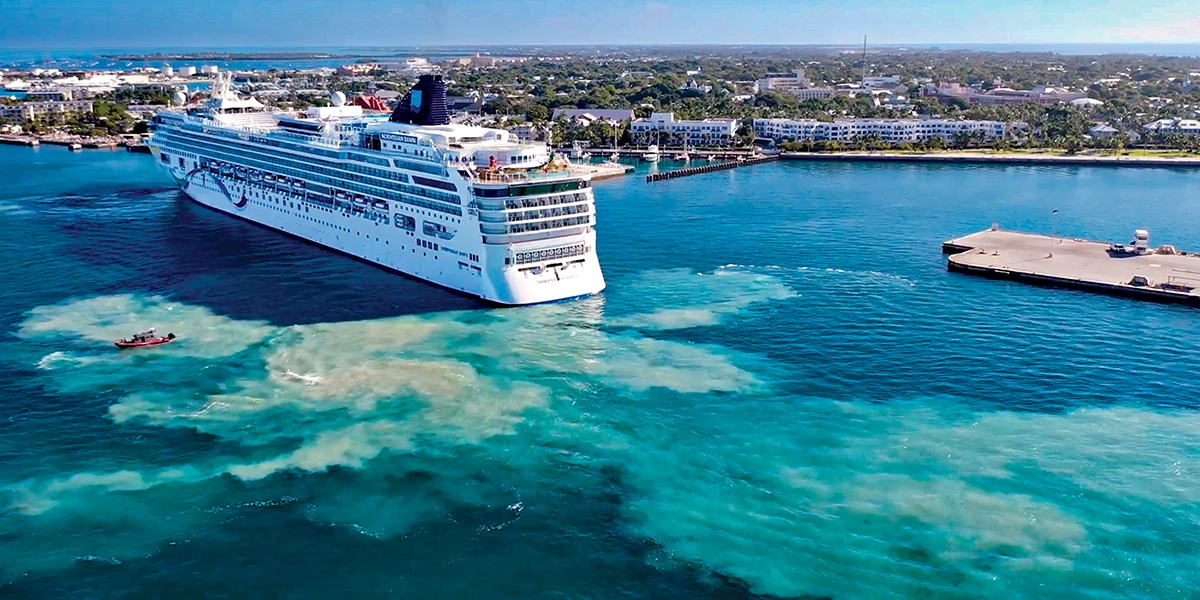
Coral reefs are facing many environmental challenges, and cruise ships are a major contributor. One of these ships’ greatest impacts is starting to muddy the water.
A little dot in the Pacific, Clipperton is surrounded by coral reefs and encloses a stagnant lagoon. Despite looking like paradise, Clipperton is being invaded by plastic.
Predatory fish in natural environments are a rarity, because of physical traits and population exploitation. Read more about about predatory fish populations that are on the brink.