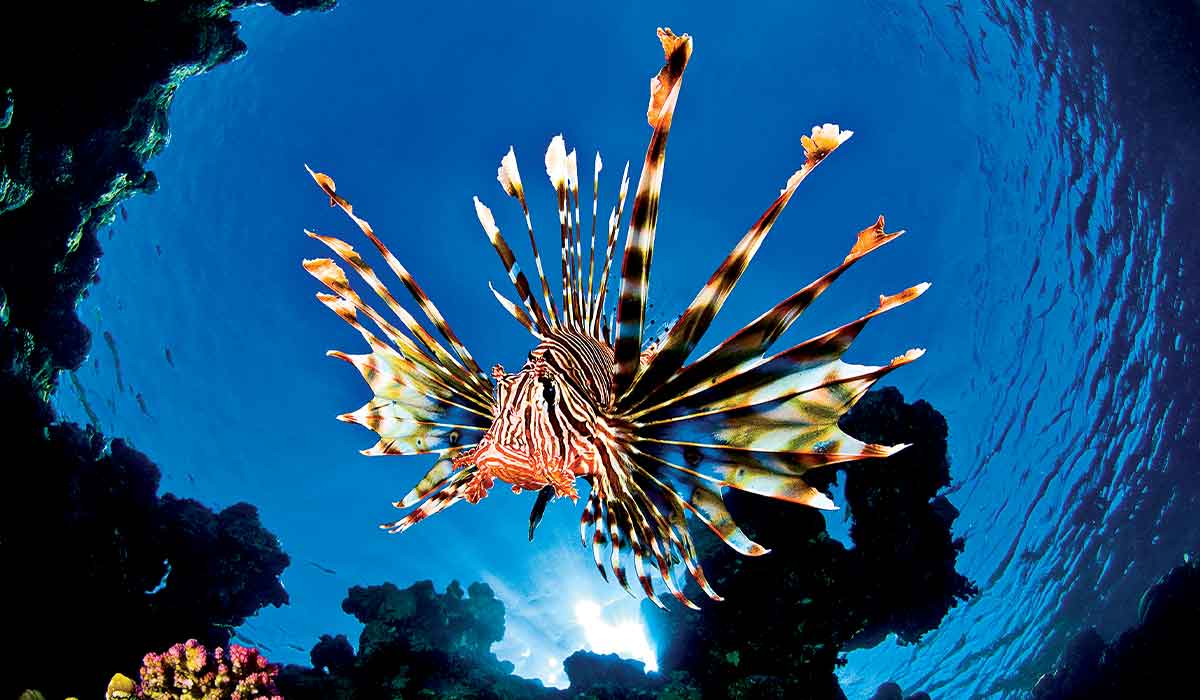
Diving in the Dark
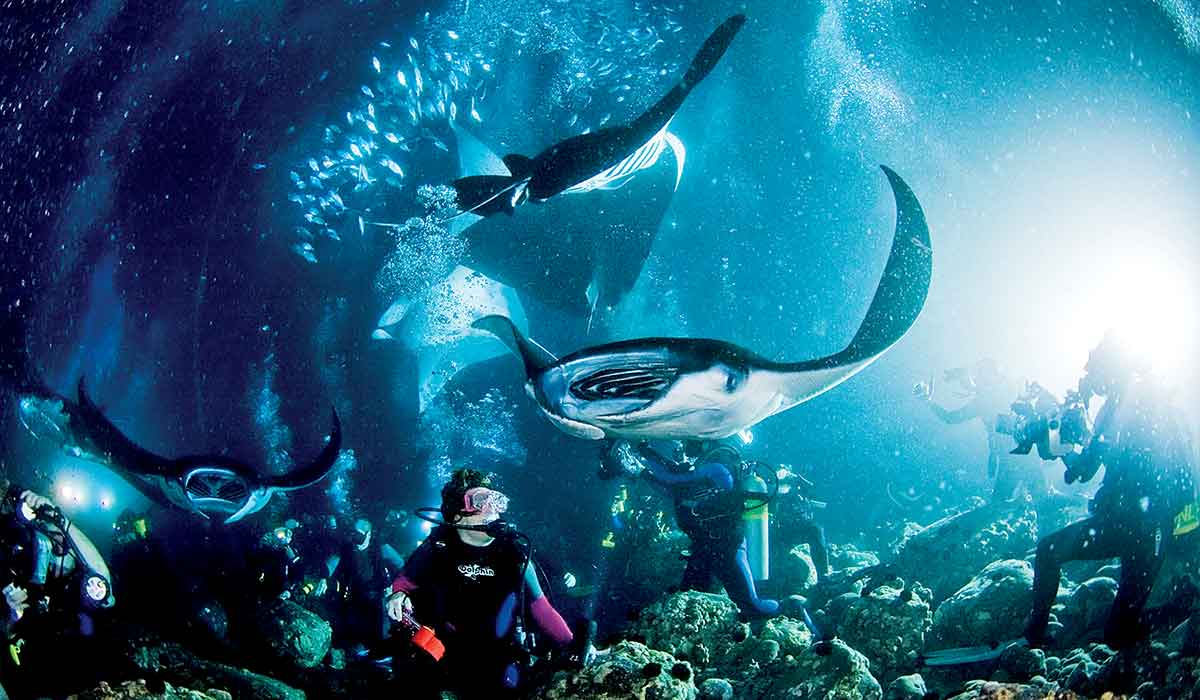
Diving at night is a memorable experience because many nocturnal creatures come out to mate and feed. It requires a bit more equipment and training, but you can easily make your night dives as enjoyable as those in the daylight.
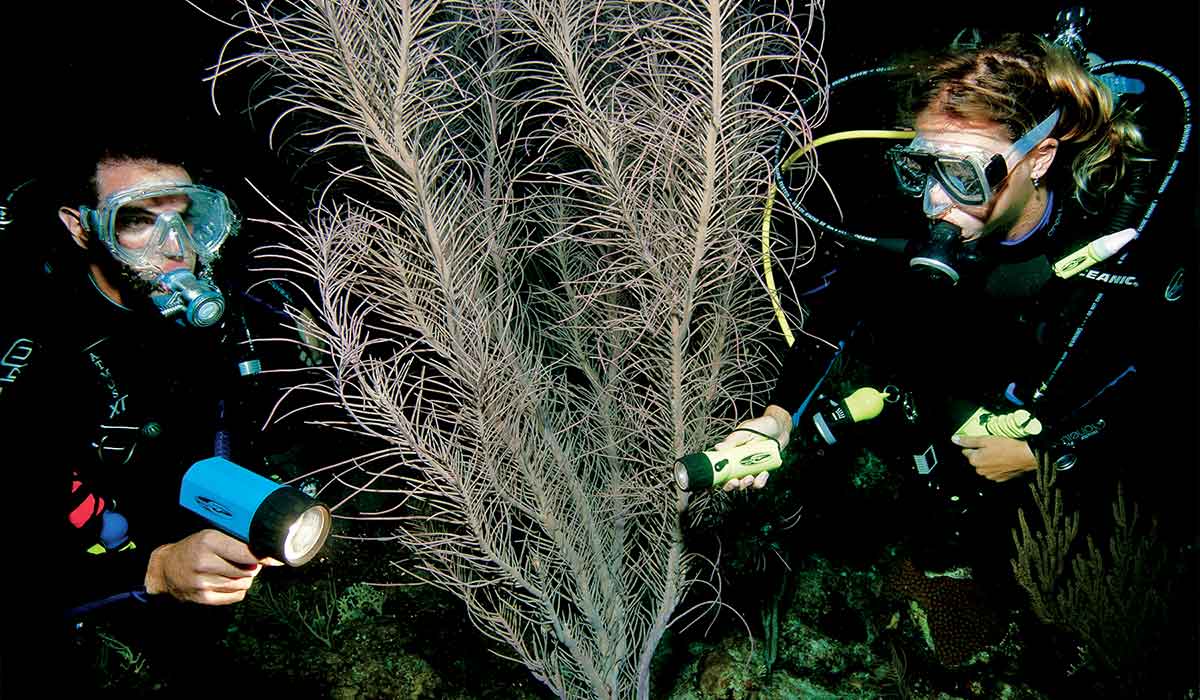
Diving at night is a memorable experience because many nocturnal creatures come out to mate and feed. It requires a bit more equipment and training, but you can easily make your night dives as enjoyable as those in the daylight.
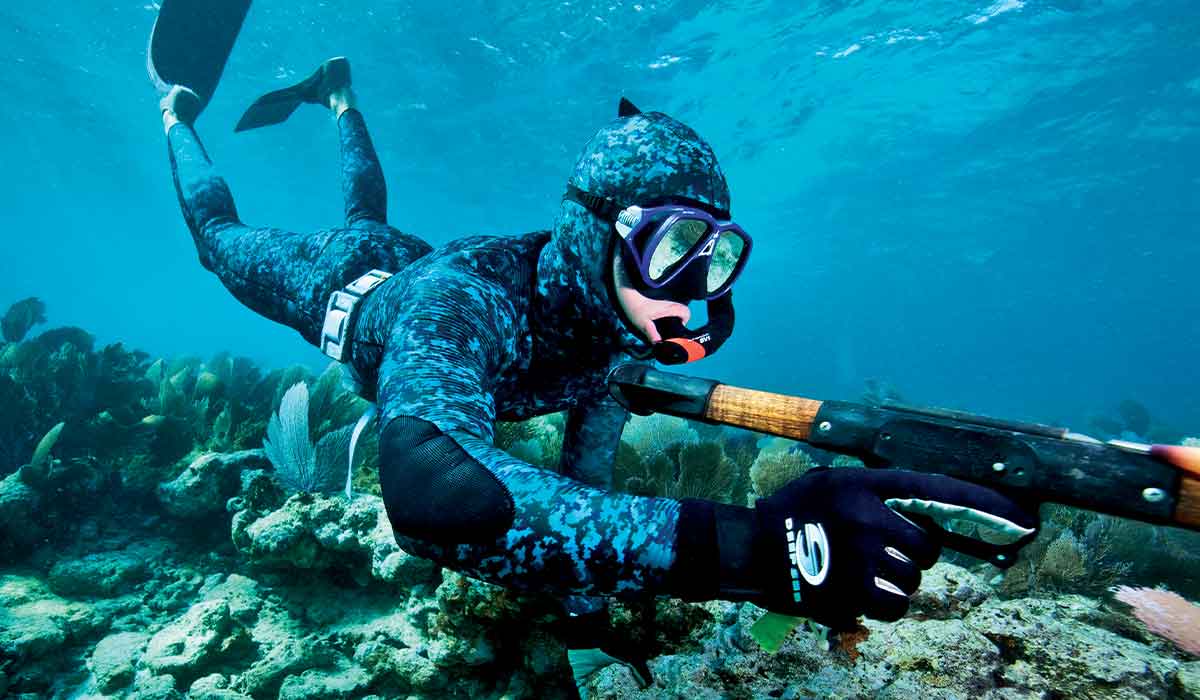
Breath-hold diving after scuba diving may lead to decompression sickness in extreme breath-hold diving. Read more about this link with breath-hold diving.
Emergency plans are vital and as you prepare, you need to ensure your plan encompasses a variety of scenarios. Good emergency plans reduce feat and anxiety. How good is your plan?
The Galapagos Islands repeatedly tops the world’s lists of best diving destinations. Big and diverse marine animals are certainly a draw, but many love the topside attractions. Read more about traveling to the Galapagos Islands.
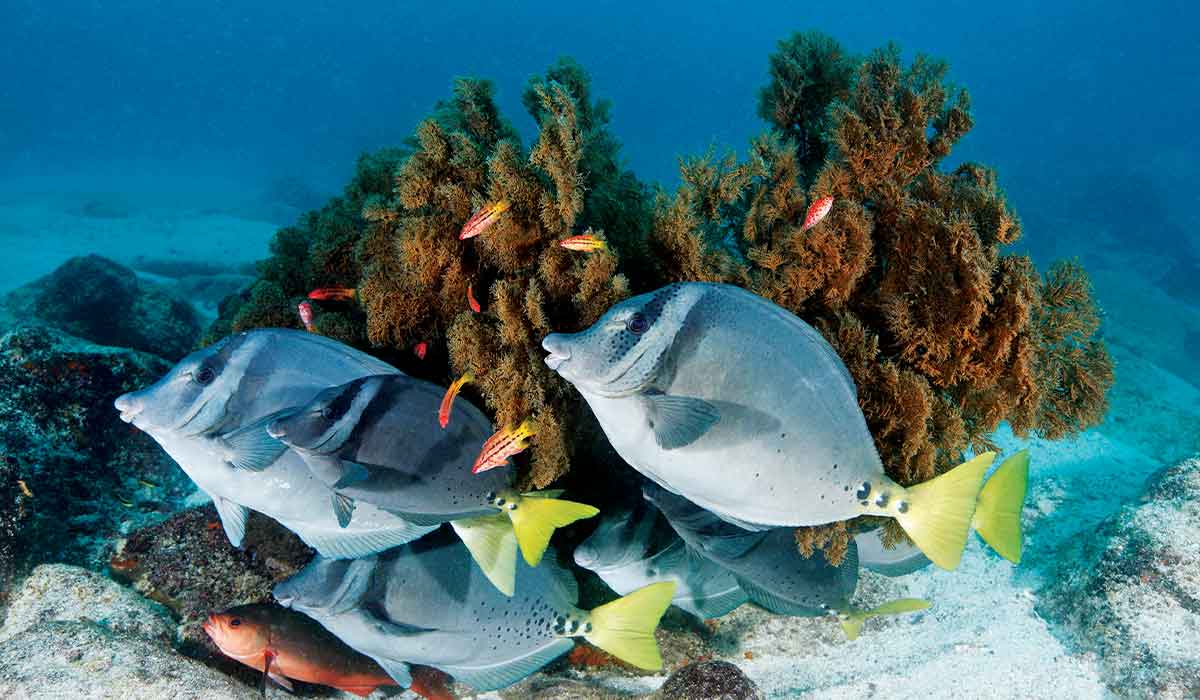
It’s important to put breathing gas considerations into your dive plan. Read an incident of three divers who exercised poor gas management.

Hawaii is more than black lava rock, pineapples and grass skirts: It has a plethora of marine life, rich culture and beyond. Read more about diving and visiting in Hawaii.
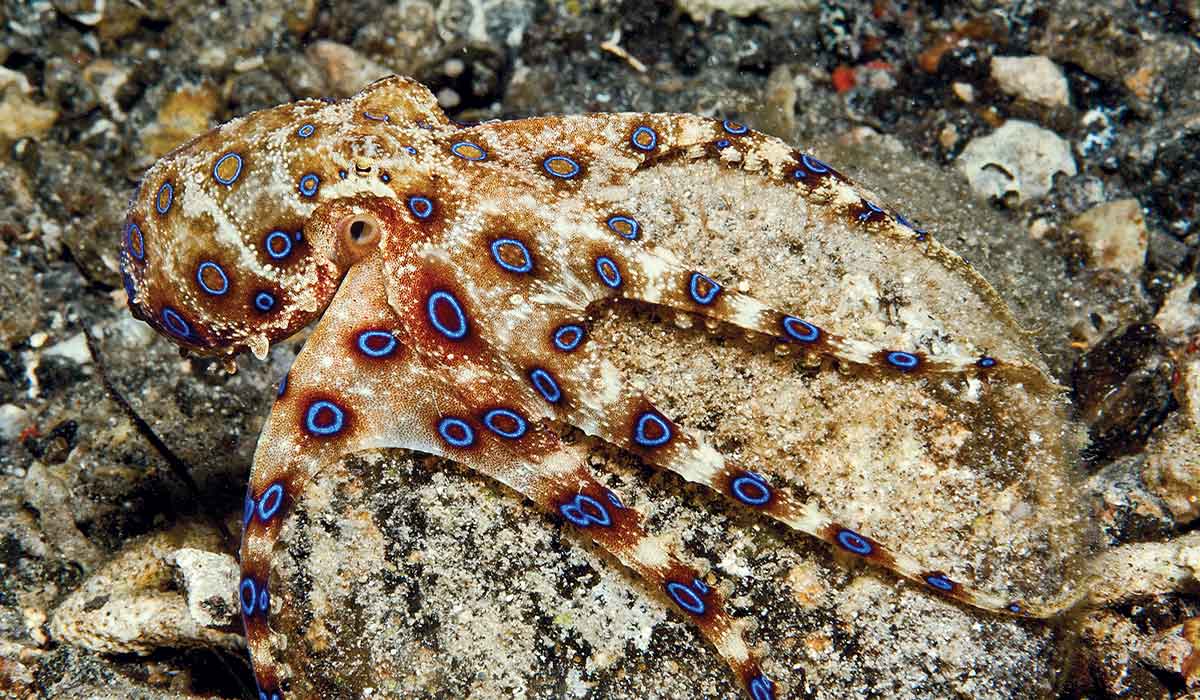
Are you prepared to deal with an envenomation from an invertebrate? Learn more about common invertebrate envenomations and how to prevent and treat them.
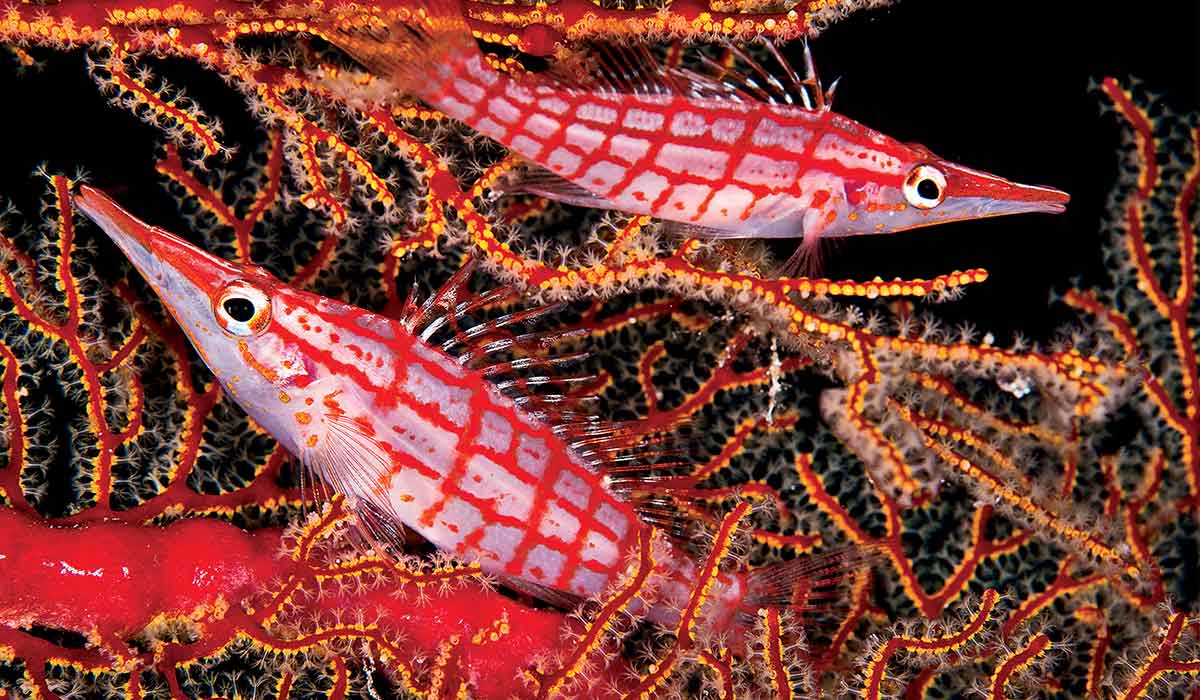
The Ocean Views photo competition quickly created a reputation for excellence in wildlife and marine photography. Check out the winners and honorable mentions of Ocean Views 2011.
First aid kits should not be an afterthought. Preparations should done now so you have a stocked first aid kit. Do you know what to pack? Get our best tips on packing your first aid kit.
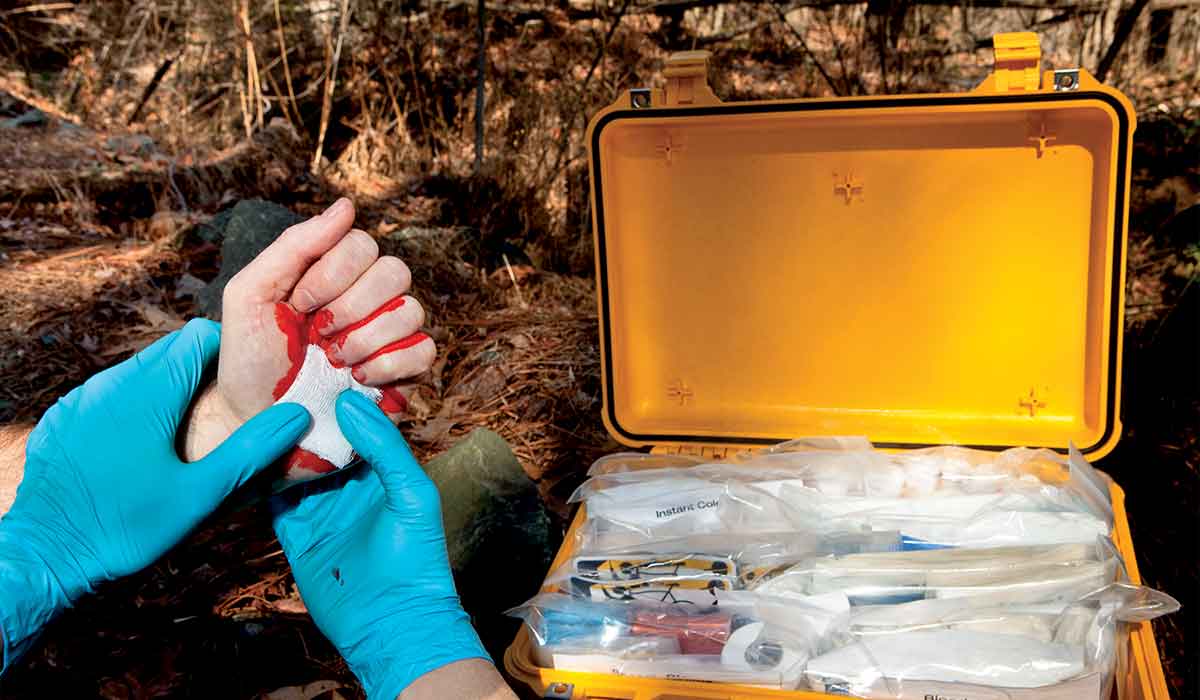
Photo competitions can be great tools to assess your photography skills. Read more about how to find and enter into photo competitions.