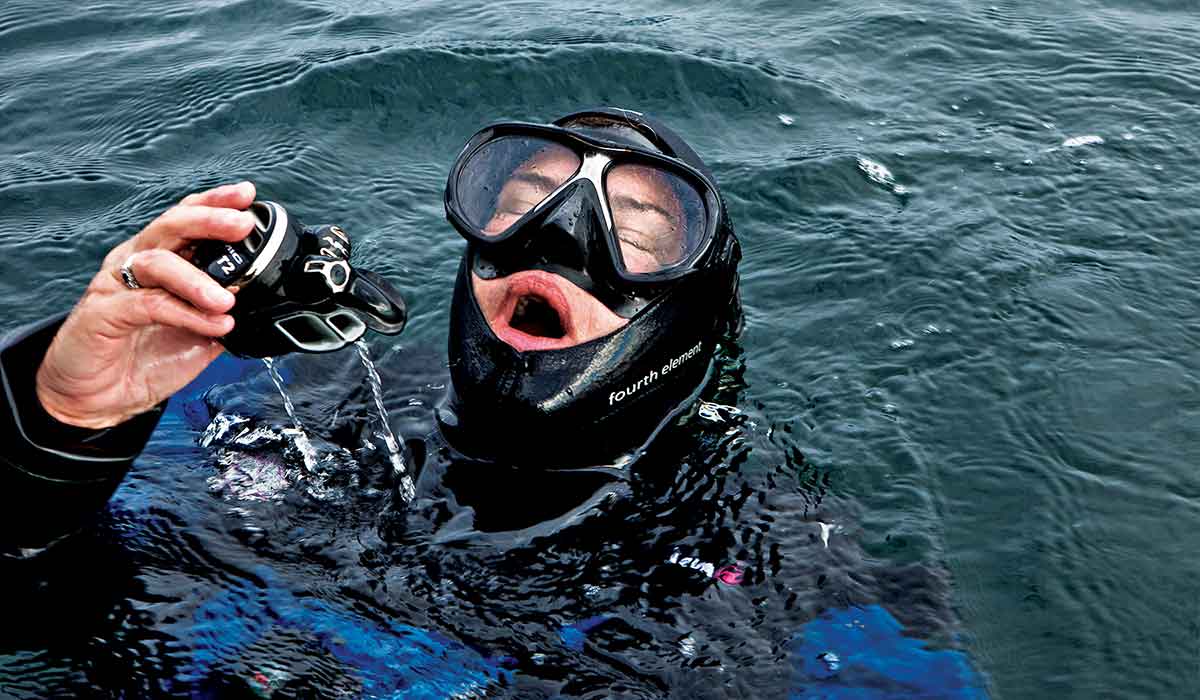
Immersion pulmonary edema (IPE) is observed in swimmers and divers with no apparent underlying medical condition. Pulmonary edema is an abnormal leakage of fluid from the bloodstream into the alveoli. Our experts answer your IPE questions.
Buoyancy control is imperative for optimal scuba diving safety. While the concepts are simple, masking proper buoyancy control can be difficult. Read more about buoyancy.
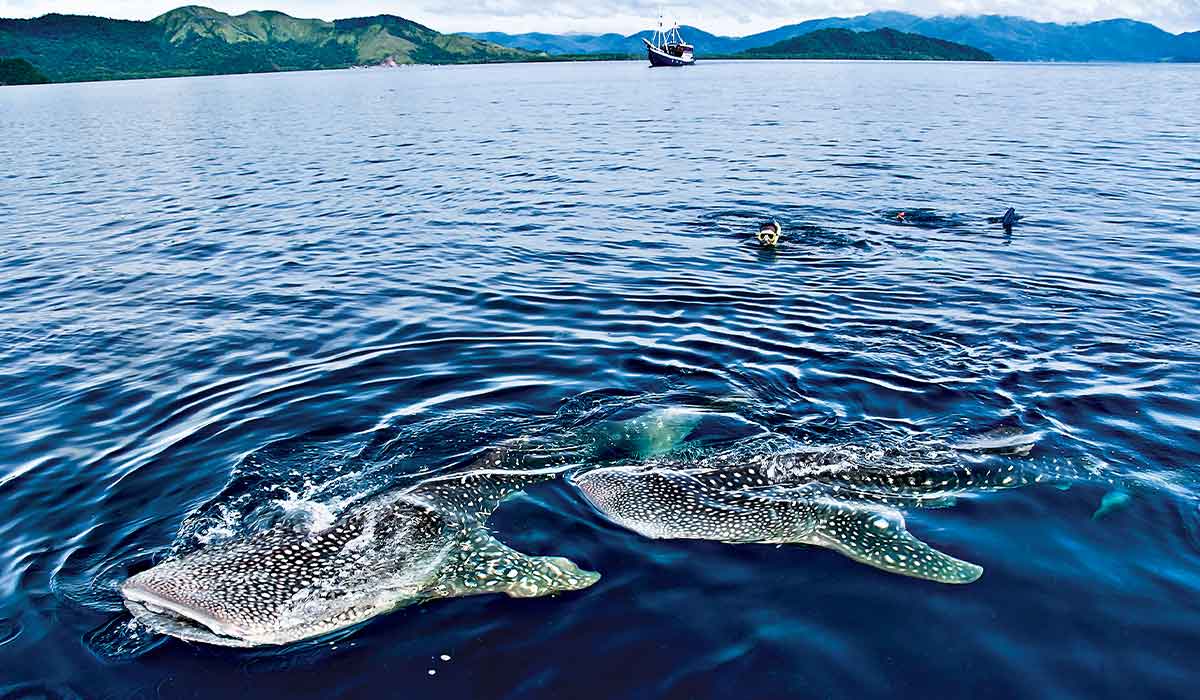
In a land where wildlife outnumbers human life, conservationists are working to find a way to allow access to a rare area of diversity without destroying it in the process. Read more.
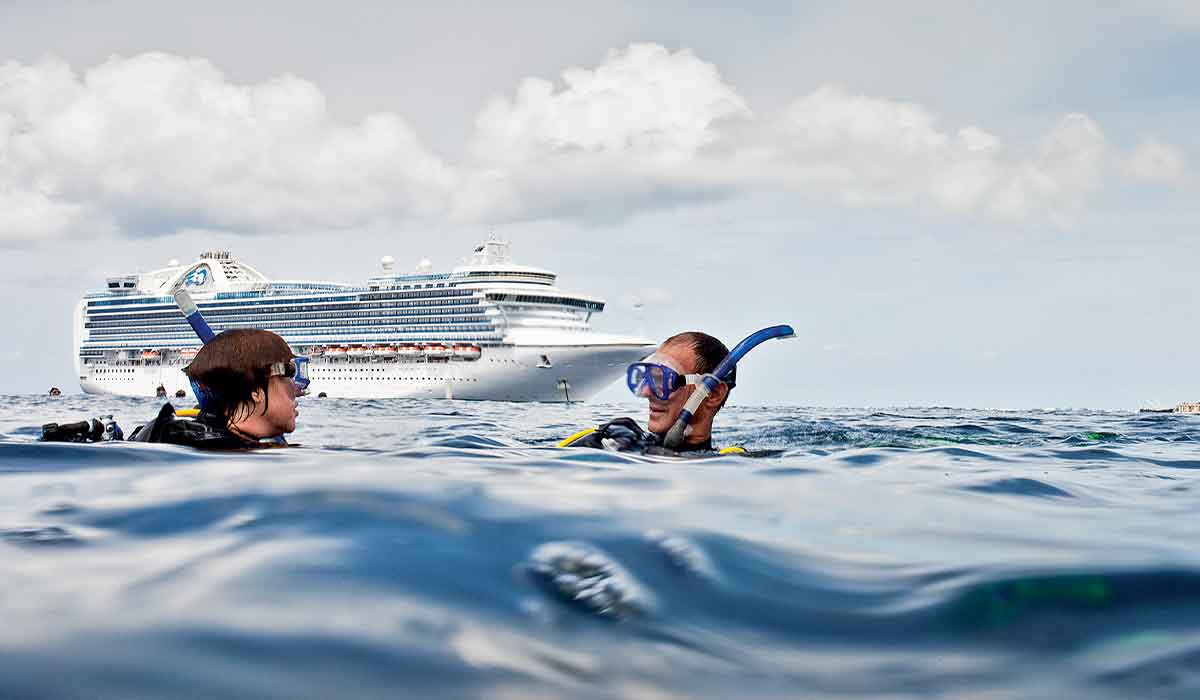
A vacation on a cruise ship, was littered with jellyfish run ins. But thanks to quick thinking, a DAN member’s training were vital in preventing serious injuries.
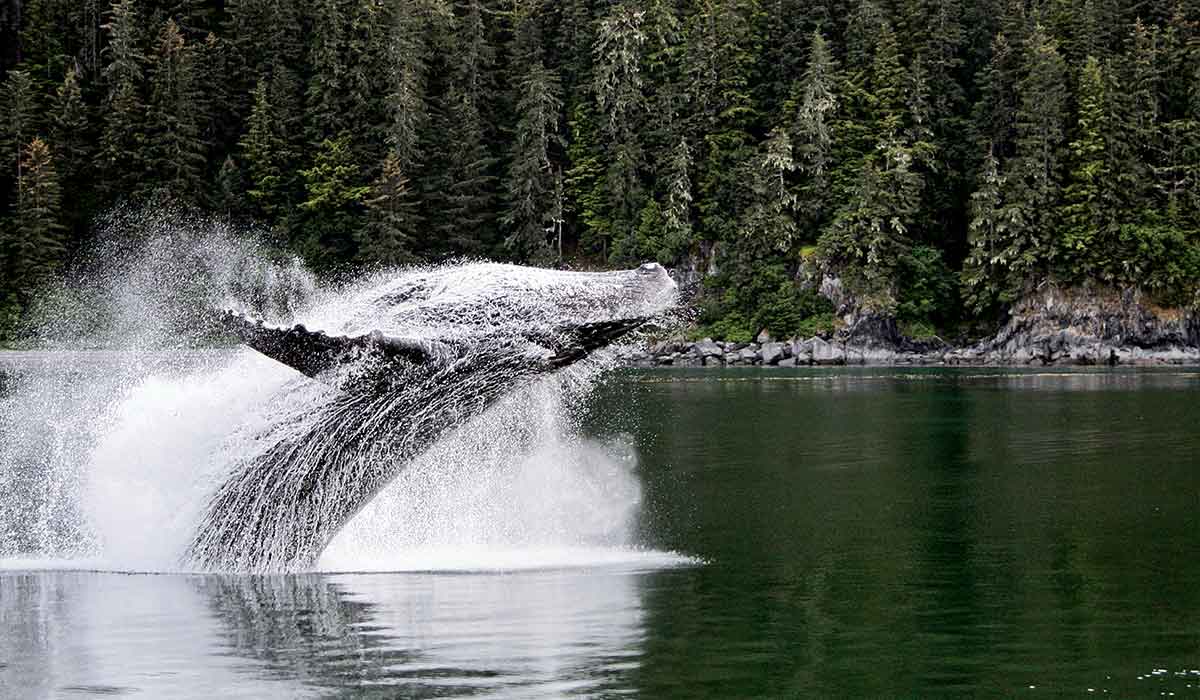
Alaska has wildlife above and below the water that capture the imaginations of travelers of all ages. However, a dive photographer specifically curated a trip to Alaska to ensure he could capture images of Alaska marine life at ideal times. Read more about diving in Alaska.
A female diver’s routine dives went south when she had trouble equalizing. Postdive, she had discomfort in the ears that eased, but never fully healed. Read more of her incident.
Bacteria is an elusive and often undefined threat, but what dangers does it pose to divers? Take a look at the different microbial threats to divers, and learn what you can do to reduce the risk of infection.
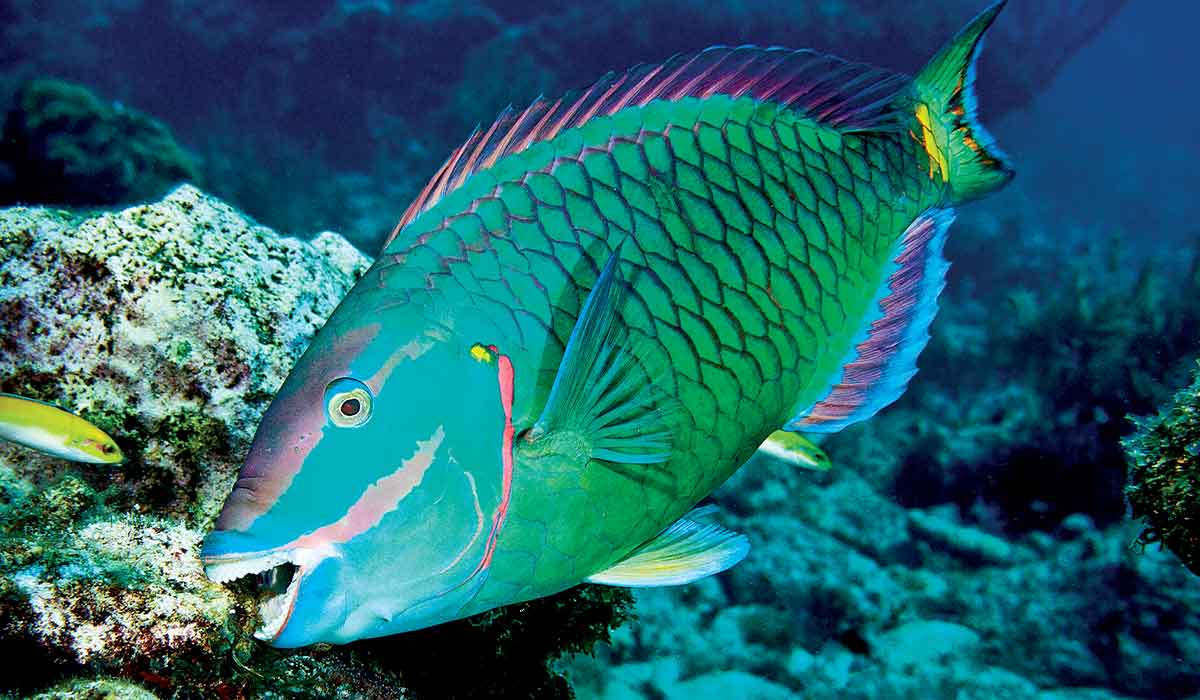
Many fish and other marine life are poisonous for either part or all of their lives. Toxins may be produced directly by the animal or concentrated within certain organs or tissues as it feeds on other poisonous sea life. Learn more about treating these injuries.
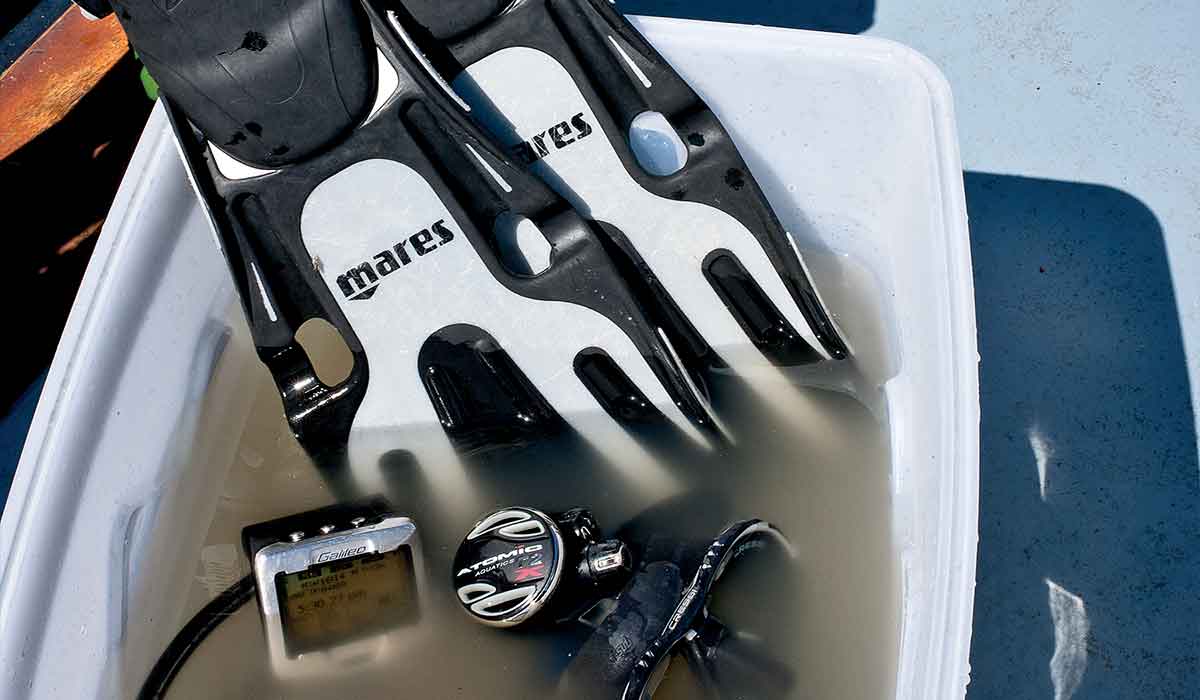
Proper gear disinfection practices are key to avoid bacterial infection. Gain a better understanding of these practices to ensure your next dive is a healthy one.
Burns are a very serious and distressing injury as they can be disfiguring and life threatening. Read more about first aid and prevention.