Facial Baroparesis

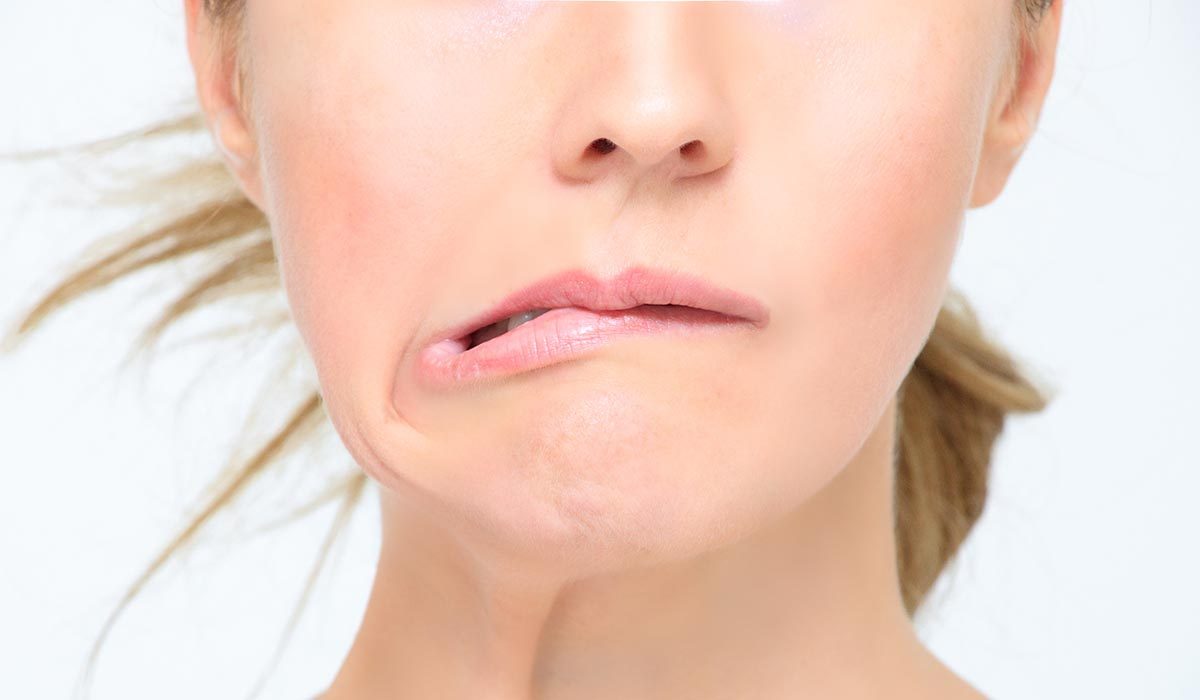
Facial baroparesis is a reversible paralysis of the facial nerve due to increased pressure in the middle ear while diving.

Mechanisms

The facial nerve is a cranial nerve that controls the muscles of the face. On its way from the muscle to the brain it passes through a channel in the wall of the middle-ear space. Barometric changes in that space normally have little or no effect on the nerve. However, in some people, the facial nerve canal is missing the bony wall that normally separates it from the middle-ear cavity. This “bone dehiscense” leaves the nerve exposed to the middle ear cavity, protected only by a thin membrane. If such a person were to experience overpressurization in their middle ear — equal to or greater than the capillary pressure — circulation to the facial nerve would stop. The facial nerve’s functionality would be impaired and facial muscles may become paralyzed (i.e., facial baroparesis). Fortunately, pressure in the middle ear generally returns to normal soon after the exposure, restoring the circulation to the nerve and re-enabling its normal functionality. Facial baroparesis tends to recur with repeated diving.

Manifestations

Symptoms include numbness, paresthesia, weakness and even paralysis of the face. Decreased sensation and facial droop may be noted, usually on one side of the face.

Facial baroparesis typically occurs soon after surfacing, as it results from a reverse block.

Management

Facial baroparesis is usually discovered postdive. Even when its duration is brief and it resolves spontaneously, the diver should be evaluated by a physician to exclude other possible causes such as stroke, infection, trauma or decompression sickness. In rare instances of protracted facial baroparesis, treatment may be necessary. There is experimental evidence that overpressurization lasting more than 3.5 hours may cause permanent damage. Divers who continue to experience facial numbness and drooping should see a physician as soon as possible (within three hours).

Fitness to Dive

This condition is usually self-limiting, resolving spontaneously within hours. Because it is caused by an anatomical variation, further exposure to diving (or other significant barometric changes such as flying or other ascent to elevation) can cause recurrence of symptoms. Returning to diving may be considered when symptoms have completely resolved and have been determined to be the result of facial nerve baroparesis rather than a stroke.

Prevention

Alternobaric Vertigo

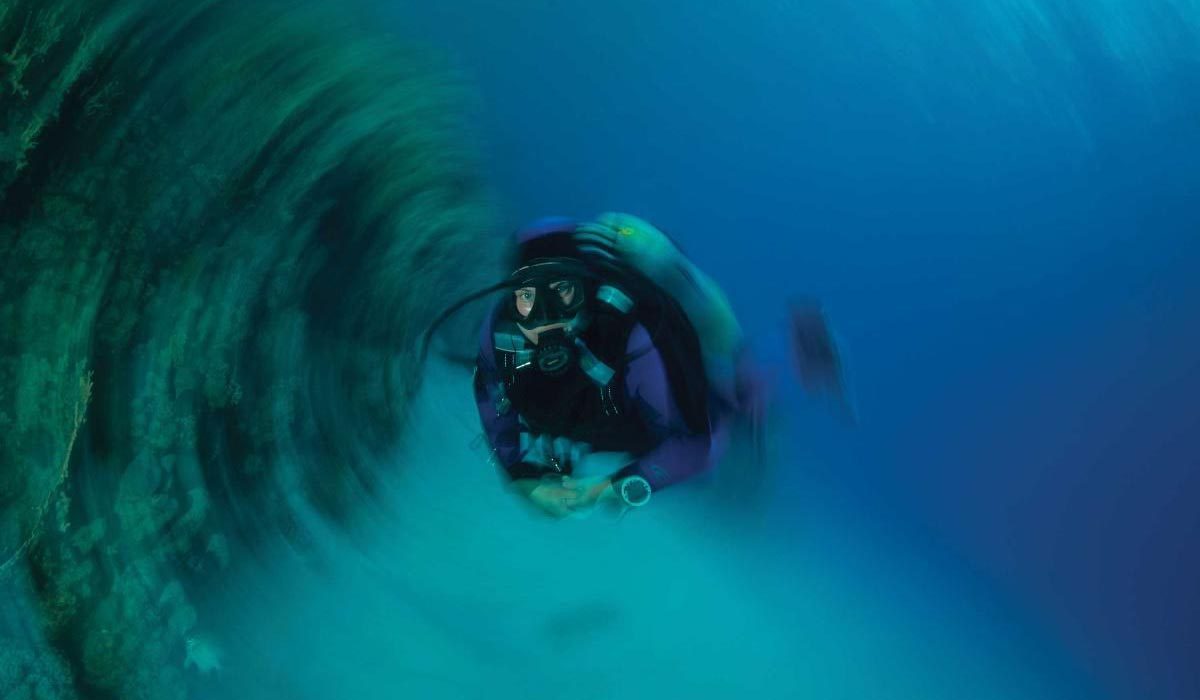
Alternobaric vertigo occurs during descent, ascent or immediately after surfacing from a dive and is caused by unequal pressure stimulation in each ear.

Mechanisms of Injury

During an ascent, the air in the middle-ear space expands, relative pressure increases, the Eustachian tubes open passively, and gas escapes through the Eustachian tubes into the nasopharynx. Occasionally a Eustachian tube may obstruct this flow of air. This obstruction causes increased pressure in the middle-ear cavity. If the obstruction is one-sided and the pressure difference is greater than about 2 feet (0.6 meters) of water, vertigo may occur as the pressure increase stimulates the vestibular apparatus. You can usually relieve it by ascending further. The increasing differential pressure in the middle-ear space forces the Eustachian tube to open and vent the excess air. Contributing factors include middle-ear barotrauma during descent, allergies, upper respiratory infections (congestion) and smoking.

Manifestations

The symptoms of alternobaric vertigo may include disorientation, nausea and vomiting. The disorienting effects of vertigo are extremely dangerous while diving. The inability to discern up from down or follow safe ascent procedures and the risks associated with vomiting pose a significant hazard to the diver as well as other divers in the water.

Prevention

  • Avoid unequal pressurization of the ear by avoiding tight-fitting wetsuit hoods or earplugs.
  • Maintain good ear hygiene.
  • Do not dive when congested or unable to equalize.
  • Learn and use proper equalization techniques.

Management

Dr. Carl Edmonds offers the following advice about how to manage alternobaric vertigo during a dive:

“If a diver encounters ear pain or vertigo during ascent, they should descend a little to minimize the pressure imbalance and attempt to open the Eustachian tube by holding the nose and swallowing (Toynbee or another equalization maneuver). If successful, this equalizes the middle ear by opening it up to the throat and relieves the distension in the affected middle ear.”

Occluding the external ear by pressing in the tragus (the small fold of cartilage in front of the ear canal) and suddenly pressing the enclosed water inward may occasionally force open the Eustachian tube. If this fails, then try any of the other techniques of equalization, and attempt a slow ascent.”

Uncomplicated cases resolve quickly within minutes upon surfacing. If symptoms persist, see your primary care physician or an ENT specialist. Do not dive if you have equalization problems. Associated injuries include middle-ear barotrauma and inner-ear barotrauma. Alternobaric vertigo may occur during descent or ascent but is commonly associated with middle-ear barotrauma during ascent (reverse squeeze). Other conditions, such as inner-ear decompression illness or caloric vertigo (when cold water suddenly enters one ear), should be ruled out.

Fitness to Dive

You can return to diving as soon as all symptoms and contributing factors have been resolved.

Dialysis and Diving

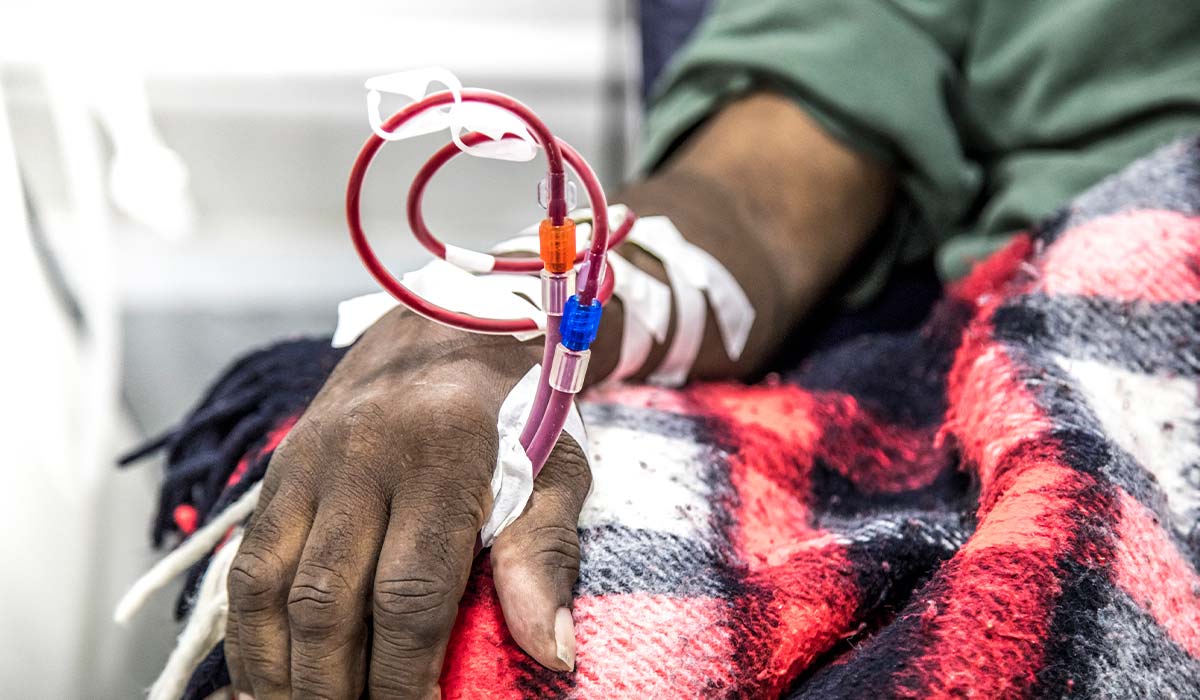
The right hand of a Black man is hooked up to tubes and is receiving dialysis. His lap is covered with a red plaid blanket

Overview

Dialysis is the common name for renal replacement therapy. This therapy is indicated when their kidneys suddenly stop working, or when there is a gradual decline in kidney function and people reach an end-stage renal disease (ESRD). Dialysis works through diffusion of solutes and ultrafiltration of blood through a series of semipermeable membranes. The therapy intends to take over the kidneys’ function, maintaining an adequate hydro-electrolyte balance and removing toxins and byproducts of metabolism. It can be a temporary measure while waiting for a kidney transplant or permanent when a transplant is not possible. But this technology cannot completely and effectively replace the kidneys, and patients undergoing dialysis often cope with a series of complications and side effects.

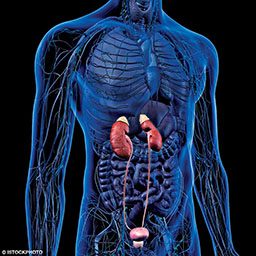
Diagram of kidneys

When a diver requires dialysis, they often ask their doctor about whether or not they can continue diving. This is answer is often not satisfactory enough, as diving physiology is often elusive for most doctors.

While each case is its own universe, below are some general concerns and considerations for people undergoing dialysis.

An individual’s medical and physical fitness to dive should always be addressed individually.

If you are currently seeking dialysis treatment, please take the time to share these general concerns and considerations with your doctor to make sure you can both make an informed decision on whether or not it is safe to continue scuba diving.

Overall Medical Fitness

Most people who end up with a stage of renal disease that requires dialysis are usually unable to meet many minimum requirements to mitigate the inherent risks of scuba diving. Patients with chronic kidney disease are usually on a number of medications, some of which may pose risks or contraindications to diving. The candidate should have no additional comorbidities that could increase the chances of a diving injury, or compromise the candidate’s health or safety.

Fluid Management

Patients on dialysis have a very delicate hydro-electrolyte balance. Diving causes some significant fluid shifts that impose a cardiovascular challenge. Under normal circumstances, these changes are usually well managed with a series of cardiovascular, pulmonary and renal responses. Unless you are diving in 100° F waters, immersion inevitably imposes a variable degree of heat loss. In an attempt to maintain our core temperature, the blood vessels in our skin undergo significant vasoconstriction. As a result, the volume of blood that usually flows through our skin is redirected to our core circulation. In addition, the increased hydrostatic pressure also mobilizes the extravascular fluid that normally pools in our lower extremities into central circulation. This fluid shifts from the skin, and lower extremities effectively increase the volume of circulating blood (hypervolemia) by up to 800 ml on an average-sized person. With the circulatory system being forced to deal with an excess of fluid, the cardiovascular system faces a challenge. Under normal circumstances, our body will manage this excess of fluid by increasing urine production, but a patient with chronic kidney disease will likely struggle to compensate via this method effectively. Failure to adequately manage this hypervolemic state could increase the risk of pulmonary edema and/or result in heart failure. Patients who can still produce urine should consider the cost of a forced and dramatically increased glomerular filtration.

Decompression Stress

Decompression stress is known to cause platelet and complement system activation. While this risk could be minimized by significantly limiting the overall exposure (depth, time, dive profile and ascent rates), it should still be considered a potential additional stressor.

Dialysis Access

Although hydrostatic pressure itself may not necessarily affect the dialysis access, consider the risk of any recreational physical activity disrupting the vascular access. Other considerations include a wetsuit being too tight on the access, which compromises flow and increases the risk of clotting. The effort in climbing up the ladder, combined the with the added weight of the water and BCD straps are also disruptors to vascular access. Consider also the risk of infections when exposed to natural unsanitized water.

Gas Narcosis

Elevated levels of byproducts of metabolism can cause a decreased level of alertness. This per se could be risky while diving. When added to the narcotic effect of gases like nitrogen and carbon dioxide, it is probably prudent to assume that the sum of all could have a synergic effect.

Exercise Tolerance

Anemia is commonly associated with renal failure. Hb levels should be normal to ensure the candidate can have adequate exercise tolerance and overall stamina, and normal blood pressure.

Access to Medical Care

Dialysis patients should take into consideration that diving usually takes place in areas where timely access to advanced medical intervention can not always be guaranteed.

Over-the-Counter Medications

By definition, over-the-counter (OTC) medications are the classification of drugs considered safe for consumer use based solely on their labeling. When used as directed, they present a minimum risk and a greater margin of safety than prescription drugs. They are typically used to treat illnesses that can be easily recognized by the user. Additionally, there are about 300,000 OTC medications currently on the market, far outnumbering the 65,000 prescription drugs.

The fact that these drugs are readily available carries with it a sometimes faulty assumption that all OTC medications are entirely safe, whether you’re topside or underwater. All medications are capable of producing side effects.

There is little research on the effects of drugs used in a hyperbaric environment, such as underwater. Diving while using most medications is a matter for you and your doctor to discuss before you dive.

OTC Categories

Three-fifths of the medications purchased in the U.S. are nonprescription over-the-counter medications. The most commonly encountered OTCs — and those of greatest concern for a sport or recreational diver — fall within the following categories:

  • Antihistamines
  • Decongestants and cough suppressants
  • Anti-inflammatory agents
  • Analgesics
  • Motion sickness medication

Underlying Condition

A diver considering the use of any medication should first consider the underlying need or reason to take the drug. Does it disqualify you from diving, or does it compromise your general safety and that of other divers?

For example, if you need decongestants to equalize your ears and sinuses, you have an increased risk of serious injury from barotrauma. A seasick diver, medicated or not, may experience in-water disorientation, vomiting, loss of buoyancy control, and embolism as a result of breath-holding or violent diaphragm movement.

No drug is completely safe, regardless of the environment. Drugs are chemicals that alter body functions through their therapeutic action. Any medication could have undesirable effects that vary by the individual or with the environment, with sometimes unpredictable results.

Medication Classes

Antihistamines

Antihistamines can provide relief of the symptoms of allergies, colds and motion sickness. The active ingredients include diphenhydramine hydrochloride, triprolidine hydrochloride and chlorpheniramine maleate.

In therapeutic doses, side effects may include dryness of the mouth, nose and throat, visual disturbances, drowsiness, sedation or depression. These factors can, together or separately, can affect the safety of a dive. Antihistamines can also depress the central nervous system (CNS) and impair a diver’s ability to think clearly and react appropriately.

Decongestants

These drugs cause narrowing of the blood vessels, which often gives a temporary improvement of the nasal airways. Common active ingredients include pseudoephedrine hydrochloride and phenylpropanolamine hydrochloride. Decongestants may cause mild CNS stimulation and side effects such as nervousness, excitability, restlessness, dizziness, weakness and a forceful or rapid heartbeat.

Medications that stimulate the central nervous system may have a significant effect on a diver. Divers with diabetes, asthma or cardiovascular disease may need to avoid using these drugs and should consult with a doctor before using them while diving.

Analgesics & Anti-Inflammatory Drugs

These medications can temporarily relieve minor aches and pains. Active ingredients include naproxen sodium and ibuprofen. Heartburn, nausea, abdominal pain, headache, dizziness and drowsiness are possible side effects. If you have heartburn, gastric ulcers, bleeding problems or asthma, your doctor may discourage you from using these medications.

Remember that even though you may be pain-free, the underlying condition is still present. Limitations in range of movement because of the injury, swelling or pain can put you at risk of additional injury. These medications may mask mild pain due to decompression illness, which can cause you to delay seeking treatment.

With analgesics or anti-inflammatory drugs, one of the most significant considerations is potential adverse drug interactions with anticoagulants, insulin and nonsteroidal anti-inflammatories (NSAIDs).

Motion Sickness Medication

Guidelines regularly prohibit the use of these medications before consulting a physician. Recreational divers should use these medications with caution.

These medications may contain meclizine hydrochloride, dimenhydrinate, diphenhydramine hydrochloride and cyclizine. Common side effects are drowsiness and fatigue, which may impair your ability to perform activities requiring mental alertness or physical coordination.

Medication Under Pressure

Any medication that affects the CNS, such as antihistamines, decongestants or motion sickness medications, has the potential to interact with increased partial pressures of nitrogen. The effects of the drug may increase your chance of nitrogen narcosis. Nitrogen may enhance the sedative or stimulant quality of the drug.

Because of the increased intensity of these effects, a new and unexpected reaction may cause a diver to panic. These side effects can vary from diver to diver, and even from day to day for the same diver. It’s impossible to predict who will have a reaction while diving.

Before You Dive

  • Many diving medicine doctors will advise that anyone who requires medication to dive should wait until the illness is over before diving rather than diving while using the medication.
  • Consult your physician when you are ill. Your doctor may be able to provide you with more effective medication and counsel you on fitness to dive.
  • Study all the information about your medication and understand the warnings, precautions and what effects it may have on your body. Starting the medication at least one or two days before diving may help you assess your reaction to the drug.

OTC Medications Reference

Antihistamines

Active Ingredients: diphenhydramine hydrochloride, triprolidine hydrolochloride, clemastine fumarate, brompheniramine maleate, chlorpheniramine maleate, pyrilamine maleate
Common Warnings: May cause drowsiness. Do not take this product if you are taking sedatives or tranquilizers, without first consulting your doctor. Use caution when driving a motor vehicle or operating machinery. May cause excitability, especially in children. Do not take this product, unless directed by a doctor, if you have high blood pressure, heart disease, diabetes, thyroid disease, glaucoma, a breathing problem such as emphysema or difficulty in urination due to enlargement of the prostate gland.

Decongestants

Active Ingredients: pseudoephedrine hydrochloride, phenylpropanolamine hydrochloride, phenylephrine hydrochloride, oxymetazoline hydrochloride, naphazoline hydrochloride
Common Warnings: Do not take this product if you have high blood pressure, heart disease, diabetes, thyroid disease or difficulty in urination due to enlargement of the prostate gland except under the advice and supervision of a physician. Do not take this product if you are presently taking a prescription antihypertensive or antidepressant drug containing a monoamine oxidase inhibitor, except under the advice and supervision of a physician.

Analgesics and Anti-Inflammatory Drugs

Active Ingredients: naproxen sodium, ibuprofen, acetaminophen, aspirin, ketoprofen
Common Warnings: Do not take this product if you have stomach problems (such as heartburn, upset stomach or stomach pain) that persists or recurs, or if you have ulcers or bleeding problems, unless directed by a doctor. if you are taking a prescription drug for anticoagulation (thinning of blood), diabetes, gout or arthritis unless directed by a doctor.

Motion Sickness Medications

Active Ingredients: meclizine hydrochloride, dimenhydrinate, diphenhydramine hydrochloride, cyclizine
Common Warnings: Do not take this product if you have asthma, glaucoma, emphysema, chronic pulmonary disease, shortness of breath, difficulty in breathing or difficulty in urination due to enlargement of the prostate gland, unless directed by a doctor. Use caution when driving a motor vehicle or operating machinery. Not for frequent or prolonged use except on advice of a doctor.
Cardiovascular Medications and Diving

Cardiovascular health plays a formidable part in the safety of any dive. Issues like high blood pressure, coronary heart disease, congenital heart disease, smoking and a family history of heart disease can all compromise cardiovascular health.

Both high blood pressure and heart disease have consistently been the most frequently reported chronic health conditions contributing to dive fatalities for many years. In the 2004 DAN Report on Decompression Illness, Diving Fatalities and Project Dive Exploration, more than 14 percent of the fatalities reported had a chronic history of high blood pressure and/or heart disease. Obesity, another factor reported in 55 percent of fatalities, is connected to heart disease and hypertension, with results linking to poor health and poor exercise tolerance. In combination with other contributing factors, poor cardiovascular health can increase the risk of a severe or fatal dive incident.

To decrease their odds of developing a serious health conditions and to keep the cardiovascular system in tip-top shape, divers can abstain from smoking, exercise regularly and eat a balanced diet. When a diver understands their risks, they are better able to make choices that can positively affect their diving and overall health.

Despite preventative measures, however, sometimes medications are needed to treat these conditions. While cardiovascular medications can help a person with a condition, they do influence someone’s ability to dive safety. Below are some common medications that are used to treat conditions like hypertension and high blood pressure, and possible implications in diving.

Beta Blockers

Commonly used to treat hypertension, beta blockers have a big drawback: They can reduce the heart’s capacity for exercise and therefore affect your exercise tolerance. In addition, if medication restricts the heart’s function during exercise, then there is an increased risk of loss of consciousness, which could prove fatal underwater.

Because of this effect on divers, doctors often recommend a stress test. Divers who use beta blockers and who can achieve a strenuous level of exercise without severe fatigue may be cleared for diving. Although diving does not usually represent the maximum workload on the heart, divers taking beta blockers should avoid extreme exercise because their maximum capacity for exercise may be reduced.

ACE Inhibitors

ACE (Angiotension-converting enzyme) inhibitors have less effect on exercise than beta blockers, so doctors prescribe them for people who exercise more often. Although ACE inhibitors seem to have fewer adverse effects on divers, they can produce a cough and airway swelling — both conditions can cause severe problems underwater. Most people can usually tolerate a mild cough on land, but if a cough due to the drug persists, many physicians will change medications.

Calcium Channel Blockers

Calcium channel blockers don’t typically pose problems for divers: they relax the walls of blood vessels, reducing blood flow resistance and thus lowering blood pressure. In some cases, especially in moderate doses, a change in position from sitting or lying down to standing may cause excessively low blood pressure and a subsequent momentary dizziness. This postural blood pressure change may be a cause for concern with divers, but calcium blockers appear to have no other adverse reaction for diving.

Diuretics

Diuretics reduce the amount of excess water and salt in the body, thus lowering the blood pressure. Divers seem to have very little trouble with diuretics, although in very warm environments, they may cause excessive water loss and dehydration. Because dehydration seems to be a contributing factor to the risk of decompression sickness, divers may want to reduce the dosage on the day of diving. Before changing dosages, however, check with your doctor.

Antiarrhythmics

Antiarrhythmics are designed to help maintain a stable heart rhythm. Some antiarrhythmics, when combined with exercise and a loss of potassium, could increase the risk of injuring the heart. Although these medicines normally do not interfere with diving, the dysrhythmia, or abnormal heart rate for which the medication is being taken, may be a contraindication to diving. Through consultation, a cardiologist and a dive medicine physician should evaluate anyone who has an abnormal heart rate and requires medication.

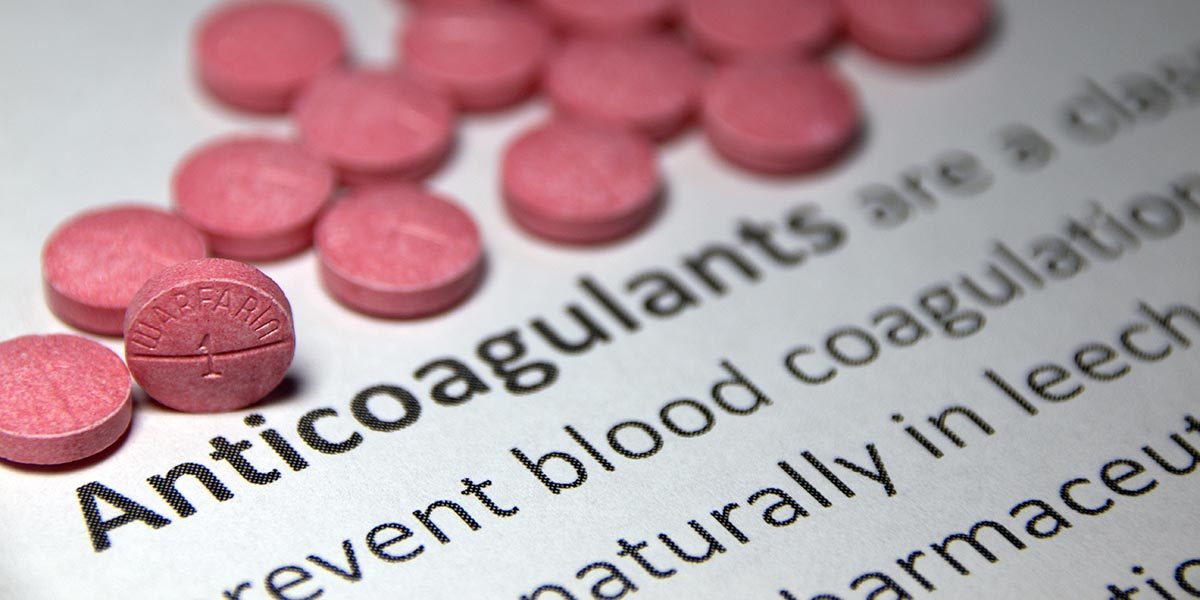
Anticoagulants

A diver who has been prescribed an anticoagulant (e.g., Coumadin® or Warfarin®) should be warned of the potential for bleeding: excessive bleeding can occur from even a seemingly benign ear or sinus barotrauma. There is a potential risk that, if decompression illness (DCI) occurs, it may then cause significant bleeding in the brain or spinal cord

Overall Implications in Diving

Cardiovascular disease can contribute to dive injuries as well as fatalities — both are preventable. With increased information about cardiovascular health and fitness, divers can make better choices and increase the opportunity that every dive will be accident- and injury-free. Read all you can about your medications and consult with your doctor.

Laurie Gowen

Oxygen Toxicity

Oxygen toxicity happens when our body’s protective systems are affected by increases in oxygen partial pressure. The tissue-protective mechanisms and biochemical reactions of our bodies are tuned to life in an atmosphere containing 21 percent oxygen, or 0.21 atmospheres absolute (ATA) oxygen partial pressure. Exposure limits are given as partial pressure over time. As the partial pressure gets higher, the recommended exposure time gets shorter.


Oxygen toxicity in the lungs (pulmonary oxygen toxicity) is like a bad case of the flu, but it will rarely cause permanent damage. The most common cause of lung oxygen toxicity is very long recompression treatments.


Oxygen toxicity of the brain, commonly referred to as central nervous system (CNS) oxygen toxicity, is more serious. It can occur during diving, and when it does, it can put a diver at serious risk. The following sections are about CNS oxygen toxicity.

Signs and Symptoms

  • Flashing lights in front of your eyes
  • Tunnel vision
  • Loud ringing or roaring in the ears (tinnitus)
  • Confusion
  • Lethargy
  • Nausea and vertigo
  • Numbness or tingling
  • Muscular twitching (especially lips)
  • Grand mal convulsion

Prevention

The safest practice is to pay attention to the partial pressure and the amount of exposure time. To lower your risk of CNS oxygen toxicity, consider the following recommendations.

  • The U.S. Navy uses 1.3 ATA as the maximum limit in its closed-circuit rebreathers. Very long exposures, however, may put the diver at risk for some lung toxicity symptoms.
  • The National Oceanic and Atmospheric Administration (NOAA) recommends a more conservative 180 minutes at 1.3 ATA for normal exposures and 240 minutes only for exceptional exposures.
  • The Professional Association of Diving Instructors (PADI) has proposed a limit of 1.4 ATA for open-circuit nitrox scuba diving. Because open-circuit scuba diving would not expose divers to this level continuously, it should be at least as safe as the Navy limit for continuous exposures.
  • Shallow exposure times in the 1.3 to 1.4 ATA range are mainly to avoid lung oxygen toxicity. The likelihood of CNS toxicity at these levels is very low and probably not much different over this range.
  • The Navy allows an exercising exposure at 1.7 ATA for up to four hours, but that assumes breathing 100 percent oxygen at 25 feet (7.6 meters) by trained combat swimmers. A depth excursion of only 5 feet (1.5 meters) puts a diver in a range where convulsions have occurred. Divers who tend to retain carbon dioxide during exercise may be at increased risk.
  • The NOAA limit for nitrox diving at 1.6 ATA is 45 minutes for normal diving and 120 minutes for exceptional exposure diving.
  • Breathing 100 percent oxygen during a decompression stop at 20 feet (6.1 meters) is a common practice. At this depth, the partial pressure will be about 1.6 ATA. Under resting conditions at that depth, the chance of CNS oxygen toxicity should be very low but is not absent.

Oxygen Partial Pressure Ranges

For open-circuit scuba, the “green light” region is any oxygen partial pressure of 1.4 ATA or less (about 82 feet or 25 meters on a 40 percent oxygen mix). If you don’t exceed this level, the other limitations of open-circuit scuba diving will limit your exposure time to lengths where CNS oxygen toxicity is unlikely.

Between 1.4 and 1.6 ATA (99 feet or 30 meters on a 40 percent mix) is the “yellow light” region. The possibility of oxygen toxicity at 1.6 ATA is low, but the margin of error is very slim compared to 1.4 ATA. Individual variation, an unplanned depth excursion that causes an increase in oxygen partial pressure, and the possibility of having to perform strenuous exercise in an emergency raise the possibility of oxygen toxicity to levels where you should exercise caution. Levels of 1.5 to 1.6 ATA should be only for conditions where you are entirely at rest, such as during decompression. The dive team must still prepare for the possibility of an oxygen convulsion at these levels.

Above 1.6 ATA is the “red light” area. Recreational divers should not exceed this level. Even mild exercise may put divers breathing high-density nitrox mixes at increased risk. Open-circuit scuba divers can achieve durations likely to get them into trouble at these levels. Diving using these high partial pressures of oxygen should be for trained professionals who can weigh the risks and benefits and have the necessary training and support structure in place if an oxygen convulsion occurs.

Responding to Oxygen Toxicity

Nonconvulsive Symptoms

Alert your dive buddy and make a controlled ascent to the surface. Inflate your life preserver if necessary. A buddy should watch closely for the progression of symptoms. While you are not at immediate risk of injury from these symptoms, you should change to a breathing gas with a lower oxygen partial pressure as soon as possible.

Underwater Convulsion

• Get behind the convulsing diver. Release their weight belt. If they are wearing a drysuit, leave the weight belt in place to prevent the diver from assuming a face-down position on the surface.
• Leave their mouthpiece in their mouth. If it is not, do not attempt to replace it. If you can, ensure that the mouthpiece is in the surface position.
• Grasp the diver around the chest above the underwater breathing apparatus (UBA) or between the UBA and the body. If you can’t gain control of the victim in this manner, use the best method possible to obtain control. Grasp the UBA waist or neck strap if necessary.
• Make a controlled ascent to the surface, maintaining a slight pressure on the diver’s chest to assist exhalation.
• If you need additional buoyancy, activate the diver’s life preserver. Do not release your weight belt or inflate your life preserver.
• Inflate the victim’s life preserver upon reaching the surface if you haven’t yet.
• Remove the diver’s mouthpiece after surfacing and switch the valve to surface position to prevent the possibility of the rig flooding, which could weigh them down.
• Signal for emergency pick-up.
• Tilt the diver’s head back to open their airway once the convulsion has subsided.
• Ensure they are breathing. A trained provider can initiate mouth-to-mouth breathing if necessary.
• Monitor the diver for signs of other decompression illness and respond appropriately.

Other Considerations

The main goal while the injured diver is in the water is to keep them from drowning. Next is to ensure that the airway is open after the convulsion stops by keeping the neck extended.

Look for foreign bodies in the trachea. A diver can bite off parts of the mouthpiece during a convulsion, which can find their way into the trachea and block the airway. In these cases, the injured diver will begin coughing as they return to consciousness or may try to breathe but not get any air into the lungs. A trained provider should respond to this foreign-body obstruction of the trachea.

Convulsions are rare, but the symptoms noted above do not always warn of an impending convulsion. The convulsion itself is not harmful. The danger is in the diver losing their mouthpiece underwater or banging their head while thrashing, which could result in trauma or drowning.

Additional Recommendations

• Be aware that oxygen toxicity is unpredictable. Divers have experienced convulsions at shallow depths under conditions where most experts would not have expected them to occur.
• Whenever you breathe a gas with an oxygen fraction above 21 percent, oxygen toxicity is a possibility. Ensure you have appropriate training. Always have a buddy visible. Make sure you and your buddy know what to do if oxygen toxicity occurs.
• Using equipment designed to compress high-oxygen mixtures can be hazardous and requires special training.
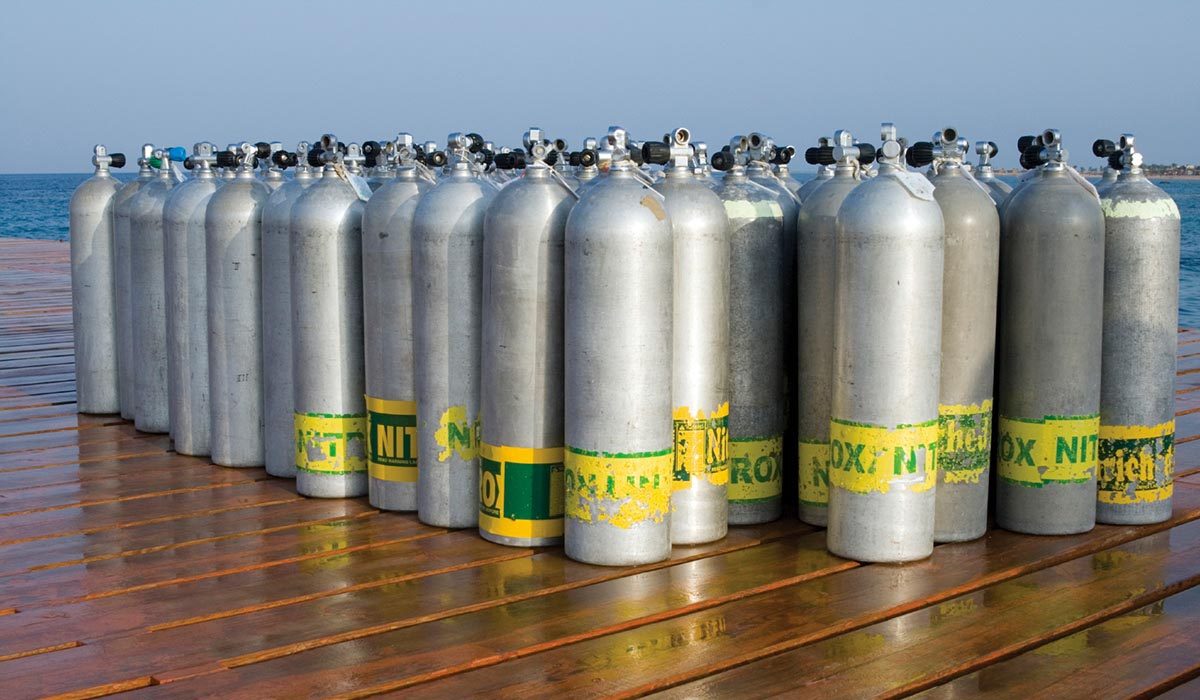
• What you get in your cylinder may not be what you expect. Make sure you have a method of analyzing the amount of oxygen in the tank independent of the filling station.
• Remember that rebreathers are intricate pieces of life-support gear. They require more care than a standard scuba regulator.
• Consider your risks when using nitrox. When an oxygen convulsion occurs, it’s almost always underwater, which makes responding more complicated and increases the risk of severe injury or death. Experience, good training and thorough knowledge of nitrox diving by everyone involved are essential.
• Remember that CNS oxygen toxicity symptoms are functions of both time and duration. They will not suddenly occur the moment you exceed a partial pressure threshold — it takes time. As the inspired oxygen partial pressure increases, the exposure time decreases.

Ed Thalmann, M.D.

Headaches and Diving

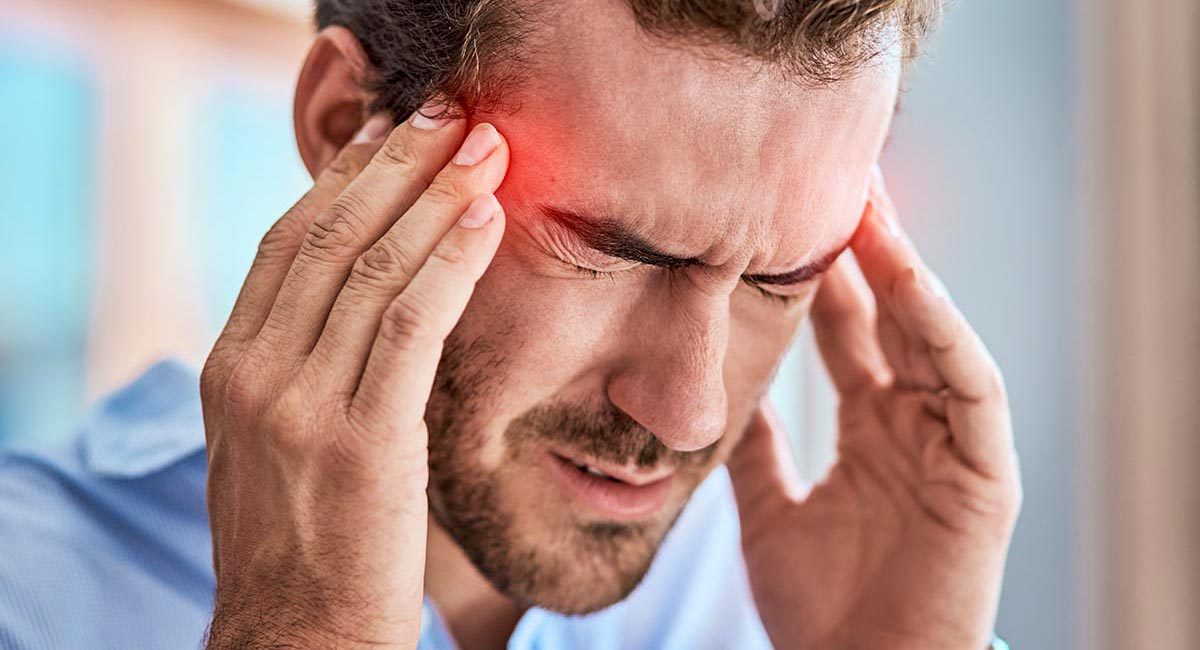
Many divers have experienced a headache after a dive with it eventually clearing and no lasting side effects. But when headaches are a recurring issue for divers, that’s when it becomes concerning. To help alleviate the pain and discomfort associated with constant headaches, it’s important to try and figure out a potential cause.

One way to find the cause of a headache is to run through a checklist of possible causes and eliminate them one by one. While not an exhaustive list, possible sources may include:

Five Questions to Ask

The origins of headaches are truly diverse. However, important clues can usually be found in the history taken from someone who develops headaches regularly. These five key questions may provide an answer to the causes of headaches:

1. Have you had previous head or neck problems, injuries or regular headaches, even when not diving?

Divers who develop headaches regularly above water are also very likely to get them underwater. Such headaches, especially if they are associated with symptoms of nausea, vomiting, abnormal sensations, vision, abnormal smell or even paralysis, may be serious and require assessment by a specialist neurologist.Migraine, a relative contraindication to scuba diving, requires expert assessment. Headaches may also result from tension, large caffeine intake and menstrual changes, among other reasons. A bad-fitting mouthpiece can also cause headache: Some regulators are quite heavy in the water and require a constant “bite” to stay in place. Swapping regulators or trying different mouthpieces may spell the end of a continuous string of headaches. In the end, it is always better to own your own equipment once you have found what works for you. Divers with previous neck or upper back problems or injuries are very prone to develop headaches underwater or even as a result of a bumpy boat trip. The underlying bony problems lead to muscle spasms, which in turn cause the headache. A medical specialist such as an orthopedic surgeon should assess these problems. Physiotherapy and muscle strengthening exercises are often of value. Some report improvement after visiting a chiropractor. Back surgery is usually a last resort.

2. What is the position of your tank on your back?

Is the diver constantly avoiding the pillar valve by bending the part of the neck closest to the shoulders downwards, and then having to hyperextend the part closest to the skull to curl around the valve? As odd as this may sound, it is a very common cause of headache in divers. The solution is to ensure that the neck, when extended normally, does not bring the head against the pillar valve by simply adjusting the position of the cylinder as needed.

3. Where is the pain, and what does the pain feel like?

Pain related to neck problems is usually a persisting non-throbbing pain that gradually spreads from the back of the head to the temples. Sinus pain is usually over the forehead or cheekbones or sometimes behind the eyes or on top of the head. Ear pain is mostly quite obvious, but it is always worth asking whether ear equalizing was easy and effective during a dive.

4. What is your surface air consumption?

Many divers boast about low air consumption or try to artificially reduce their air consumption by skip breathing. The truth of the matter is that removing carbon dioxide from the lungs is very analogous to rinsing dye out of a carpet. The bigger the spill (in our comparison, this would be the amount of exercise which produces more carbon dioxide) and the bigger the carpet (in our example, the size of the person’s lungs), the more water you would need to rinse it clean — that is, the more air you will require to wash the carbon dioxide out. Larger lungs require larger breaths and consequently an increase in air consumption. That is why female divers typically have better air consumption than males. The only way to effectively reduce breathing requirements without building up carbon dioxide is to reduce underwater exercise, ensure adequate thermal protection and to relax; take slow deep breaths (better gas exchange — good rinsing) rather than shallow ones. A healthy breathing pattern is the key to solving many headaches.

5. What was the dive profile?

Long or deep dives, rapid ascents, breath-holding and panic ascents followed by headache all raise the suspicion of DCI as a possible cause. Although fortunately uncommon, DCI is a cause that would require immediate treatment. Abnormal symptoms following any exposure to compressed air should always prompt a suspicion of DCI.

Possible Solutions

Some quick-fix solutions that may be useful include:

  • Loosen your mask strap to avoid pressure on the nose, forehead or cheekbones. If necessary, change your mask to a more comfortable one.
  • Relax during your dives. After all, you are on holiday.
  • Take slow deep breaths. These relax you and provide a more efficient way of removing carbon dioxide.
  • Relax your neck during dives. Even though it spoils your trim momentarily, rotating the body rather than the head to look at objects underwater may avoid the strain and the discomfort of hyperextending the neck.
  • Stay in shape. Exercise reduces the incidence of headaches.
  • Avoid caffeine and tobacco with diving.
  • Always follow safe diving practices. Spend three to five minutes at a safety stop at 3-5 meters (10-15 fsw) below the surface. It is relaxing (weather and conditions permitting) and allows time to reduce the carbon dioxide built up from finning to the surface.
  • Wear adequate thermal protection.
  • Go for regular dive medical examinations, at least every two years for those younger than 40, and annually for those older than 40.

Headaches can spoil a dive trip or vacation and detract from the wonderful underwater experience. Fortunately, once the cause has been determined, many headaches are simple to cure. Those who experience frequent, severely incapacitating or chronic headaches may require an intensive evaluation by a physician to determine the underlying problem.

Remember, it is always better to go for a check-up unless the headache is trivial or can be explained.

Frans Cronje, M.D.

Pregnancy and Diving

Should a pregnant woman scuba dive?

Whether expectant women should dive is a question that affects not only female divers but also their partners, dive buddies and dive professionals. Most divers can recall from their open water training that women are encouraged to stop diving during pregnancy, but few classes go into further detail. What are the risks of diving while pregnant? What is it about scuba diving that is dangerous for a developing fetus? The published literature provides a foundation for the discussion.

As with all research, there are limitations on how much the available studies can tell us. For ethical reasons, experiments with pregnant women are very limited. Most studies conducted with humans are surveys, and surveys have weaknesses, most importantly that they are not as easily controlled as laboratory research and that they can easily be biased. A survey of female divers who had recently given birth included 69 women who had not dived during their pregnancies and 109 women who had. The nondiving women reported no birth defects, while the diving women reported an incidence of 5.5 percent. To provide perspective, the survey author stated that the latter rate was within the normal range for the national population. The small sample size and the likelihood of selection bias in those responding to the survey make the results even more difficult to interpret. While surveys can establish correlations, they cannot confirm causal relationships. In this case, they cannot confirm that diving caused a defect. To obtain such data, scientists rely on more highly controlled animal studies.

Diving in Chambers

Hyperbaric chambers, which can simulate the increased pressure of diving, have been used to test different species of animals. Those results must then be translated to the human experience.

Many complex processes occur during pregnancy, and insults (disruptions of normal events) can lead to varied complications. Most diving-related studies have addressed the first and third trimesters of pregnancy. First trimester research has concentrated on the teratogenic, or birth-defect-causing, effects of hyperbaric oxygen (HBO). Third trimester research has examined the effects of decompression sickness (DCS) on the fetus and how diving and the fetal circulatory system interact.

A range of developmental abnormalities have been associated with hyperbaric exposure. These include low birth weights among the offspring of diving mothers; fetal abortion; bubbles in the amniotic fluid; premature delivery; abnormal skull development; malformed limbs; abnormal development of the heart; changes in the fetal circulation; limb weakness associated with decompression sickness; and blindness.

We expose ourselves to hyperbaric oxygen — that is, oxygen concentrated by pressure — during almost all dives. A safe limit for the partial pressure of oxygen (PO2) is frequently accepted as 1.4 to 1.6 atmospheres of absolute pressure (ATA) 19.

Rodents, which have large litters and relatively short gestational periods, have been used to study the effects of HBO on developing fetuses. Female hamsters experiencing untreated DCS had offspring with severe limb and skull abnormalities.15,16 Pregnant hamsters experiencing HBO-treated decompression sickness also bore offspring with defects, though with less frequency than the untreated group. Neither study reported noticeable differences in anatomical development between offspring from the nondiving control group and the group that dived without developing signs of DCS.

Fetal rat hearts have proven sensitive to multi-hour HBO exposure (3.0 ATA for eight hours), albeit of a magnitude in excess of what humans could tolerate. In almost half the cases, the septum, which divides the right and left sides of the heart, failed to form properly. Major blood vessels were positioned incorrectly just as often, compromising normal circulatory patterns.

Another study of HBO-exposed rats found no significant differences between offspring from mothers that had dived and offspring from mothers that had not dived. The PO2 in this study (1.3 ATA for 70 minutes) was significantly less than that used in the previous study. The treatment difference may explain the dissimilar results.

It appears that hyperbaric exposure can alter the signals fetal tissues rely on to correctly orchestrate developmental processes. The nature of the abnormality is influenced by the timing of the insult. It is important to note, however, that exposure will not affect development in all instances.

Decompression Stress

The relative risk of decompression stress on mother and fetus is another question for consideration. Given sufficient decompression stress, blood returning to the heart from the body may contain venous gas emboli (VGE or bubbles). Sheep have been studied frequently because of the similarity between sheep- and human placentae. Fetal sheep whose mothers underwent decompression dives (following U.S. Navy dive tables) sometimes formed bubbles even when the mothers showed no signs of DCS.

When the ewes did develop signs of DCS, the fetuses demonstrated even more dramatic evidence of affliction. Researchers reported being able to tell that a fetus had bubbles by detecting early cardiac arrhythmias. For the fetus, these abnormal heartbeats could be lifethreatening. The offspring of some sheep that were dived late in pregnancy showed limb weakness and spinal defects associated with DCS, even when the mother had remained symptom-free.

Scientists have long known that so-called “silent bubbles” — those not associated with symptoms — can develop after diving (Note: Dr. Albert Behnke, a pioneer in modern diving medicine and physiology research, is credited for coining this term.) Fully functional lungs are extremely effective in filtering bubbles from the circulation. In the fetus, however, most blood bypasses the lungs (via the foramen ovale and ductus arteriosus shunts), and gas exchange occurs through the placenta. Thus, pulmonary filtration of bubbles does not occur within the fetus. This may increase the risk of arterial gas embolism (AGE), with potentially devastating consequences.

Fetal circulation requires further consideration. During a series of dives that exposed ewes to 100 percent oxygen at 3.0 ATA for approximately 50 minutes, researchers noticed that the circulatory shunts began to close while at depth. Flow through the foramen ovale dropped by 50 percent, and the ductus arteriosus flow fell to zero or even reversed direction2.

Once the dives were completed, the circulation reverted to its usual form, and the researchers did not notice any negative effects from the temporary change. Whether the fetus suffered consequences that were not obvious to the researchers was unclear.

The animal study data can be compared with human experience. Premature closure of the ductus arteriosus during human pregnancy has been associated with congestive heart failure and neonatal death. Such closure can unintentionally be induced by prolonged use of indomethacin, a drug commonly used to halt premature labor. Whether scuba diving could induce problematic closure is uncertain, but the possibility should be considered.

Practical Considerations

In addition to possible risk to the fetus, changes in a woman’s body during pregnancy might make diving more problematic. Swelling of the mucous membranes in the sinuses could make ear clearing difficult, and nausea may increase discomfort.

The physical aspects must also be appreciated. A woman’s growing abdomen could pose a problem in fitting suits, buoyancy compensation devices, weight belts and other equipment. In addition to the hazards inherent in poorly fitted gear, diving simply may not be enjoyable.

Decisions

Sifting through the published literature reveals why there is debate over the topic. Data are limited and, in many cases, apparently inconsistent. While this makes drawing conclusions more difficult, it should not be surprising.

Science is very rarely as clear-cut as might be desired. It is difficult to design an ethical experiment that tests only the variable of interest and controls for all others. It is the researcher’s job to design the best experiments possible, and it is the individual’s or advocate’s responsibility to examine the results and decide how to best respond to them.

Anyone who inadvertently dives while pregnant, however, may take solace in the anecdotal evidence from women reporting repeated diving during pregnancy without complication. There is certainly insufficient evidence to warrant termination of a pregnancy. Moreover, if emergency hyperbaric oxygen is required during pregnancy, for example to treat carbon monoxide poisoning, the evidence suggests that the risk to the fetus with treatment is lower than without.

The overall picture of the literature indicates that, while the effect may be small, diving during pregnancy does increase the risk to the fetus, and the consequences could be devastating to all involved. Appreciating these essential factors, the prudent course is to avoid diving while pregnant. While it is possible that some diving could be completed without impact, the absolute risk of any given exposure cannot be determined from the available data. Given the ethical challenges of research on diving during pregnancy and the fact that diving represents a completely avoidable risk for most women, it is unlikely that studies will be conducted to establish the absolute risk in the foreseeable future.

Heather E. Held, B.S. and Neal W. Pollock, Ph.D.

Noninvasive Plastic Surgery

Noninvasive plastic surgeries include Botox injections, chemical peels, collagen injections and others. These are outpatient procedures that could be done in a doctor’s office, completed in a short amount of time and do not require extensive recovery times. Someone would elect to do one of these noninvasive procedures for many reasons. However, it’s important that anyone considering any procedure understand what is involved, what the procedure accomplishes and potential risks. For divers, it’s important to know how a noninvasive plastic surgery procedure could impact future diving. Divers may need to practice prolonged wait times between completion of the procedure and the return to diving to ensure proper healing.

This is a summary of several noninvasive plastic surgery procedures. Besides the risks given for each, other potential complications include bleeding, reaction to the anesthetic and/or infection. Patients should follow their doctor’s instructions to minimize these risks.

Botox Injections

Goal of Procedure: Botox injections are often used on wrinkles that result from repeated facial expressions where the muscles contract, generally the upper third of the face — horizontal forehead furrows and wrinkles in the corner of the eyes (“crow’s feet”). It is less effective on wrinkles caused by gravity or age. Results often appear within two days but are temporary.

What It Involves: Botox is a botulinum toxin type A, derived from a naturally occurring bacterium. The bacterium can be harmful in larger doses. For Botox, the botulinum is extremely diluted, purified and sterilized. It is safe in small doses: only about 20 units are used for a typical cosmetic injection. It would take hundreds of thousands of units to harm a human.

Botox is injected directly into the muscle; this impedes the muscle’s ability to contract by blocking the transmission of nerve impulses to the muscles. If a muscle cannot tighten, a wrinkle cannot occur.

The injections usually are done in a doctor’s office. The patient contracts the muscle area to be treated to determine injection sites. Targeted injected areas may be numbed with an ice pack or a topical agent — no anesthesia is used. Finally, the doctor administers several tiny injections of Botox directly into the muscle. Botox affects only the injected areas.

Length of Procedure, Recovery Time and Possible Complications: The length of time the procedure takes depends on the number of injections. Most procedures don’t last longer than 30 minutes. Pain is generally brief and minor and caused by the needle prick of the injections.

Results generally last up to four months. Patients should wait at least three months between further treatments. It is likely that with repeated treatments, the injected muscles will atrophy, allowing patients to go longer and longer between sessions.

There is a chance of growing resistance to Botox with repeated injections. A person may develop antibodies that would decrease treatments’ effectiveness over time. Using the lowest dose possible and extending intervals between sessions can minimize this resistance.

Possible complications are infrequent, minor and temporary. Most common are headaches, respiratory infection, flu syndrome, temporary eyelid droop and nausea. Pain, redness and bruising at the injection site and muscle weakness are less common complications. These symptoms are thought to be associated with the injection and occur within the first week. Injections around the mouth can have more potential inconvenient effects, such as drooling. If there is an adverse effect or a mistake made, it is only temporary, as Botox does not stay in the body.

Botox injections should be avoided by pregnant women, women who are nursing in individuals younger than 18 years old.

Wait Time From Procedure Until Diving: This can range from no time up to one week. Some people have discomfort afterward; this prevents them from diving immediately following the procedure. For those who had lip lines treated, before diving ensure the mouth can grip a regulator and you can breathe comfortably from it.

Chemical Peels

Goal of Procedure: Chemical peels can be performed on the face, neck, chest, arms, hands and legs. Their usage promotes cell growth and produces smoother, clearer skin. Peels can also treat melasma (a condition where irregularly shaped patches of brown skin appear, usually on the face and neck) and pre-cancerous skin changes.

A chemical peel can restore a more youthful appearance to wrinkled or blotchy skin. However, a peel cannot reverse the aging process or completely remove deep scars. Loose and sagging skin may also require a face-lift, laser resurfacing or other procedures for best results.

What It Involves: There are three basic kinds of chemical peels, based on the solution applied to remove the outer layers of skin. In general, the stronger the chemical, the deeper it is, with more impressive the results. However, the deeper the peel, the greater the potential for discomfort and increased recovery time.

Light or “lunch hour” peels include glycolic, lactic and fruit acid or alphahydroxy acids (AHA) or salicylic acid or betahydroxy acids (BHA). They smooth out fine wrinkles and/or rough, dry or sun-damaged skin, balance out pigmentation and diminish some types of acne scars. For AHA and BHA lift peels, a doctor applies the solution, waits up to 15 minutes, and then removes it. After the procedure, no ointments or salves are needed on the treated area. Monthly or weekly repetition is common to achieve the desired results.

Medium peels use a trichloroacetic acid (TCA) solution. They generally treat skin with moderate sun damage, surface wrinkles and/or uneven tone or pigment abnormalities. The process is the same as with light peels. Sometimes two or more TCA peel treatments every one to two months are needed to achieve the desired results.

Deep peels involve phenol acid. They treat skin with coarse wrinkles, blotches or pre-cancerous growths. They can cause permanent lightening of the skin, so they are not recommended for most patients with very dark skin tones. Phenol peels are used only once and create dramatic results.

Length of Procedure, Recovery Time and Possible Complications: AHA, BHA and TCA peels are generally performed in the doctor’s office with no sedation or anesthesia; their solutions alone have a numbing effect on the skin. However, most people feel a brief burning sensation when the solution is applied, then numbness or a stinging sensation follows during the treatment. Oral or liquid anesthesia may be given for high-concentration TCA peels before the solution is applied. For these peels, the doctor may vary the concentration of the solution or length of treatment time beyond the usual 15 minutes.

Full-face phenol peels take approximately one to two hours, but small-area phenol peels (such as on the upper lip) may take about 10 to 15 minutes. Generally outpatient procedures with anesthesia, they are performed in the doctor’s office or in a surgical center. While AHA, BHA and TCA peels are uncomfortable only during treatment, phenol peels may cause discomfort after the procedure.

AHA and BHA peels generally cause some flaking, redness and dryness or irritation; these effects diminish over time. Once the body heals itself naturally, the outer layer of skin will fall away. Usually, patients can resume normal activities the day after this peel.

Depending on the strength of the solution used, TCA peels may cause significant swelling. Swelling should diminish after the first week. The skin will heal sufficiently for someone to resume normal activities in approximately seven to 10 days. After TCA peels, some patients have outbreaks of small whiteheads (milia) in obstructed facial glands. Generally, these disappear with washing, but in some cases a doctor will need to remove them.

Since their eyes often swell shut, patients undergoing phenol peels need someone to drive them home. A petroleum jelly or waterproof adhesive dressing may be applied to the treated area and left there for one to two days. The patient then should cover the area with antiseptic powder several times a day. A scab will form first, then within seven to 10 days, new skin will form. While the skin will be red at first, the color will lighten over a few weeks to a few months. The doctor may prescribe a mild pain medication to relieve any discomfort.

A doctor may recommend that a patient not smoke at least a week after a peel. Smoking decreases circulation of the blood in the skin; this can slow the recovery.

Wait Time From Procedure Until Diving: For a light peel, allow for one week recovery and wear a sunscreen with at least SPF 30 or higher. For both the medium peel and phenol peel, he suggests a minimum of three months recovery and the application of sunblock.

Collagen Injections

Goal of Procedure: Collagen is a naturally occurring protein that provides support to the skin, joints, bones and ligaments in a person’s body. When someone seeks collagen injections, they want to create a younger facial appearance without surgery. The collagen used in injections is derived from proteins from cows; it offers less chance of complications and gives a more natural look.

Injected collagen primarily fills wrinkles, lines and scars on the face and sometimes the neck, back and chest to restore youthful looks. It is produced in various thicknesses to meet individual needs. Collagen treatments cannot correct severe facial surface wrinkles, however. A month prior to any injection, a skin treatment needs to be performed on potential patients to determine if they are allergic to the substance.

What It Involves: Collagen is injected using a fine needle at several points along the edge of the treatment site. Since part of the collagen substance is salt water that will be absorbed by the body within a few days, the doctor usually slightly overfills the treated area.

The patient may experience some minor stinging or burning as the injections are administered, but there is minimal pain involved otherwise, since the anesthetic agent lidocaine is mixed with collagen. The patient can have a topical cream anesthetic or a freon spray to numb the treated area and further minimize the pain.

Length of Procedure, Recovery Time and Possible Complications: The procedure takes a few minutes to an hour to perform, depending on the number of areas treated. Collagen injections are usually administered in a doctor’s office.

Most patients return to normal activities immediately after treatment. Some minor discomfort will occur. Some patients experience redness and temporary swelling in the injected site. The redness usually disappears in a day, the swelling within a few days.

The duration of the results depends upon the location of the treated area and how the individual’s body reacts to the newly introduced collagen. For some it lasts six months, others more than a year. Repeated injections are needed to maintain results.

Complications are very rare but include abscesses, open sores, skin peeling, scarring and lumpiness in the treated area.

Wait Time From Procedure Until Diving: There are no restrictions.

Laser Hair Removal

Goal of Procedure: Someone elects for laser hair removal to eliminate excess body hair and hair production permanently via a laser. Differences in metabolism, hormonal level, hair quality and number of hair follicles can affect the outcome. There are three phases of hair growth — anagen (growing), telogen (resting) and catagen (transitional) — and the laser’s energy works best during the anagen phase. At any time, various percentages of body hair will be in one of the phases, making complete removal unlikely without multiple sessions.

What It Involves: For some laser hair treatments, doctors employ test patches to see if the potential patient’s hair will respond favorably to the laser. Patients with dark skin may be asked to use a bleaching cream on the area to be treated — this helps concentrate the laser’s energy on the hair follicle rather than on the skin.

The area to be treated is shaved and has an anesthetic cream applied to minimize discomfort. During the treatment, patients experience discomfort or burning and stinging sensations — the patient feels intense emissions of light on the skin as the laser is absorbed by the hair follicles. Each pulse of the laser lasts a fraction of a second and treats an area of approximately an inch. Many lasers have cooling systems to decrease skin temperature, providing an additional mild anesthetic and preventing burns from the heat generated by the laser.

Length of Procedure, Recovery Time and Possible Complications: Treatment times vary considerably depending on the size of the area treated. A small area such as the upper lip may take only five minutes; a larger area like the back or legs may take up to one hour. The treatment is usually performed in a doctor’s office.

Following the procedure, the area may be red or swollen. Some doctors prescribe a topical cream to soothe the skin. The skin should be cleaned with mild soap and water, not with products, such as astringents that may irritate the skin. Occasionally, the skin in the treated area becomes slightly crusty; this reaction should fade within a few days. Patients with dark complexions may have a temporary lightening of the skin in the treated area.

Within 10 days after treatment, damaged hair may fall out in the area and look mistakenly like hair growing back. Patients can shave these hairs if desired but should not wax, tweeze or bleach them between sessions. Sessions should occur at least a month apart, when patients usually notice the regrowth of hairs that were previously in the telogen phase.

Despite usually needing multiple treatments, most patients are satisfied with laser hair removal. In some cases complete hair removal is never achieved. Nonetheless, there should be fewer hairs in the treated area than if it had not been treated.

Wait Time From Procedure Until Diving: There are no restrictions on diving or other activities, but applying a sunscreen with an SPF of at least 30 on the treated area is recommended.

Laser Skin Resurfacing

Goal of Procedure: Laser skin resurfacing helps minimize fine lines as they begin to occur, particularly those around the mouth and eyes, and also to address other skin problems, such facial scars. Laser resurfacing often gives the doctor more control over penetrating the skin than other resurfacing treatments.

The laser removes layers of damaged and wrinkled skin so that new, smoother skin can form. Depending on the type of laser and amount of surface skin removed, some individuals also see a significant improvement in the skin’s tightness and firmness.

What It Involves: The doctor or an assistant cleans the patient’s face, then an antibiotic is applied to kill bacteria. Brief, high-intensity emissions of light from a microphone-shaped instrument vaporize the outer layers of damaged skin. The laser can be programmed to penetrate more deeply in some areas to remove deep scars, stubborn spots and wrinkles.

The patient may hear the laser zapping and smell smoke. Most resurfacing requires just local anesthesia, possibly with an oral sedative, although for complete facial resurfacing, physicians often use intravenous sedation or general anesthesia. When the treatment ends, the doctor or assistant may apply a protective ointment or bandage to the treated area.

Length of Procedure, Recovery Time and Possible Complications: The size and severity of the treatment area can make treatment last from just a few minutes to over an hour. It may be performed in a hospital, an outpatient surgical facility or a surgeon’s office.

Most patients who remain awake during the procedure feel only minimal discomfort. After the surgery, the pain is mild to moderate and can be handled by over-the-counter drugs. Some patients experience swelling; cold packs are usually recommended to reduce it.

The amount of recovery time depends on the amount of the resurfacing and the patient’s capacity to heal. Redness may persist for several weeks, gradually lighten to pink, and then to a lighter, more natural color. To cover up the redness, patients can apply makeup approximately two weeks after the procedure.

Any bandage after the surgery may be changed in a few days. This bandage must remain dry until it is removed. It is completely removed after approximately one week, at which time an ointment is applied.

Patients without a bandage need to wash their faces several times daily, being careful in cleaning around the treated area. After every washing, they should apply an ointment such as petroleum jelly to the treated area. Scabs may form and last for about 10 days:patients must not pick at them.

Laser resurfacing generally removes most wrinkles and imperfections in the treated area, but natural facial movements and expressions eventually cause some lines to reappear. Laser treatments may be repeated to maintain results.

After laser resurfacing, daily sunscreen is highly recommended to protect the sensitive new skin. For resurfacing done around the eyes, patient should wear sunglasses.

Wait Time From Procedure Until Diving: Patients of laser skin resurfacing should wait at least three months before diving.

Lip Augmentation

Goal of Procedure: Lip augmentation increases the size of the lips and makes them fuller. The upper or lower lip may be treated singly or together at the same time.

What It Involves: The two major methods of lip augmentation are injections and grafting. Injections involve small needles filling the lip with a soft substance — often collagen or fat — to create a fuller appearance. The results are temporary.

Purified collagen found in cows may cause allergic reactions when injected, so a sensitivity test should be performed before the actual procedure. Because the body slowly absorbs the collagen, the results generally last between one and three months.

Purified fat used for augmentation is harvested from another area of the body, most often the abdomen or thighs, then prepared and inserted with a needle into the lip at more than one point. Local flaps bring material from inside the mouth outside to enhance the lips. An incision may be made inside the mouth to push the tissue inside the mouth upward, and outward, into the lip, sometimes in conjunction with grafting. Or, an incision may be along the upper lip line. In this case, skin above the lip is removed, and the lip is then stitched along the line of the incision.

Fat grafting produces lasting results in approximately half the patients. Although it is possible that the body will reabsorb it, many people choose fat grafting because they are most comfortable with using the fat from their own body to enhance their lips. Unlike collagen, there is no possibility of an allergic reaction.

Length of Procedure, Recovery Time and Possible Complications: Most lip augmentations are out-patient procedures and take an half hour to two hours, depending on the method. Topical anesthesia is generally used before injections. Generally, local anesthesia with light or deep sedation is used in grafting.

Immediately following surgery, the lips may swell and hurt, though most people report little discomfort in the days after lip augmentation. Cold compresses should be used for 48 hours to control the swelling. During this time, talking and chewing should be avoided as much as possible. Oral pain medications may be used to control the discomfort.

Also, antibiotics may be given to reduce the possibility of infection. To help avoid infection, it is also important to keep the lips clean.

After injections, most people return to normal activities within a couple of days. Bruising and swelling may last as long as a week. The procedure is often performed more than once to achieve desired results.

Grafts and flaps usually involve more pain during recovery and a longer recovery period than injections. People often wait between one and two weeks after the procedure before returning to their regular routines. During that recovery time, some experience problems with drooling. Grafting also may leave lips feeling unnaturally stiff for two to three months after treatment. Any non-dissolving stitches may be removed about seven to 10 days after the procedure.

Scars from incisions, if any, are rarely perceptible. The results vary according to the procedure used and how fast a patient absorbs fat and other temporary fillers.

Wait Time From Procedure Until Diving: For injections, it’s recommended to wait about one week before returning to diving. For grafts, a three-week wait is recommended.

Microdermabrasion

Goal of Procedure: Microdermabrasion reduces fine lines, “crow’s feet,” age spots and acne scars by stimulating the production of skin cells and collagen and giving the skin a fine, healthy glow. A quick, non-invasive process, it is nicknamed the “lunchtime peel” and also known by such patented techniques as the Power PeelTM and the EuroPeelTM. Usually performed on the face and neck, it actually can be done on any part of the body.

What It Involves: A hand-held device blasts tiny crystals onto the surface of the skin and suctions the crystals and loosened skin back into the machine. The doctor can vary the pressure to control the amount of penetration, or pass over an area several times to remove the most damaged skin. This results in exfoliation and a gentle abrasion or “polishing” process. No anesthetic is needed. Some patients report some mild irritation, but most report no pain at all.

Length of Procedure, Recovery Time and Possible Complications:

Each treatment takes from 30 minutes to an hour. The skin immediately turns pink, but will fade within a few hours.

The number of treatments for best results can range between five and 12, spaced from two to three weeks apart. Maintenance of results requires periodic repeat treatments after the initial regimen is completed. Some combine it with a light chemical peel to increase the effect.

Wait Time From Procedure Until Diving: There are no restrictions on the return to diving, but it is recommended to apply sunscreen. Should someone be concerned, a two- to three-week wait time would provide ample recovery. Individual recommendations according to skin type and sensitivity could alter the time frame.

Micropigmentation (Permanent Cosmetics, Cosmetic Tattooing)

Goal of Procedure: People with little time to reapply makeup daily, allergies to makeup products, skin disorders, poor eyesight or poor coordination may find micropigmentation procedures a great help. These procedures can enhance facial features, correct skin pigmentation problems or give scar tissue a more natural appearance.

Some common permanent makeup procedures are permanent eyeliner, permanent eyebrow definition, lip liner and lip color.

What It Involves: Permanent makeup comes from vegetable products that make a pigment. Fine needles attached to a coil machine —similar to the one used for tattooing — or a rotary machine dip into the pigment and then inject it into a deep layer of the skin. As the needle penetrates the skin, a small amount of bleeding may occur.

A topical numbing agent may be applied or an anesthetic injection may be used to numb the area. Most people experience some discomfort during the procedure, less so if the area treated is not close to underlying bone structure. At the end of the procedure, the doctor washes the skin and may apply an antiseptic cream.

Length of Procedure, Recovery Time and Possible Complications: The procedure time depends on the area being treated and the technique used. Generally, it is about an hour. Most treatments are performed in a doctor’s office or an outpatient surgical facility.

The treated area is usually sensitive and swollen for the first few days following the procedure. A scab will form and fall off as the skin heals over the next seven to 10 days. During this time, the skin must be kept clean to avoid infection, and the doctor may recommend applying antibiotic cream. During the healing process, patients should avoid sunlight because the sun may have a lightening effect on pigment in the treated area.

Around four to six weeks after the initial procedure, a follow-up visit should occur. This will allow the doctor to make any needed changes to the pigmentation and to perfect the results. The color of the makeup may fade and need to be touched up at a later date.

Wait Time From Procedure Until Diving: A patient should wait seven to 10 days before returning to diving.

Sclerotherapy (Spider Vein Treatment)

Goal of Procedure: People elect for sclerotherapy to reduce the sight of spider veins and the associated problems they cause — restless legs, aching, burning or cramps. (Restless Legs Syndrome is a condition in which the patient suffers extreme itching and creeping sensations in the lower extremities which causes the patient an irresistible urge to move the legs.)

Spider veins are so named because the red, blue or purple thread-like lines just under the skin often radiate out from a central point, reminiscent of a spider’s shape. They may also appear as fine, separate lines, a web-like maze or as branches from a single tree trunk. They can develop on any part of the body, but most often on the thighs, calves or ankles.

Spider veins are caused by abnormal blood flow and weakening of the blood vessel wall in the affected veins. Any condition or activity that puts pressure on the veins, such as gaining weight and sitting or standing for long periods of time, can contribute to their development.

In some cases, laser treatment is used in combination with sclerotherapy or by itself to treat spider veins. Treatment does not prevent developing new spider veins but can improve dramatically the appearance of the affected area, providing a more youthful, healthy look and an even color pattern to the skin as veins lighten after each treatment.

What It Involves: To minimize bleeding during the procedure, some doctors recommend patients avoid alcohol, herbal treatments and anti-inflammatory medications two weeks prior to treatment. On the day of treatment, patients should not put creams, lotions or oils on the affected area, but should wear shorts or comfortable clothing that exposes the spider veins.

The doctor applies antiseptic to the area, then injects a sclerosing solution into an affected vein with a very fine needle. Each injection covers about an inch of the vein. Patients may feel a pinch as the needle is inserted and a burning sensation as the solution is injected. Most patients feel little pain, but the type of solution used can affect the amount of pain felt. No anesthesia is needed. Cotton dressing and compression tape is applied to the area after the injection. The doctor proceeds to the next vein area until finished.

Length of Procedure, Recovery Time and Possible Complications: Sclerotherapy normally takes 15 minutes to one hour, depending on the number and length of the spider veins. The procedure is usually performed in a doctor’s office or at an outpatient facility.

Some patients experience temporary itching or cramping at the injection site. They must wear a compression wrap for several days and keep the injected area dry. When the compression wrap is removed, there may be bruising and discoloration that will fade over a period of several weeks. Some doctors also prescribe support hose to be worn for several weeks to help keep the treated vein(s) collapsed and reduce the chance of blood clots.

Patients should avoid activities that put pressure on the treated area such as heavy lifting or jogging for a few days. However, most doctors recommend a regular walking program for patients after treatment to increase circulation and promote healing.

Most patients are highly satisfied with the procedure. The treated areas are noticeably clearer and in most cases the skin improves with each successive treatment. To complete the collapse of the vein, a second treatment is usually needed. For many veins requiring treatment, multiple sessions may be required.

Wait Time From Procedure Until Diving: There are no restrictions upon returning to diving but patients should wear a sunscreen with an SPF of at least 30.

Laser Tattoo Removal

Goal of Procedure: Laser tattoo removal is often elected to correct or eliminate a tattoo. Because tattoos are placed fairly deeply under the skin, older removal methods such as dermabrasion caused considerable scarring. Lasers are gentler, more effective, and less likely to lead to scarring.

What It Involves: A laser selectively targets and destroys the tattoo without damaging the surrounding tissue. Lasers have differing wavelengths and pulse durations, and different laser beams are absorbed by specific colors, allowing physicians to choose the precise combination of lasers for the depth and color(s) of a tattoo.

The doctor or an assistant cleans the tattoo area to remove oils first. During the procedure, the patient feels intense emissions of light penetrating the tattooed area. It is noisy due to sounds from the laser and from fans that operate to reduce heat in the room and clear the air. There is a burning or stinging sensation during the treatment. A numbing cream applied to the skin or a local anesthetic injected under the skin can be used to minimize pain. After treatment, the skin looks more uniform and natural, although some changes in skin texture and color are unavoidable.

Length of Procedure, Recovery Time and Possible Complications: On average, each laser treatment takes 10 to 20 minutes. The number of treatments needed to achieve the desired results will vary depending on the tattoo’s depth and color. Eight to 12 treatments for one tattoo are typical. Patients must allow at least a month between treatments. Laser treatment is usually performed in a doctor’s office; a hospital stay is not necessary.

The area may be red, as if mildly sunburned, for several weeks afterward. There may be some bruising, and with deeper tattoos bleeding is not uncommon. The area may be treated with an antibiotic ointment and a bandage applied.

Recovery times depend on the extent of the treatment and the individual’s capacity to heal. Redness and sensitivity may continue for several weeks, and there may be discoloration and a change in skin texture in the area; this will gradually improve. Patients should avoid exposing the treated area to the sun; that may retard healing.

Patients may not see significant results until after several treatments. In the end, most are satisfied with the removal. However, the skin will never look as it did before the tattoo was there.

Wait Time From Procedure Until Diving: If there are no complications, a patient can return to diving quickly with the additional application of sunscreen or wearing a garment.

Blood Thinners & Diving

Blood thinners are the common name of a number of groups of drugs and chemical substances that can prevent or reduce the coagulation of blood. These drugs can be prescribed to treat a number of blood diseases and to prevent some complications derived from normal clotting, but blood thinning can also be an unintended side effect of some drugs. The biggest risk of blood thinners is excessive or uncontrolled bleeding, which, in a diving environment, could turn into a challenging medical emergency.

What is a clot?

Clots form when blood cells known as platelets stick together, and then proteins in the blood bind them together into a solid mass. This solid mass of blood is called a clot, and when the clot forms inside a blood vessel, it is called a thrombus.

Clotting is a normal function that limits and stops bleeding when a blood vessel is injured. However, if a clot grows out of control or starts to travel within the circulatory system, it then poses a danger. Clots may get lodged in a pulmonary artery and cause a pulmonary embolism; in the arteries of the heart and cause a heart attack; or in the vessels of the brain and cause a stroke. All of these events can be life-threatening.

What are anticoagulants used for?

Anticoagulants and antiplatelets are two classes of drugs that reduce the risk of clot formation. These drugs are usually prescribed to reduce the risk of deep vein thrombosis (DVT), pulmonary embolism (PE), heart attack, and stroke. They may also be prescribed for individuals who have been diagnosed with atrial fibrillation or for those who have had heart-valve surgery or who have received a stent, an implanted pacemaker or an implanted defibrillator. Other patients may require these drugs to counteract an inherited disorder (like Factor V Leiden deficiency or thrombophilia) or an acquired hypercoagulable state like deep vein thrombosis (DVT) or pulmonary embolism due to a recent trauma or surgery, cancer, obesity, pregnancy and others.

Antiplatelets and anticoagulants keep blood from clotting as quickly or as effectively as usual by preventing the platelets from adhering to one another and by preventing the clotting proteins from binding together. They can even help to break up clots that have already formed.

  • Antiplatelets — Drugs such as aspirin and clopidogrel (also known by the brand name Plavix) work by preventing the platelets from adhering to one another.
  • Anticoagulants — Heparin, warfarin (also known by the brand name Coumadin) and other similar drugs inhibit the action of the clotting proteins and thus slow down the chemical reactions that lead to the formation of a clot. There are also several newer anticoagulants, including rivaroxaban (Xarelto), dabigatran (Pradaxa), and apixaban (Eliquis).

The major side effect of all antiplatelets and anticoagulants is excessive bleeding. Those taking such drugs — especially at too high a dosage — may bleed or bruise easily or may experience bleeding that does not stop as quickly as usual.

Implications in Diving

Individuals who take warfarin (Coumadin) are generally advised to avoid any activities that may cause abrasions, bruising or cuts — such as contact sports. They are also urged to exercise caution while brushing their teeth and shaving. Even such trivial injuries as insect bites may cause complications in anyone taking warfarin.

There are additional risks involving warfarin, particular to diving. Most significantly, there is an appreciable chance of serious injury in any diving environment, despite one’s best efforts to mitigate the risk. Cuts and bruises are unavoidable, for example. And for anyone taking warfarin, a decompression injury or difficulty equalizing ear pressure could cause bleeding in the ears or the spinal cord that would otherwise not occur. In addition, both travel and any resulting dietary disruption can interfere with the action of warfarin in dangerous ways. Furthermore, the health-care capabilities in many popular dive destinations may not be up to providing the care that would be required in case of an adverse event. For all these reasons, anyone taking warfarin is generally advised not to dive. Nevertheless, many people who take warfarin are able to dive without major complications. The keys to safe diving while using warfarin are strict adherence to monthly blood tests and regular surveillance by a physician. With good control of blood-thinning, the risk of a bleeding complication is quite low.

Increased Risks in Diving

  • Cuts and bruises are common injuries in almost any recreational outdoor activities. Under normal circumstances, these injuries can be effectively and efficiently managed on-site with proper first aid techniques. However, proper first aid bleeding control techniques may be ineffective on someone who is taking anticoagulants. Under these circumstances, minor injuries can easily become a true medical emergency.
  • Middle-ear or sinus barotraumas are by far the most common diving injury, accounting for almost 40 percent of the calls received on the DAN Emergency Line. Under normal circumstances, these injuries are self-limited, as normal coagulation stops the internal bleeding. This allowing the injured diver some time to seek professional medical evaluation for assessment and treatment. When a diver is under anticoagulants, bleeding can only be controlled by applying pressure to the wound, which is not possible on internal bleedings. Under these circumstances, ordinary ear, nose and throat (ENT) barotraumas can easily become a true medical emergency.
  • Decompression illness (DCI) takes the risk of bleeding to a new dimension. Bubble formation and growth are known to cause microscopic tissue damage, both through mechanical tissue disruption as well as through normal inflammatory processes. Under normal circumstances, coagulation can control these micro bleeding, and recompression therapy can revert bubble growth, wash-out inert gas, and minimize the inflammatory effects of the injury. When a diver is under anticoagulants, the micro bleeding caused by bubbles can reduce the effectiveness of recompression therapy. This is particularly important in severe DCI cases, like when there is spinal cord involvement or an arterial gas embolism.
  • Watch your diet. People taking oral anticoagulants derived from coumarins (like warfarin, acenocoumarol, phenprocoumon, atromentin and phenindione) usually have some dietary restrictions, as an excess in vitamin K in the diet can lessen the effectiveness of the anticoagulant. Foods that are rich in vitamin K include leafy greens like kale, spinach, Brussels sprouts, broccoli, asparagus, collards, mustard greens, Swiss chard and green tea. Small amounts of these vitamin-k-rich foods shouldn’t cause a problem, but large amounts or small amounts over several days could alter the desired balance of anticoagulation therapy prescribed. On the other hand, alcohol and drinks like cranberry juice can increase the anticoagulant effect of these drugs.
  • Gastrointestinal maladies (traveler’s diarrhea, changes in diet, vomiting, etc.) are important considerations and can also have a negative impact on the delicate balance of homeostasis by altering the bioavailability of the drug, the absorption and availability of vitamin K, or both.