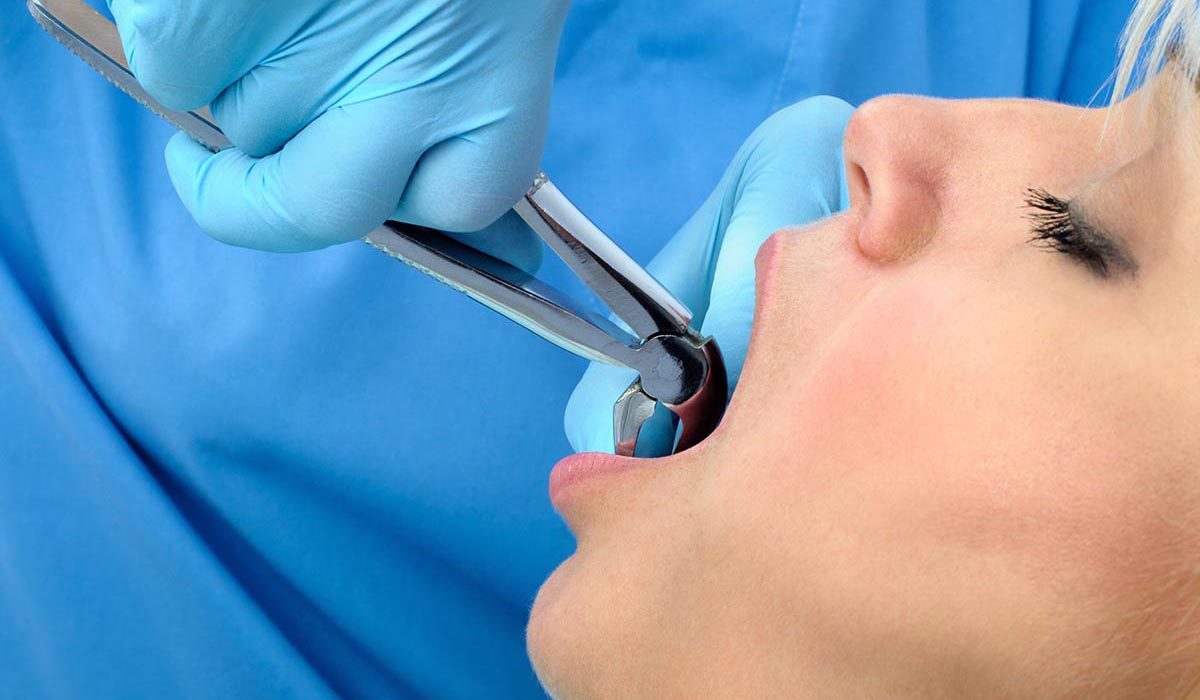
Wisdom Tooth Extraction and Diving
Wisdom tooth extraction is a standard dental procedure, but one that could impact diving. If your dentist recommends having your wisdom teeth removed, you should plan to do it well before diving. There are some aspects of the procedure that will affect how soon after you can resume diving. Maintaining your dental health is part of being fit to dive.
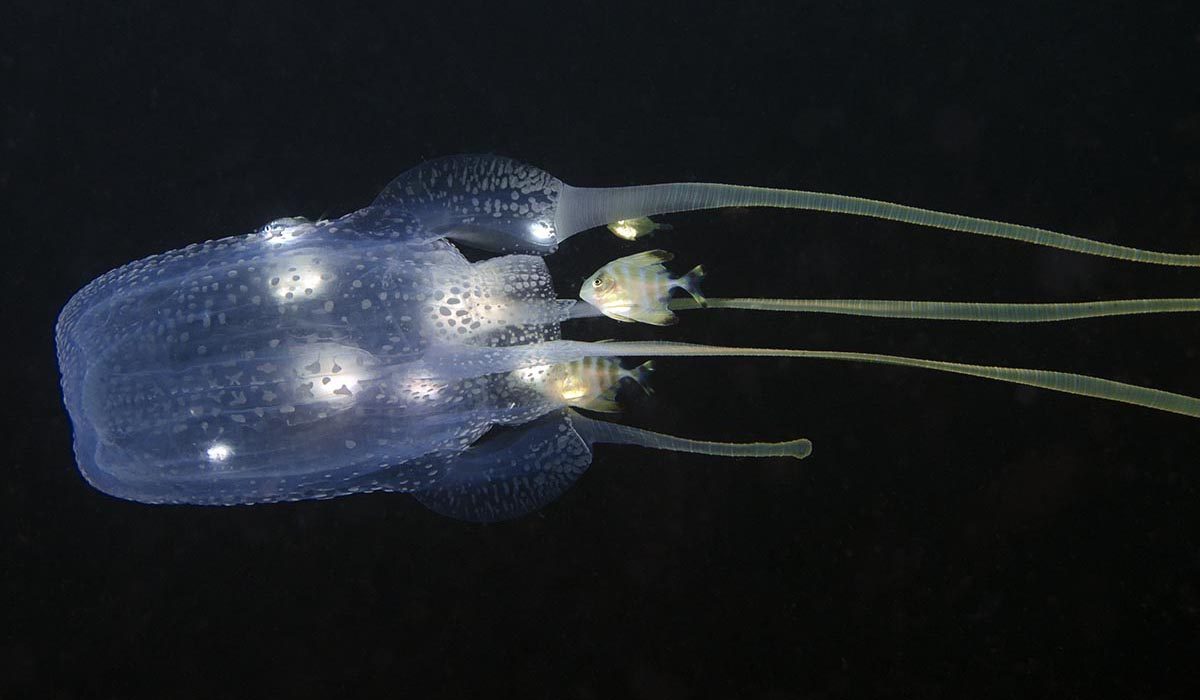
Box Jellyfish
Box jellyfish are incredibly poisonous, and a sting could result in death. Learn more about these creatures and what to do should you come across one.

Hot Tubs After Diving
Getting into a hot tub after diving alters decompression stress. The response could be positive or negative depending on the magnitude of the inert gas load and the heat stress. Learn more about how to prevent any negative symptoms.
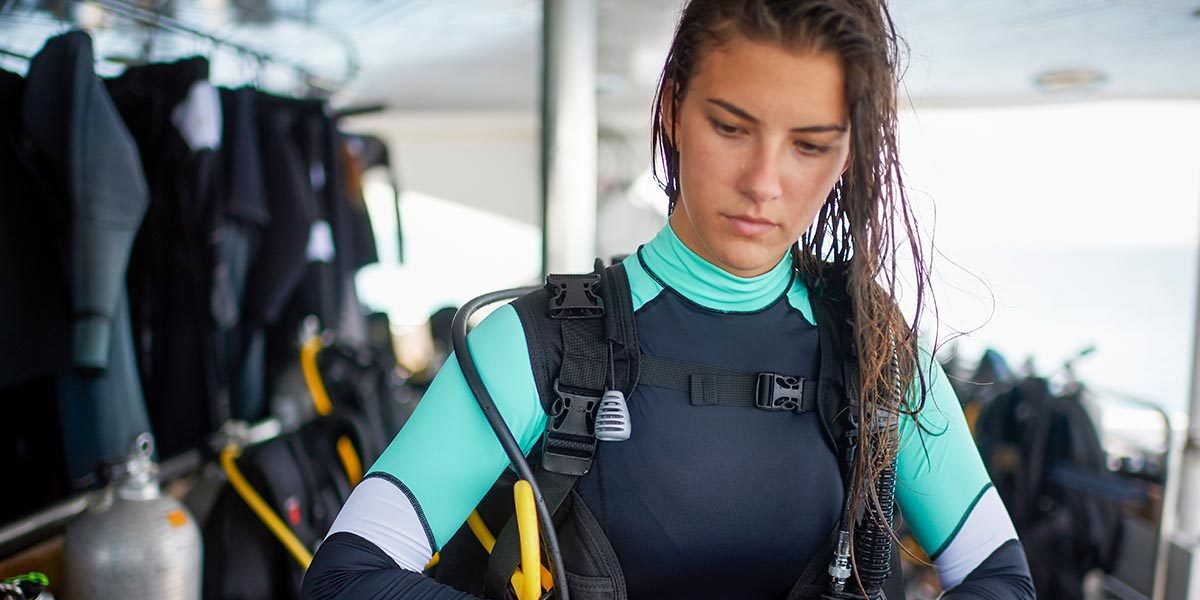
Patent Foramen Ovale (PFO)
Patent foramen ovale (PFO) is a common heart defect that divers may not be aware of until having multiple instances of decompression illness. If you have a positive test for a PFO, there are several ways you can manage the condition.
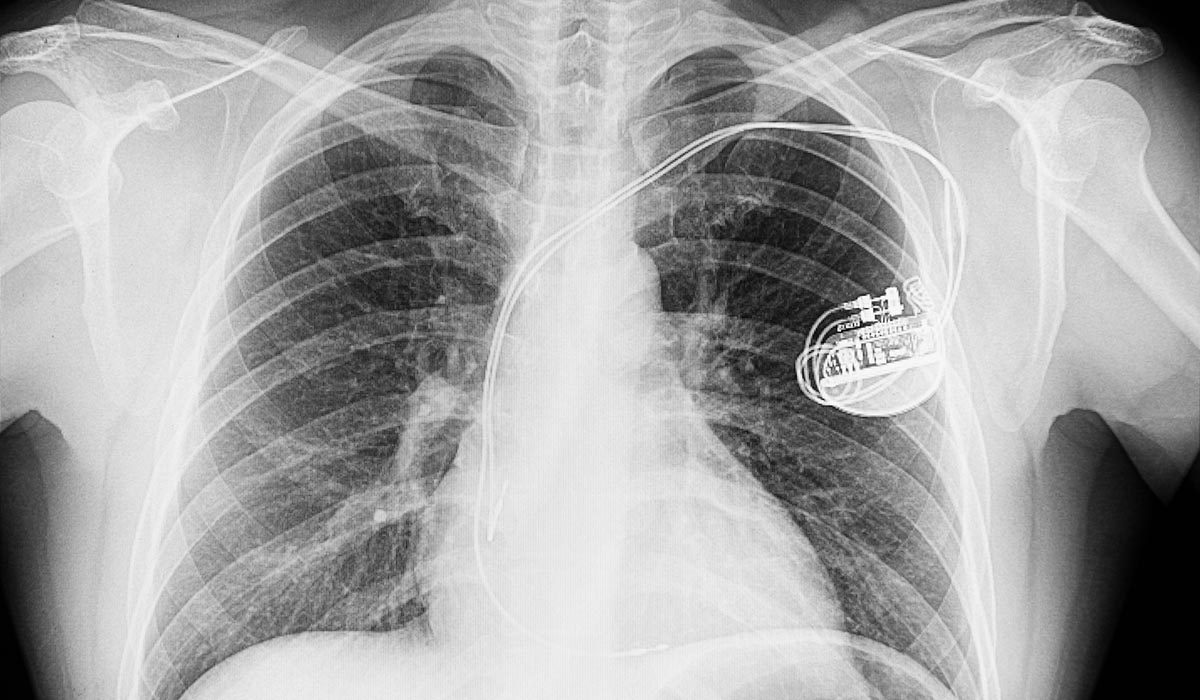
Pacemakers
Pacemakers are incredibly helpful as they regulate the heart rhythm. If you have a pacemaker, find out what you need to know about your cardiovascular condition and fitness to dive.
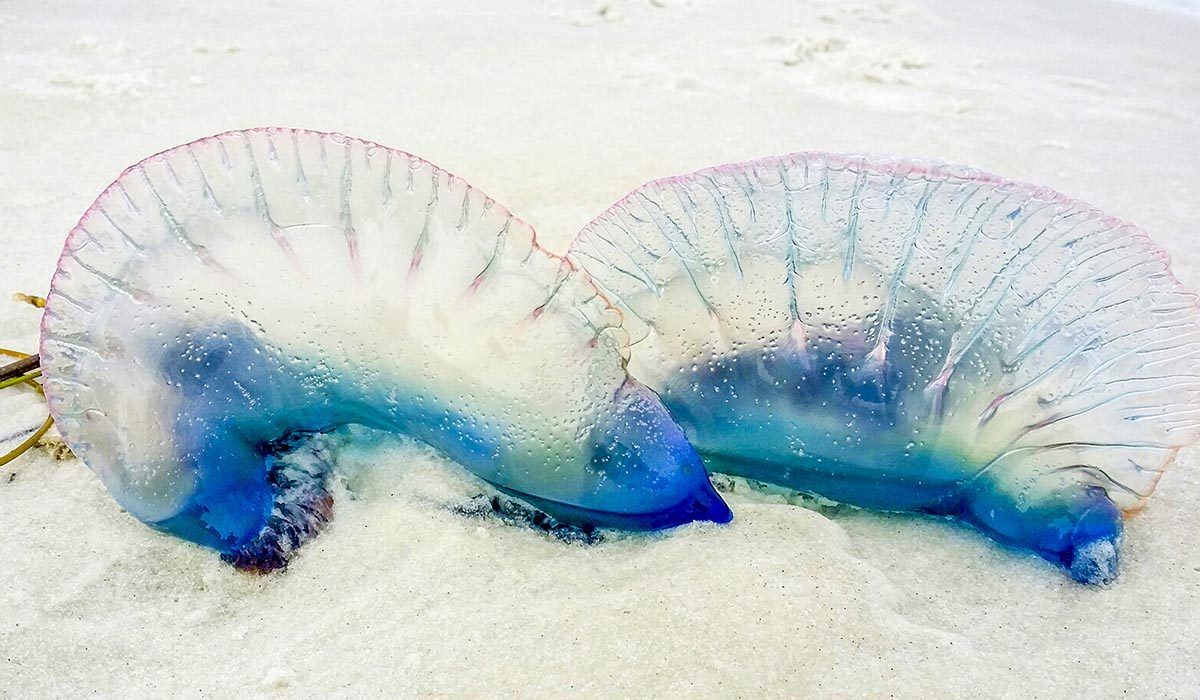
Portuguese Man-of-War (Bluebottle)
Although colorful and jellyfish-like, Portuguese man-of-wars are most hazardous to divers while surfacing. Read more about this sea creature and what to do should you get stung.
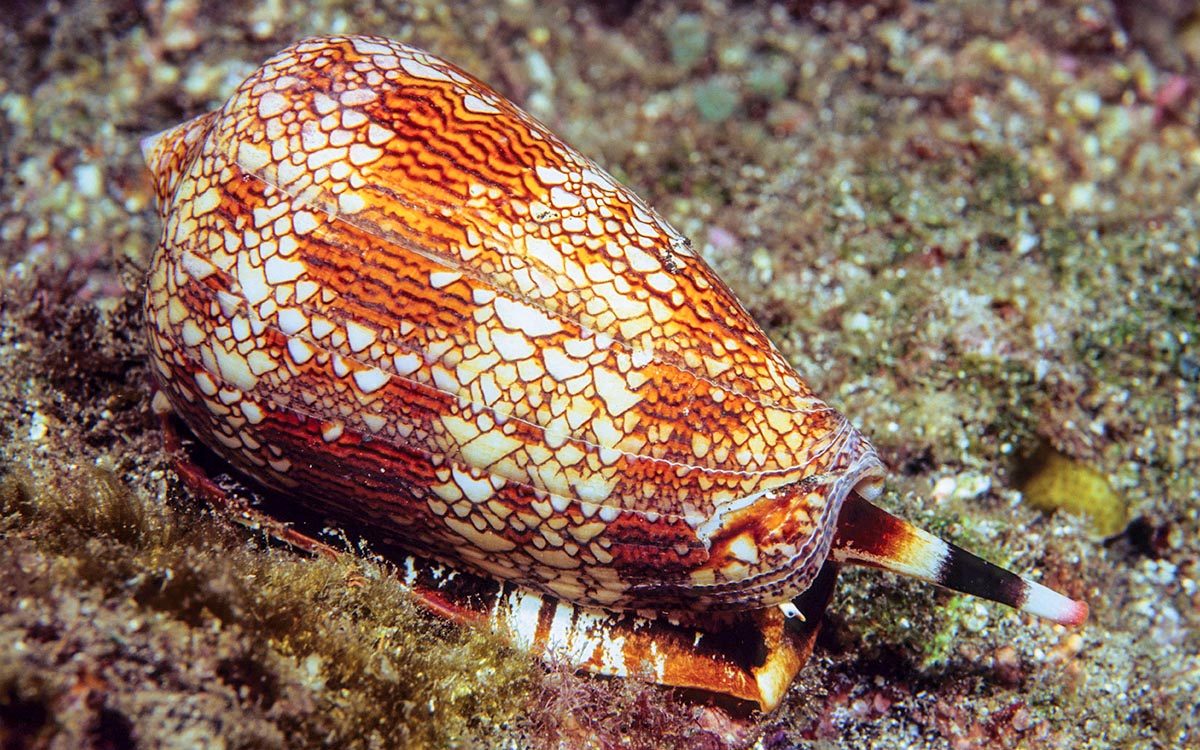
Cone Snails
Don’t let the beautiful shells fool you — these gastropods are incredibly poisonous. Follow these protocols if you come across one. Always err on the side of caution.
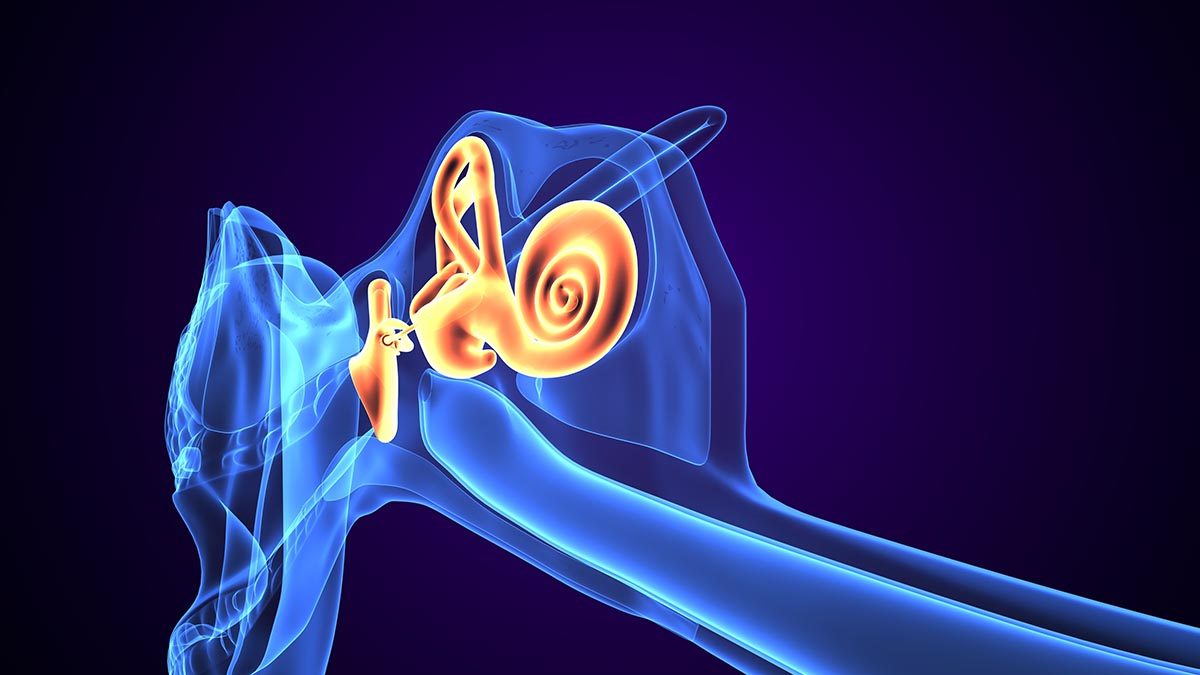
O’Neill Grading System
The O’Neill grading system is a new way to grade the severity of middle-ear barotrauma (MEBT). The simplification of the system will provide more consistent diagnoses in patients.

Blue-Ringed Octopus
Although incidents are rare, blue-ringed octopi are very dangerous to humans. Read more about these creatures and procedures should you be attacked.
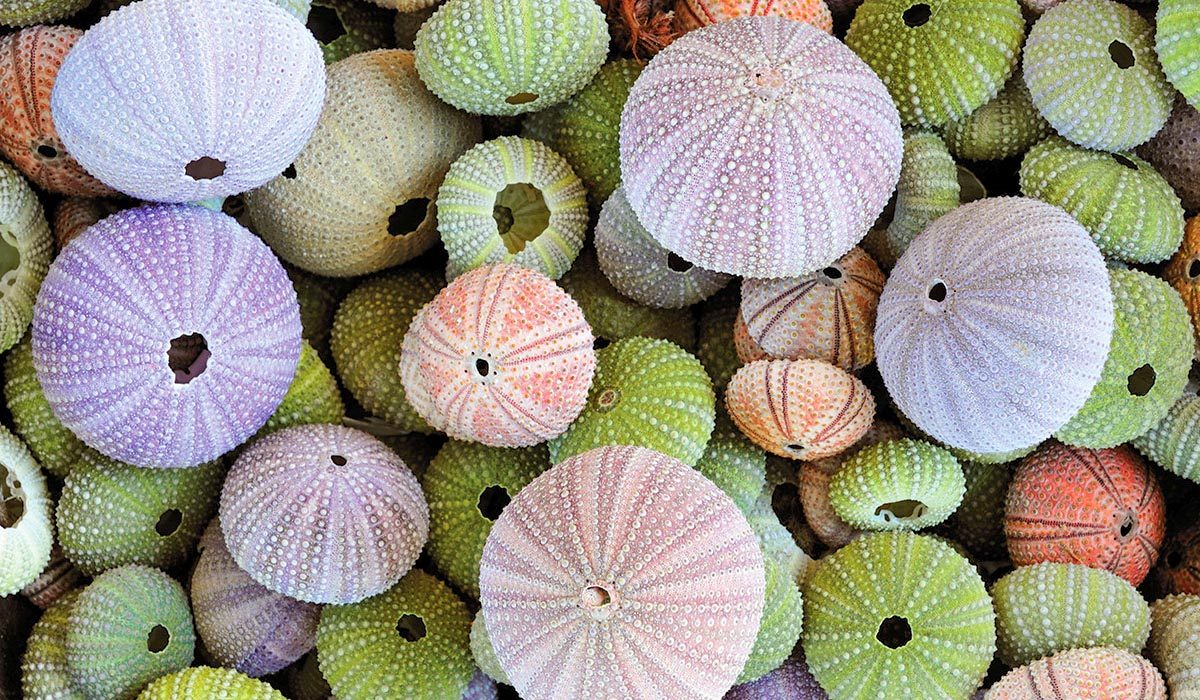
Sea Urchins
These spiny critters can be found all over the world. The primary hazard associated with them is when people come in contact with their spines. Learn proper wound care.