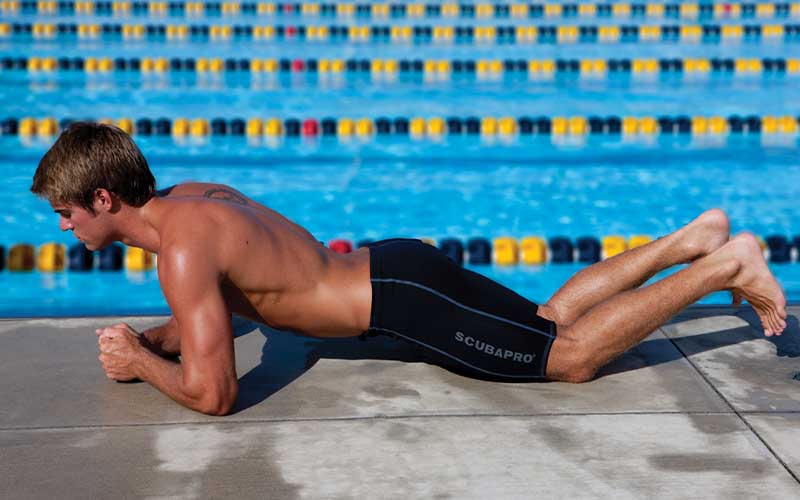
Spine Health
LOWER BACK PAIN is one of the most common medical complaints. Estimates are that more than 500 million individuals worldwide experience lower back pain, making it the leading cause of […]
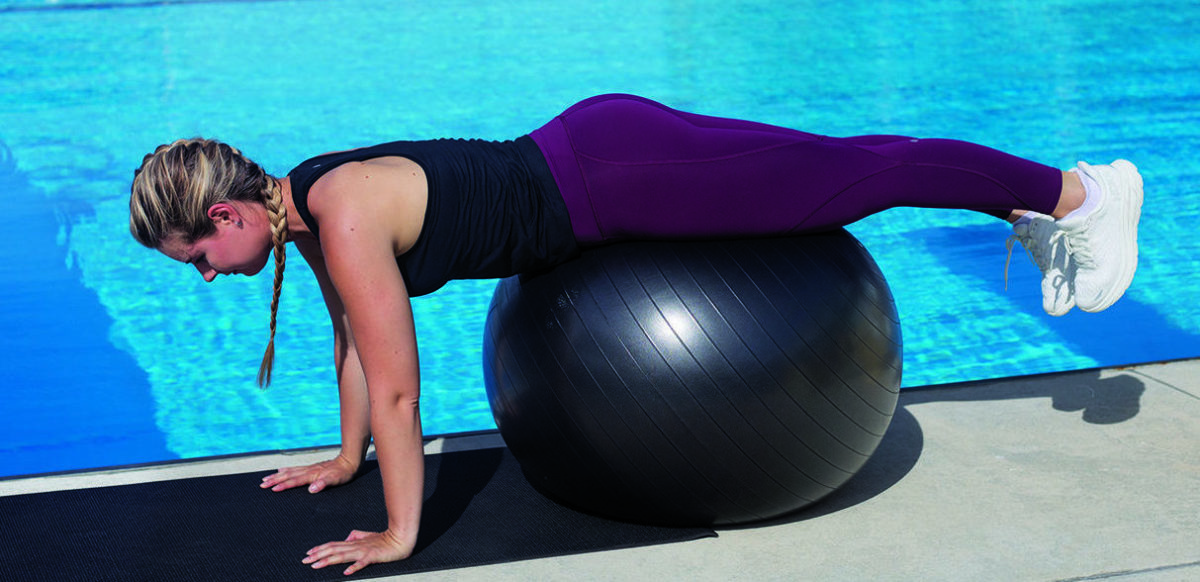
LOWER BACK PAIN is one of the most common medical complaints. Estimates are that more than 500 million individuals worldwide experience lower back pain, making it the leading cause of […]
Liveaboard dive trips offer access to some of the world’s best diving. With frequent dives and potentially short surface intervals, strenuous exercise isn’t recommended. This series of low-intensity exercises is […]
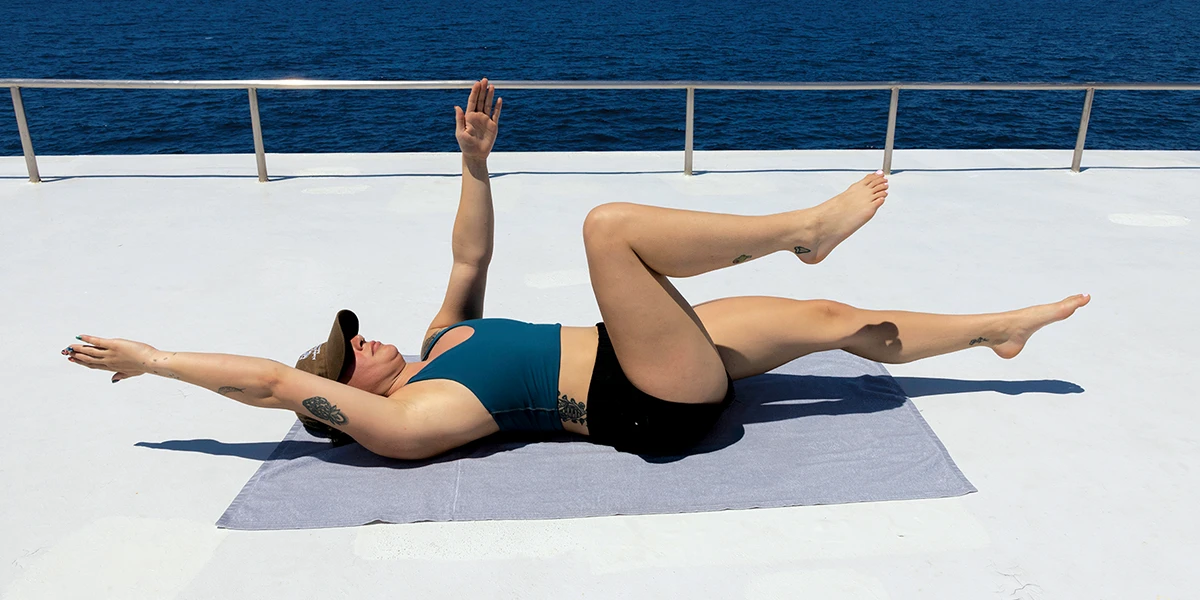
Myths are pervasive, especially in the fitness industry. Can you spot fact from fiction in this list of common beliefs in the fitness realm? The right facts can help you reach your goals.

Swimming has plenty of benefits for scuba divers, including keeping cardiovascular health in tip-top shape. Read more about swimming for scuba divers and glean an example pool workout.
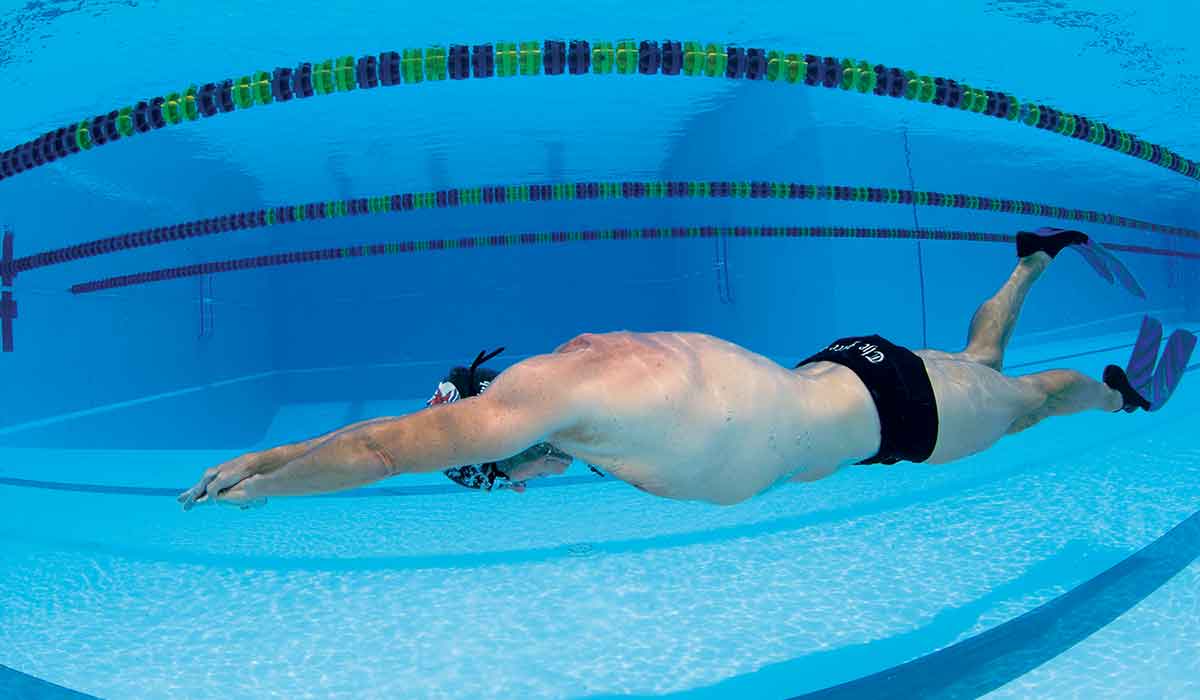
RECOVERY IS AN ESSENTIAL ASPECT OF TRAINING. Delayed onset muscle soreness (DOMS) can happen 24 to 48 hours after a workout, and divers don’t want to be distracted by DOMS […]
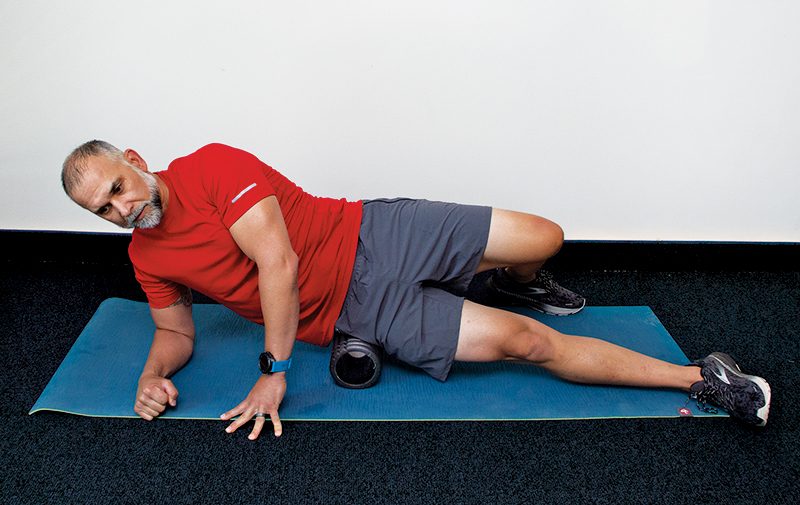
Knee aches and discomfort are a pain in the joint. With proper exercises and awareness, you can reduce and prevent knee pain to help you dive and live your best life.
You can keep your body young — physiologically speaking. Follow these lifestyle and workout tips to help reverse Father Time with the end goal to keep you diving for years to come.
Cycling is a great way to improve health and fitness with no impact on your bones and joints. Adjusting the time and intensity can accommodate anyone from beginners to elite athletes. Cycling can reduce your risk of stroke, heart disease, and diabetes and improve your mental health.
Tabata workouts are quick and effective. In just four minutes, you can greatly boost your cardio aerobic and muscular health. Learn more about Tabata training and score a great workout.

A strong core is critical for all aspects of life — including scuba diving. A strong core improves balance and stability. Read more about core importance and glean some great ab exercises.