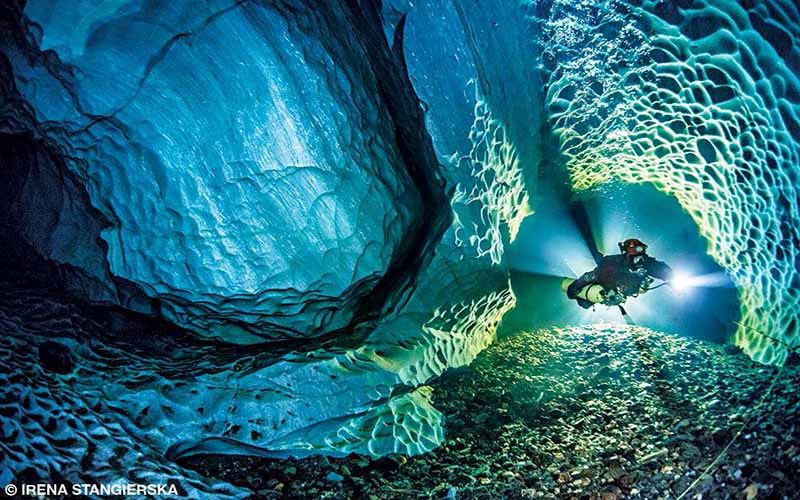
Cave diving is hard but doing so in the arctic may be even harder. Read a journal-style entry of what it’s like being a cave diver — physical demands, freezing temperatures, animal encounters, but at least there is hot chocolate.
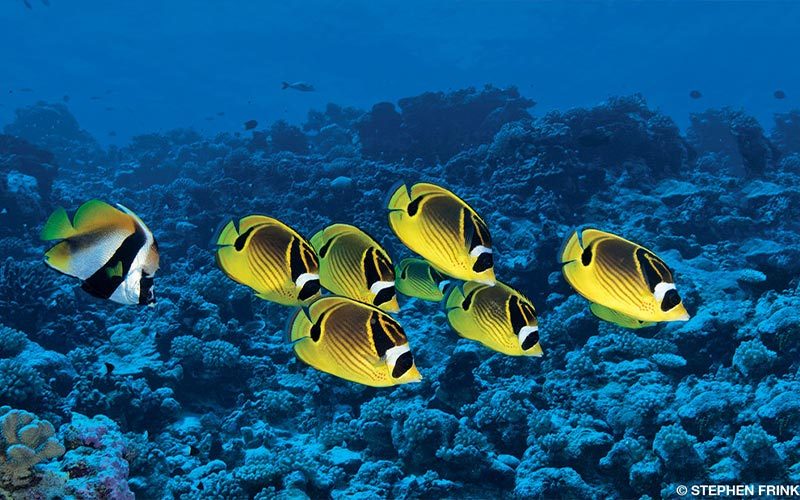
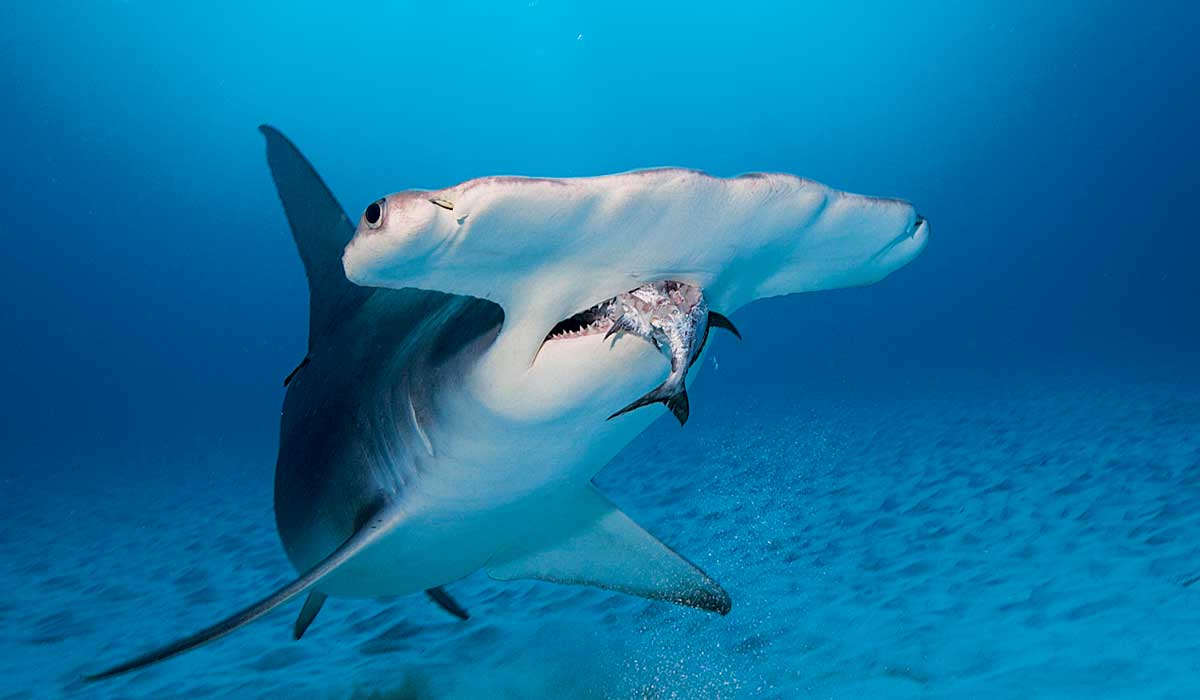
The Tuamotu Islands are an archipelago located in French Polynesia and offers vibrant underwater scenes — including great shark experiences.
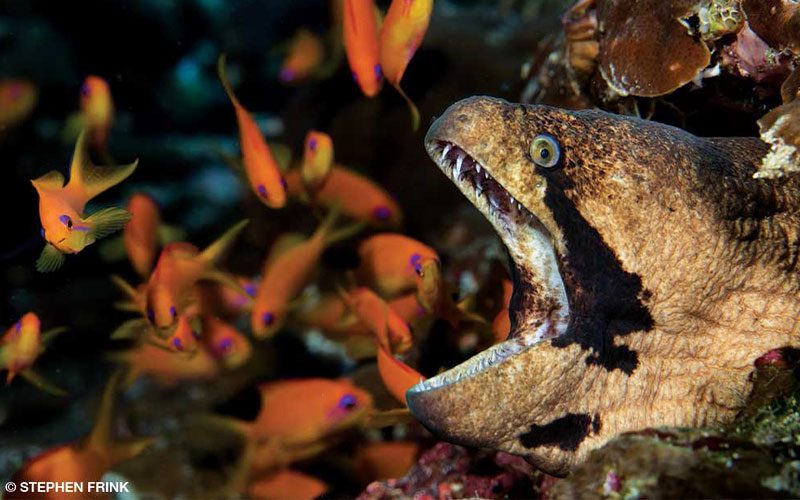
The Maldives is a prime diving locale, with great animal encounters and attractions. Learn more about the Maldives and how to dive there.
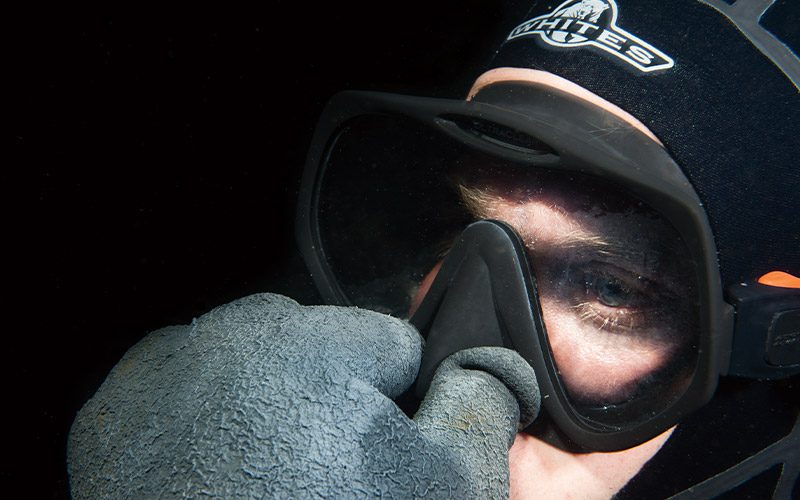
Learning how to equalize ear pressure is part of every diver’s basic open-water training. Alternobaric vertigo (AV) arises from unequal pressure between the two middle ears, usually because the pressures are changing at different rates. Learn more about AV and its prevention.
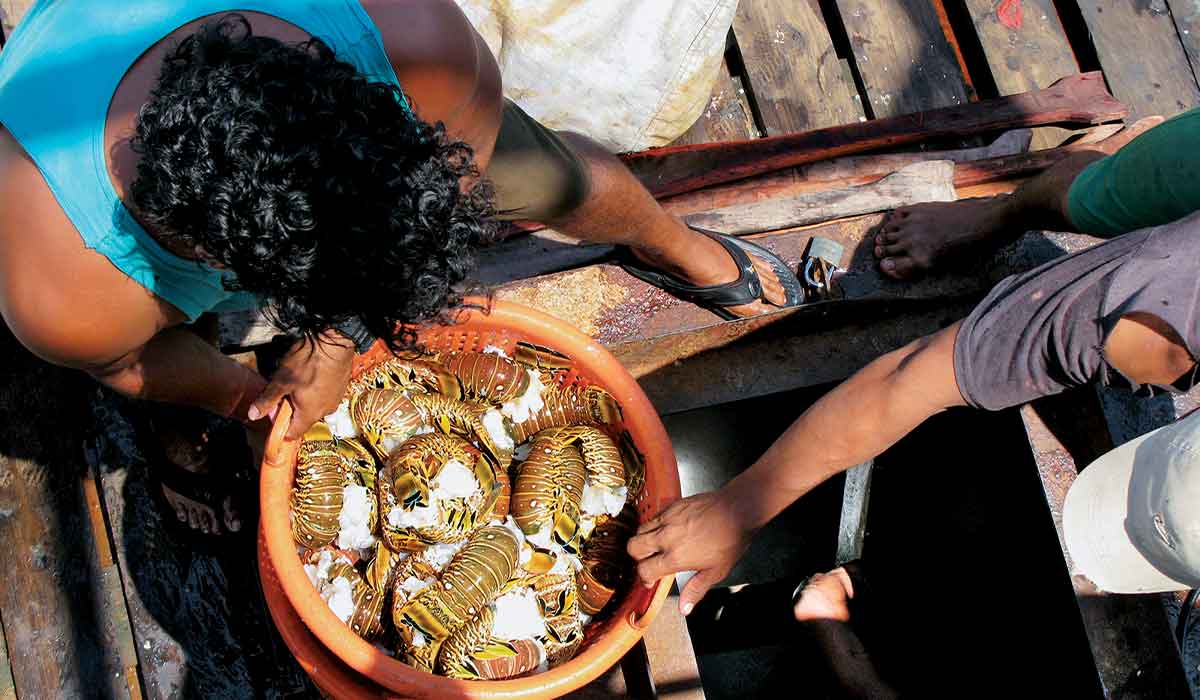
The Miskito Coast has a decompression sickness epidemic as many cases go undiagnosed in diving fishermen. Read more about DCS in the MIskito Coast.
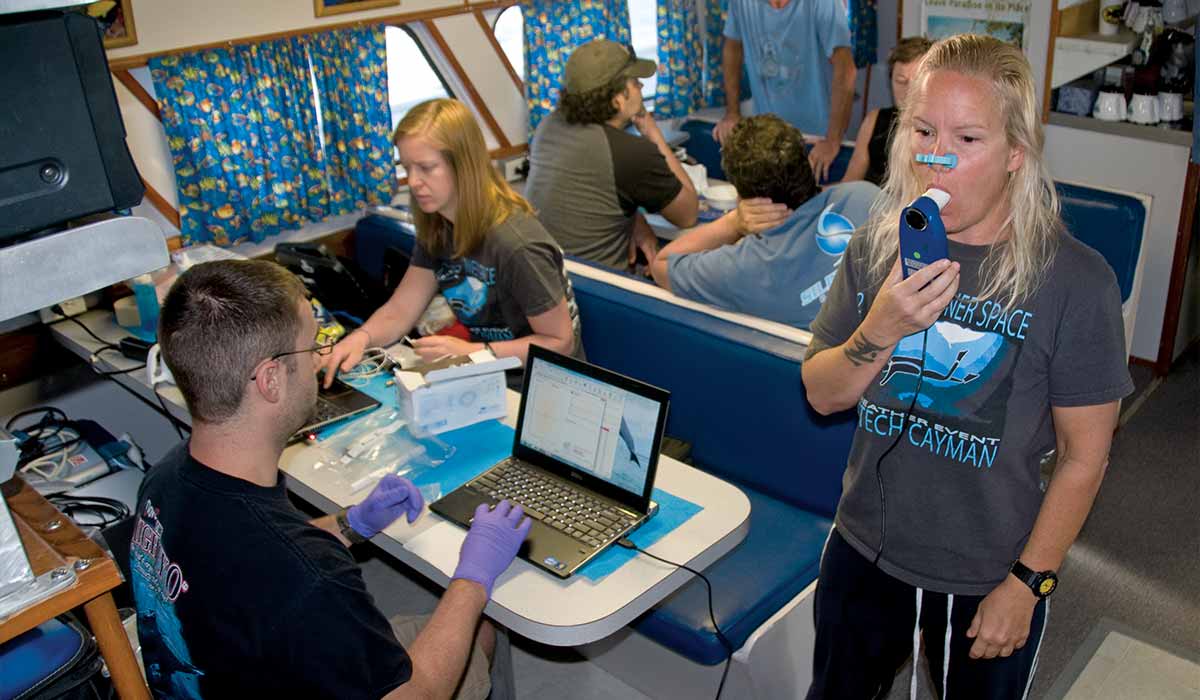
DAN Research is committed to making diving a safer sport through ongoing studies and projects. They follow trends in diving practices and examine causes, risk factors and mechanisms of injuries. Read more about DAN Research.
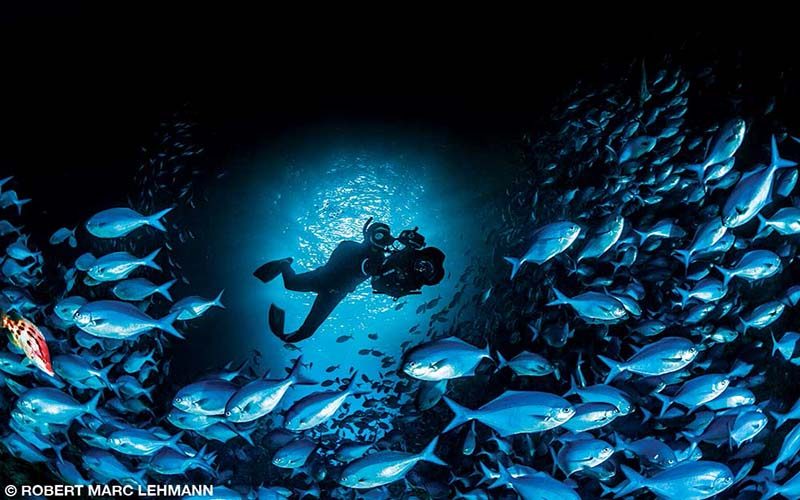
Competitive freediving has grown in popularity since 2000. Technological advances and more have helped lead the surge in freedivers. Read more.
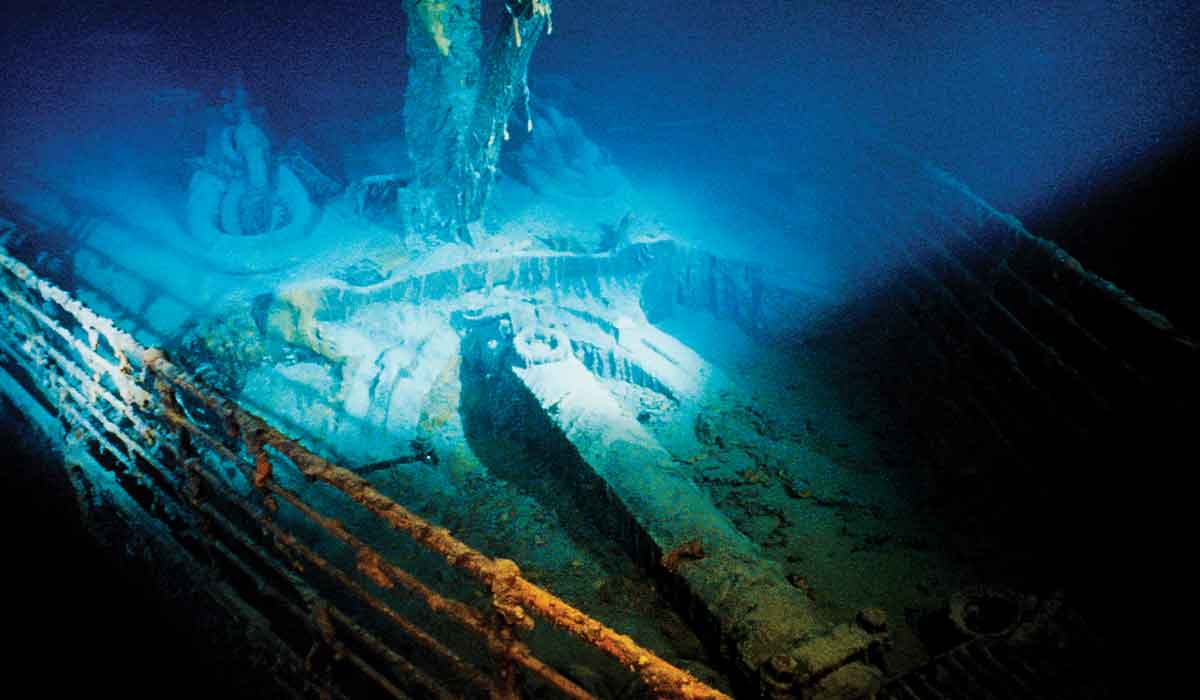
From U-boats and triremes to pirate ships and unsinkable ocean liners, the seafloor is littered with relics of our ocean-going past. Modern technology is opening the doors of discovery on certain lost ships.
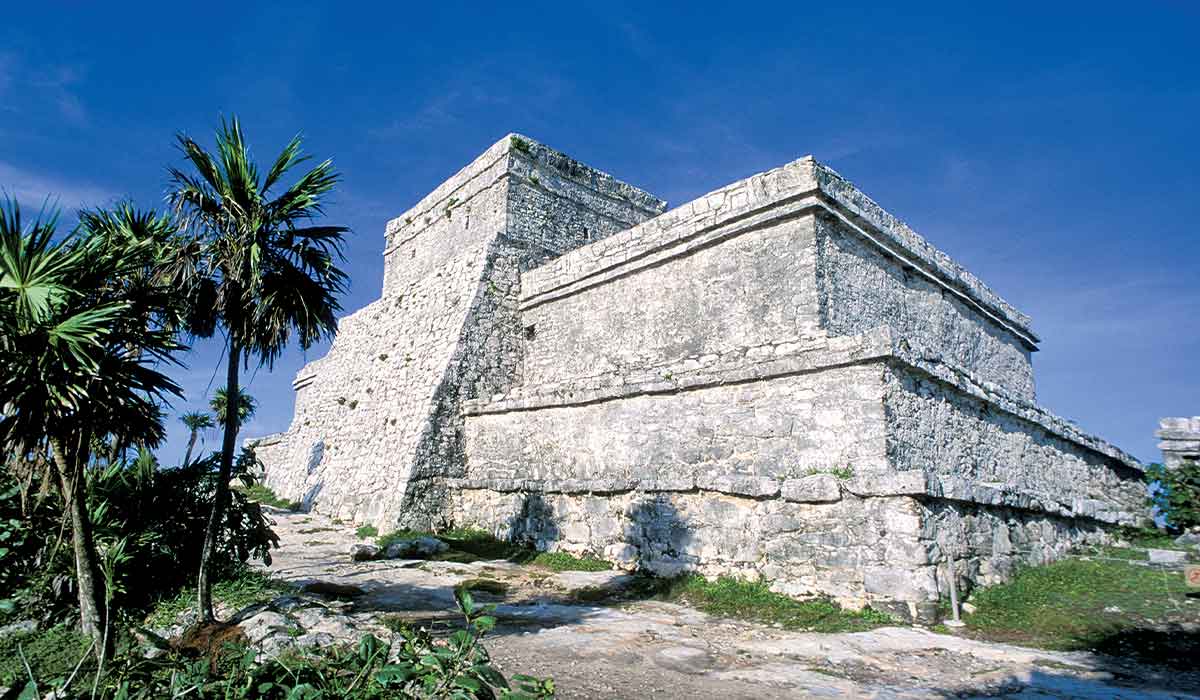
The cenotes of Mexico’s Yucatan Peninsula were sacred to the Maya and vital to their empire. Today, divers descend into these subterranean wonders both for leisure and in daring expeditions.
The various islands of the Bahamas offer unique experiences to divers. For North Americans, it is easily accessible and each trip will be a bit different. Learn more about diving in the Bahamas.