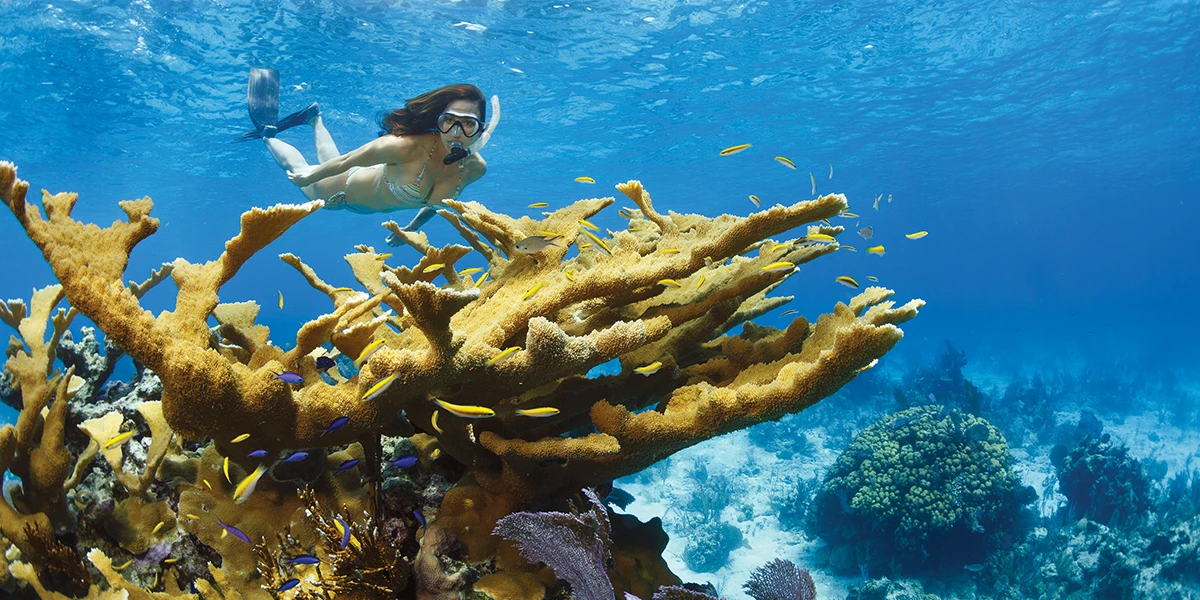
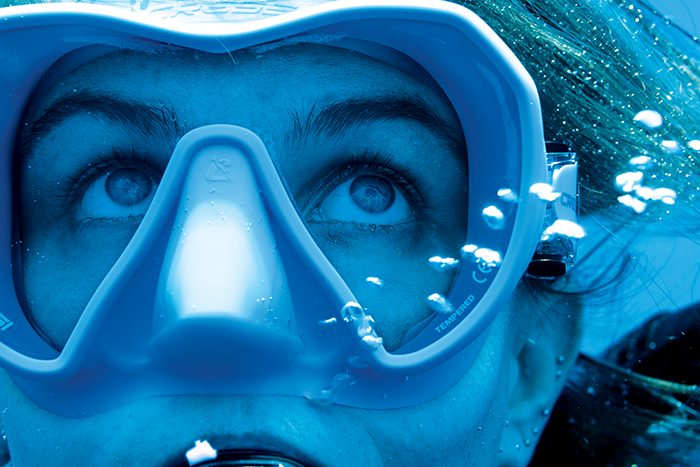
Working with models underwater has been a fundamental cornerstone of my career for more than four decades. I love shooting images of marine life, but for magazine editorial assignments, advertising photographs, and stock photography with model-released people, collaboration with a skilled underwater model has been paramount.
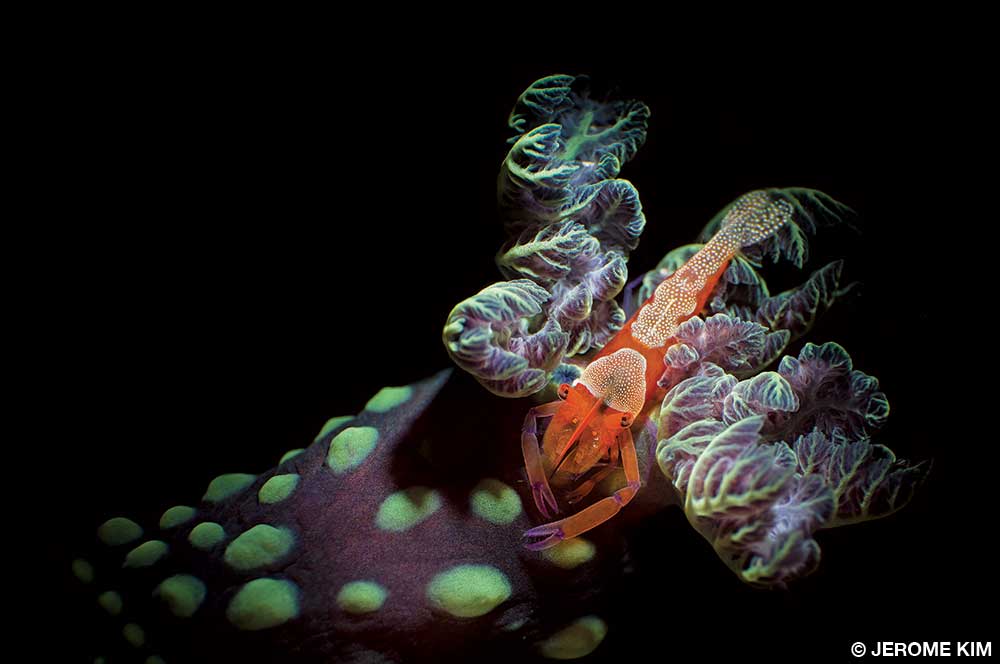
Part-time underwater photographer Jerome Kim exercises extreme precision when shooting images. Kim’s passion for underwater photography is fueled by his love of travel and desire to always seek out better images.
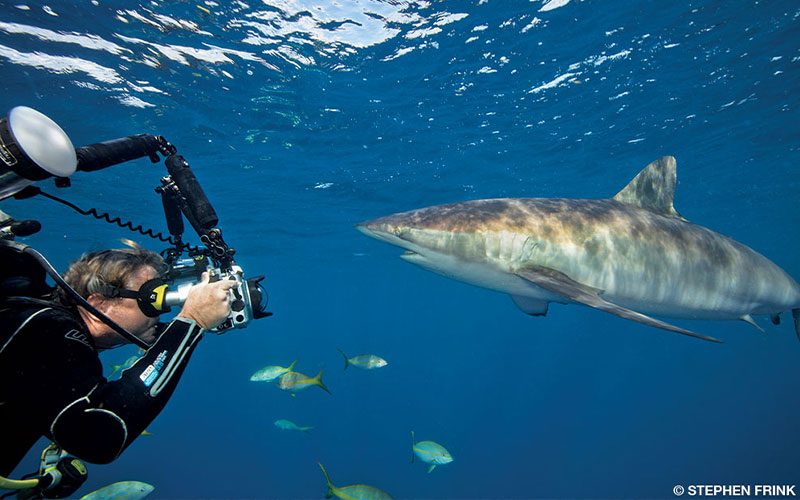
Douglas Seifert is an accomplished underwater photographer. Read more about his origin story and how he combined diving with photography.
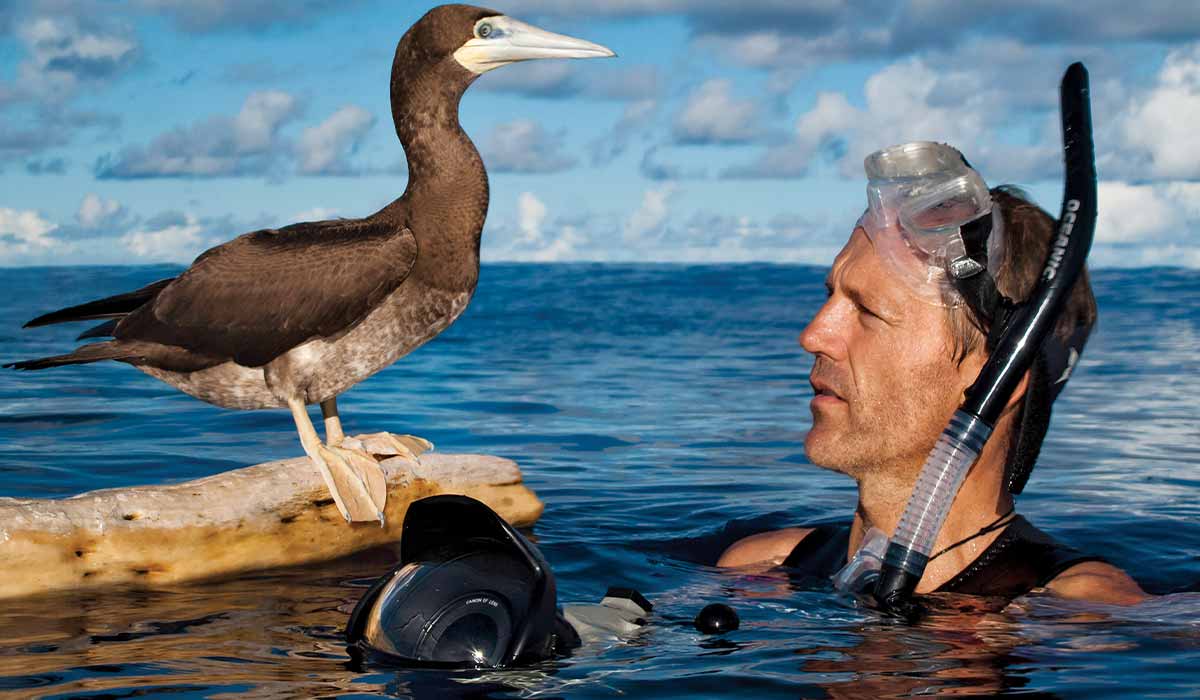
Paul Hilton is a renowned photographer and learned early in his career how powerful images could tell and shift a story. Read more about Paul Hilton.
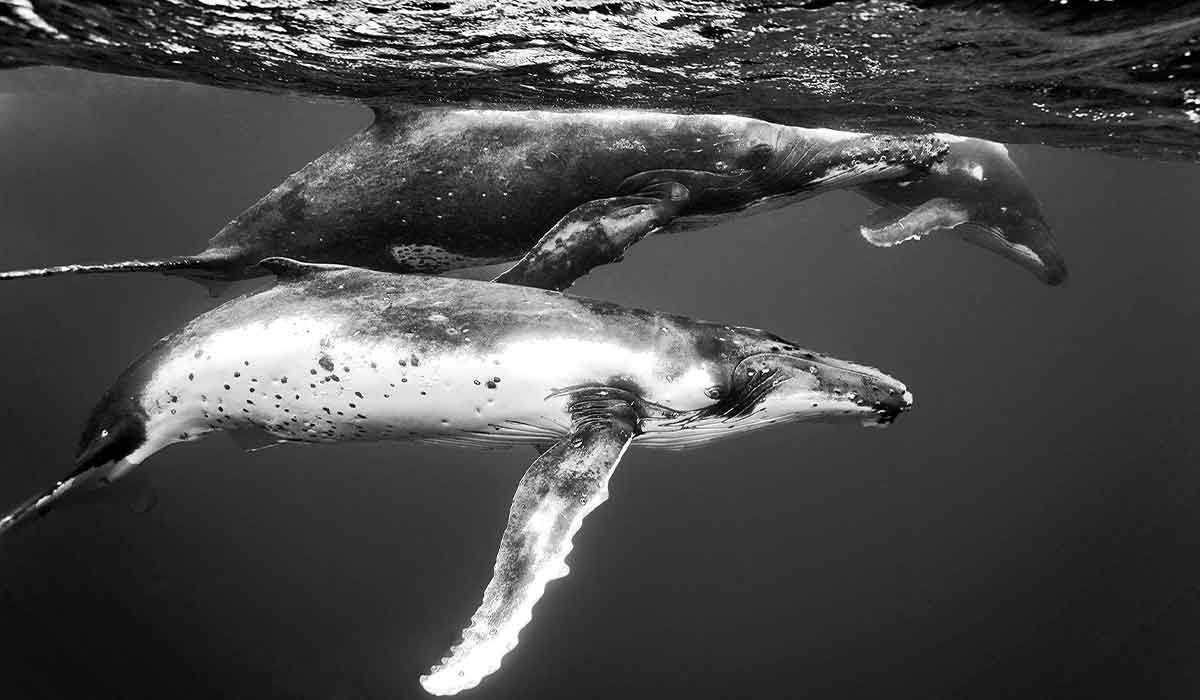
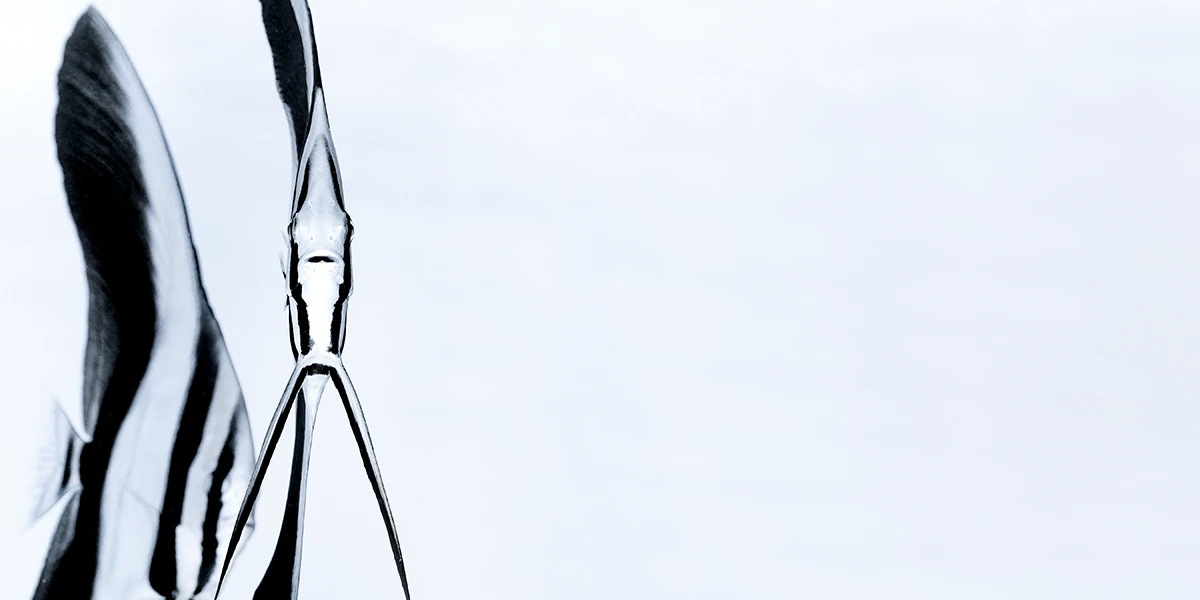
Generating a brilliant black-and-white photo is not as simple as just removing the color. Follow these step-by-step instructions to turn your full-color image into a stunning black-and-white masterpiece.
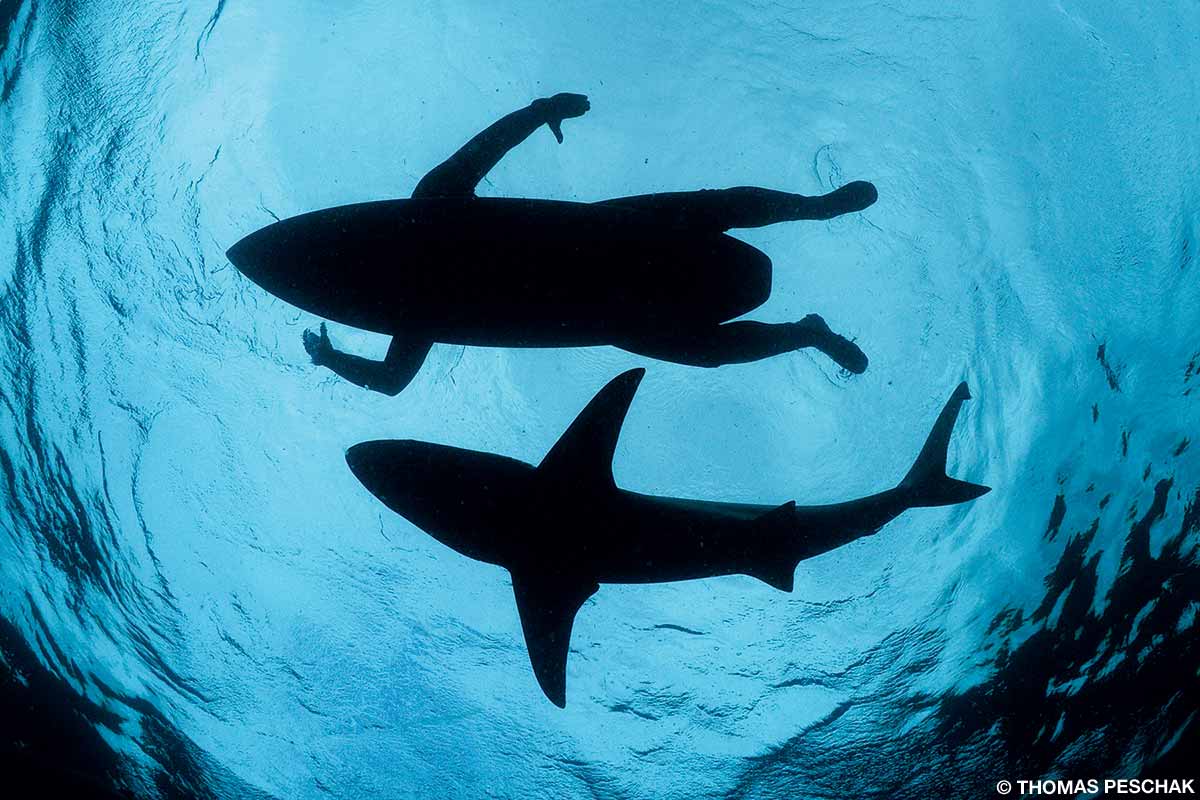
In Wild Seas, his new book published by National Geographic, Thomas Peschak ponders his career path: “My life as a National Geographic photographer has been socially isolating, emotionally exhausting and physically demanding — but it is the most rewarding pursuit I can imagine. I have cried from loneliness, felt nauseous with fear and cursed in frustration. But every time I thought I was at my limit, I discovered untapped reservoirs of strength, creativity and passion. This is not a job; it’s a calling.”
IMAGINE SCROLLING THROUGH SOCIAL MEDIA posts or flipping through your favorite dive magazine. Your eye catches a photo of the most pristine waters you have seen. The sun is peeking […]
We are the product of our cultures and our life’s experiences, but a simple twist of fate can alter our life’s trajectory. That’s what happened for Jade Hoksbergen. It’s hard to imagine, given her underwater photography, that she was afraid of the water as a child.
Tide pools offer photographers a lot of variety — but the time frame to shoot them is small. Here are some techniques of how to maximize shooting tide pools f or optimal photos.
Your photography will evolve over time and your digital editing techniques should too. Learn some inside tips for Adobe Lightroom.