I have been a fossil geek my entire life. In 2012 I moved to Charleston, South Carolina, and in the past 10 years I was able to turn a hobby into a living. Scuba diving for megalodon teeth in the nearby fossil-laden rivers, such as Cooper River, seemed like the most logical step seven years ago, and I haven’t looked back since then.
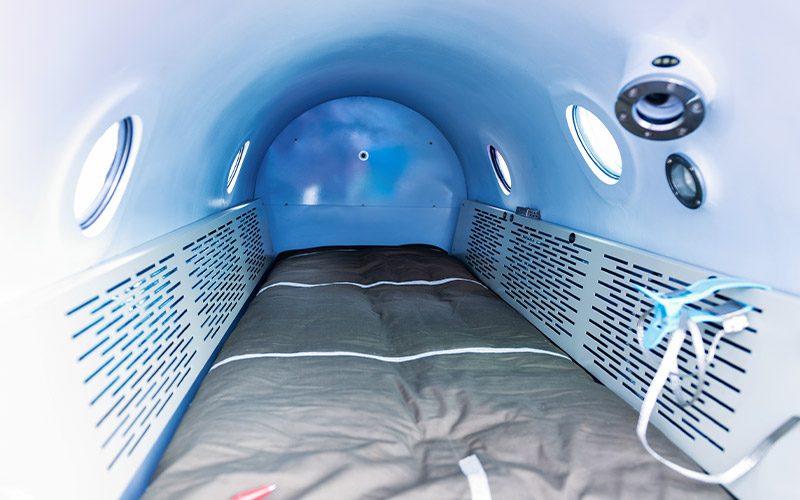
A divemaster hopeful had an unfortunate bout of decompression sickness during a routine dive. But it was through DCS treatment, that the diver discovered she had a heart condition.
Kelp can often entangle divers and result in anxiety and panic. Read an incident in which kelp entangled a diver and unfortunately resulted in his death.
Self-diagnosis can lead to delays in the medical care you need. Never assume — and be sure to contact DAN.
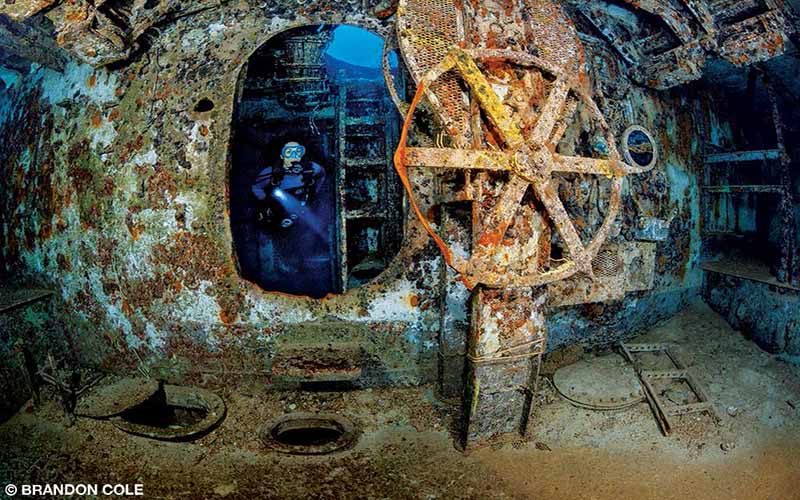
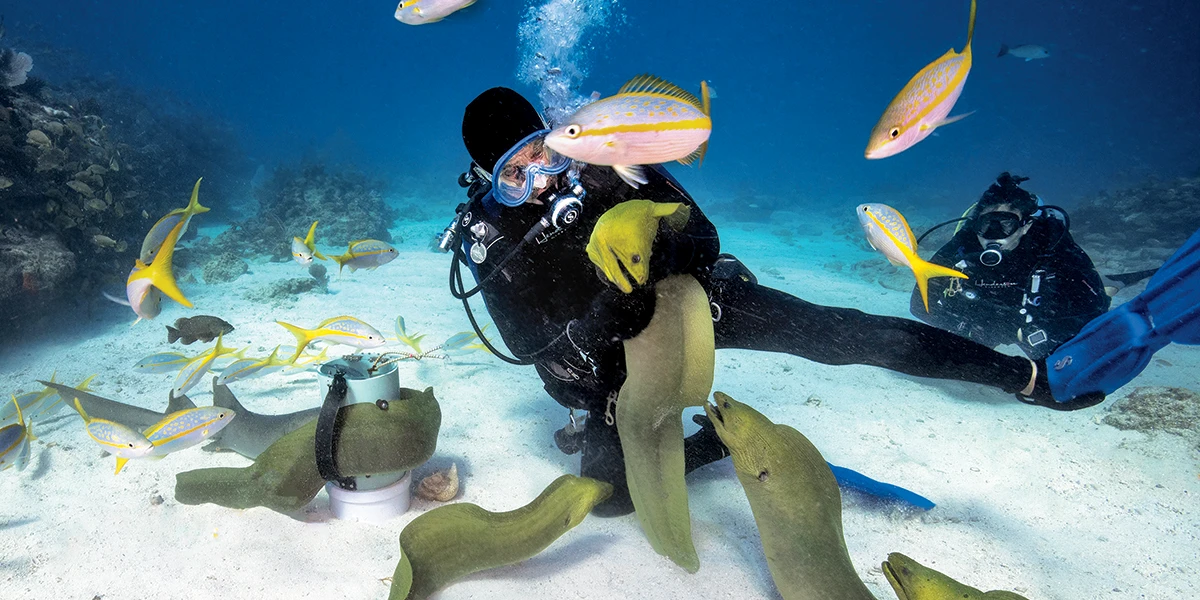
You might know me already or at least know about me. I came to Key Largo, Florida, in 1978 to open Captain Slate’s Atlantis Dive Center. Early on I had an affinity for the marine life on our reefs, and my earliest mentor, Steve Klem, had established ongoing fish-feeding activity on the City of Washington wreck.
Symptoms do not always point to just one definite cause, so it is often just as important to continue listening to the patient and exploring options that might not be immediately apparent.
A scientific diver, participating in training exercises with her team, became overheated and called off the dive. Read more about the incident, diagnosis, treatment and more.
Relief from symptoms doesn’t always mean a cure. Read one incident of when a diver presented with a rash and received treatment for decompression sickness — but became very combative.
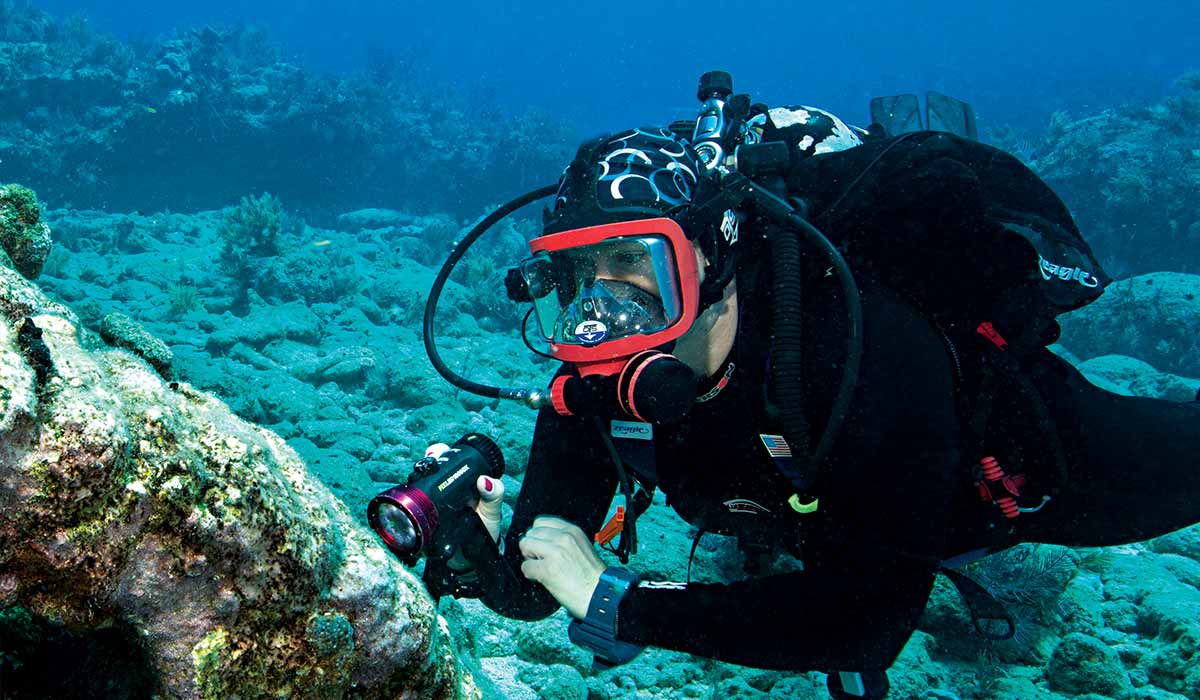
I am a 55-year-old avid diver who made about 300 dives in 2023, most of which were coldwater shore-entry dives near San Diego, California, to below 100 feet (30 meters). I am also a dive instructor who loves to take underwater photos and participate in citizen science by completing a survey for the Reef Environmental Education Foundation (REEF) after every dive. My dive buddies know me as a safe and conservative diver.
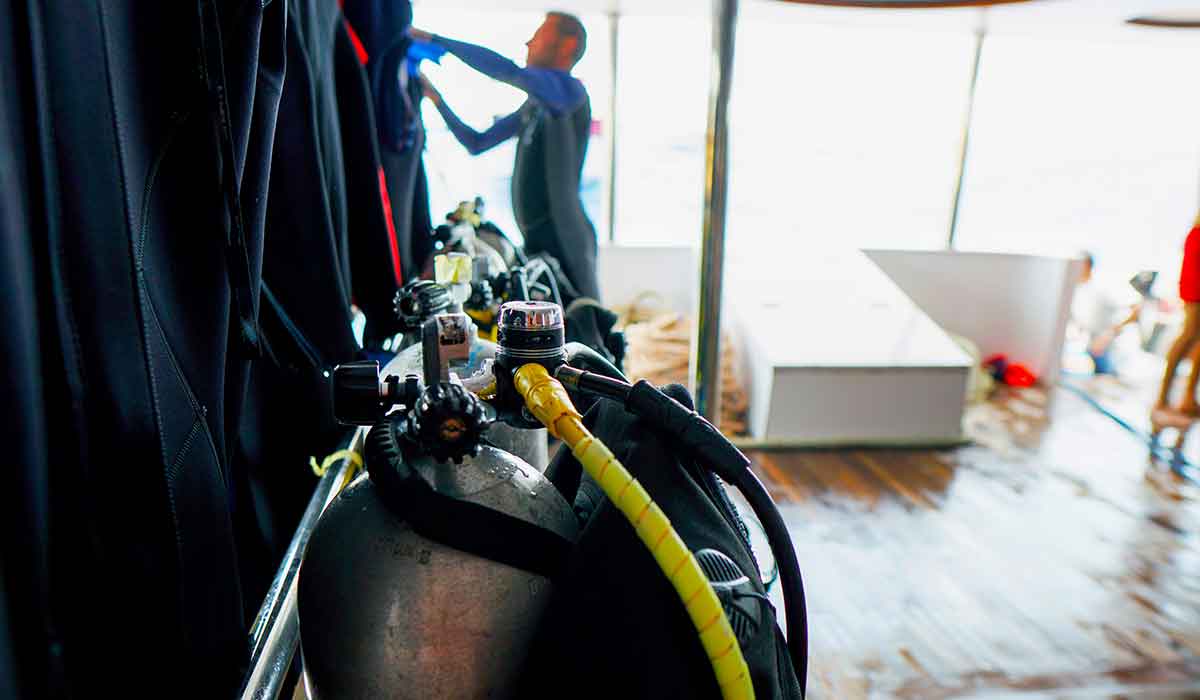
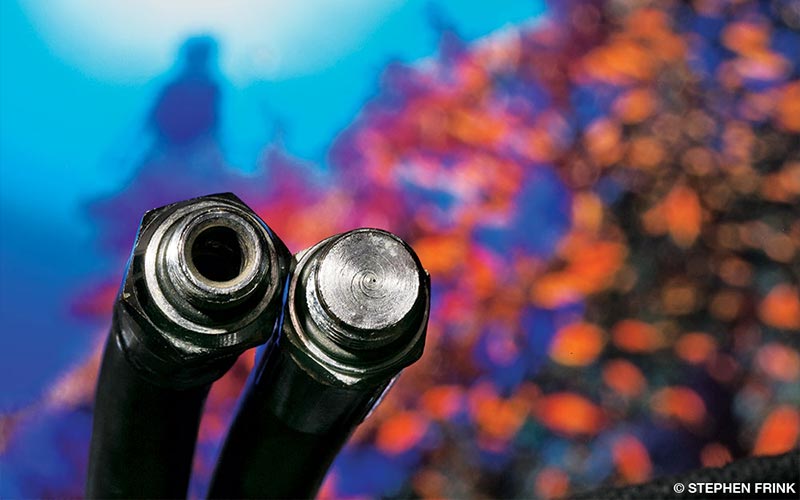
Contrary to what you might expect, air will escape from a low-pressure hose faster than from a high-pressure hose because of the low-pressure hose’s wider opening.